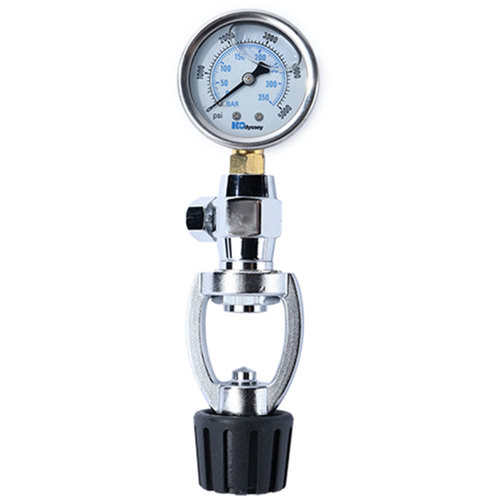
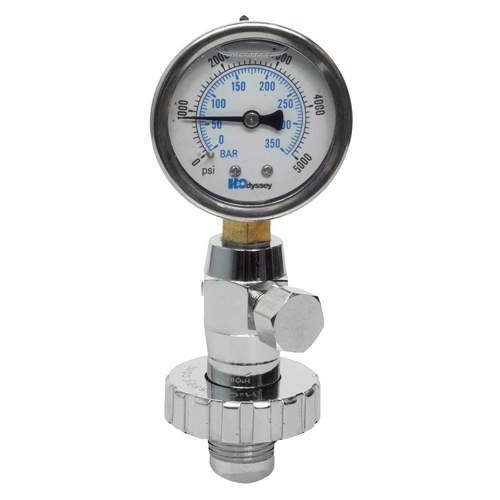
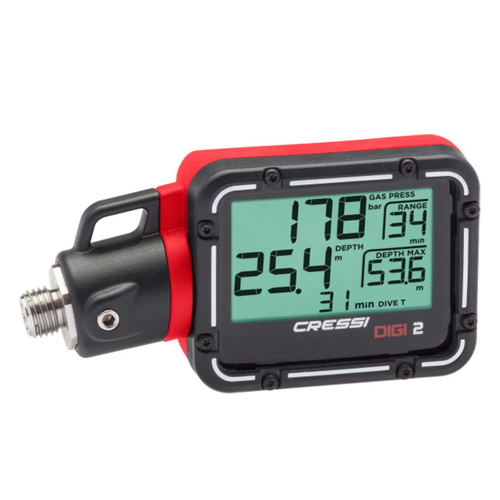
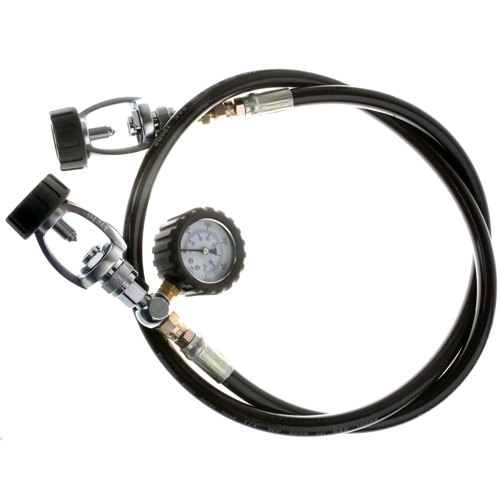
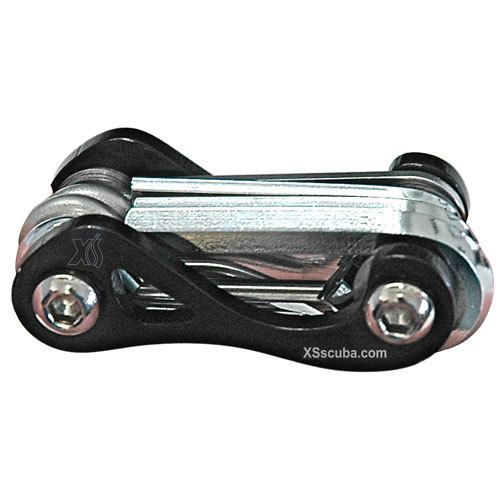
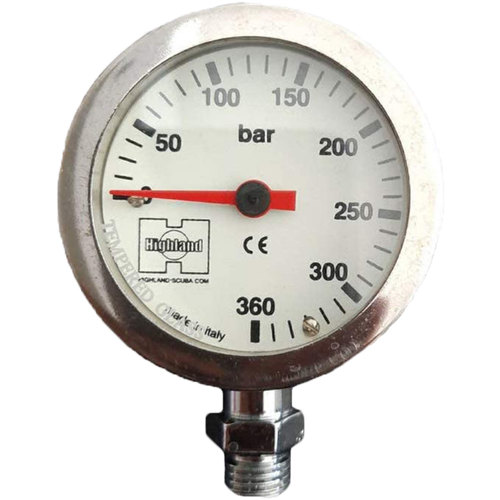
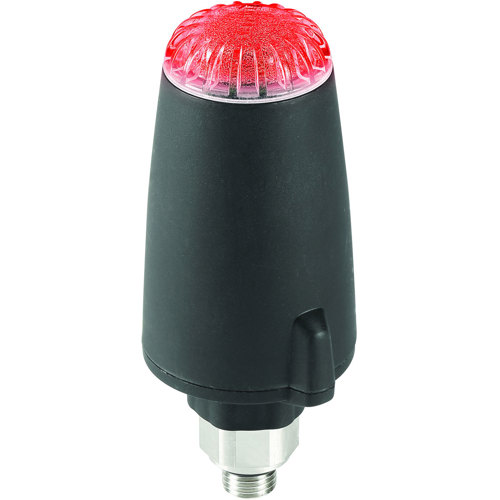
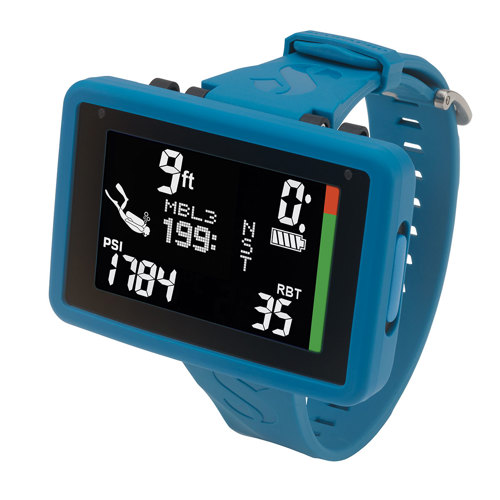
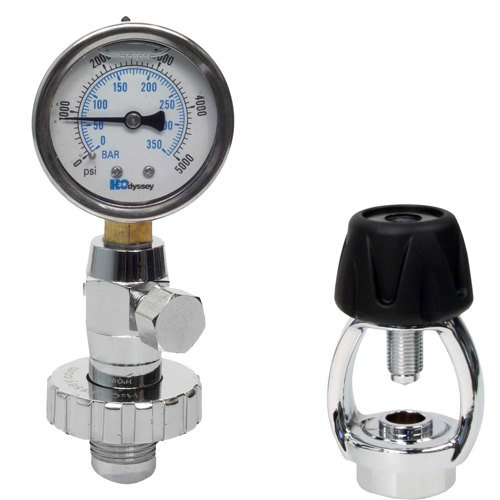
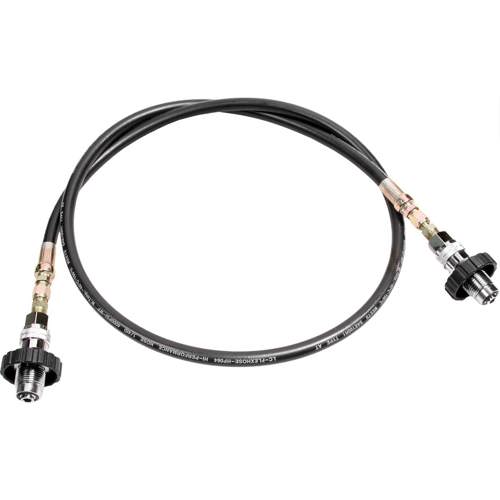
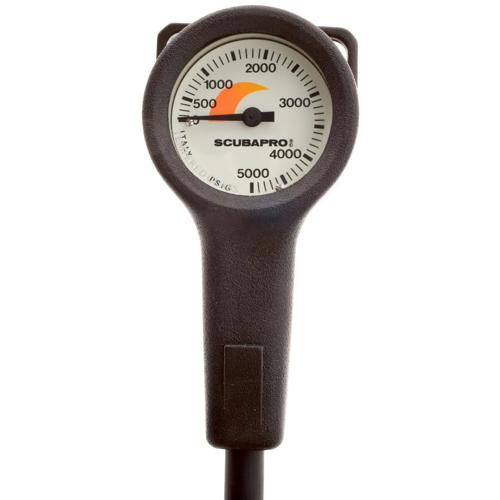
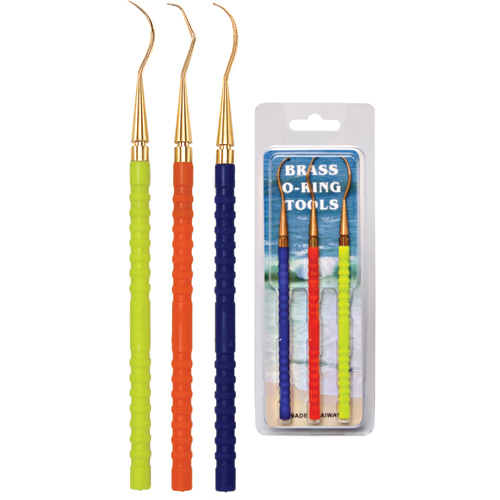
For divers who are passionate about both safety and self-sufficiency, having the right tools for scuba diagnostics is essential. These specialized scuba tools serve as the backbone for maintaining, troubleshooting, and fine-tuning your gear, ensuring that every dive is as safe and enjoyable as possible. Whether you’re a seasoned diver, a dive professional, or someone who enjoys tinkering with equipment, the importance of diagnostic tools cannot be overstated. Imagine preparing for a summer dive trip, only to discover a subtle leak in your regulator or uncertainty about your cylinder’s oxygen mix—having the correct diagnostic tools on hand can turn a potential setback into a minor blip on your adventure. Tools such as intermediate pressure gauges, inline second stage adjusting tools, and O-ring pick sets allow you to test, adjust, and maintain your regulator’s performance with precision. These instruments are invaluable for detecting issues before they become dive-stoppers, giving you peace of mind whether you’re exploring a local quarry or venturing to a tropical reef.
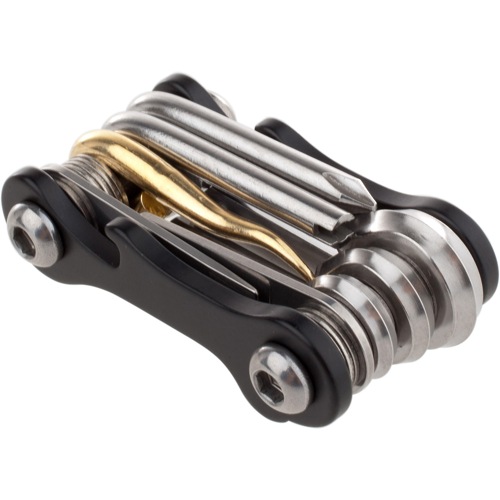
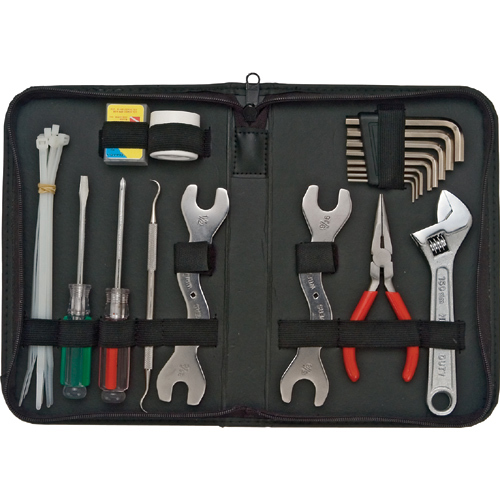
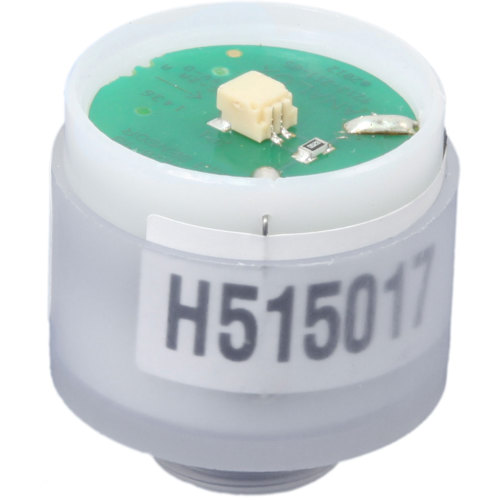
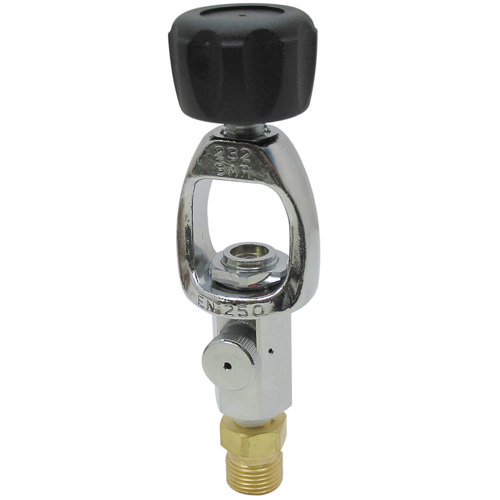
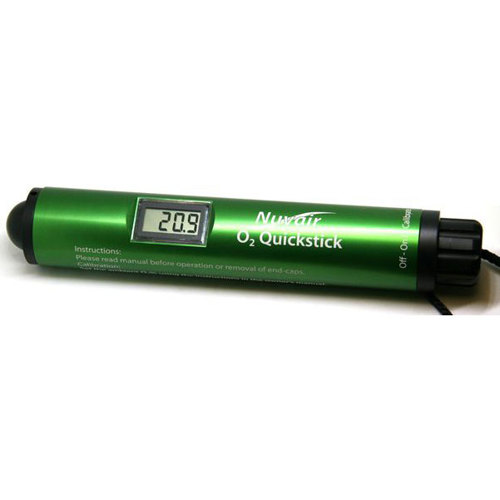
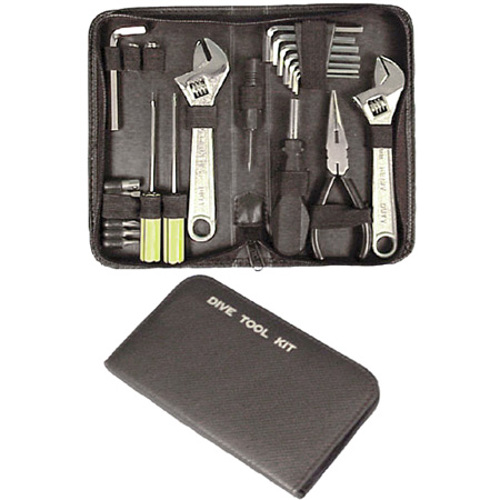
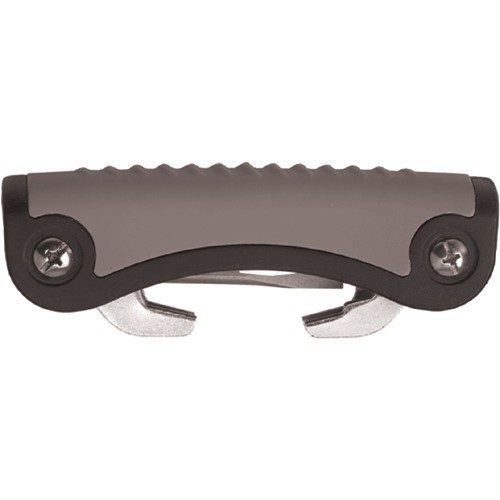
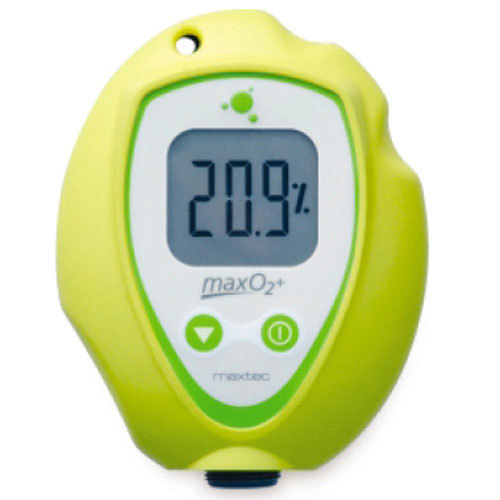
Diagnostic scuba tools also make thoughtful, practical gifts for dedicated divers, instructors, and budding dive technicians. During the busy dive season, giving a friend or family member a comprehensive diver tool kit, or a multi-tool designed for cylinder valve maintenance, can be a gesture that’s both personal and genuinely useful. Many divers recall the first time they needed to make a quick adjustment at a remote dive site and were grateful to have a compact valve multi-tool or a deluxe fill checker in their save-a-dive kit. For those who mix their own gases or dive with nitrox, an oxygen analyzer is indispensable for verifying gas blends, adding an extra layer of safety to every fill. More advanced diagnostic tools, such as magnehelic gauges and torque screwdrivers, are typically favored by dive shop technicians or experienced divers who perform in-depth maintenance and repairs. These tools not only help maintain the integrity of your gear but also contribute to a deeper understanding of how your life-support equipment functions—knowledge that can enhance your confidence and enjoyment underwater.
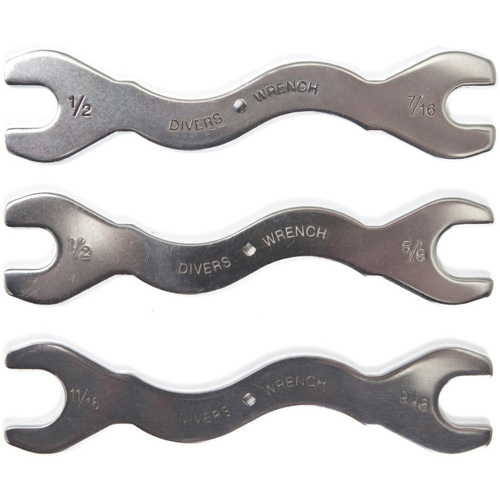
When selecting tools for scuba diagnostics, consider your level of expertise, the type of equipment you use, and how frequently you dive. Beginners may benefit from starter kits that include the basics—O-ring picks, fill checkers, and simple wrenches—while advanced divers and professionals might seek out specialized kits with test blocks, spanner wrenches, and inline adjustment tools for precise tuning. It’s always wise to choose tools made from high-quality, corrosion-resistant materials, as they’ll stand up to the rigors of the marine environment and years of use. As diving ramps up in the warmer months, ensuring your gear is in top condition with the right diagnostic tools becomes even more important. For those looking to expand their toolkit or learn more about maintaining accuracy in their scuba equipment, our dedicated resource page on
Scuba Accuracy Tools offers additional insights and recommendations for building a reliable, effective diagnostic setup. Equipping yourself with the right tools not only safeguards your dives but also empowers you to handle unexpected challenges with confidence, making every underwater adventure safer and more enjoyable.