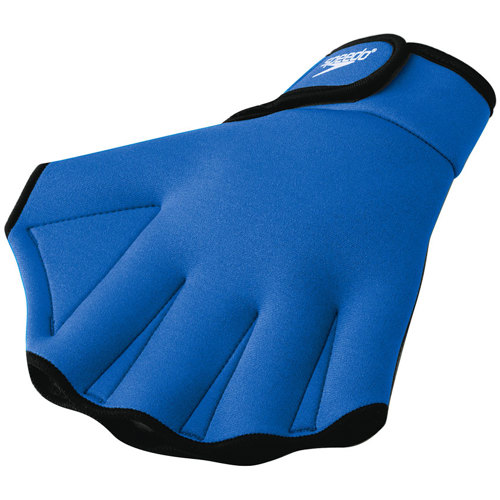
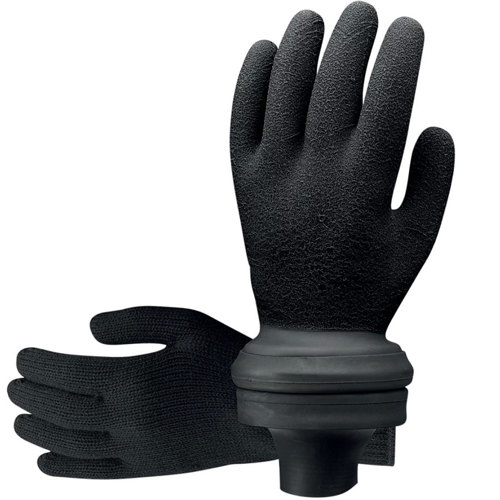
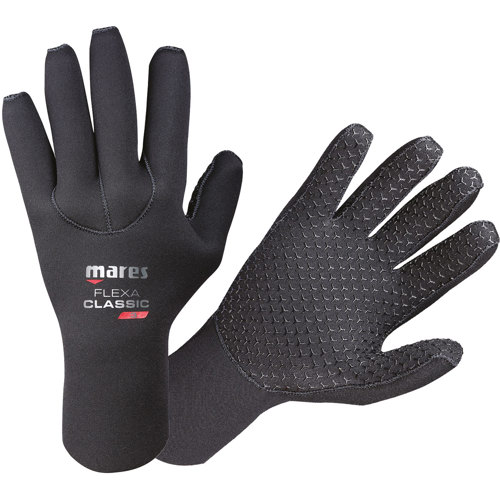
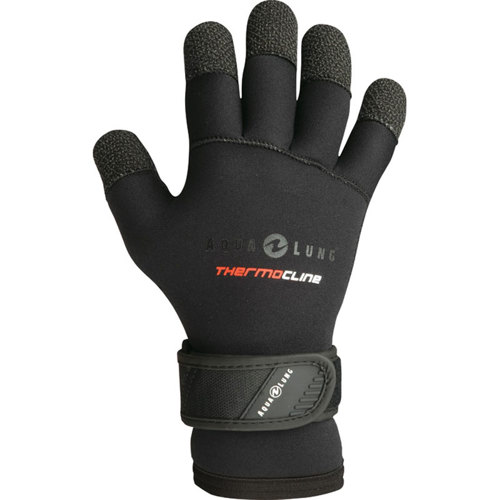
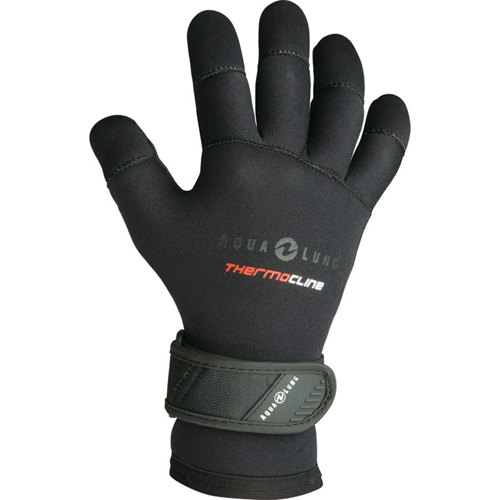
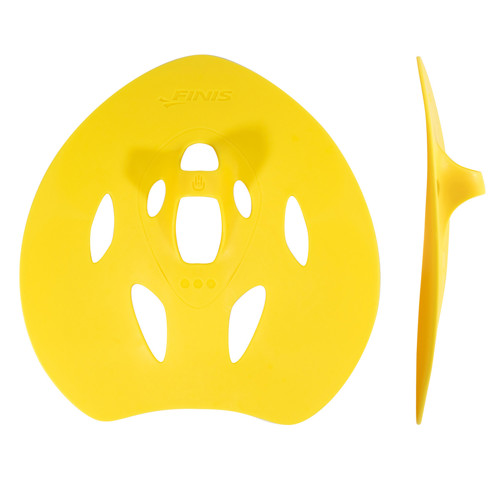
Swimming training gloves have become an essential accessory for swimmers, aquatic fitness enthusiasts, and anyone looking to enhance their time in the water, whether for exercise, training, or recreation. These gloves are thoughtfully designed to add resistance during swim strokes, engaging the muscles of the arms, shoulders, and upper body more intensely than swimming with bare hands. The added resistance helps to build strength and improve endurance, making them a popular choice for those who want to take their aquatic workouts to the next level. Many swimmers find that using training gloves during lap swimming, water aerobics, or resistance training routines allows them to target specific muscle groups and achieve a more efficient workout in less time. The webbed design, often found between the fingers, mimics the natural motion of the hand while increasing surface area, which in turn amplifies the resistance with each stroke. This feature is particularly appreciated by fitness instructors and physical therapists who incorporate aquatic gloves into rehabilitation programs, as the controlled resistance is gentle on the joints while still providing a challenging workout.
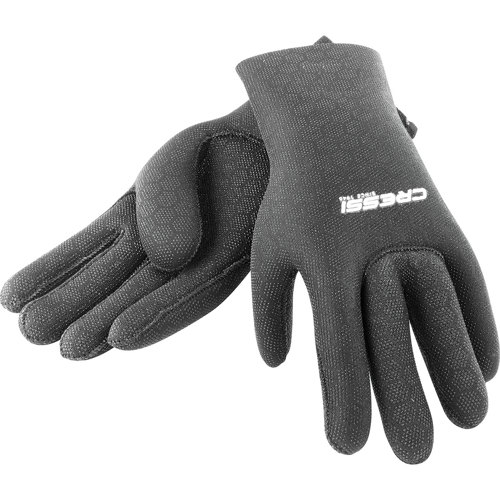
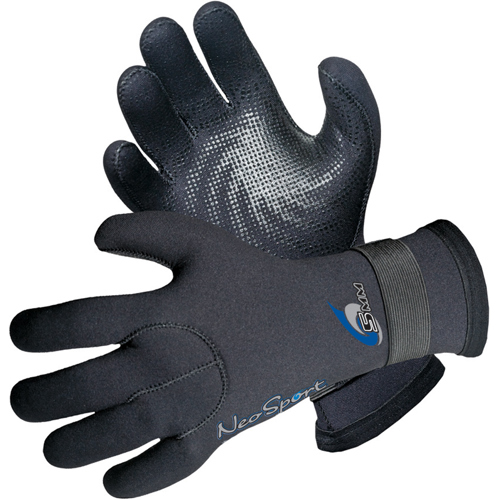
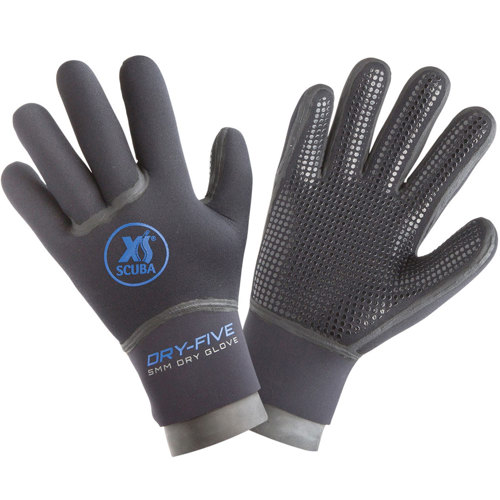
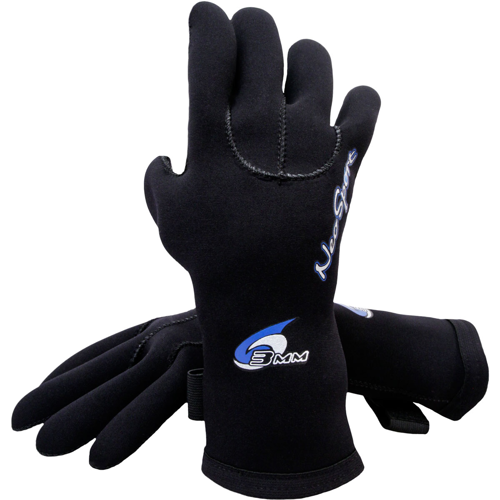
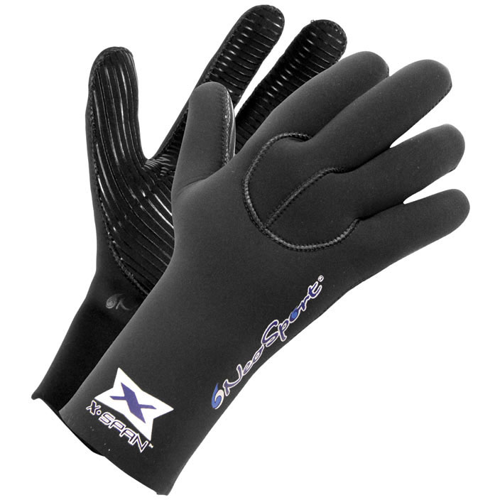
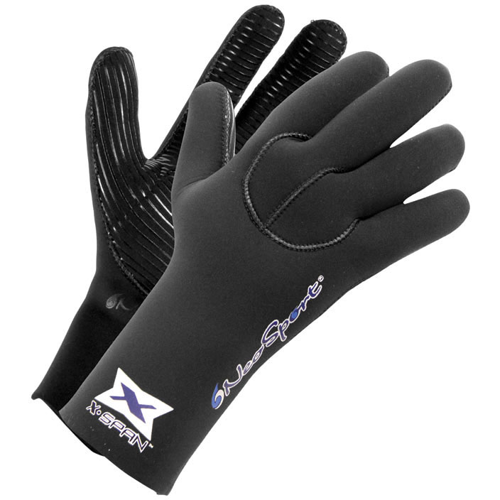
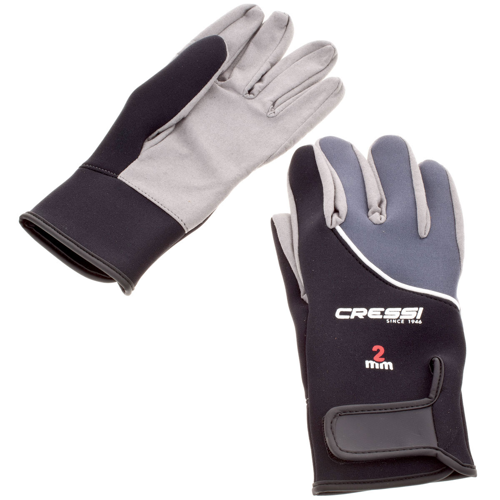
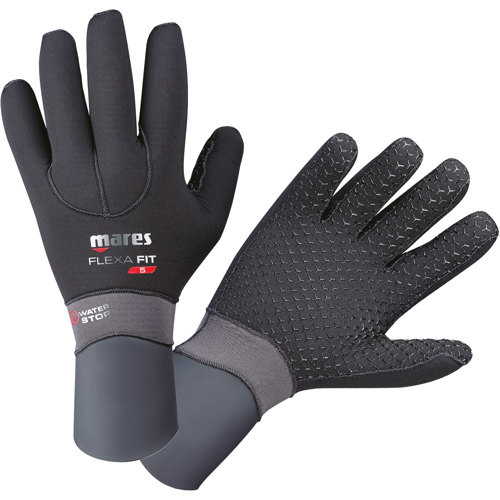
When choosing swimming training gloves, there are several factors to consider to ensure the best fit for your needs. Material is a key consideration, with neoprene being the most common choice due to its flexibility, warmth, and comfortable fit. Neoprene gloves are especially valued during the cooler months or in colder water environments, offering both insulation and durability. For those who swim in a variety of conditions or need gloves that provide extra warmth, exploring options like
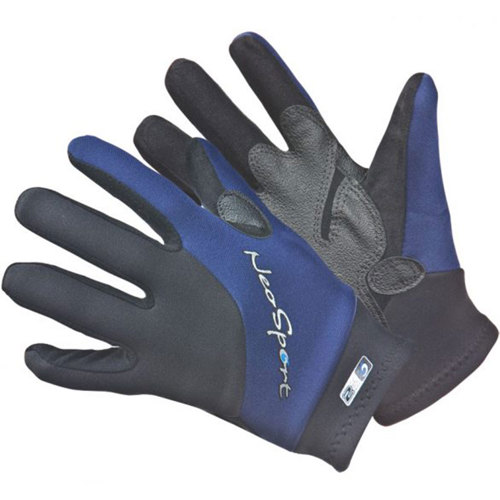
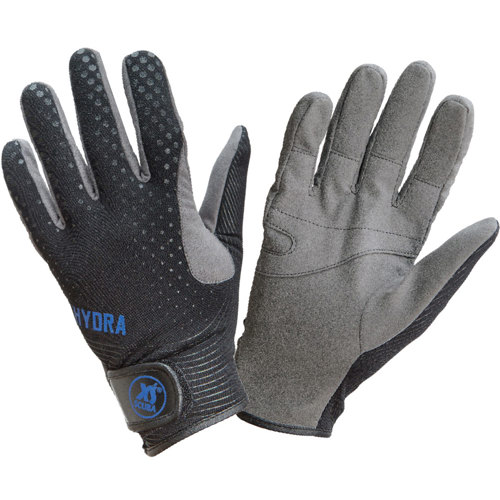
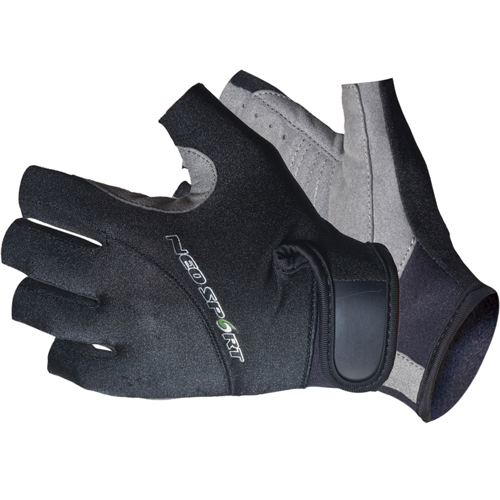
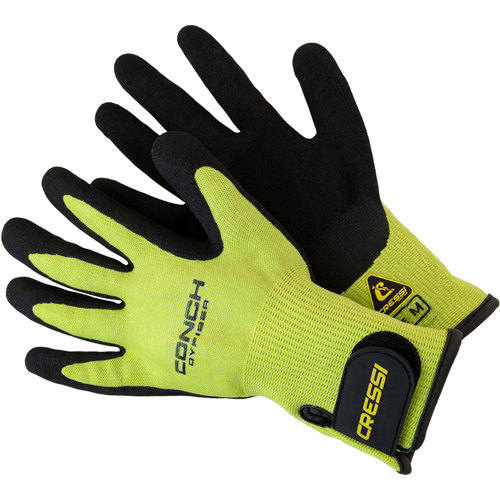
Neoprene Swimming Gloves can be beneficial. Silicone gloves are another option, prized for their durability and enhanced grip, which can be useful for aquatic fitness classes or activities that involve equipment. Fit is equally important; gloves should fit snugly to prevent water from slipping in and out, but not so tight that they restrict movement or circulation. Many designs feature adjustable wrist closures to help achieve a secure and personalized fit. The level of webbing and the thickness of the material also affect the amount of resistance provided, so users can select gloves that match their current fitness level and goals. These gloves are suitable for a wide range of users, from competitive swimmers looking to refine their technique, to casual swimmers seeking a more engaging workout, and even those recovering from injury who require low-impact resistance training.
Swimming training gloves also make a thoughtful and practical gift for anyone who enjoys spending time in the water, whether it’s a friend gearing up for a summer of pool workouts, a family member who participates in water aerobics, or a fellow diver preparing for the season. As the weather warms and outdoor pools, lakes, and beaches become more inviting, these gloves can add a new dimension to familiar routines, making swim sessions more dynamic and rewarding. They are compact and easy to pack, ideal for travel or for tossing into a gym bag alongside other swim essentials. Whether used for fitness, training, or rehabilitation, swimming training gloves offer a versatile way to enhance aquatic exercise, promote muscle development, and keep workouts fresh and challenging throughout the spring and summer months. Their adaptability means they can be enjoyed by swimmers of all ages and skill levels, making them a valuable addition to any water lover’s gear collection.