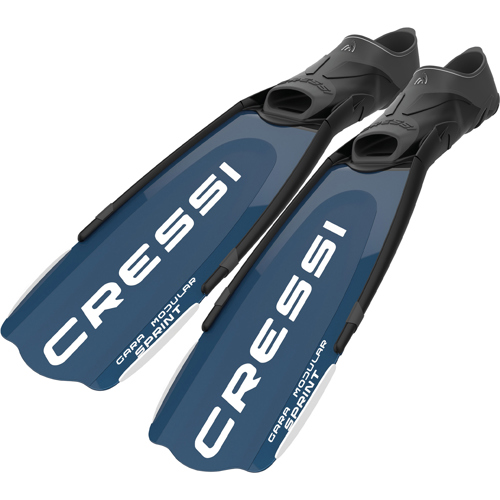
Surfing fins are the unsung heroes of wave riding, transforming an ordinary board into a finely tuned vessel that responds to every nuance of the ocean and every move of the surfer. As spring approaches and the water warms, many surfers begin to assess their gear for the coming season, and fins are at the top of the list for those looking to enhance their performance. The right set of fins can make a world of difference, whether you’re carving down the face of a clean spring swell or gliding through playful beach breaks. Fins are not just a technical necessity—they are a deeply personal choice, reflecting the rider’s style, the type of waves they chase, and even their mood on a given day. Some surfers recall the first time they swapped out a stock fin for something more tailored, suddenly feeling the board come alive underfoot, holding its line with confidence or releasing into a sharp, satisfying cutback. This kind of transformation is why fins are often gifted between surf buddies or family members—an upgrade that’s both thoughtful and practical, perfect for anyone from a dedicated shortboarder to a longboard-loving newcomer eager to find their groove.
When selecting surfing fins, there are several key factors to consider, each contributing to how the board will perform in the water. The fin setup—whether single, twin, thruster, or quad—sets the foundation for the ride. Single fins, with their classic stability and smooth, flowing turns, are a favorite for longboarders and those who appreciate a more traditional approach. Twin fins bring a sense of speed and looseness, ideal for surfers who thrive on quick, playful maneuvers in smaller spring waves. The thruster, or tri-fin, is the most versatile and popular choice, offering a balance of control, drive, and maneuverability that suits a wide range of conditions. Meanwhile, quad setups provide extra speed and hold, often favored in punchier surf where drive and stability are paramount. Beyond the setup, the template or outline of the fin, the amount of rake (how swept back the fin is), and the foil (the cross-sectional shape) all play crucial roles. A fin with a high rake allows for tighter turns and more responsive surfing, while a low rake offers speed and drive down the line. The size of the fin is equally important—larger fins anchor the board for more hold and control, while smaller fins deliver a looser feel, perfect for those who like to slide and pivot with ease. Materials also matter; stiffer fins provide immediate response, while more flexible fins offer a smoother, forgiving ride. Many surfers find that experimenting with different combinations is the best way to discover what works for their style and the waves they frequent.
For those new to surfing or looking to upgrade, fins are a fantastic gift that can instantly elevate the surfing experience. Experienced surfers often keep a quiver of fins on hand, swapping them out depending on the day’s conditions or the board they’re riding. It’s not uncommon to see a group of friends on the beach, comparing setups or trading fins to try something new. As the season changes and waves become more consistent, now is an excellent time to revisit your fin choices or introduce someone to the benefits of a well-matched fin set. Whether you’re searching for more grip on steep faces, extra speed to make it around a section, or just a new feel under your feet, the right fins can unlock new possibilities in every session. For those interested in exploring fins designed for specific surf styles or other water sports, take a look at our comprehensive collection of
Sport Specific Fins to find the perfect match for your next adventure.