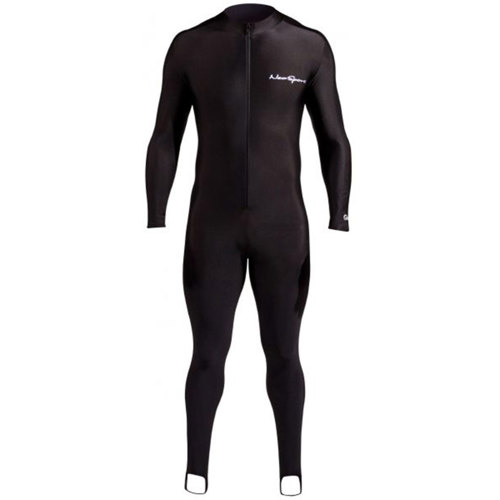
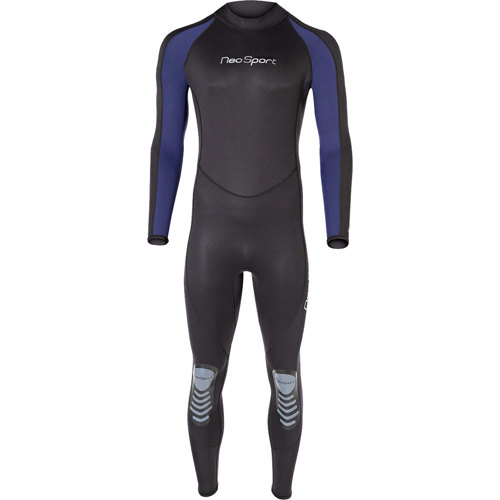
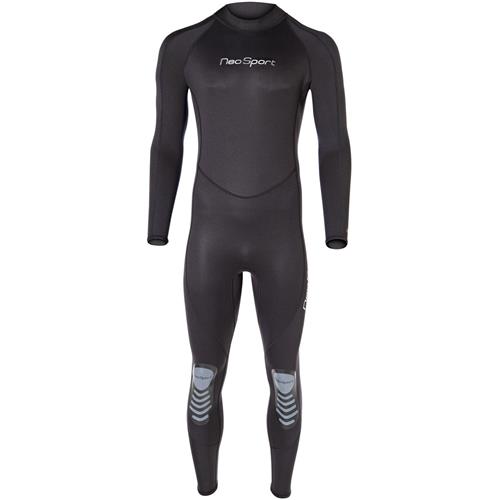
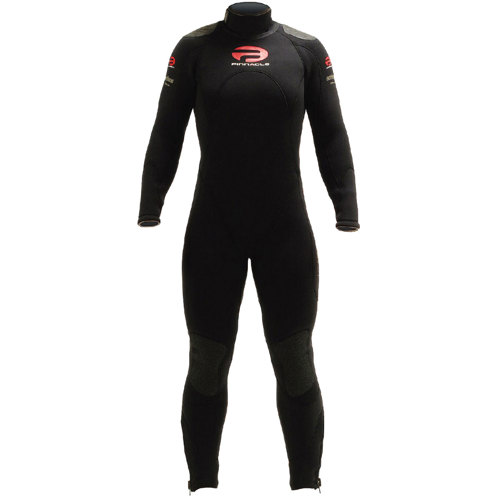
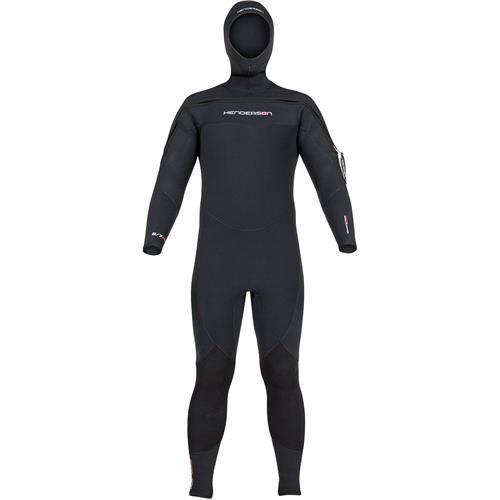
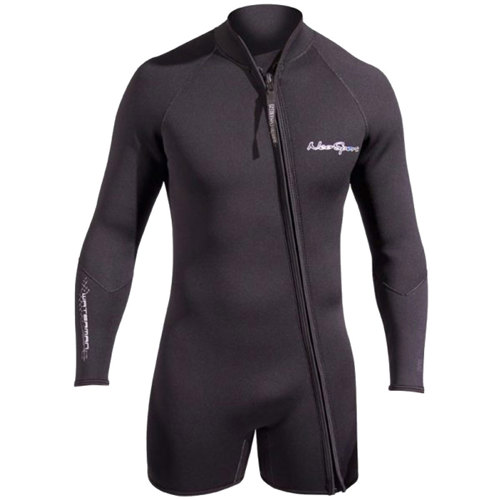
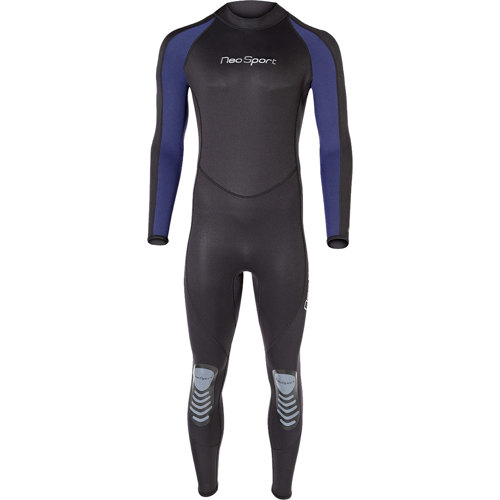
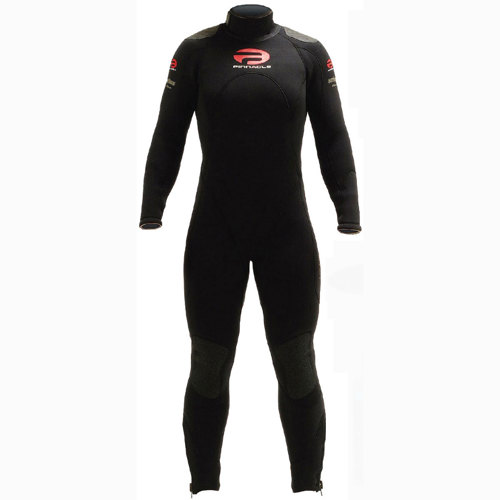
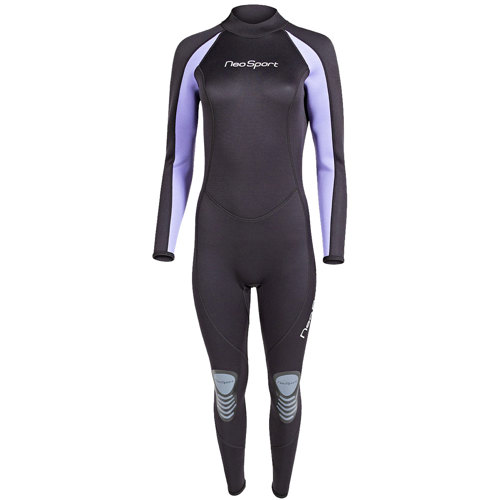
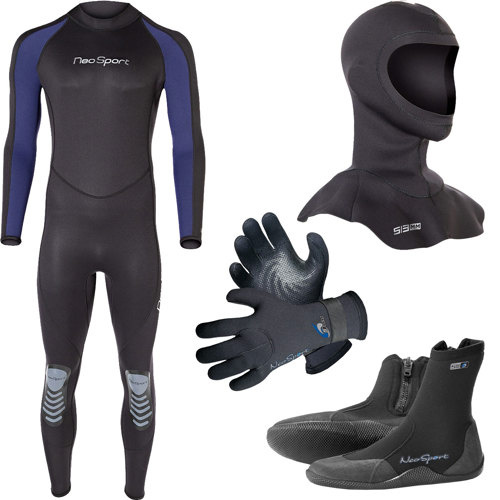
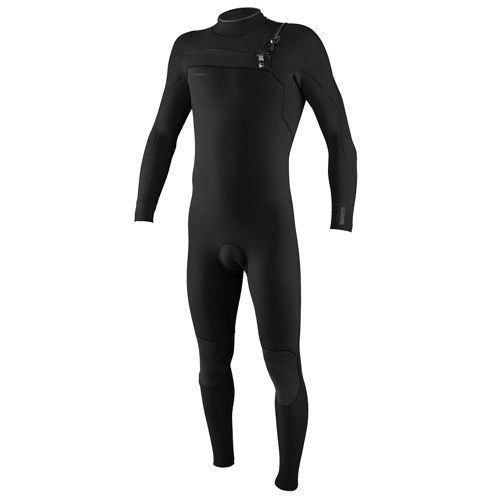
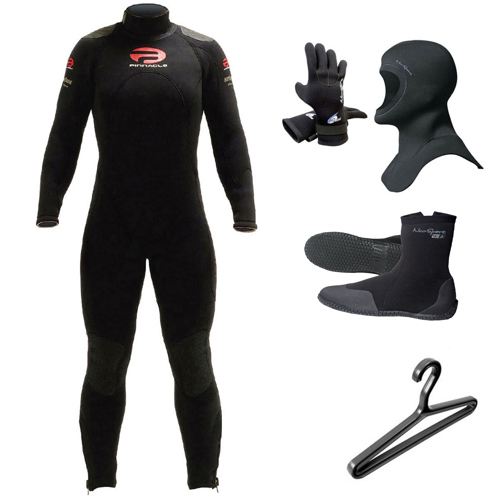
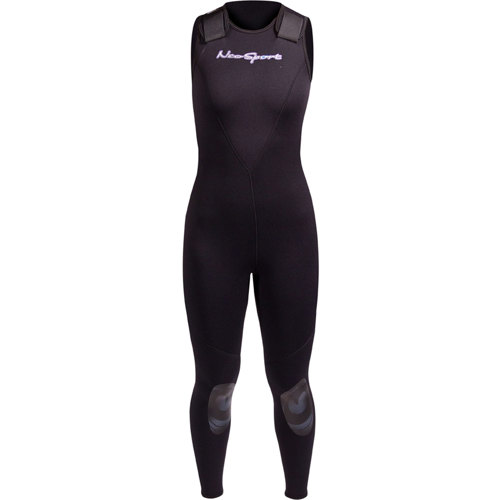
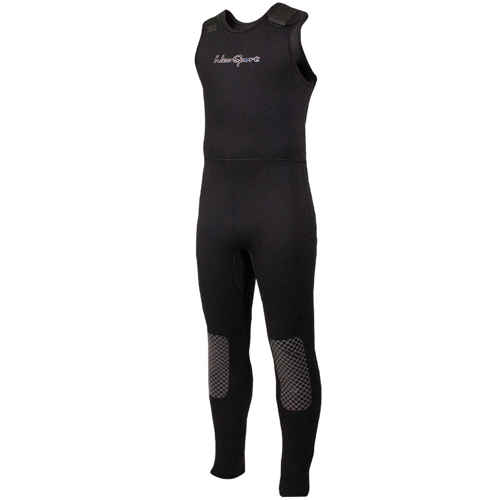
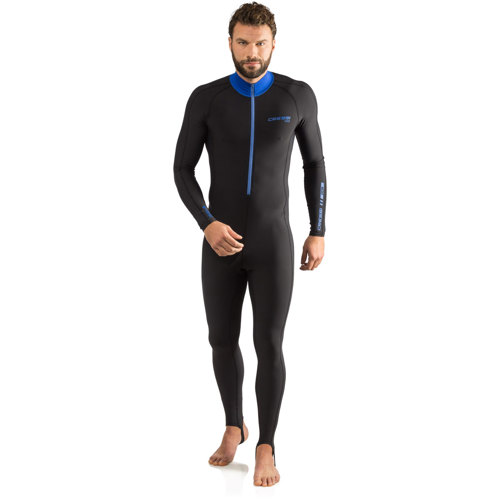
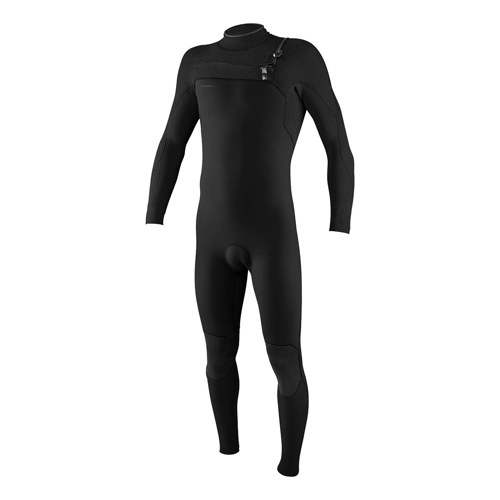
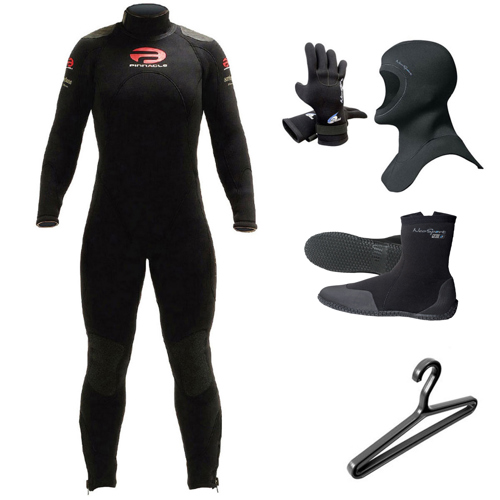
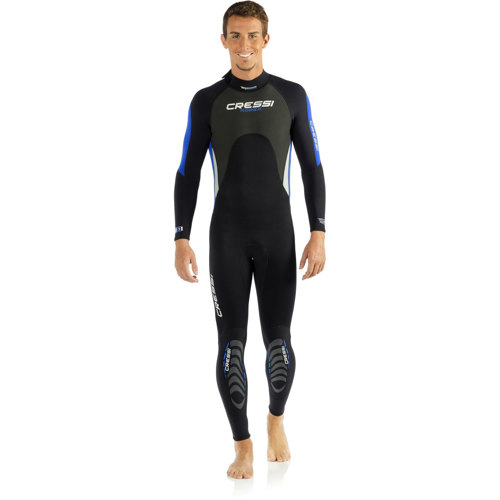
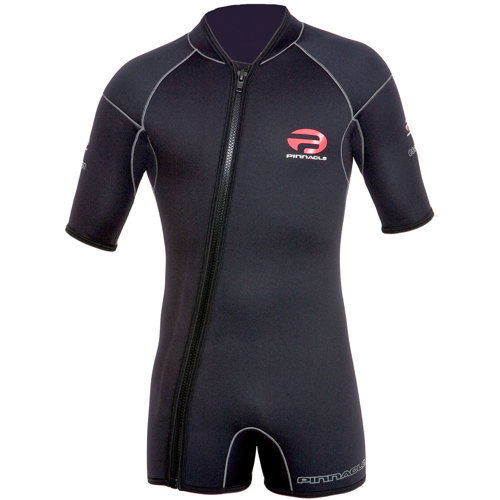
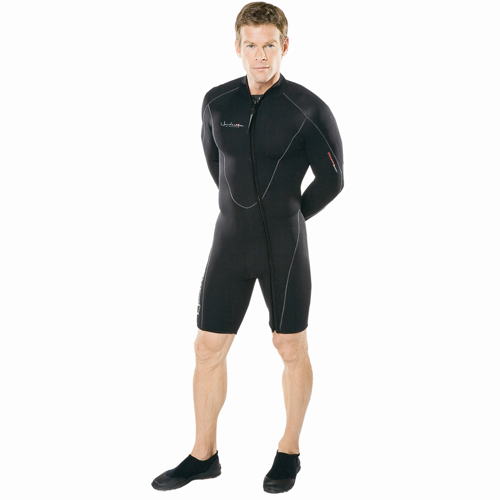
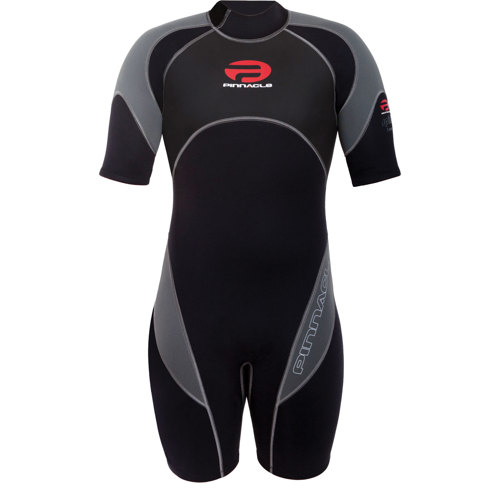
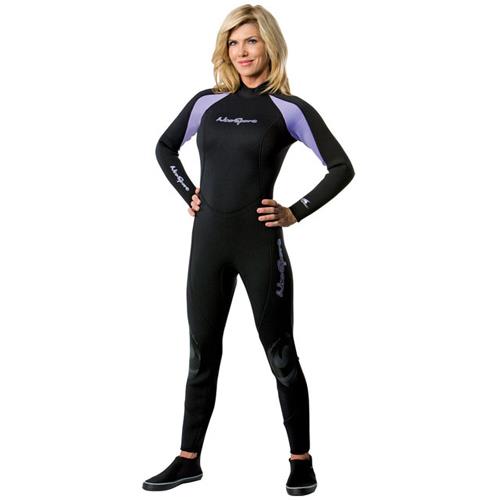
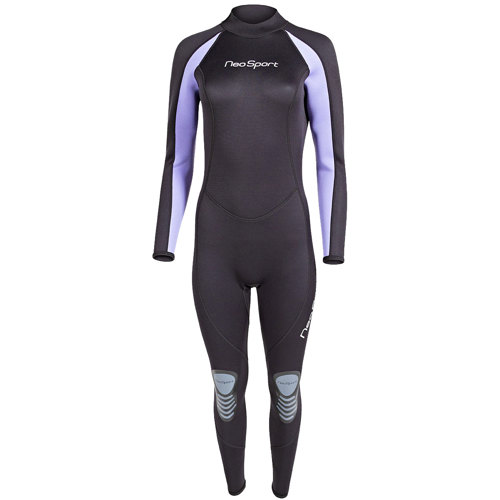
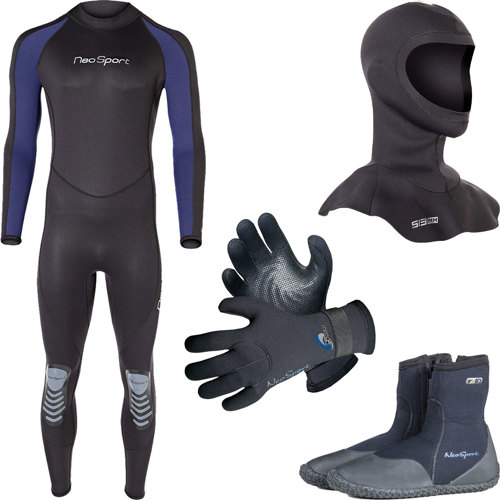
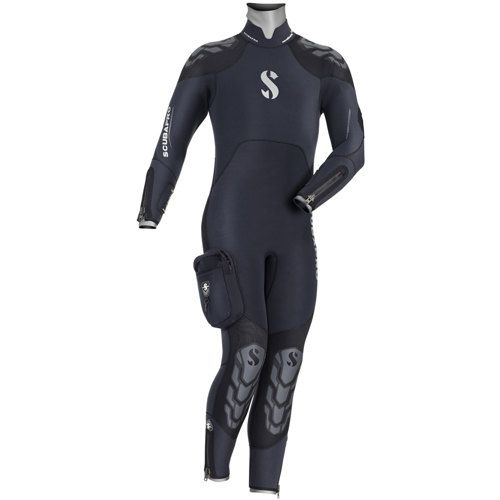
When preparing for dive training, the right suit is essential for both comfort and safety, especially as the water temperatures begin to drop in November. Whether you’re a new student taking your first open water course or an experienced diver pursuing advanced certifications, the suit you choose will have a direct impact on your experience. The primary consideration is water temperature, as this determines whether a wetsuit or a drysuit is most appropriate. Wetsuits, typically constructed from neoprene, are designed to trap a thin layer of water against your skin, which your body then warms. This provides insulation and is ideal for temperate and warmer waters. Thickness matters: a 3mm wetsuit is a staple for tropical or pool training, while a 5mm or 7mm suit is better suited for cooler environments or for those who tend to feel the cold more acutely. Semi-dry suits, with their reinforced seals and zippers, offer a middle ground, minimizing water exchange and providing extra warmth during longer training sessions or in brisker conditions.
Drysuits, on the other hand, are the go-to choice for cold water training, especially as winter approaches and water temperatures dip below 15°C (59°F). These suits keep you completely dry by sealing out water and allowing you to layer insulating garments underneath, making them indispensable for divers in northern climates or those training at depth, where water temperatures remain chilly year-round. There are several types of drysuits to consider: membrane drysuits are lightweight and flexible, making them a favorite for travel and moderate temperatures, while neoprene drysuits offer superior insulation for extended cold-water sessions. Trilaminate and crushed neoprene suits provide a balance of durability and warmth, often favored by instructors and technical divers who spend long hours in the water. It’s important to note that drysuit diving requires additional training to master buoyancy control, as the air inside the suit behaves differently than in a wetsuit. Many dive training programs include a dedicated drysuit module, ensuring divers are confident and safe in their new gear.
Selecting the right suit for dive training is about more than just warmth—it’s about fit, flexibility, and personal comfort. A well-fitting suit should feel snug without restricting movement, as mobility is key for practicing skills like mask clearing, buoyancy control, and emergency procedures. Many divers recall their early training dives, shivering through the final skills because their suit was too thin or ill-fitting, which can detract from the learning experience. Investing in a suit that fits your body type and matches the local water conditions can make all the difference, turning a cold, uncomfortable dive into a positive memory that fuels your passion for the sport. These suits also make thoughtful gifts for aspiring divers—whether it’s a teenager starting their first certification course, a friend preparing for a dive holiday, or a family member pursuing professional training. With the holidays approaching, a high-quality training suit is a practical and appreciated present that supports safe, enjoyable diving year-round. For those looking to explore more specialized gear, such as suits designed for competitive events, you can find a curated selection on our
Suits For Dive Competitions page. No matter your training path, choosing the right suit ensures you’re prepared for every underwater adventure, from the first pool session to open water mastery.