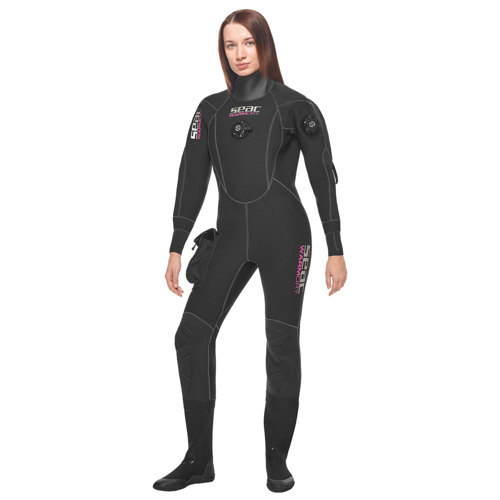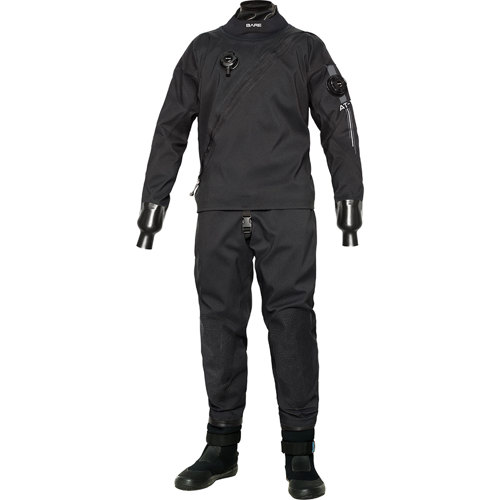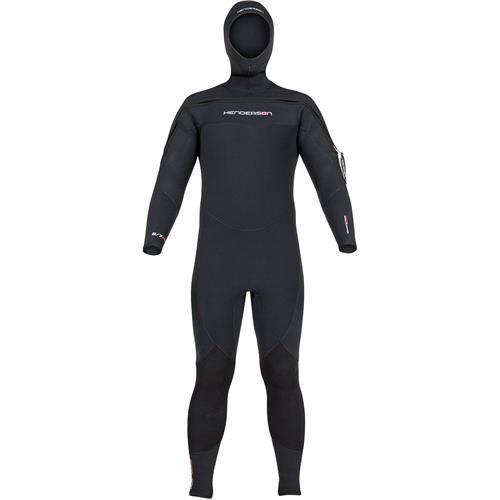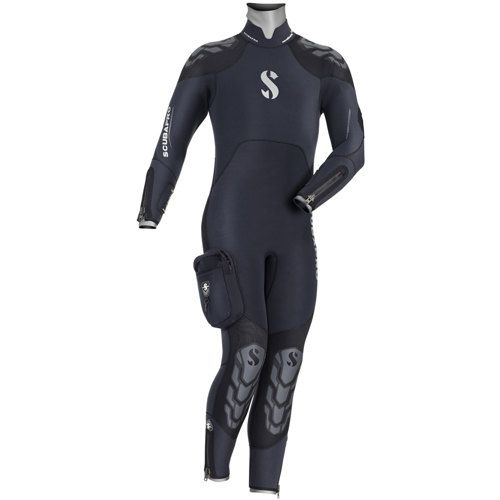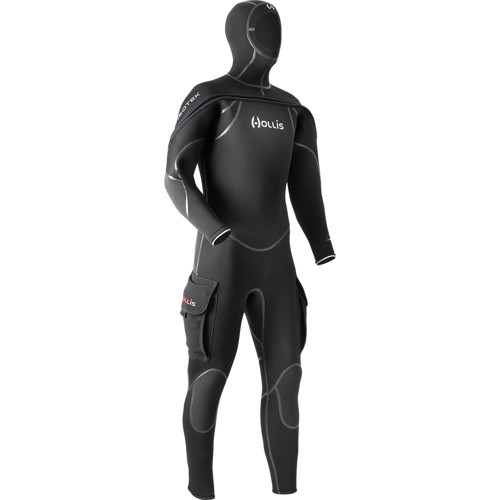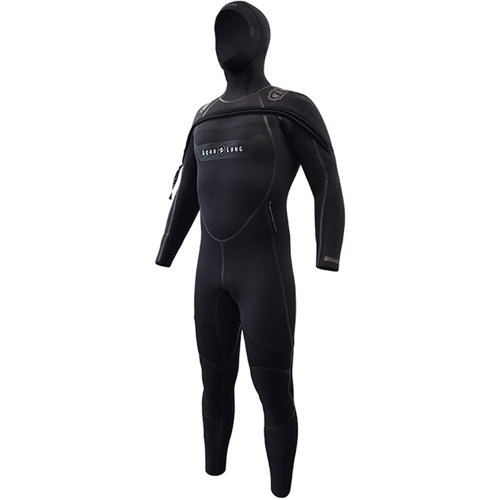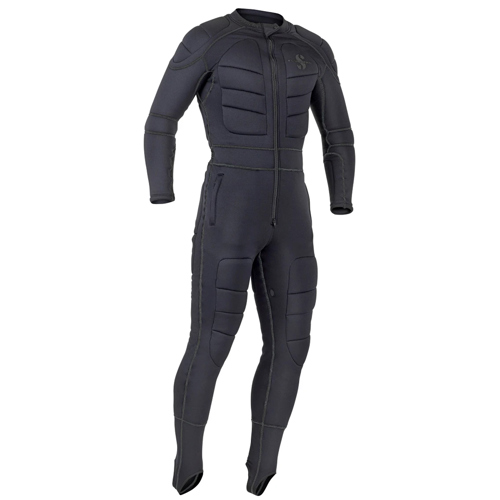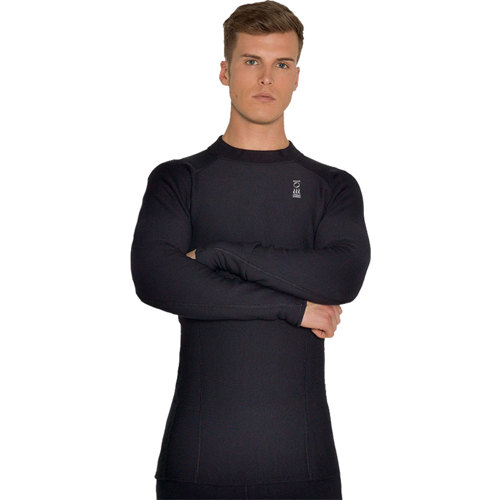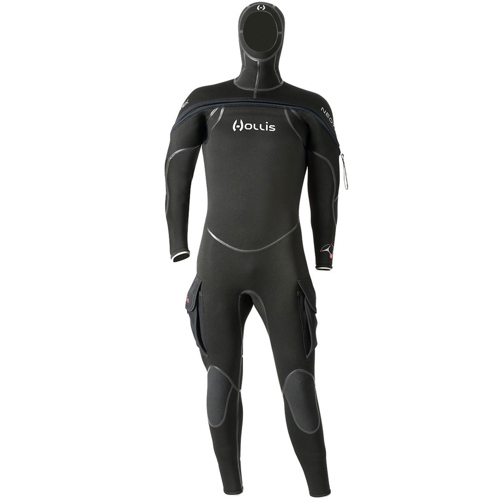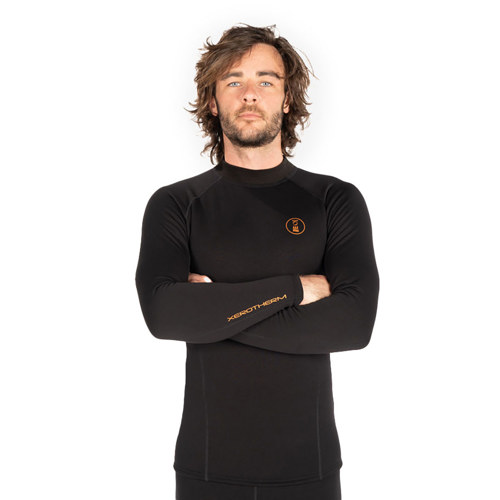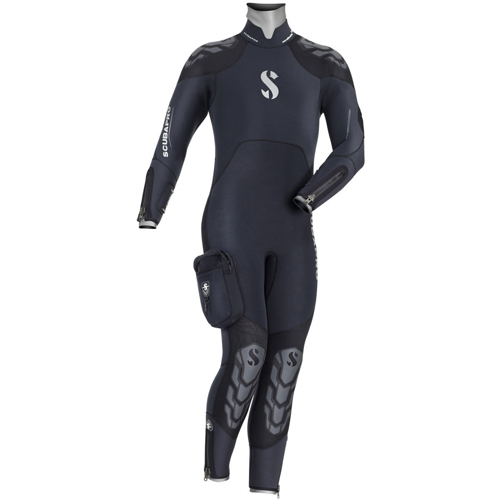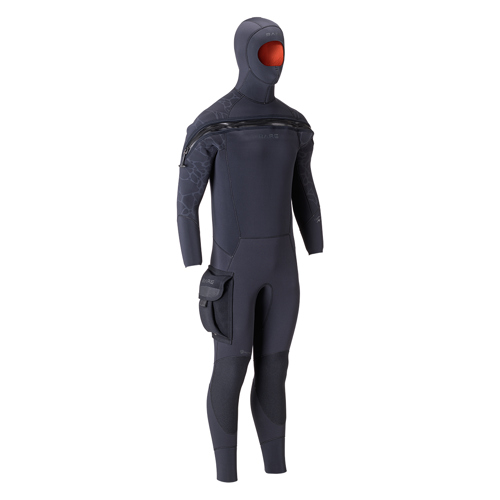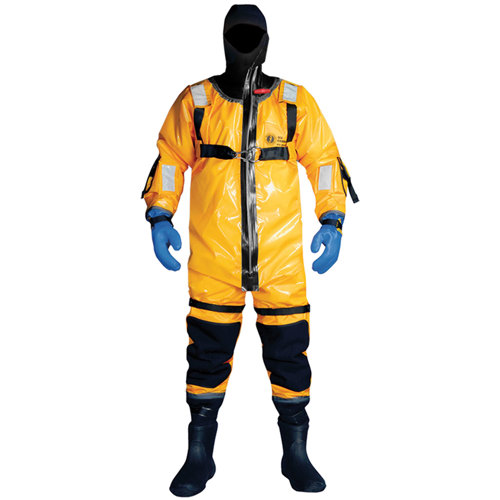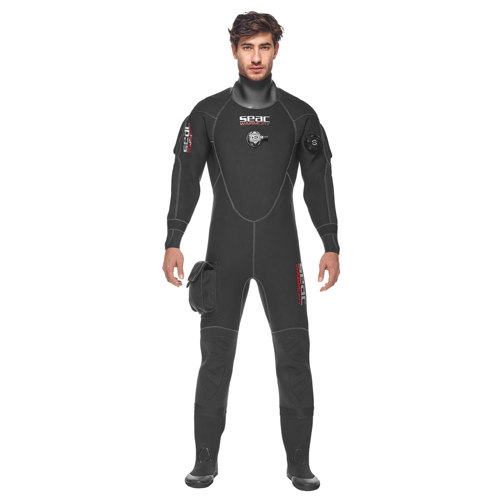
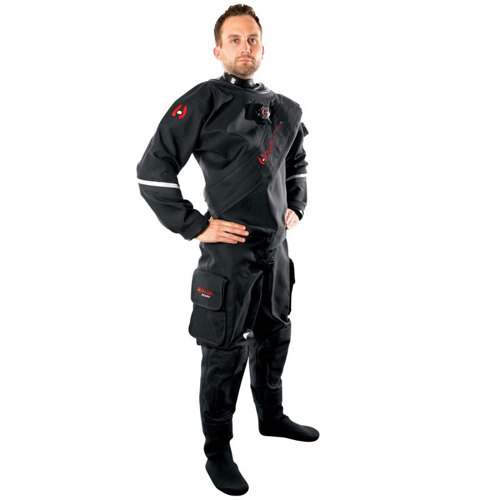
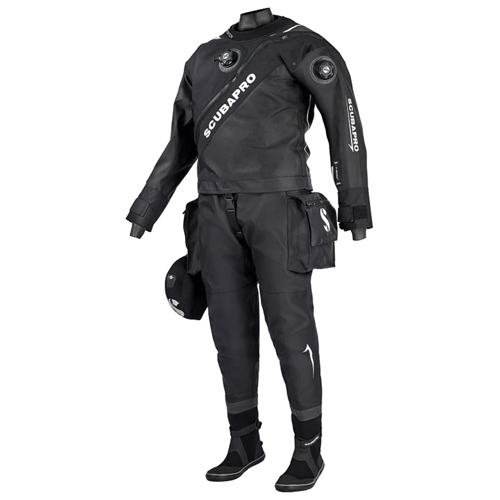
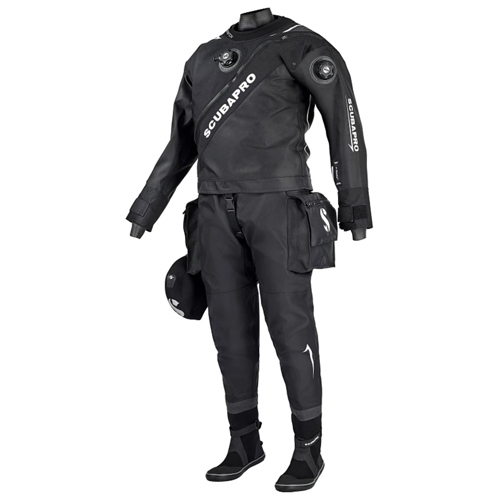
Exploring the underwater world in winter or colder climates brings a unique set of challenges and rewards, and stability drysuits are an essential piece of gear for divers seeking comfort, warmth, and precise control beneath the surface. As the cold grip of January settles in, many divers look to extend their season or explore new environments where water temperatures demand more than a wetsuit can provide. Stability drysuits are designed with features that support both seasoned professionals and those new to drysuit diving, enabling safe and enjoyable experiences even in the chilliest conditions. The hallmark of a stability drysuit is its ability to help the diver maintain consistent buoyancy and trim, minimizing unwanted movements and allowing for effortless positioning at depth. This is achieved through a combination of snug, ergonomic fit, advanced materials that provide insulation without bulk, and well-designed inflation and deflation systems. For those considering a drysuit for the first time, it’s important to understand that proper fit is paramount—not just for comfort, but for effective buoyancy control. The suit should allow room for thermal undergarments while maintaining secure seals at the wrists, neck, and ankles to prevent leaks and maintain stable internal air volume.
Drysuit diving introduces a new layer of technique, as the suit itself becomes a key component of buoyancy control. Unlike wetsuits, which rely on the compression of neoprene, drysuits trap a layer of air between the diver and the water. As you descend, the pressure compresses this air, requiring careful management of the suit’s valves to maintain neutral buoyancy. Ascending, the expanding air must be vented to prevent uncontrolled rises. Divers often share stories of their first drysuit dives, where mastering the balance between suit inflation and weight distribution transforms the experience—suddenly, hovering motionless over a kelp forest or gliding alongside a shipwreck becomes a matter of subtle adjustments and practiced skill. For those gifting a stability drysuit, it’s an investment in safety and adventure, particularly for loved ones who are passionate about year-round diving or travel to destinations where water temperatures can be unpredictable. These suits are also a thoughtful choice for dive instructors, scientific divers, and underwater photographers who need to remain still for extended periods to observe marine life or capture the perfect shot. Instructors often recommend that new drysuit users take a specialty course to build confidence and refine their technique, ensuring that each dive is as enjoyable as it is safe.
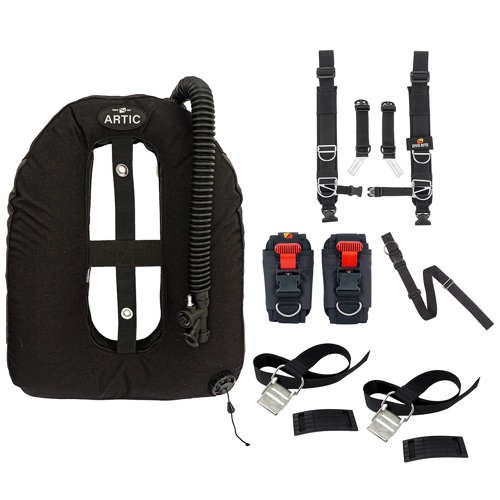
When selecting a stability drysuit, consider the types of diving you or your recipient plan to pursue. Features such as reinforced knees, adjustable suspenders, and easy-to-operate valves can make a significant difference in comfort and performance. The right weighting system is also crucial, as drysuits inherently add buoyancy and require careful balance to achieve the desired trim. Many divers find that investing in a personalized fitting session or consulting with experienced staff helps demystify the process and leads to a suit that feels like a second skin. Whether you’re preparing for cold-water adventures at home or planning a trip to explore new dive sites abroad, stability drysuits are a versatile and indispensable tool. For those with wanderlust, lightweight options designed for travel are available and can be explored further at our
Travel Drysuits page. Ultimately, the right stability drysuit opens a world of possibilities, transforming winter’s chill into an invitation for discovery and ensuring that every dive is marked by comfort, control, and unforgettable underwater moments.