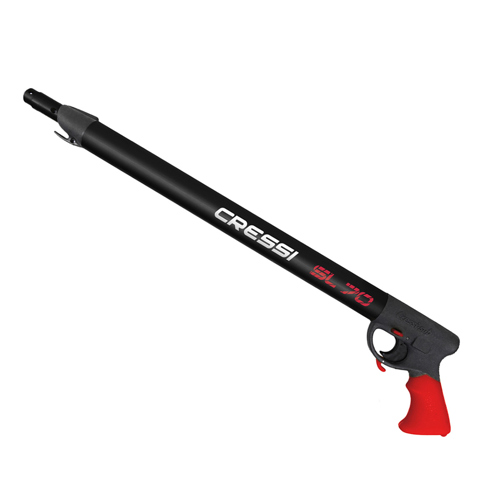
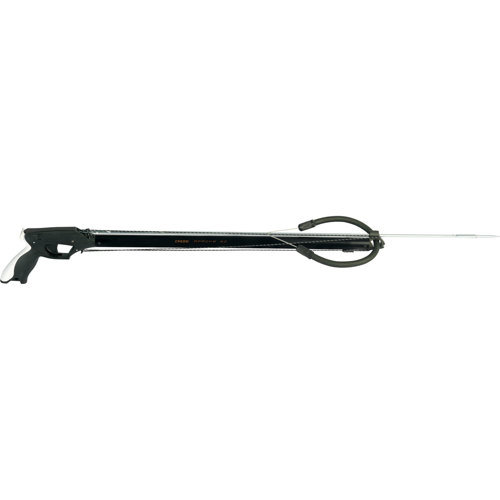
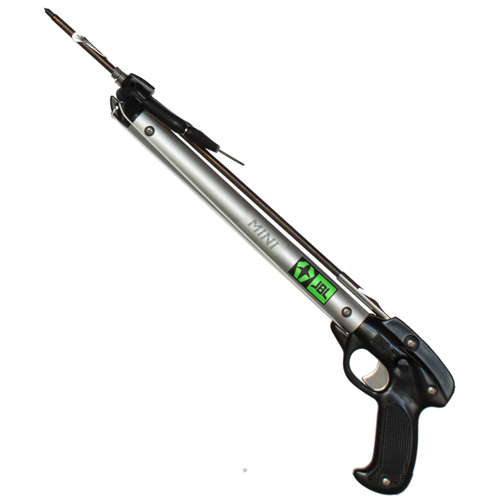
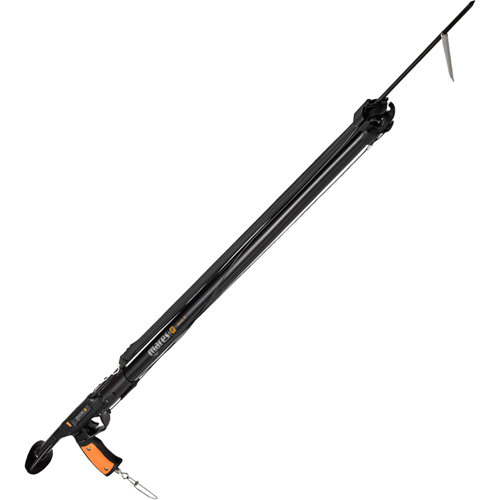
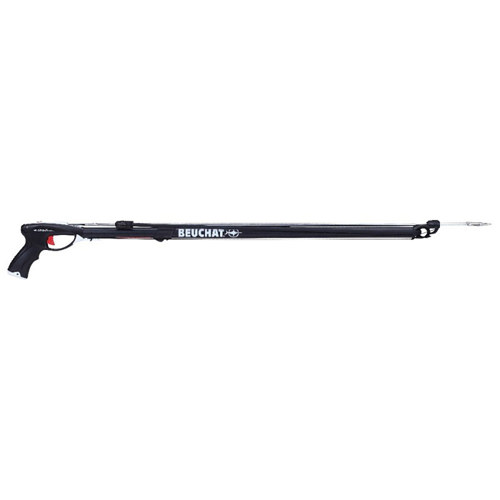
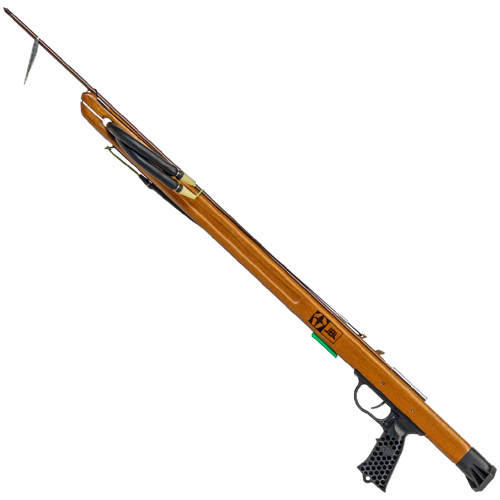
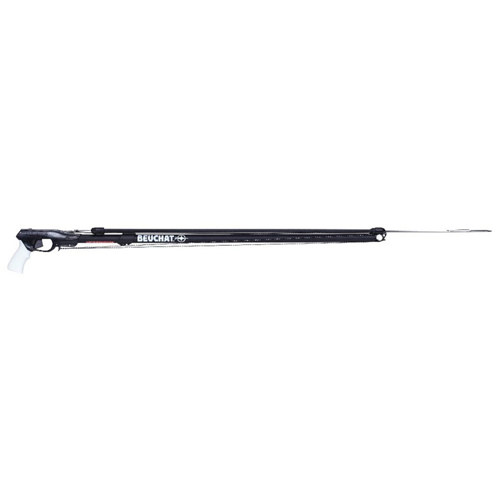
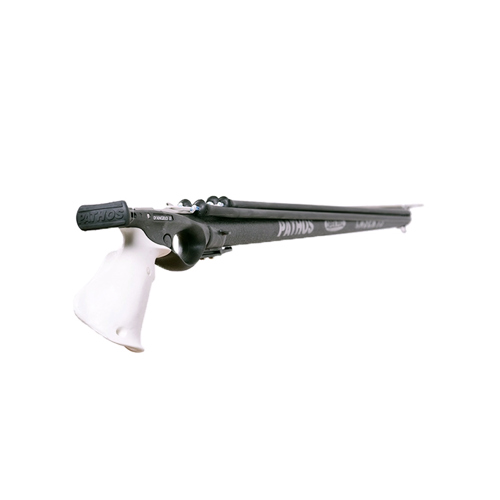
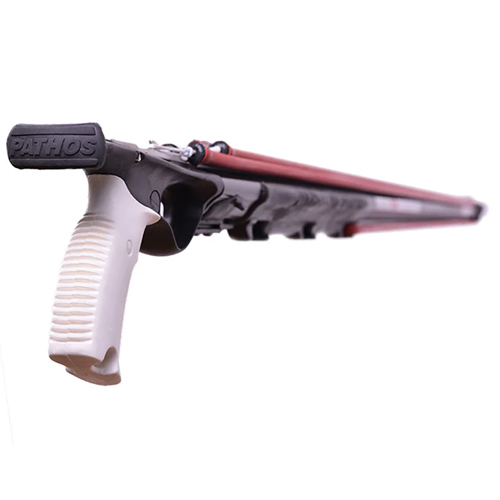
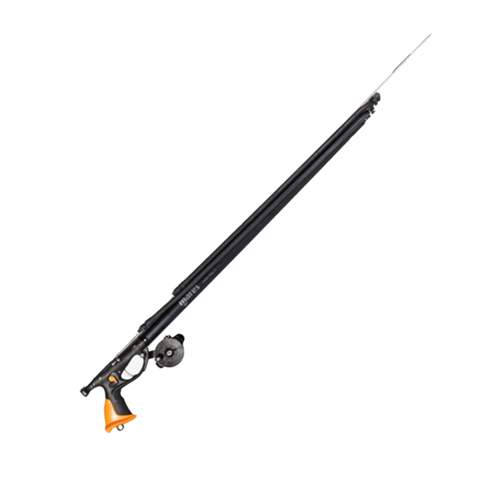
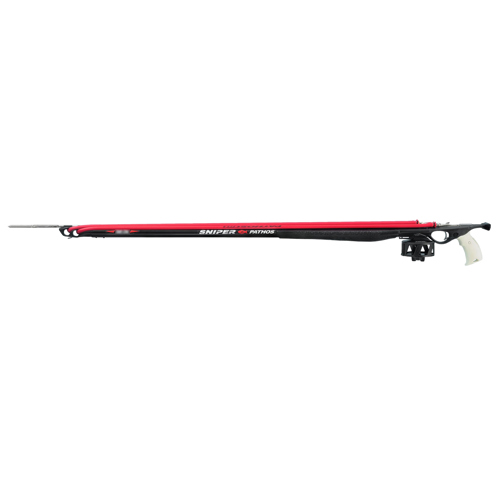
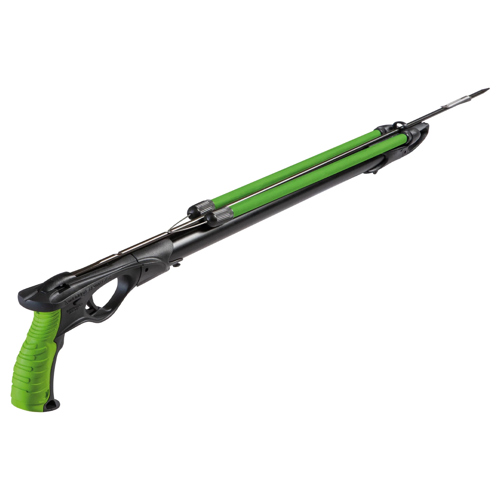
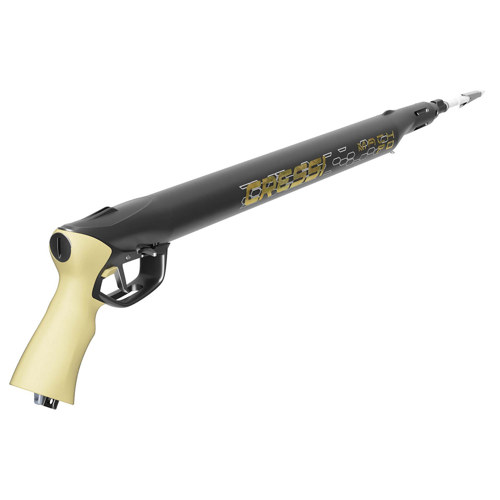
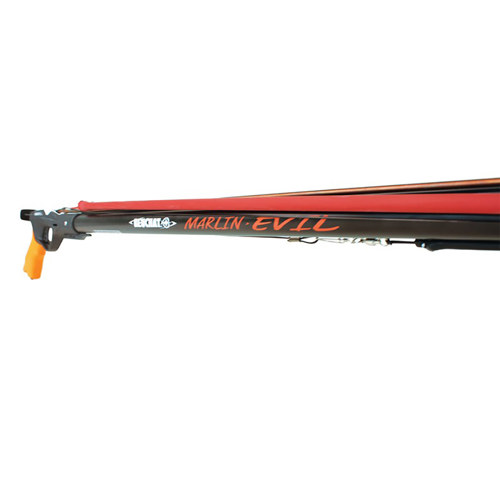
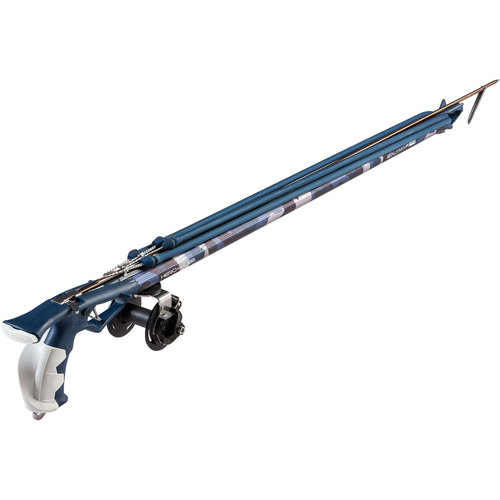
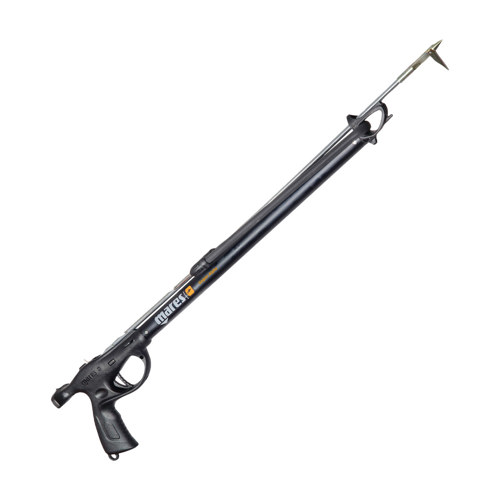
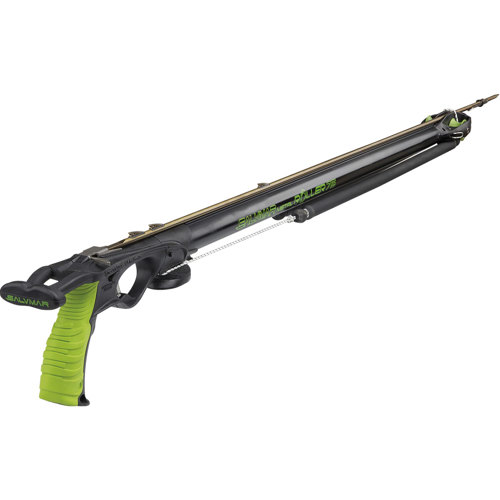
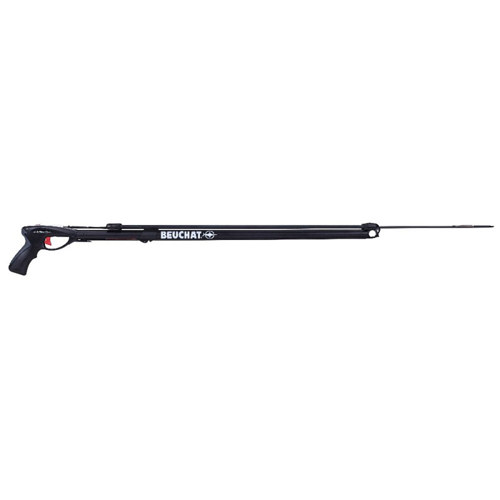
Speargun propulsion is at the heart of every successful spearfishing adventure, shaping not only the performance of your gear but also the entire underwater experience. Whether you’re gearing up for your first foray into the world of spearfishing or you’re a seasoned diver refining your setup, understanding the nuances of propulsion systems can make all the difference. The two primary methods—band-powered and pneumatic propulsion—each offer their own unique characteristics, advantages, and considerations. Band-powered spearguns, often recognized by their robust latex bands, are a classic choice favored for their reliability and straightforward mechanics. Loading these guns requires the diver to manually stretch and secure the bands, a task that becomes second nature with practice. When the trigger is squeezed, the stored energy in the bands is unleashed, propelling the spear shaft forward with impressive force. Within the band-powered category, you’ll find both traditional and roller systems. Roller spearguns, with their innovative pulley mechanisms, maximize band efficiency by maintaining propulsion along the entire barrel length, resulting in greater power and reduced recoil for the same overall size. These features make band-powered spearguns a versatile option, well-suited for open water hunting, reef exploration, and even for gifting to someone enthusiastic about ocean sports. The tactile experience of loading and firing a band gun is deeply satisfying, and many divers cherish the ritual as part of their connection to the sea.
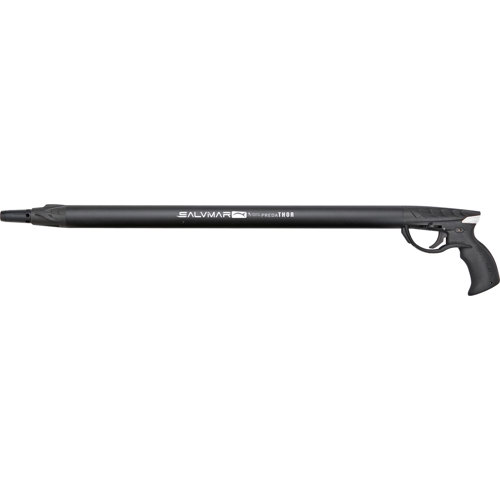
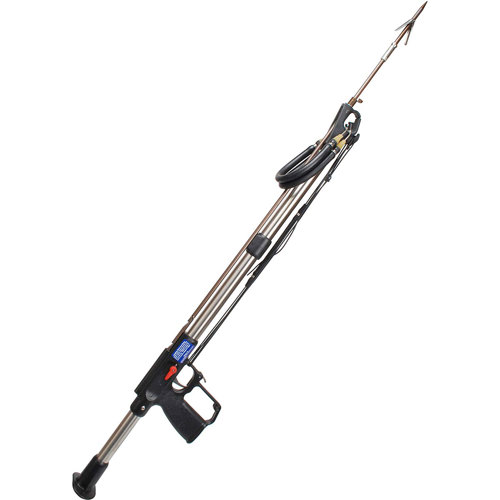
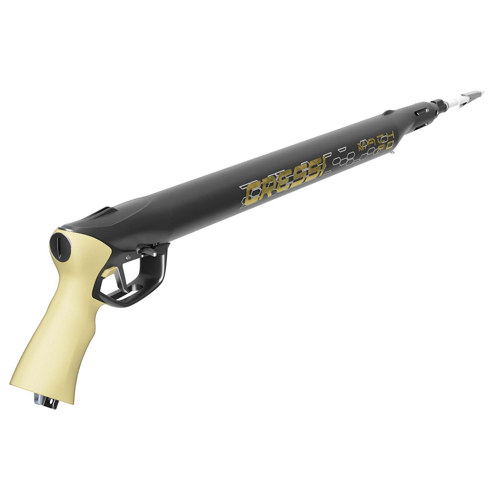
Pneumatic spearguns, on the other hand, rely on compressed air to deliver their punch. These guns store pressurized air in an internal chamber; as you load the shaft, you compress a piston against this air, and a pull of the trigger releases the energy in a swift, controlled burst. Pneumatic propulsion shines in situations where compactness, power, and maneuverability are paramount—think hunting in kelp forests, rocky crevices, or while traveling to remote dive locations where packing space is at a premium. Their streamlined design and the absence of exposed bands make them less prone to tangling and more resilient to the elements over time. However, pneumatic systems do introduce a bit more complexity in terms of maintenance and may require specialized pumps for recharging air pressure. For divers who appreciate technical gear and enjoy tinkering with their equipment, pneumatic spearguns can be a rewarding choice. They are also a thoughtful gift for experienced spearos looking to expand their arsenal or for those who regularly dive in varied conditions. Regardless of which propulsion style you choose, it’s important to consider factors such as your physical strength, preferred hunting environments, and how much time you’re willing to dedicate to upkeep. As the weather warms and dive conditions become more inviting, many divers take the opportunity to upgrade or fine-tune their gear, ensuring their speargun propulsion matches the challenges and excitement of the season ahead.
Selecting the right propulsion system is more than a matter of raw power—it’s about matching your equipment to your personal style and the unique demands of your favorite dive spots. The dense underwater environment naturally limits spear velocity, so finding the balance between propulsion force, accuracy, and manageable recoil is crucial. Overpowering a gun can lead to wrist fatigue and diminished accuracy, while underpowered setups may struggle with larger or more elusive fish. For those who like to stay on the cutting edge, exploring innovations in propulsion—such as hybrid or spring-assisted mechanisms—can open up new possibilities for both recreational and competitive spearfishing. If you’re interested in the latest advancements, be sure to visit our dedicated page on
Spring Loaded Spearguns for a closer look at emerging technologies that are reshaping the sport. Whether you’re shopping for yourself or searching for a gift that will inspire adventure and skill-building, investing in a well-matched speargun propulsion system is a decision that pays off with every dive. The right setup not only enhances your effectiveness underwater but also deepens your connection to the rhythms and mysteries of the ocean.