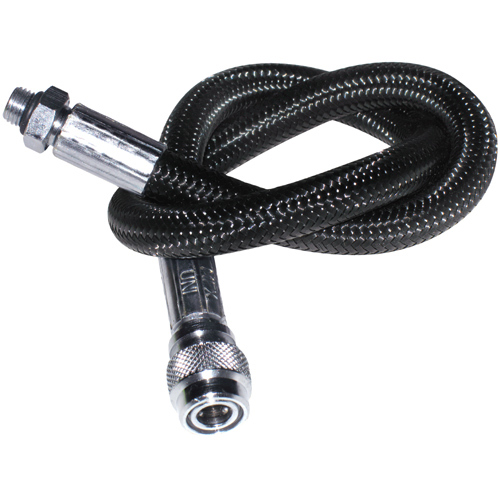
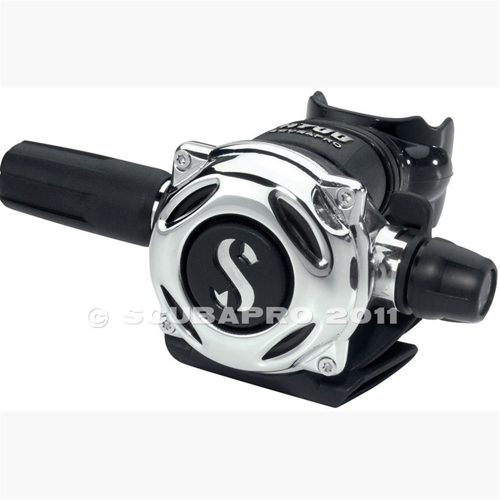
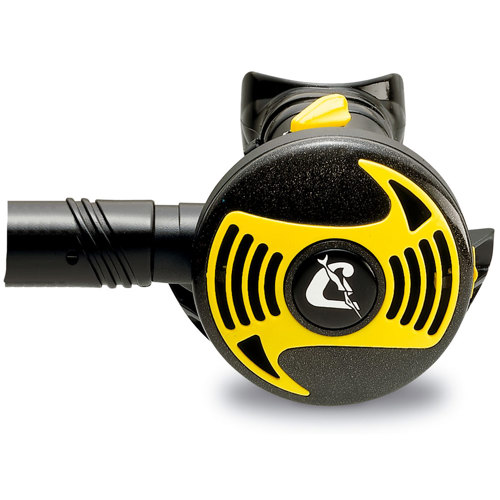
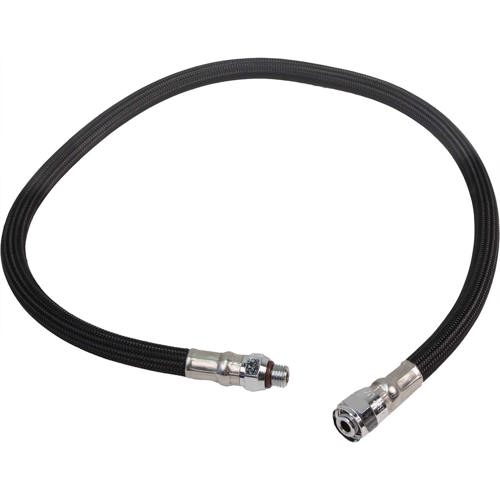
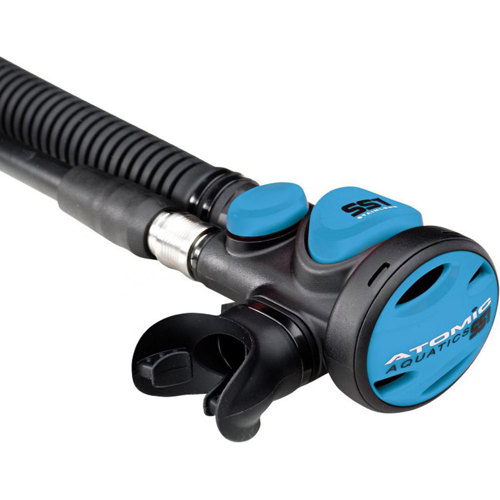
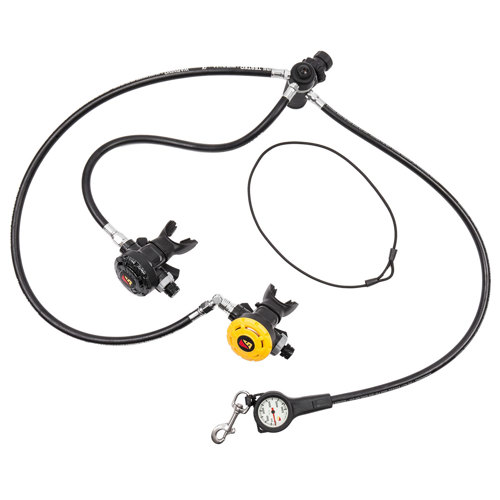
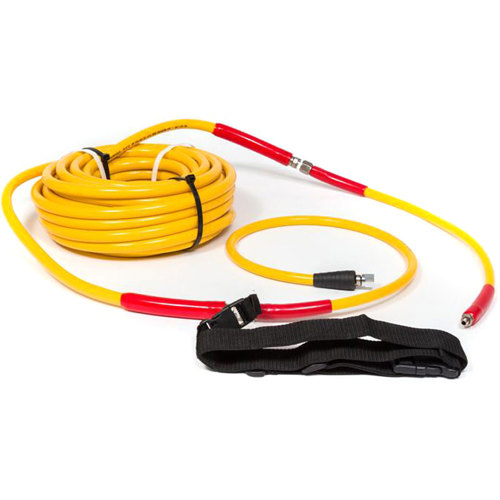
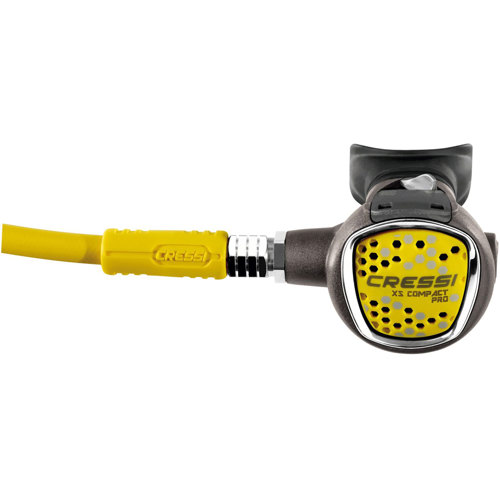
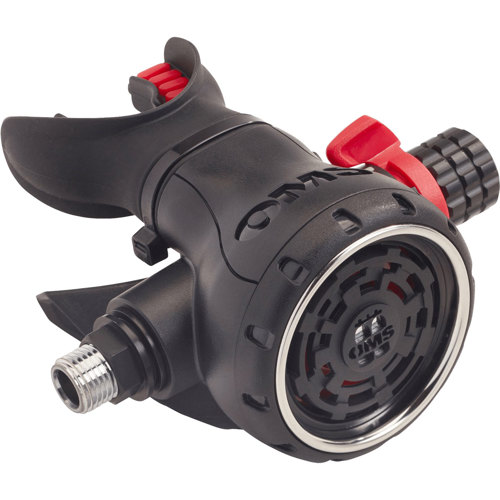
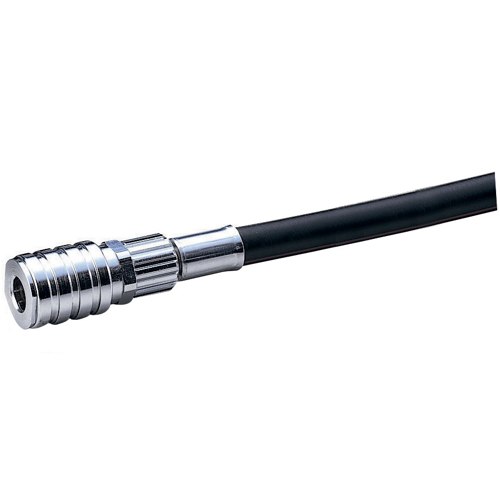
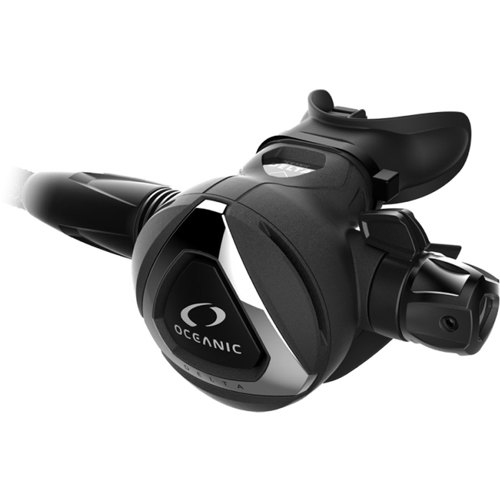
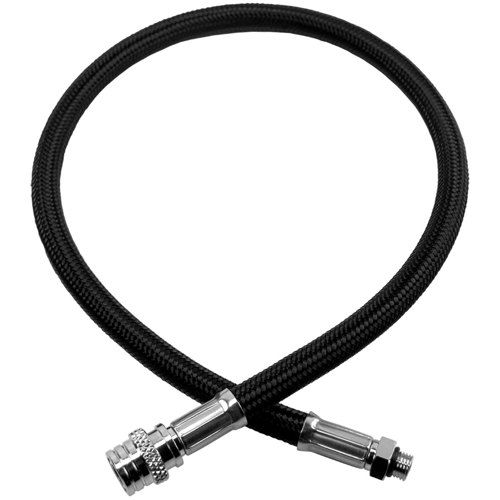
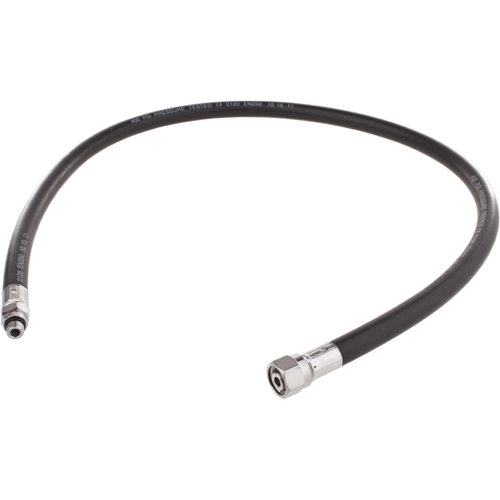
Second stage hoses are a vital component in every diver’s kit, forming the crucial link between the first stage regulator and the second stage mouthpiece. Whether you’re gearing up for early spring dives as the water begins to warm or preparing for a summer of underwater adventures, the reliability and performance of your second stage hose can make all the difference in your comfort and safety below the surface. These low-pressure hoses are engineered to deliver air at a consistent intermediate pressure, typically around 10 bar or 145 psi, ensuring that each breath underwater is smooth and effortless. Over years of diving, many enthusiasts come to appreciate the importance of choosing the right hose length and material for their specific style of diving—be it recreational, technical, or even professional instruction. Primary hoses commonly measure 28 to 30 inches, providing an ideal balance of flexibility and minimal drag, while alternate air sources (octopus) are often set up with longer hoses, ranging from 40 to 60 inches or more, to facilitate air sharing in emergency situations or for use in overhead environments like caves or wrecks. Technical divers, in particular, may select hoses up to 84 inches to accommodate more complex configurations and ensure unrestricted movement during intricate dives.
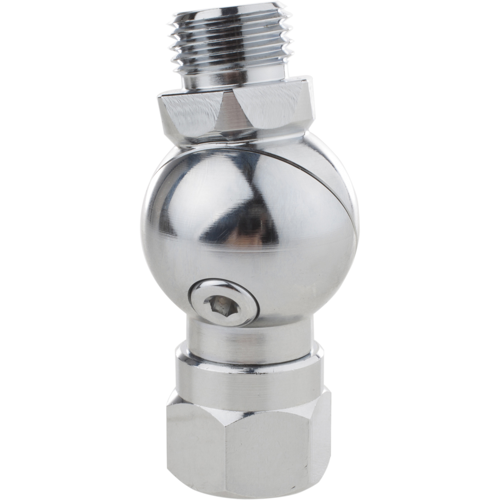
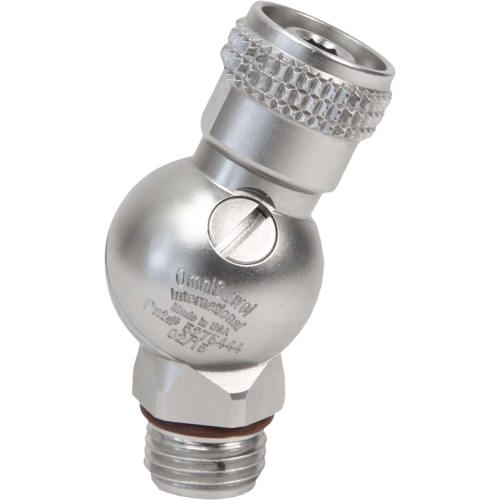
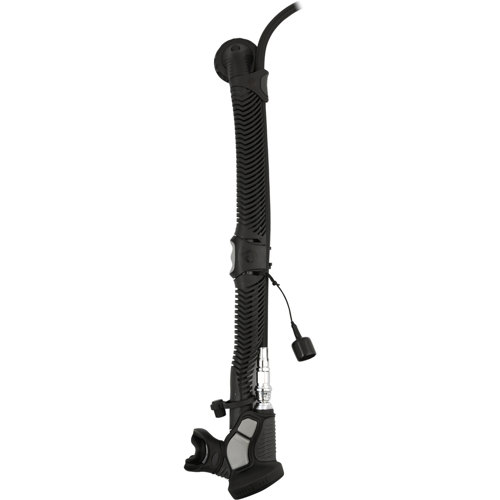
When selecting a second stage hose, several factors come into play that can impact your underwater experience. Material choice is one of the first considerations divers face; classic rubber hoses offer tried-and-true durability and weight, while modern braided synthetics provide increased flexibility, kink resistance, and often, a lighter feel that reduces jaw fatigue on longer dives. For those who frequently travel or dive in varying conditions, braided hoses can be a game-changer, easily coiling into a travel bag and standing up to the rigors of salt, sand, and sun. Length is another key aspect, tailored to your equipment setup and diving style. Shorter hoses are often favored for streamlined recreational setups, while longer hoses are essential for technical or overhead diving where hose routing and buddy air sharing are critical. Comfort features such as swivel connectors or a flexible dive joint at the mouthpiece can further enhance ease of movement, reducing strain and allowing for more natural head turns. Many divers find that these small upgrades can transform the feel of their entire regulator system, especially during multi-dive days or when navigating challenging conditions. For those curious about what is the most important feature of a scuba regulator, many experts point to a reliable, consistent air delivery system—something that depends as much on the hose as the regulator itself.
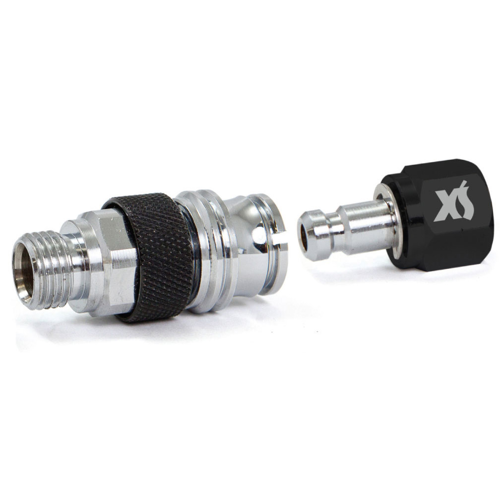
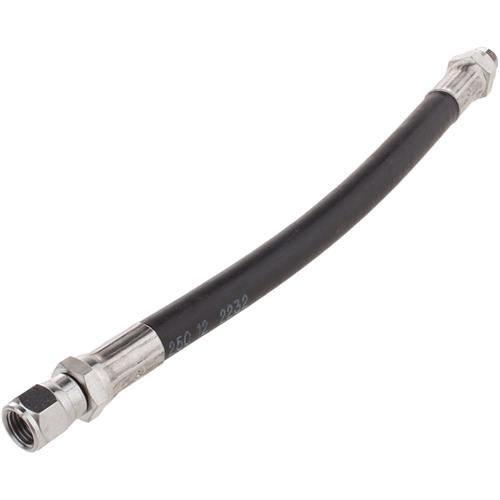
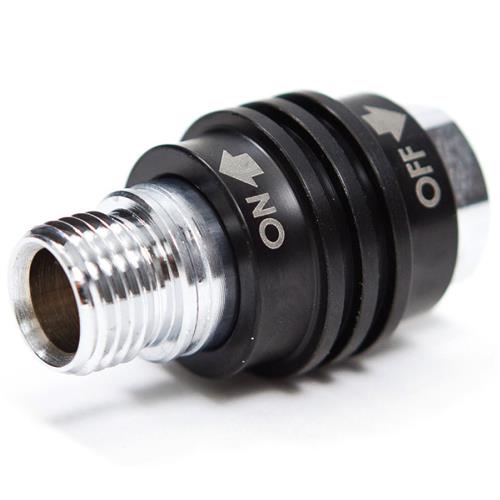
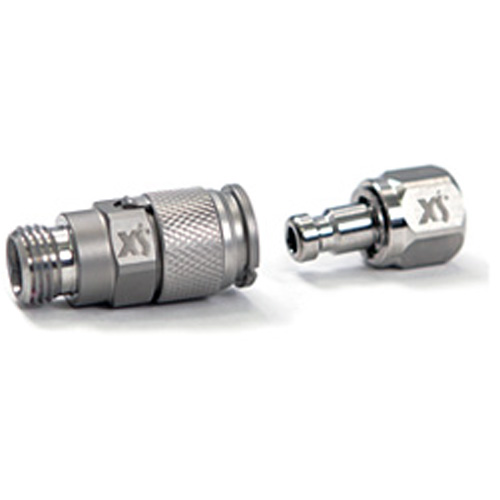
Second stage hoses also make thoughtful gifts for the divers in your life, particularly for those who are upgrading their gear, embarking on advanced training, or looking to customize their setup for the upcoming dive season. A new hose can be a practical yet personal gesture, showing an understanding of the recipient’s diving preferences and needs. As the spring months usher in new dive trips and the anticipation of exploring fresh sites, it’s the perfect time to inspect your existing hoses for wear, cracking, or stiffness, and to consider replacements that incorporate the latest materials and ergonomic features. For divers looking to further personalize or adapt their system, accessories such as
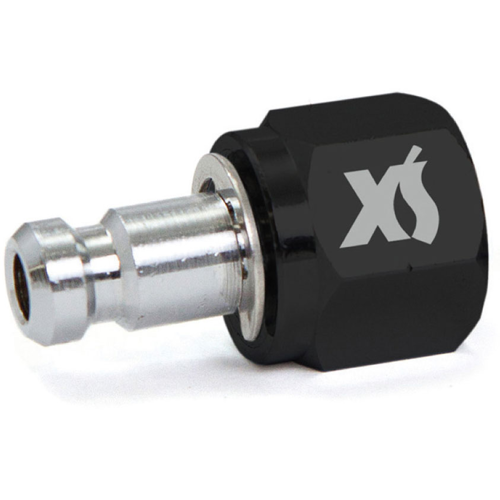
Second Stage Regulator Hose Adapters offer additional flexibility, allowing for seamless integration with various regulators and second stages. Ultimately, the right second stage hose is about more than just function—it’s about confidence in your gear, comfort throughout your dive, and the freedom to focus on the wonders of the underwater world. Whether you’re a seasoned tec diver plotting out a complex cave route or a new open water enthusiast eager for your first spring shore dive, investing in the right hose setup is an essential step toward safer, more enjoyable diving.