Scuba Yoke Ports
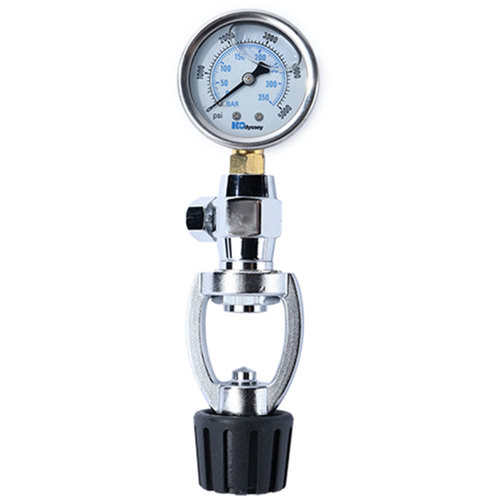
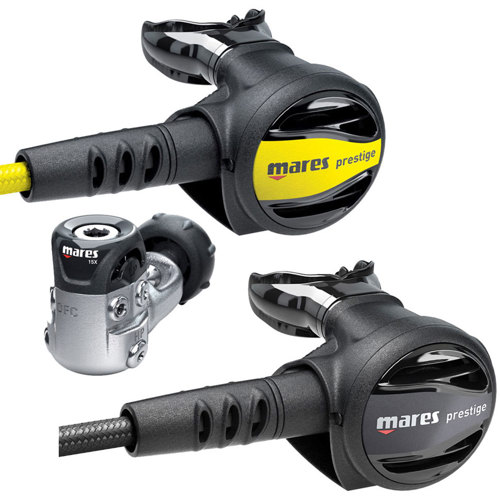
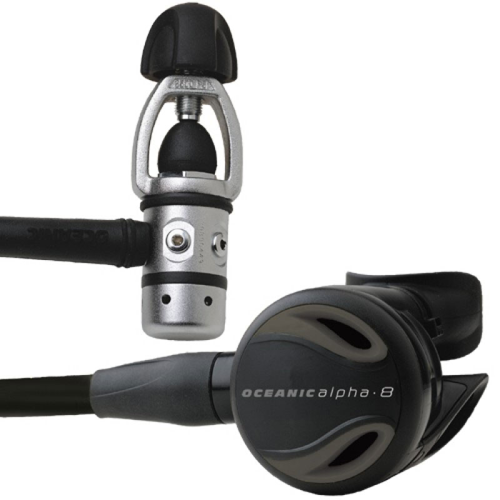
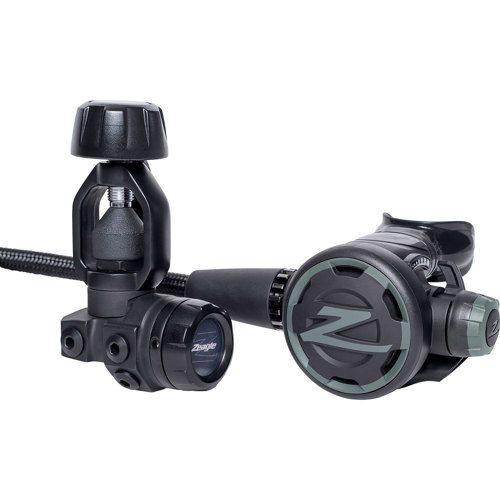
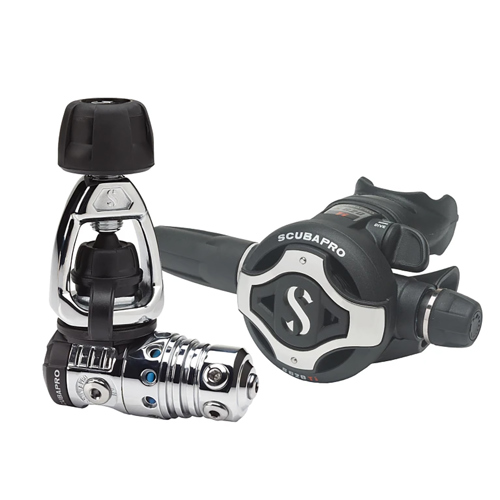
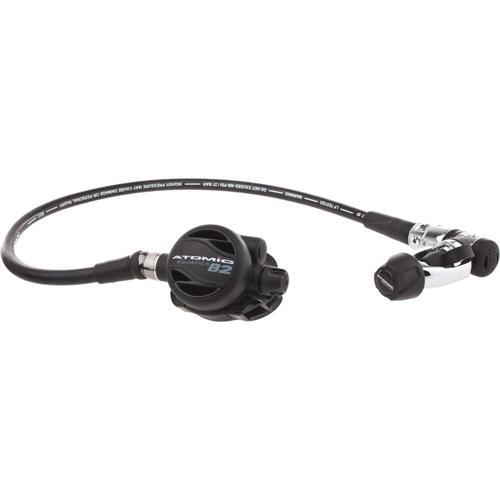
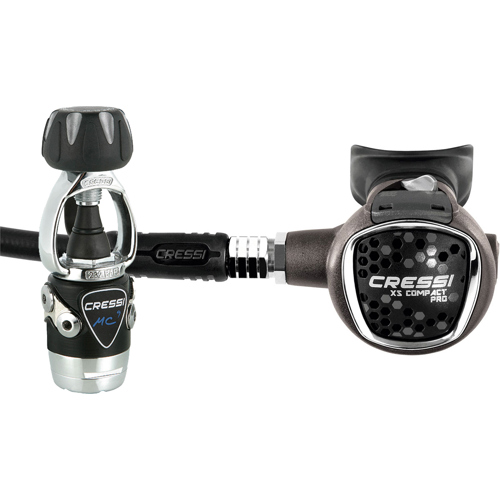
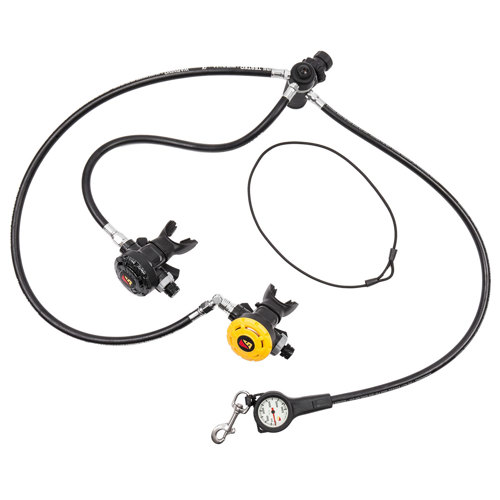
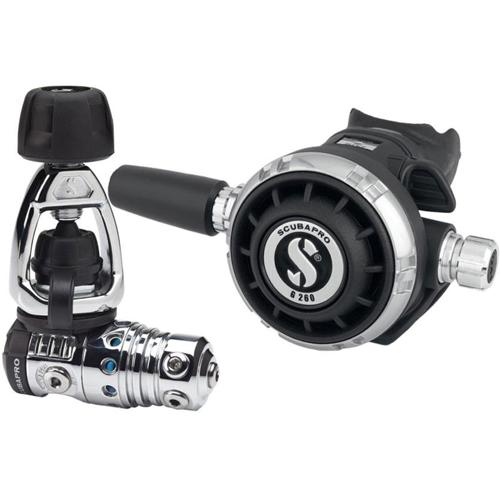
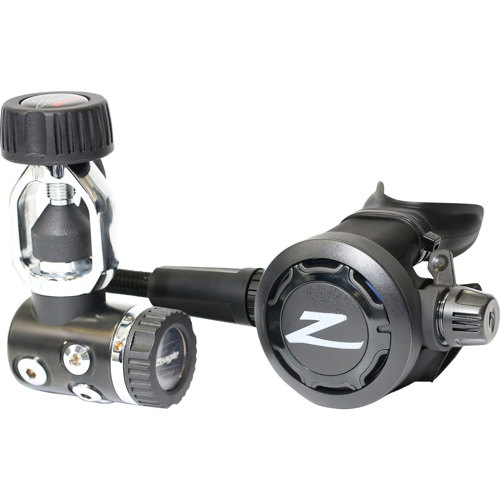
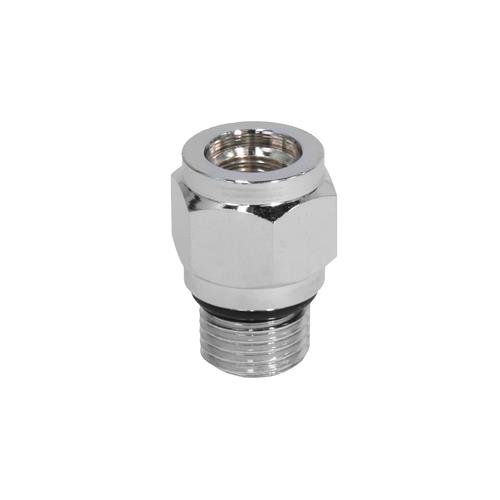
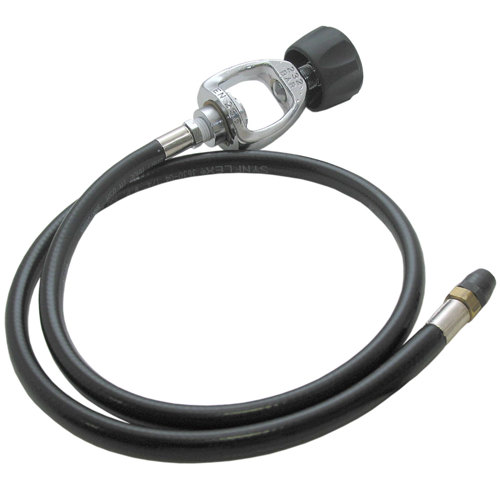
When selecting components and accessories for your diving setup, understanding the importance of scuba yoke ports is essential for both safety and comfort underwater. Scuba yoke ports are integral to the first stage of your regulator, serving as the connection points for high pressure (HP) and low pressure (LP) hoses. These ports are precisely engineered to ensure reliable air delivery and accurate pressure monitoring, with distinct thread sizes—3/8-inch UNF for LP ports and 7/16-inch UNF for HP ports—acting as built-in safeguards against incorrect hose connections. The LP ports deliver intermediate pressure air to your second stage, BCD inflator, or drysuit inflator, while the HP ports connect to your submersible pressure gauge (SPG), allowing you to monitor your tank’s remaining air supply in real time. The O-rings at each connection play a critical role in sealing the system, and it’s important to secure hoses firmly without overtightening, preserving the integrity of your equipment and preventing leaks.
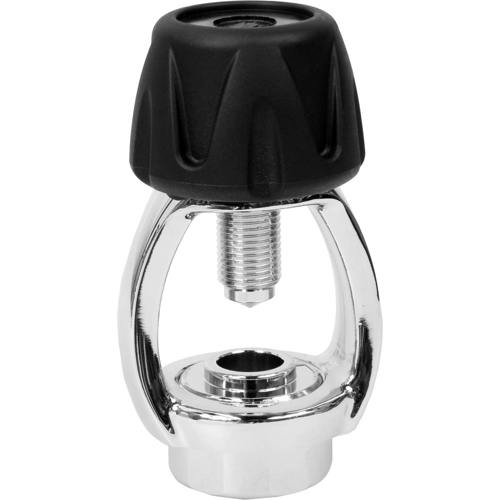
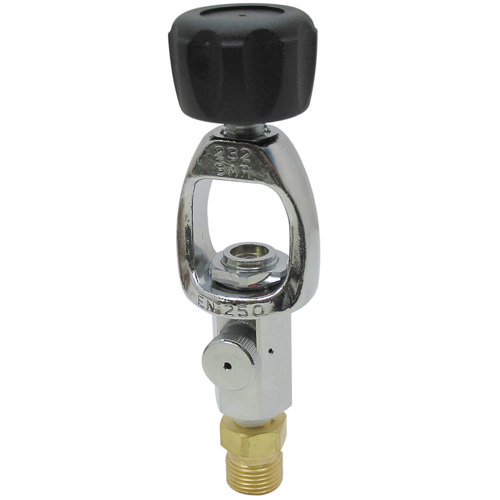
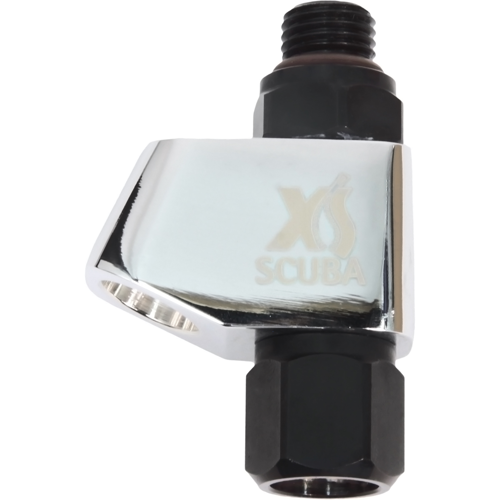
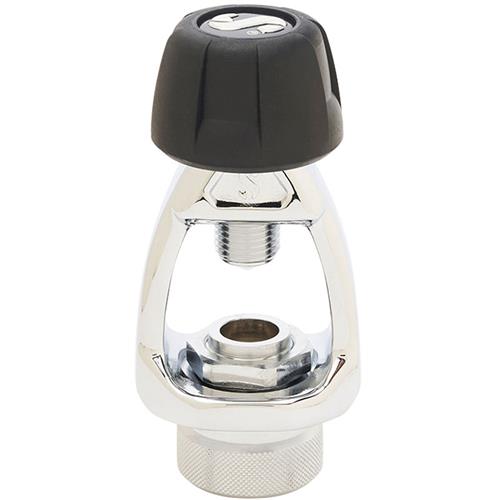
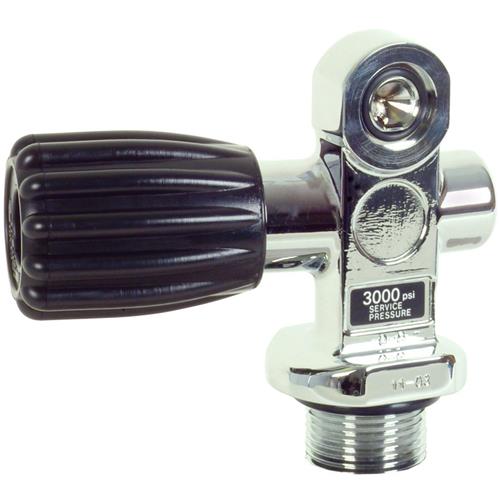
The yoke style—known for its classic, clamp-style mechanism that fits over the tank valve and is secured with a screw-down knob—remains a popular choice among recreational divers, especially across North America. Its user-friendly design makes it a go-to for beginners and seasoned divers alike, providing quick and secure attachment even in less-than-ideal surface conditions. Whether you’re gearing up for a winter dive in temperate waters or planning your next tropical getaway, the right configuration of yoke ports ensures your gear performs reliably. Some advanced regulator models now feature a “5th port” or swivel turret, offering even greater flexibility for hose routing—an advantage for technical divers who require streamlined setups for sidemount or stage bottle configurations. This added versatility can make a significant difference in comfort and accessibility, particularly on longer or more complex dives. For those building a custom setup or upgrading their existing gear, paying attention to the number and orientation of yoke ports can help you achieve optimal hose management and minimize entanglement risk.
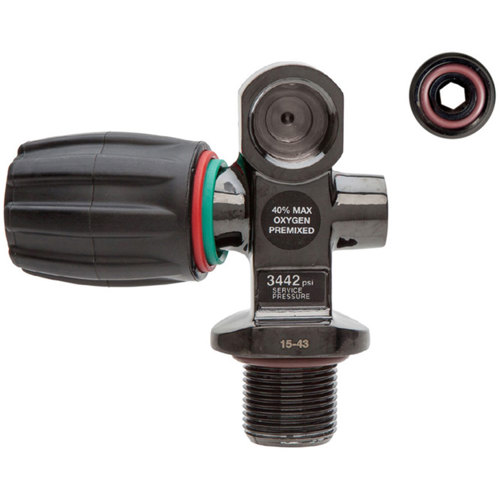
Scuba yoke ports are not only a practical consideration for divers but also make thoughtful gifts for those advancing in the sport or assembling their first set of personal equipment. Experienced divers often appreciate the nuances of port design, such as the tiny openings in HP ports for precise pressure sensing and the ample airflow provided by LP ports. For new divers, the straightforward yoke attachment offers peace of mind and ease of use, supporting a smooth transition from rental to personal gear. As with all critical diving equipment, compatibility between your yoke regulator and tank valve is essential—ensuring a secure fit and proper function every time you enter the water. For those interested in further exploring how yoke ports relate to other vital components, our comprehensive resource on
Scuba Inlet Ports provides additional insights into the connections that keep your air delivery system running smoothly. Whether you’re gearing up for a brisk January dive or preparing for the next season’s adventures, investing in quality yoke ports and understanding their role within your regulator system is a cornerstone of safe, enjoyable diving.