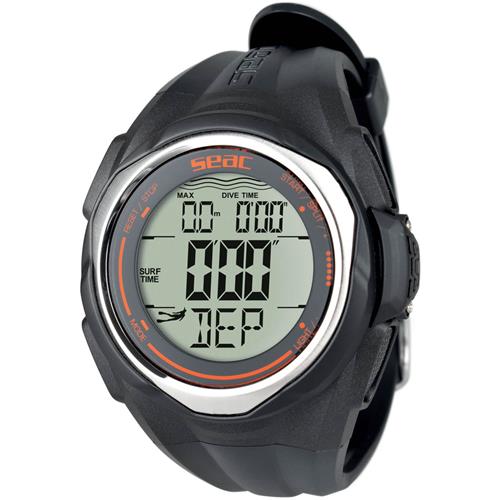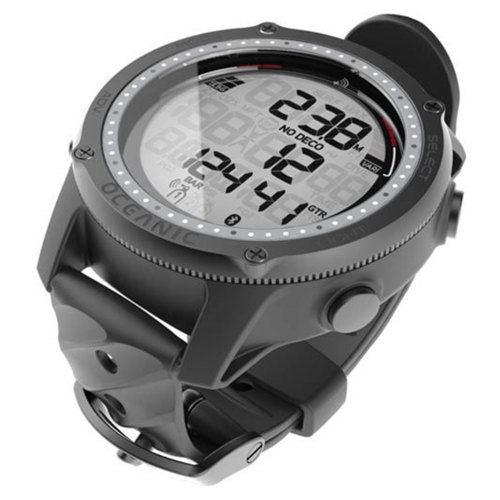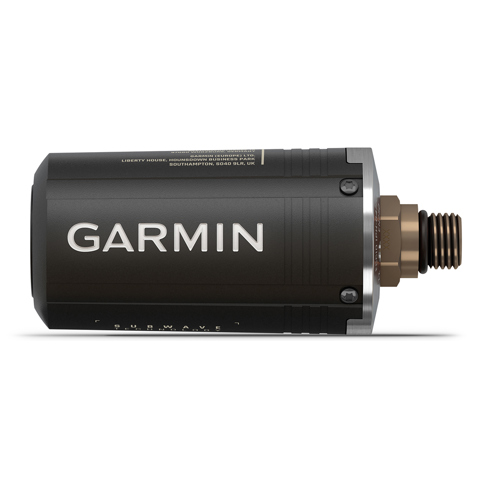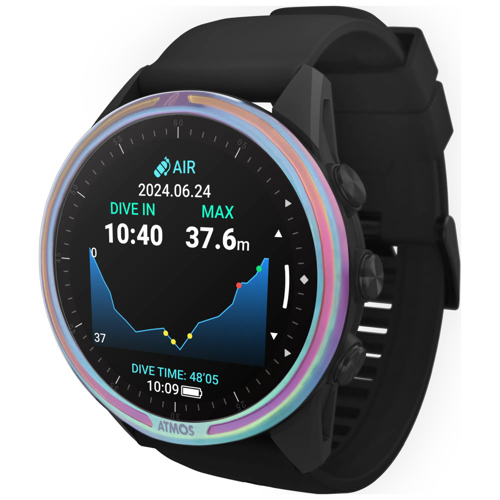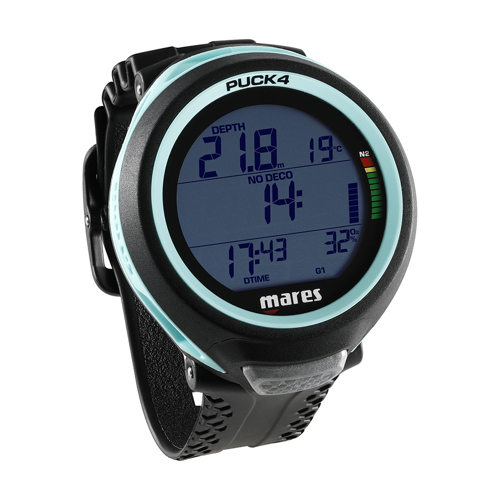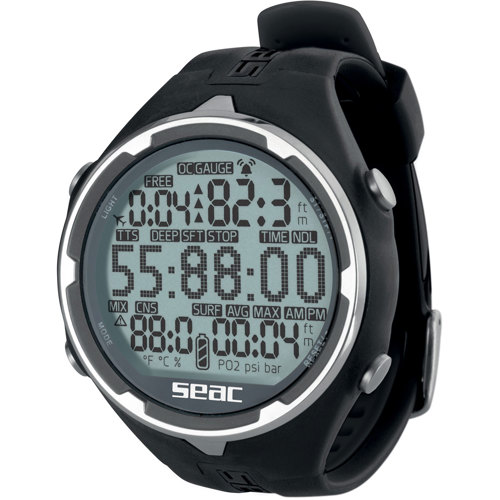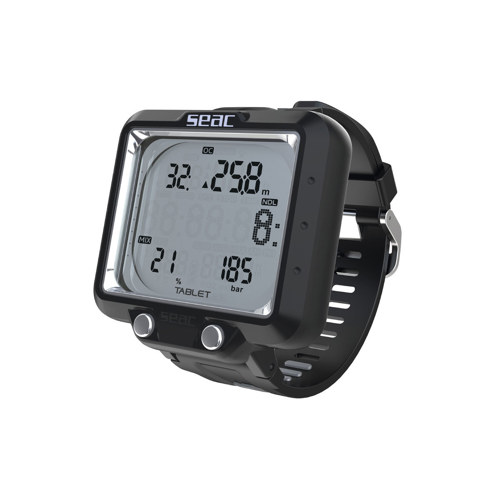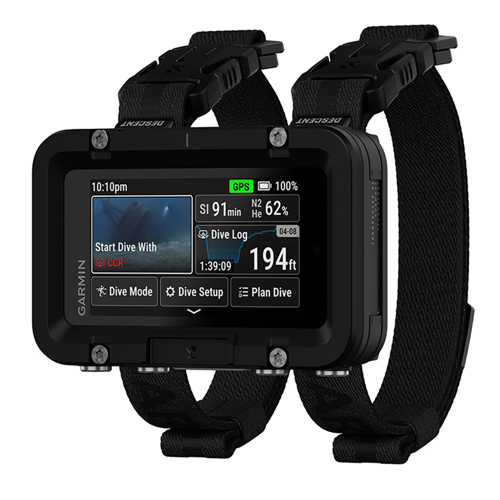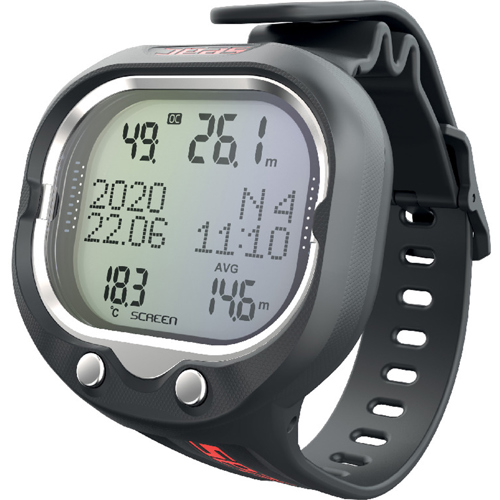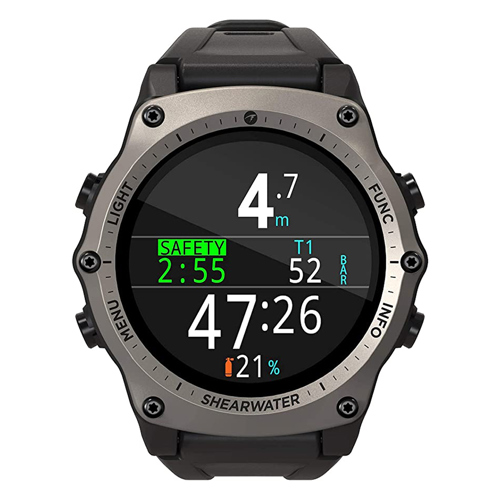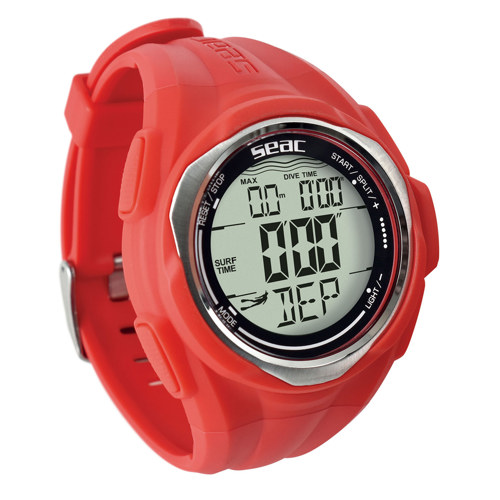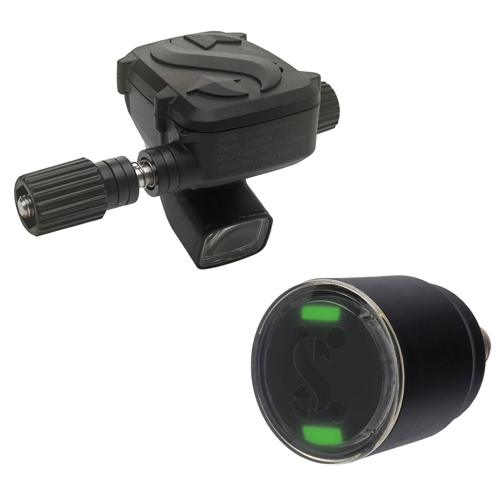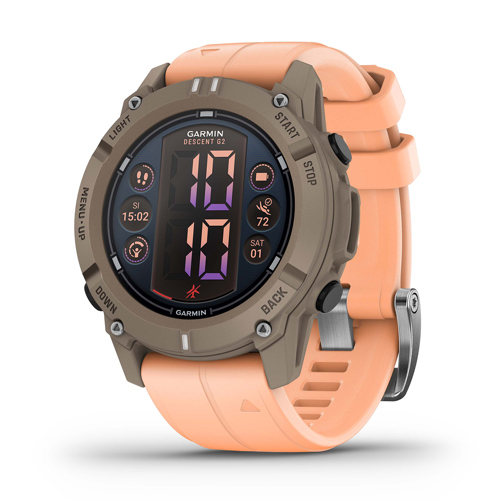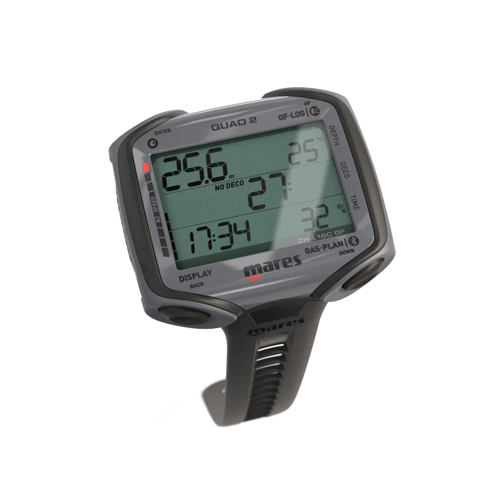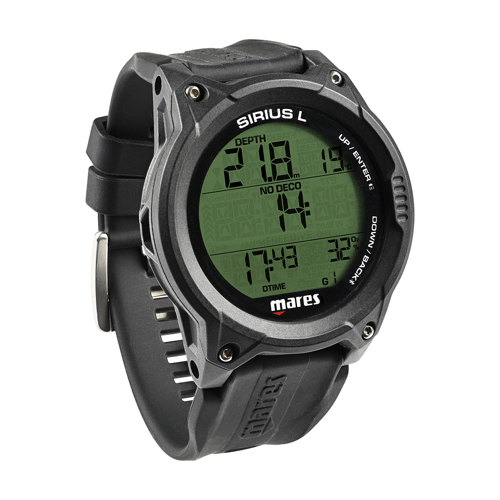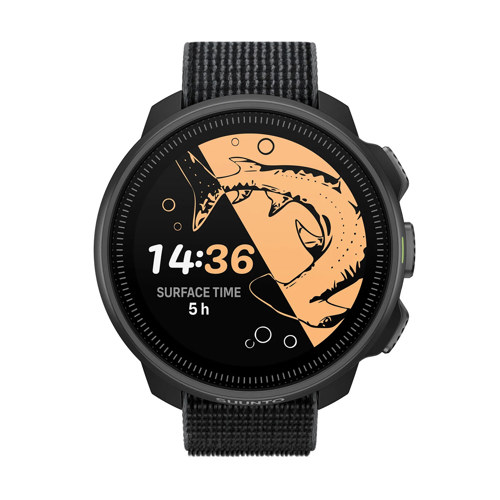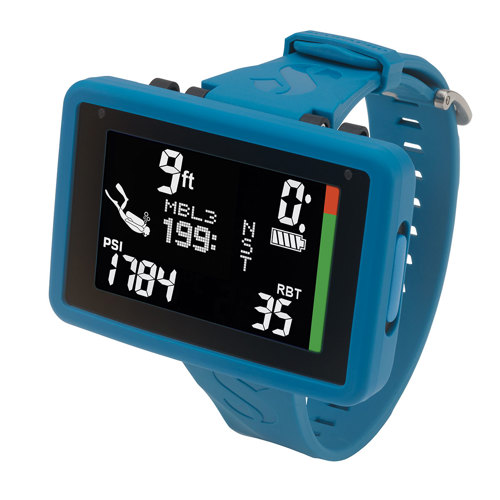
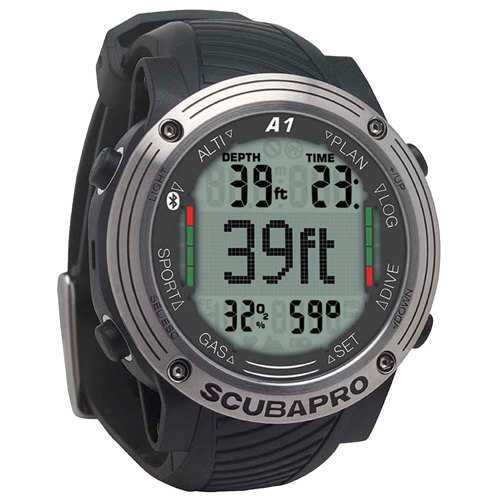
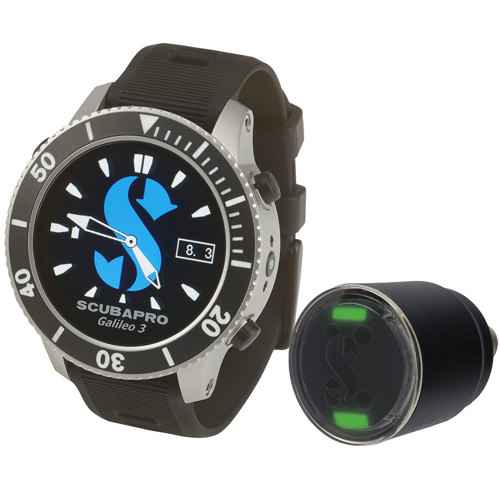
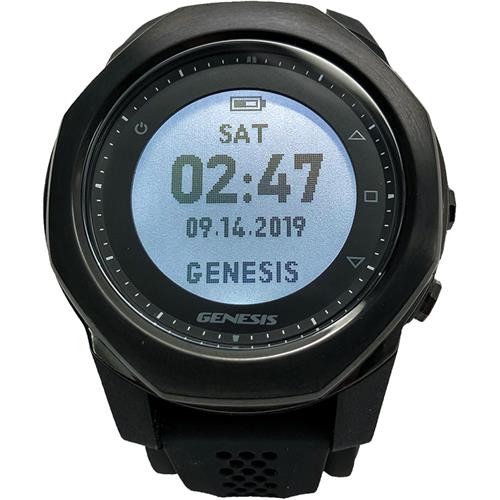
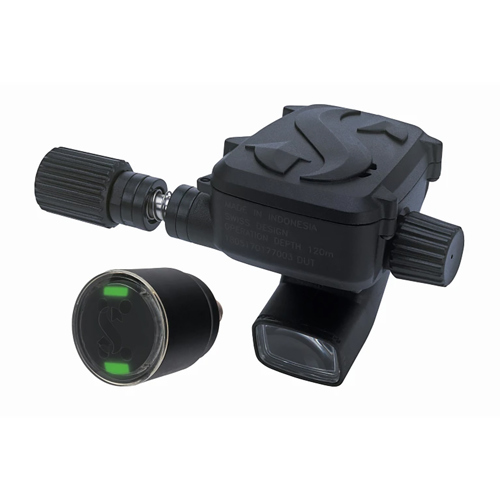
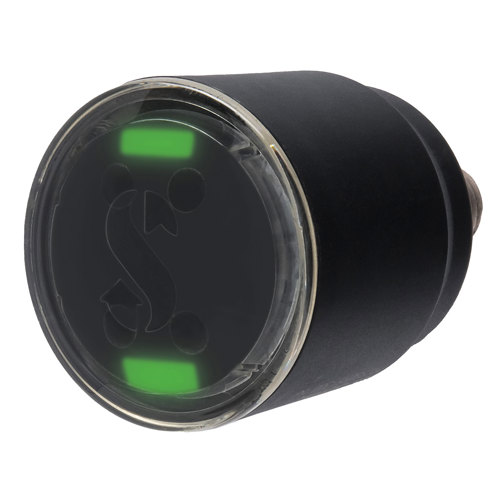
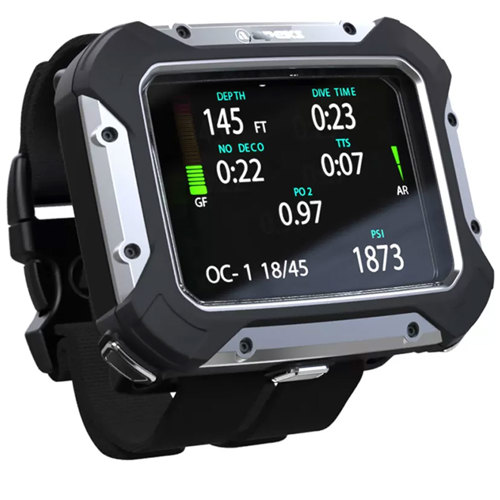
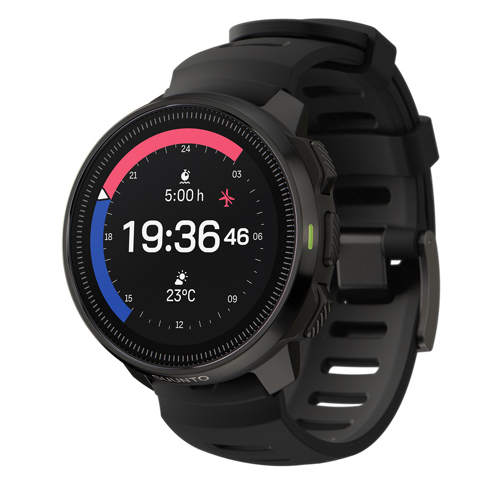
Scuba trackers have become an essential companion for divers who want to elevate their underwater experiences, whether they're just starting out or have logged hundreds of dives in exotic locations. As spring approaches and the diving season ramps up, many enthusiasts are refreshing their gear bags and looking for the latest innovations in dive technology. Scuba trackers—often referred to as dive computers or wearable dive monitors—have advanced far beyond simple depth gauges, now offering a suite of features tailored to both recreational and technical divers. These devices keep track of critical dive metrics such as depth, time, ascent rates, and no-decompression limits, while many models also integrate with tank transmitters to monitor air consumption in real time. For divers exploring new sites, built-in GPS and surface tracking can provide peace of mind, ensuring you always know your entry and exit points. Some of the newest trackers even offer underwater navigation, mapping, and diver-to-diver messaging, which is invaluable when visibility is low or when diving as a group. With digital logbooks that sync to your smartphone, it's easier than ever to record and share your dives, analyze your performance, and plan future adventures.
Choosing the right scuba tracker often comes down to your diving style, preferred environments, and the level of data you want at your fingertips. If you’re a recreational diver who enjoys warm-water reefs, a streamlined device with intuitive controls and a bright, easy-to-read display might be the perfect fit, particularly when you’re juggling new skills or guiding a buddy through their first open water experience. For technical divers venturing deeper or using mixed gases, advanced trackers with customizable algorithms and robust depth ratings are indispensable, providing the precision and reliability needed for more complex profiles. Spring is also a popular time for gifting, as many divers celebrate new certifications or prepare for group trips; a scuba tracker makes a thoughtful, practical gift that can be tailored to the recipient’s skill level and aspirations. Picture the excitement of unboxing a new device before a long-awaited liveaboard trip, knowing you’ll be able to monitor your air, track your route, and log every moment with ease. Battery life is another key consideration, especially for those planning multi-day excursions or remote expeditions—look for models that offer extended dive mode operation and convenient charging solutions.
Beyond personal use, scuba trackers contribute to safety and community. Many models now include emergency signaling features, such as surface GPS beacons or AIS transmitters, which can broadcast your location to nearby boats if you surface away from the group. This technology is especially reassuring for solo divers, instructors, and those exploring new or challenging environments. The integration of health monitoring—tracking heart rate, surface intervals, and even daily activity—blurs the line between dive computer and everyday smartwatch, making these devices a versatile addition to your gear. As you plan your spring and summer dives, consider how a scuba tracker can streamline your preparation, enhance your underwater navigation, and help you stay connected with your dive buddies. For those who thrive on organization and meticulous dive planning, pairing your tracker with comprehensive tools like our
Scuba Planners can make your next adventure even more seamless. With the right tracker, you’re not just recording data—you’re building a detailed, personal log of your underwater journey, dive after dive.