Scuba Inlet Threads
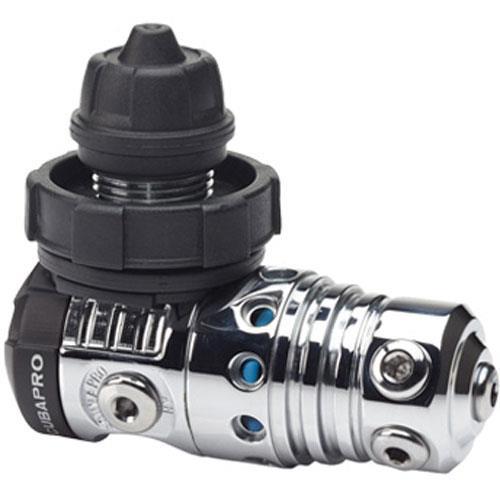
When it comes to selecting gear for safe and enjoyable diving, understanding scuba inlet threads is essential for both new and experienced divers. The way your regulator connects to your tank is not just a matter of convenience—it’s a matter of safety, compatibility, and performance under the water. Scuba inlet threads refer to the various connection types and thread standards that allow your regulator or fill whip to attach securely to your cylinder valve. The two most common connection types are the Yoke (International or A-Clamp) and the DIN (Deutsches Institut für Normung). Yoke fittings are popular worldwide, especially in recreational diving, thanks to their straightforward setup: the regulator fits over the cylinder valve and is clamped down with a T-shaped screw, sealing with a reusable O-ring. This style is easy to use at local dive shops and resorts, making it a favorite for travel and group dives. On the other hand, the DIN system is designed for higher-pressure applications and technical diving. DIN regulators thread directly into the valve, creating a robust seal with an O-ring on the regulator fitting itself. This design can handle pressures up to 300 bar (4350 psi) and is preferred by many technical divers for its secure, leak-resistant connection—especially when exploring deeper waters or overhead environments.
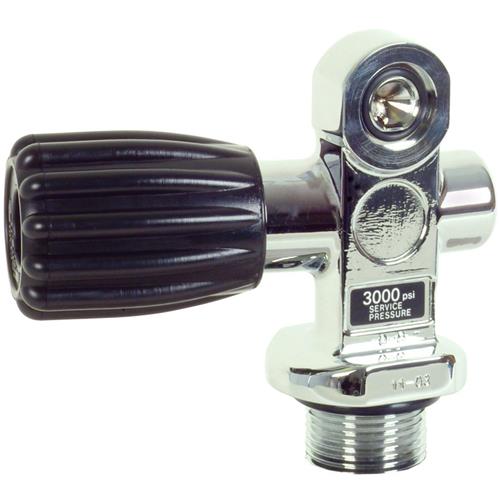
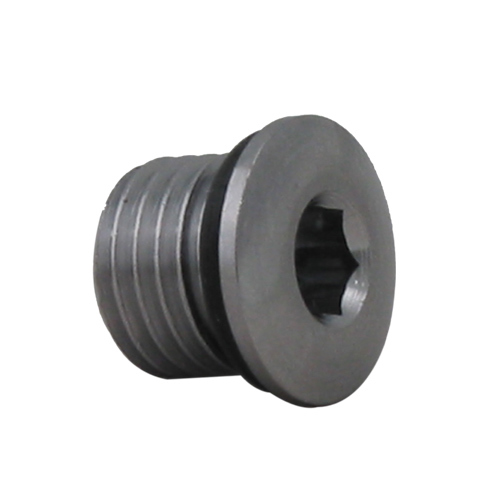
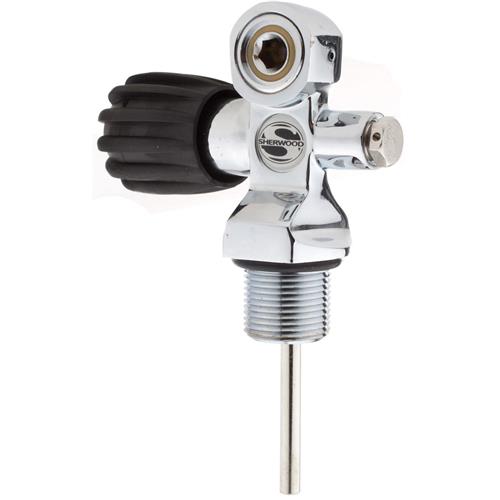
Choosing the right inlet threads goes beyond just picking a Yoke or DIN regulator. Cylinder valves and neck threads come in several standards, such as the 3/4" NPSM common on modern U.S. cylinders, the M25 x 2 metric thread prevalent internationally, and older thread types like 7/8"-14 UNF or 1/2"-14 NGT found on vintage or high-pressure steel tanks. Matching the valve threads to your cylinder neck threads is critical—an incorrect fit can lead to dangerous situations, including valve ejection. For divers who travel or rent gear, being familiar with these standards ensures you can adapt to different setups around the world. These considerations also matter for those assembling their own tanks or maintaining a fleet for a dive shop or club. If you’re planning to upgrade your regulator or add a new cylinder to your kit, pay close attention to the thread specifications and consider how your gear will be used. Many divers keep a set of adapters or conversion kits on hand, especially if they dive in different regions or with various groups. This foresight comes in handy during busy dive seasons, as the weather warms and more opportunities for adventure arise—whether you’re planning a family trip to a tropical reef, a technical dive expedition, or simply enjoying local waters with friends.
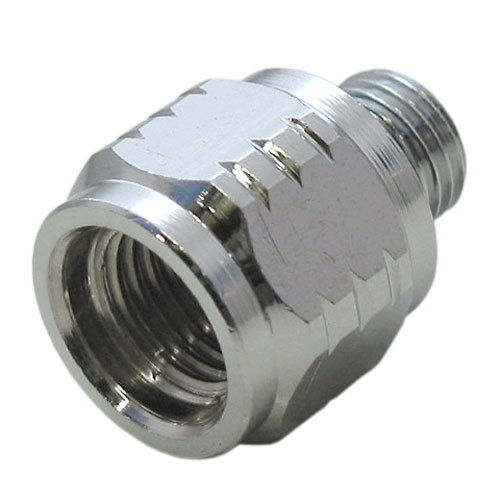
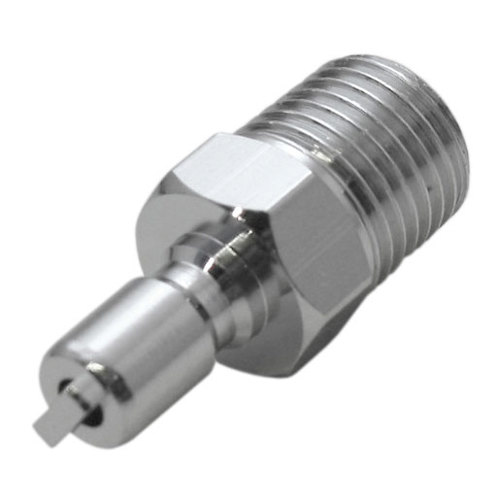
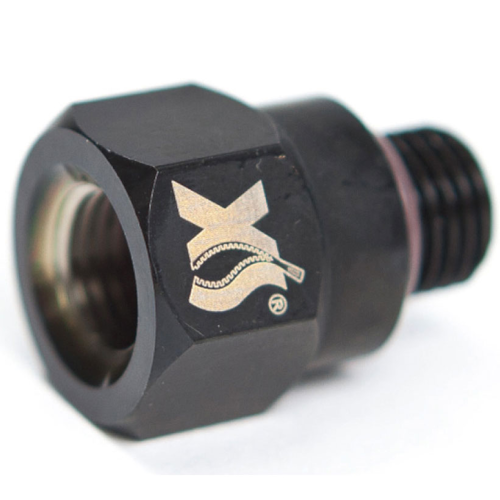
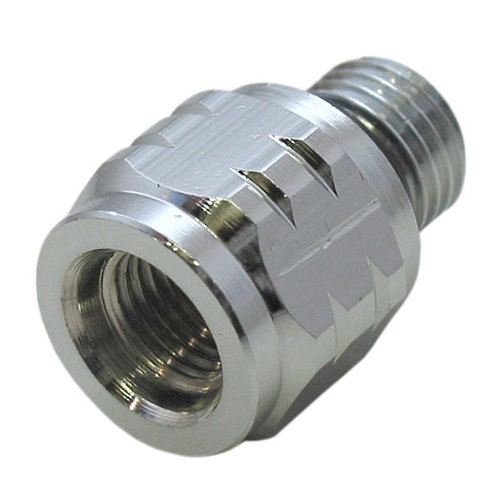
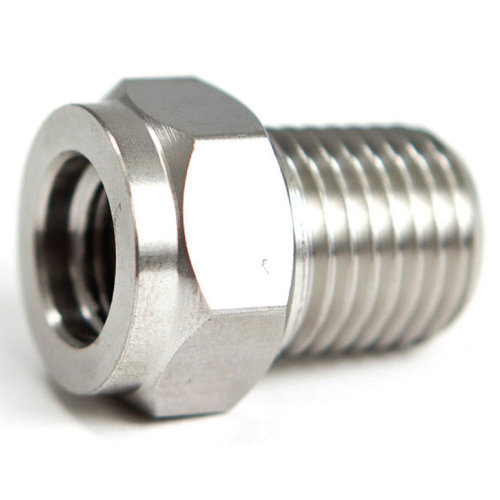
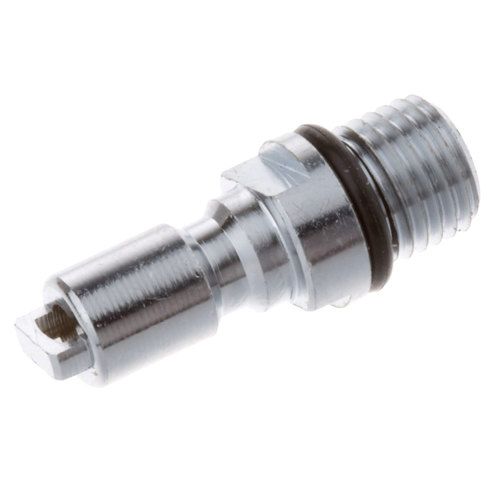
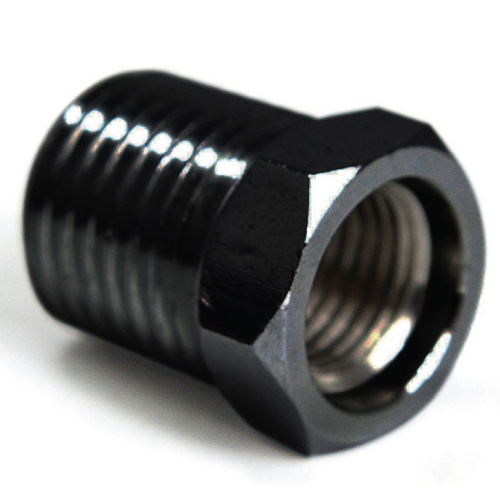
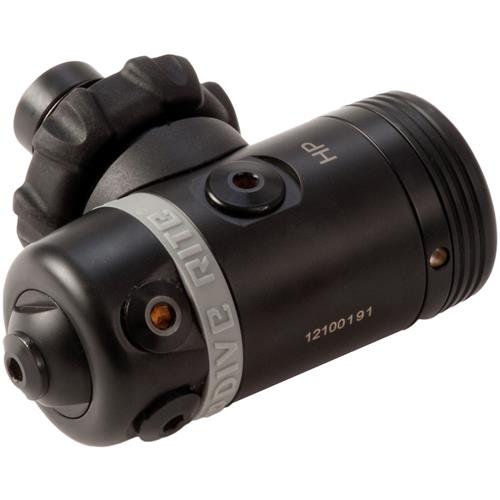
Scuba inlet threads and their associated adapters also make practical and thoughtful gifts for diving enthusiasts—especially for those who enjoy tinkering with gear, traveling to diverse dive destinations, or stepping up to more advanced diving pursuits. A well-chosen adapter or thread conversion kit can be the missing link that keeps a dive trip running smoothly, allowing divers to connect regulators and fill whips to different tanks with confidence. It’s a subtle but invaluable addition to any gear bag, often saving the day when rental equipment doesn’t quite match up or when an unexpected opportunity to dive presents itself. For those who are responsible for maintaining equipment—dive professionals, instructors, or club organizers—having a deep understanding of inlet threads and the right accessories on hand is part of providing a safe, seamless experience for others. If you’re looking to expand your setup or ensure compatibility across your gear, explore our curated selection of
Scuba Inlet Adapters for solutions that keep you prepared for every dive scenario. Whether you’re assembling your first kit or fine-tuning a seasoned diver’s arsenal, paying attention to these small but vital details helps you dive with confidence and peace of mind all season long.