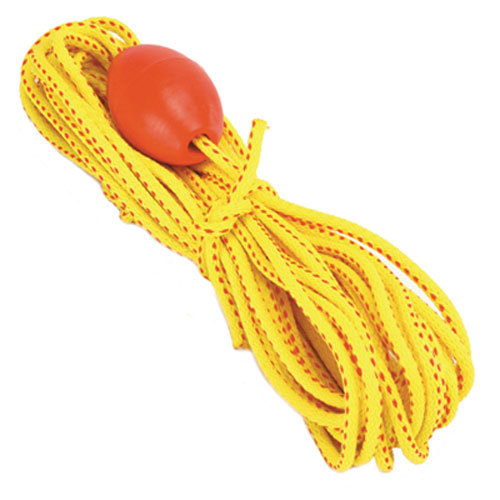
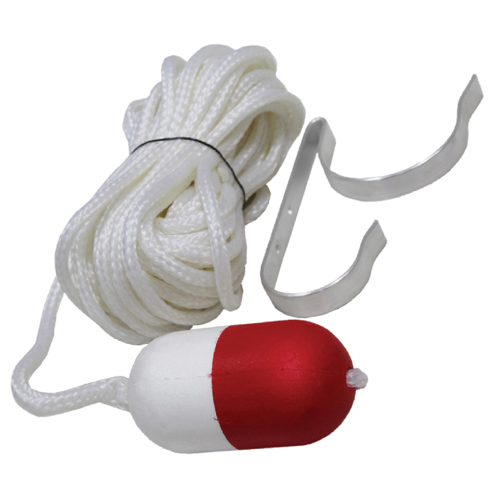
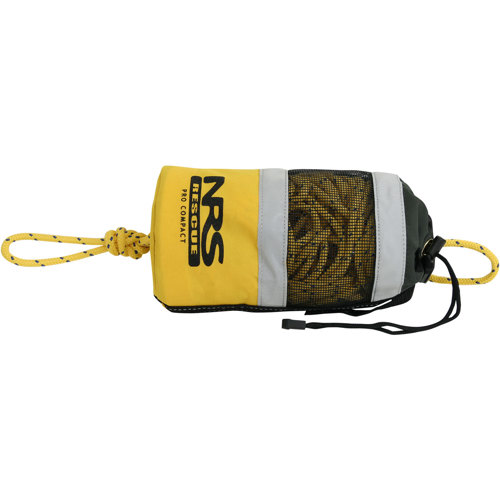
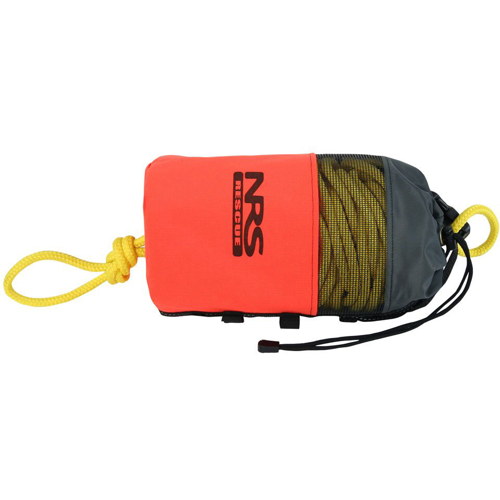
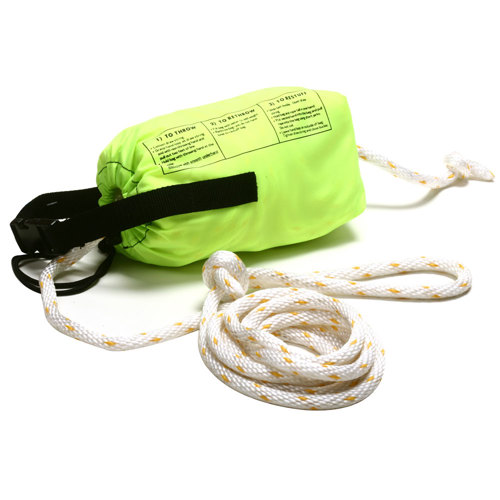
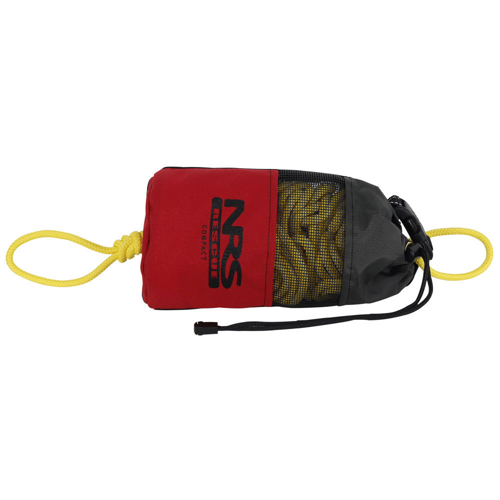
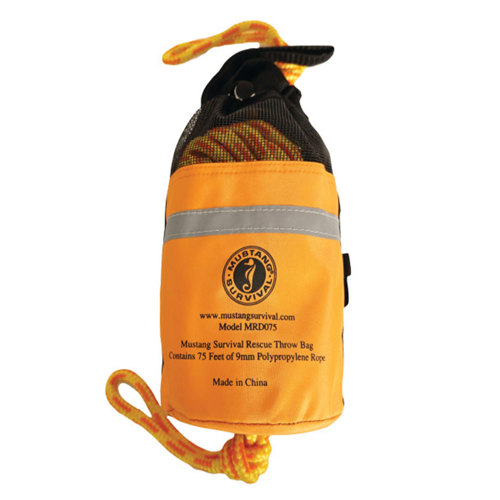
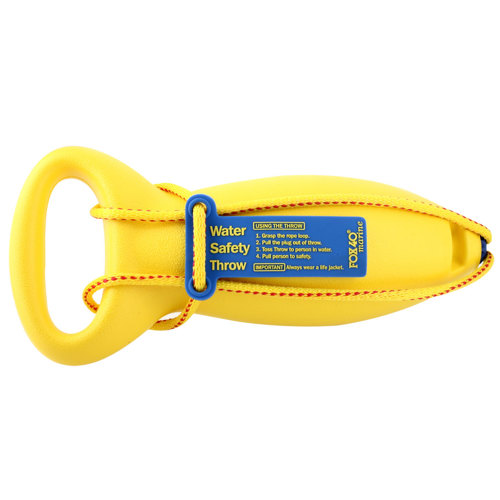
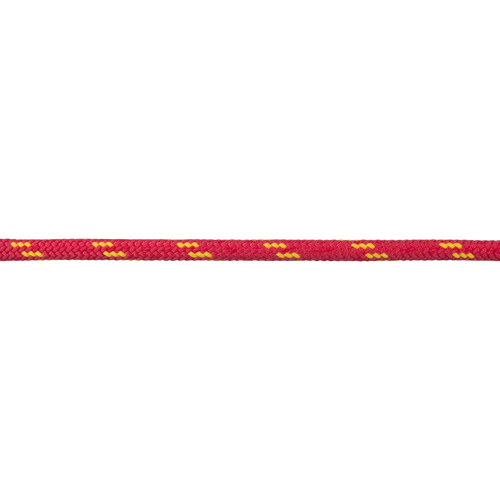
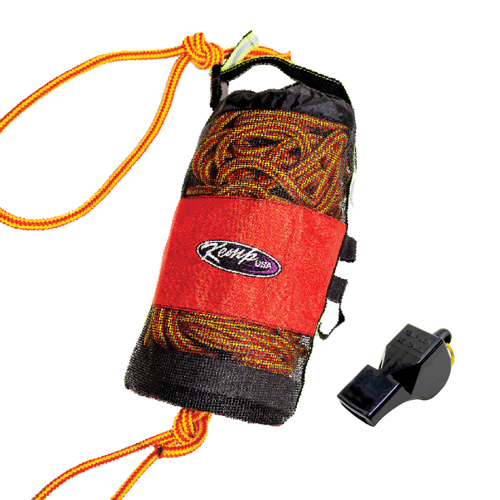
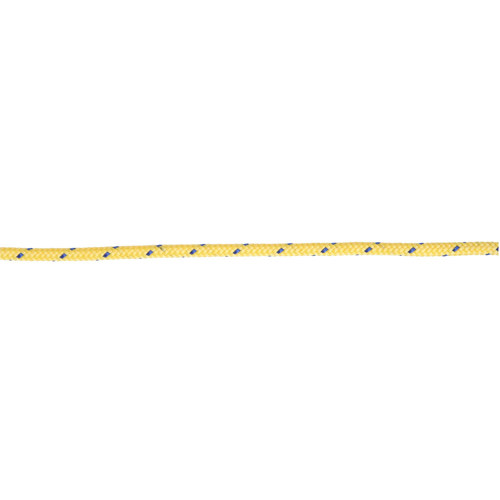
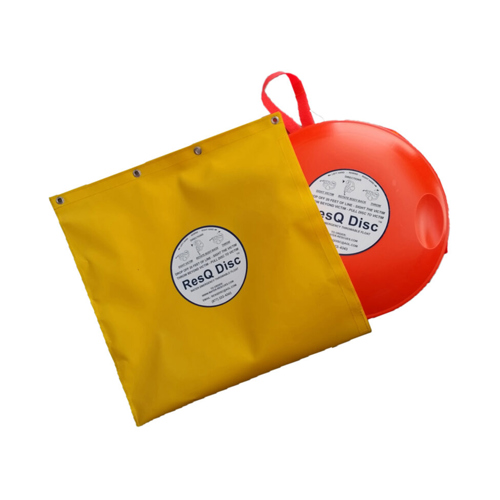
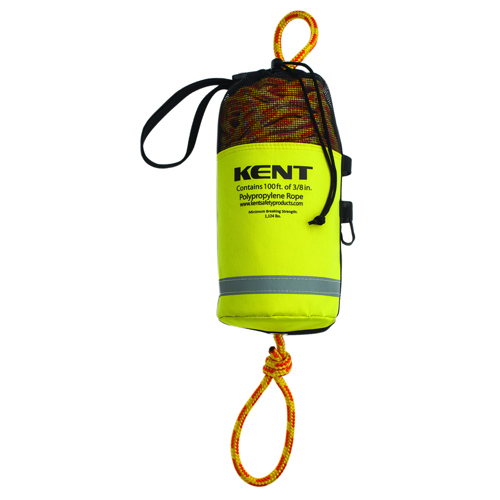
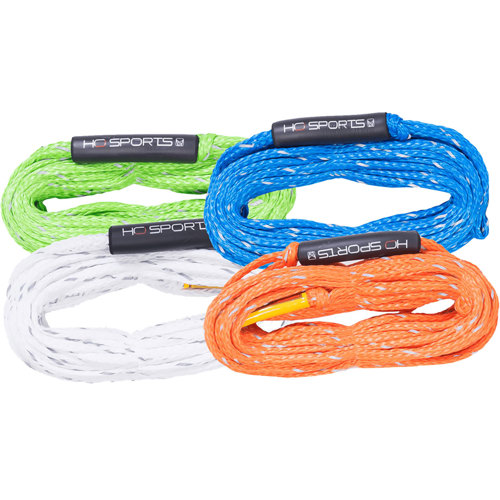
When it comes to water safety, especially in environments with swift currents or unpredictable conditions, rescue throw ropes are an indispensable part of any preparedness kit. These high-visibility, floating ropes are specifically designed for rapid deployment in emergencies, giving rescuers a lifeline to reach swimmers or paddlers in distress. Whether you're guiding a raft through whitewater, kayaking along rugged riverbanks, or supervising a lakeside camp, having a well-chosen throw rope within arm’s reach can be the difference between a close call and a successful rescue. As the weather warms in May and more people head to rivers, lakes, and coastal waters for recreation, it’s essential to ensure your safety equipment is up to date and suitable for the environments you’ll encounter. Rescue throw ropes typically range from 50 to 150 feet in length and are constructed from buoyant materials like polypropylene, which allows them to float on the water’s surface and remain visible even in turbulent conditions. The bags are often designed with features such as foam inserts for added flotation, mesh panels for quick drainage and drying, and reflective strips to enhance visibility during dusk or in low-light scenarios. These thoughtful details make throw ropes not only practical but reliable during high-stress moments when every second counts.
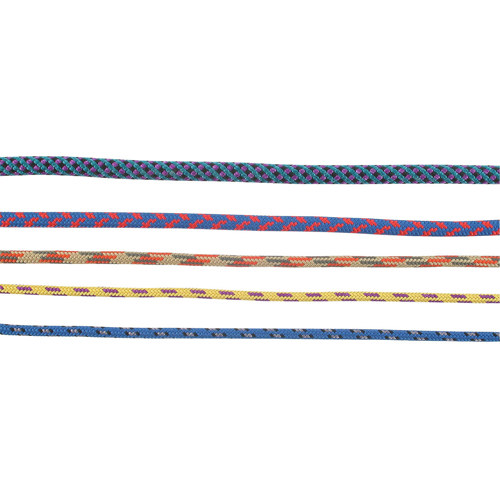
Selecting the right rescue throw rope involves considering several factors that match the rope’s design to your specific needs. For swiftwater guides and professional rescuers, high-strength ropes with reinforced cores—such as those made with Spectra or similar fibers—offer the durability needed for challenging rescues, including boat unpinning or supporting heavier loads. Recreational paddlers, anglers, and families spending time near water may prioritize ease of use, compact storage, and user-friendly deployment. The diameter and texture of the rope affect grip, especially when wet or cold, while the bag’s closure and attachment options determine how quickly it can be accessed and secured to a belt or boat. Seasonal considerations also come into play: spring snowmelt and increased rainfall can make rivers more hazardous, underscoring the importance of having a well-maintained throw rope on hand. For those who enjoy giving practical and thoughtful gifts, a rescue throw rope is a meaningful choice for anyone who spends time on or near the water—be it a kayaking enthusiast, a scout leader, or a friend who loves paddleboarding. It’s a gift that speaks to care and preparedness, often sparking conversations about water safety and shared adventures.
Proper use and maintenance of rescue throw ropes are as important as choosing the right model. Regularly inspect your rope for signs of wear, fraying, or sun damage, and practice deploying and repacking it until the motion becomes second nature. Store the rope in a dry, accessible location, ready for immediate use—many experienced paddlers keep theirs clipped to a kayak deck or worn around the waist with a quick-release belt. In the event of an emergency, the technique is straightforward but crucial: maintain a firm grip on the loose end, throw the bag across the current to the swimmer (never directly at them), and communicate clearly to guide them to safety. Retrieval should be slow and steady, allowing the person in the water to lie on their back and kick as you pull them in. After any use, rinse the rope with fresh water, dry it thoroughly, and repack it carefully to prevent tangles. If you’re interested in exploring more about the different types, features, and best practices for these essential safety tools, our comprehensive guide on
Rescue Ropes offers in-depth information to help you make an informed choice for your next adventure.