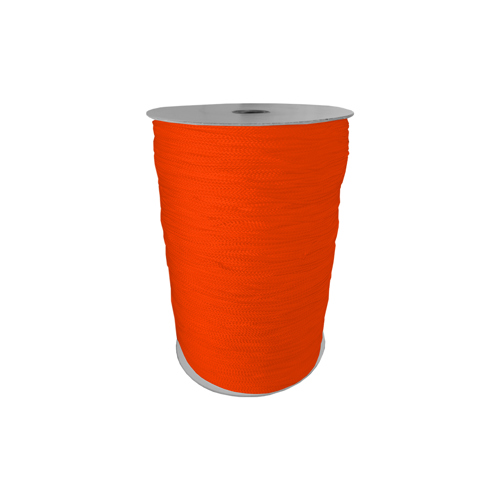
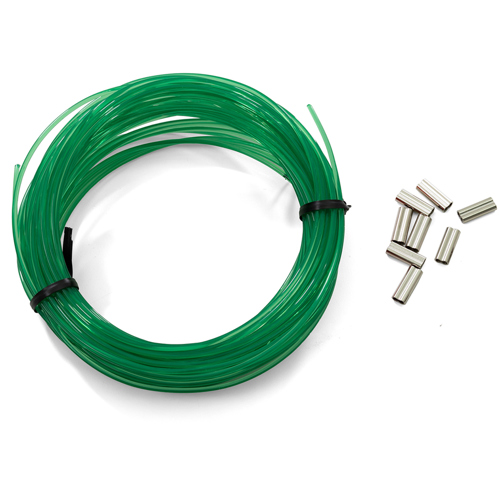
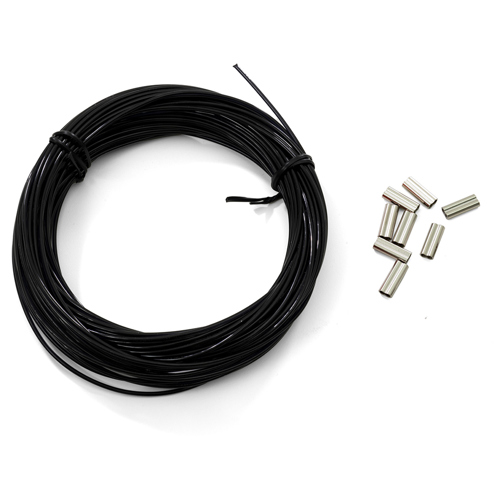
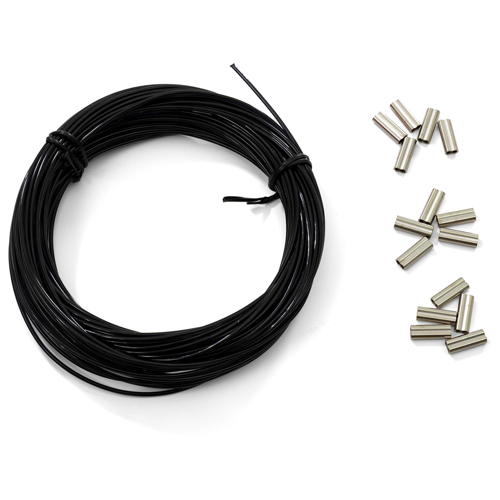
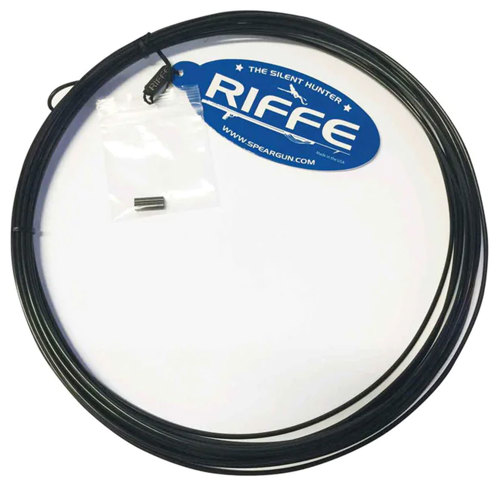
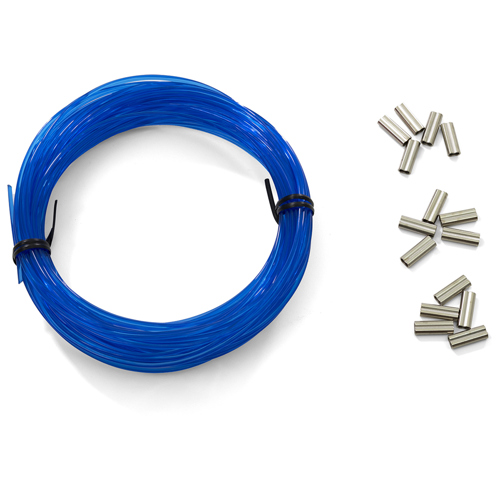
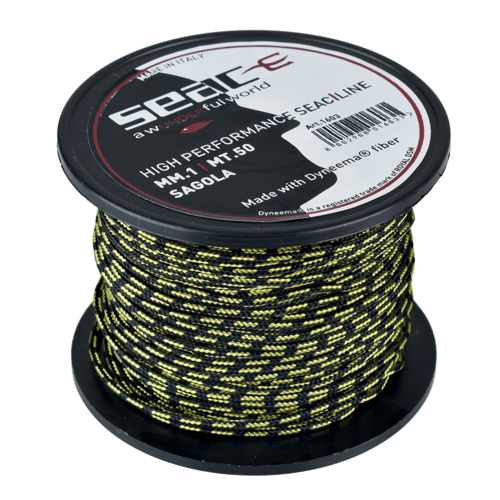
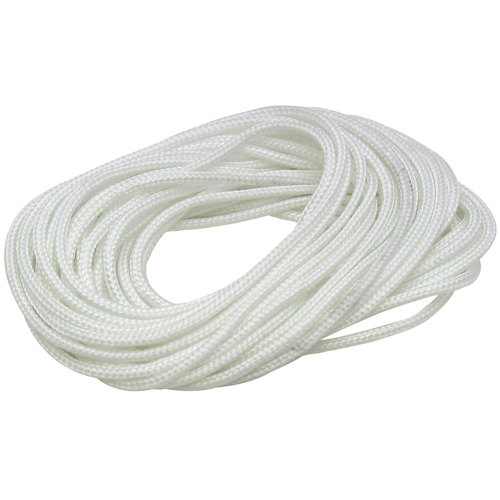
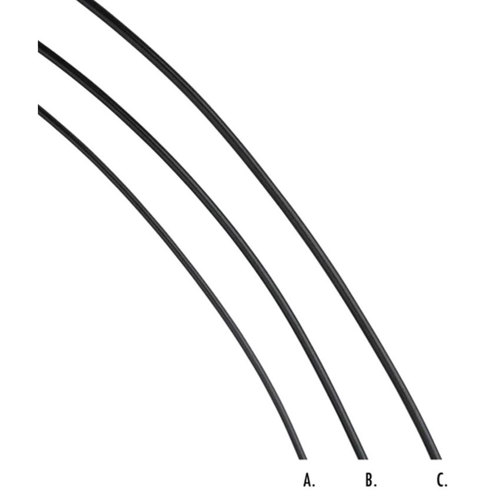
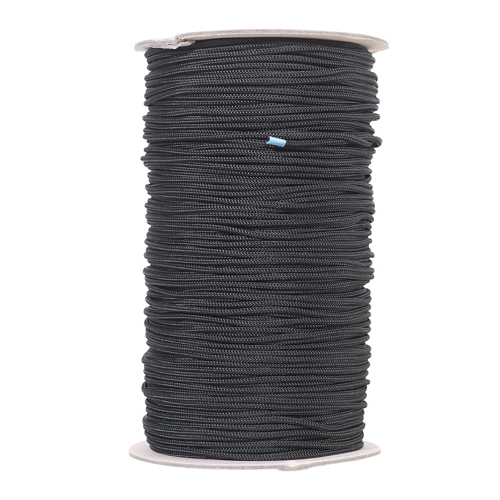
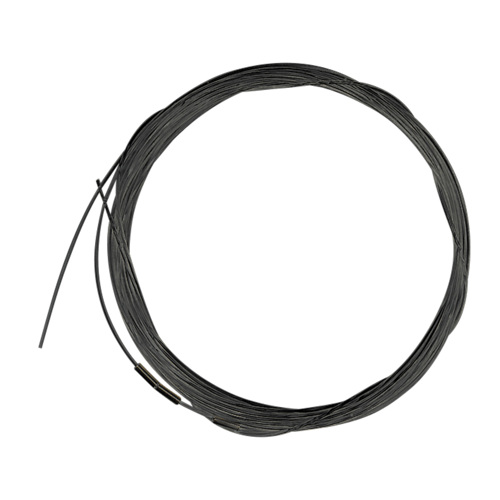
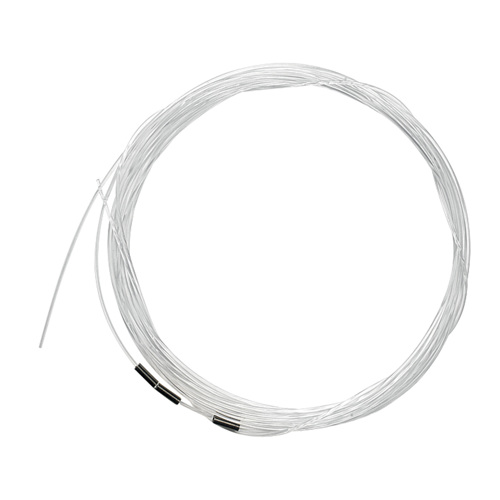
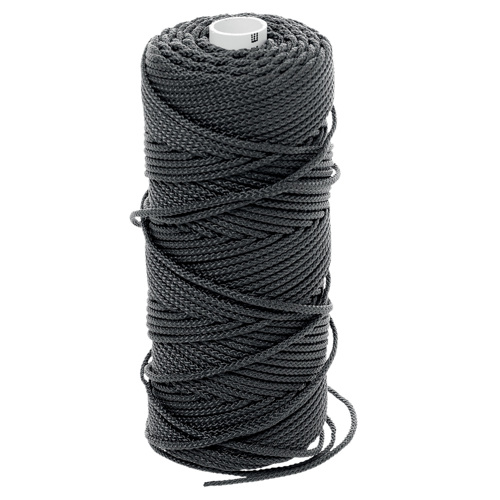
As the days grow longer and the promise of spring fishing adventures draws near, many anglers begin to inspect their gear in preparation for the season ahead. Replacement fishing lines are an essential component of any well-maintained tackle box, playing a pivotal role in ensuring reliable performance whether you’re casting from the shore, trolling deep waters, or exploring your favorite freshwater hideaway. The process of selecting and replacing fishing line is more than just routine maintenance—it’s a thoughtful decision that can make the difference between a memorable catch and a missed opportunity. From the supple stretch of monofilament, ideal for absorbing the shock of a sudden strike, to the near-invisible presentation of fluorocarbon in crystal-clear lakes, each type of line offers unique advantages. Braided lines, with their unmatched strength and sensitivity, are favored by those targeting larger species or fishing in heavy cover, where every tactile vibration can be the clue to a lurking trophy. Seasoned anglers know that the integrity of their line is not to be taken for granted; sun exposure, saltwater, and repeated battles with fish all take their toll, leading to fraying, kinks, or subtle discoloration that signal it’s time for a replacement. For those new to the sport, learning how to match line strength to rod and reel ratings, or choosing the right color for specific water conditions, is part of the journey toward becoming a more skilled and successful fisher.
Replacing fishing line is not just a task for the experienced angler; it’s a thoughtful gift for anyone who enjoys the peace and anticipation of a day spent by the water. Whether for a father passing down his favorite rod to a child, a friend heading out on their first saltwater excursion, or a partner who finds joy in quiet mornings on the lake, fresh line is a practical and appreciated gesture. The spring season, with its unpredictable weather and renewed fish activity, is an especially important time to ensure your line is in top condition. A brittle or weakened line can mean lost lures, missed bites, or even the heartache of losing a once-in-a-lifetime catch right at the boat. Regularly checking for signs of wear—like reduced casting distance, visible abrasion, or a change in flexibility—can help prevent disappointment and keep your gear ready for action. For those who enjoy the technical side of fishing, spooling a new line is a satisfying ritual, often accompanied by stories of past catches and the hopeful planning of new adventures. The choice between mono, fluoro, and braid often comes down to personal preference, target species, and the specific challenges of your local waters. And for those interested in underwater pursuits beyond traditional angling, exploring options for specialized lines can open up new possibilities—detailed recommendations for spearfishing enthusiasts, for example, can be found on our
Spearfishing Line Choices page.
Ultimately, investing in quality replacement fishing lines is about more than just gear—it’s about confidence, readiness, and respect for the sport. The right line can make every cast smoother, every fight more controlled, and every outing more enjoyable, whether you’re chasing bass in a weedy pond or testing your skills offshore. With spring’s arrival, now is the perfect moment to refresh your setup, ensuring you’re prepared for whatever the season brings. Thoughtful selection and timely replacement of your fishing line not only protect your equipment but also enhance your connection to the water and the experiences that await. Whether you’re a lifelong angler, a weekend hobbyist, or searching for the perfect gift for someone who loves the outdoors, a fresh spool of line is a symbol of preparation, optimism, and the enduring thrill of the catch.