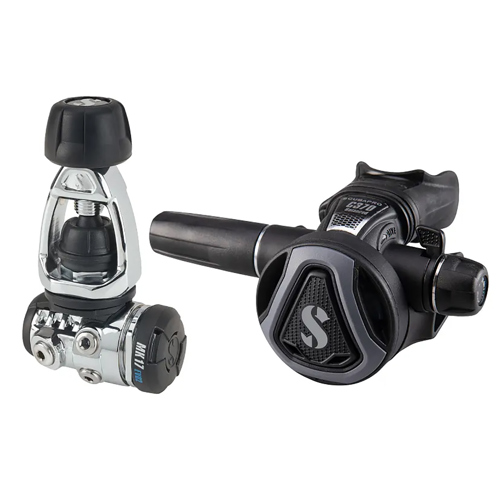
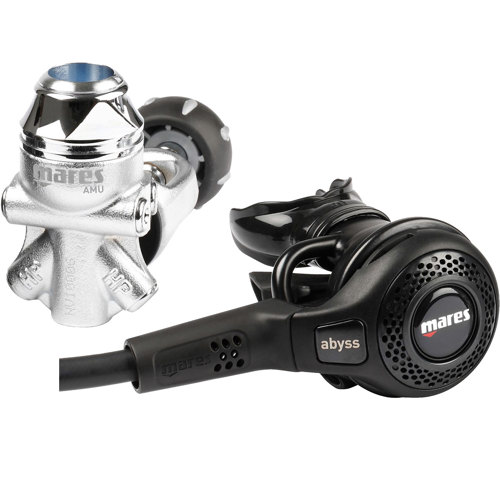
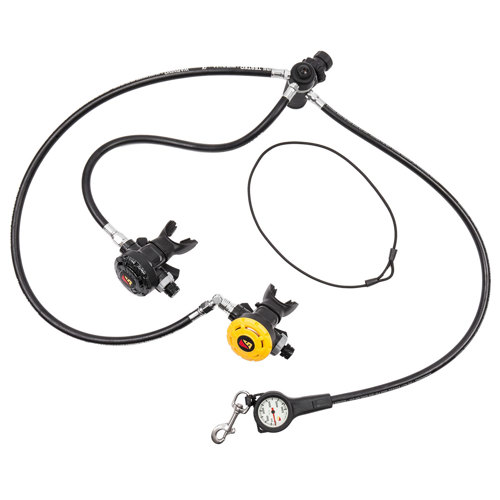
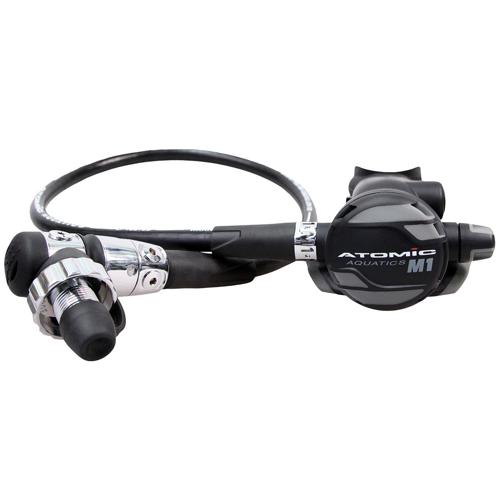
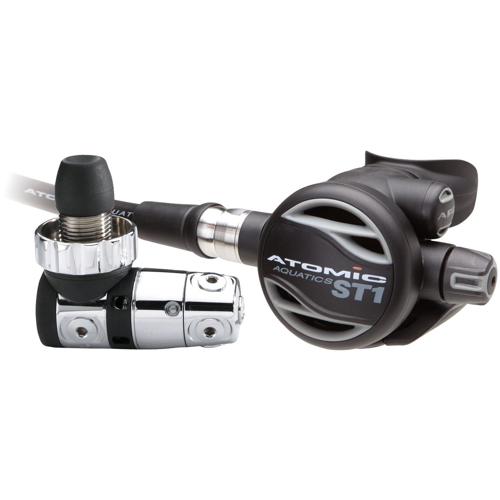
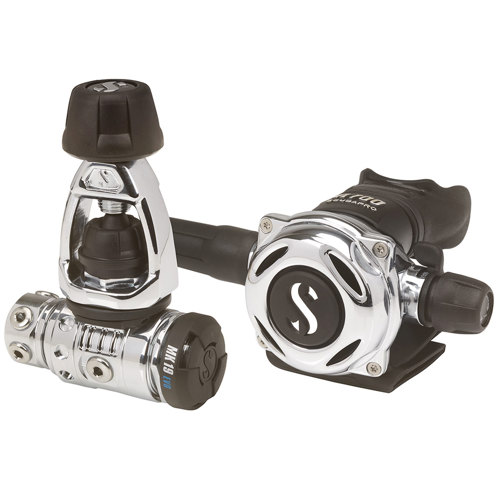
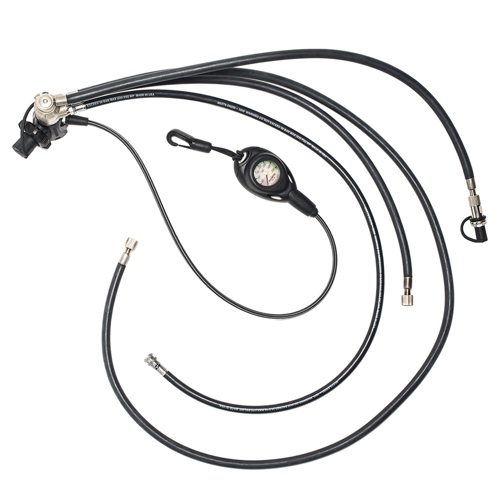
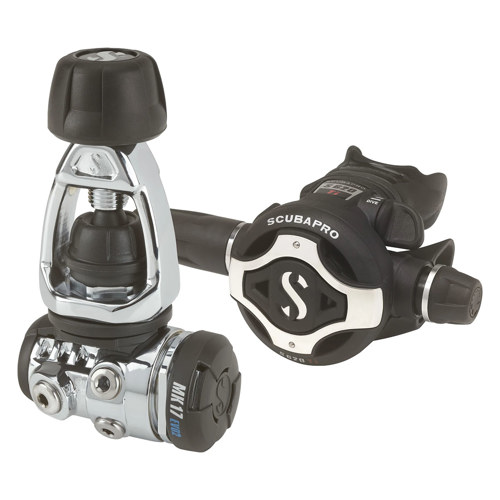
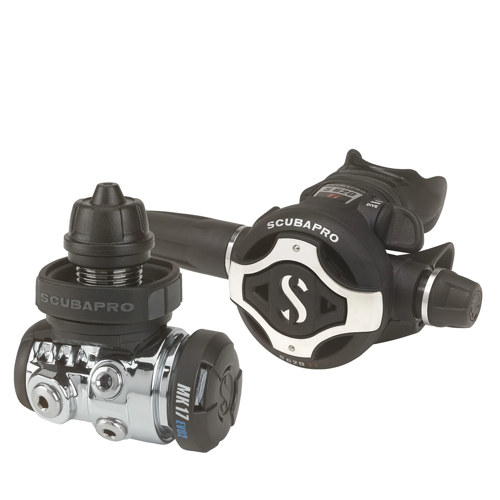
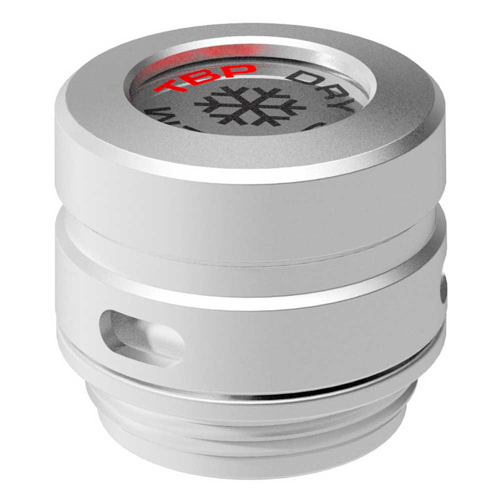
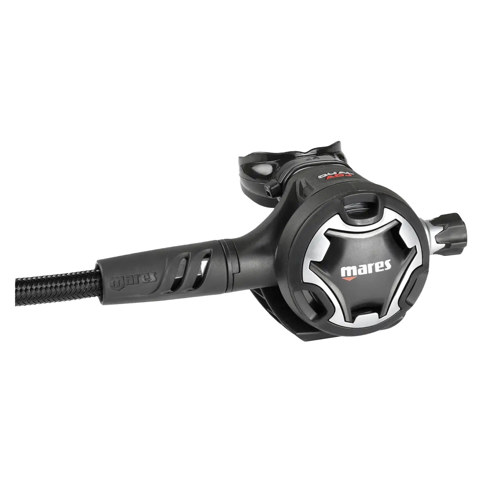
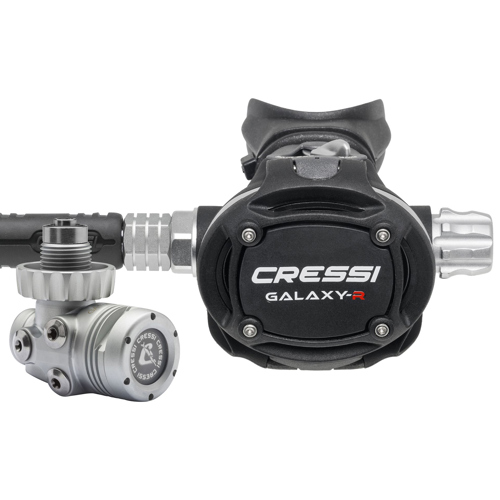
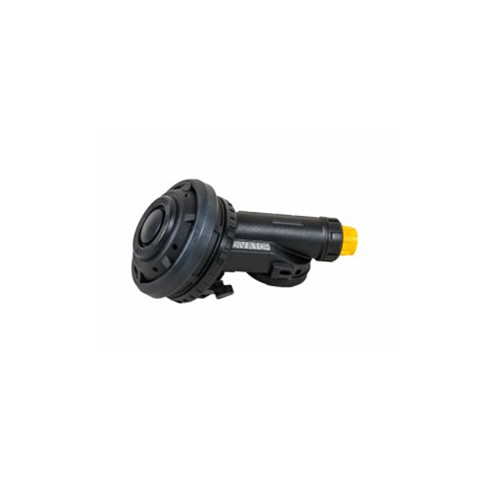
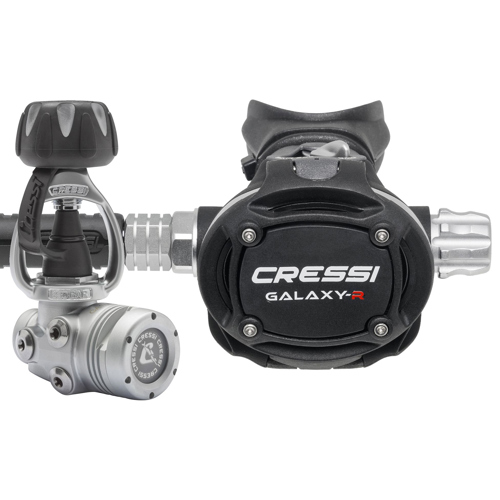
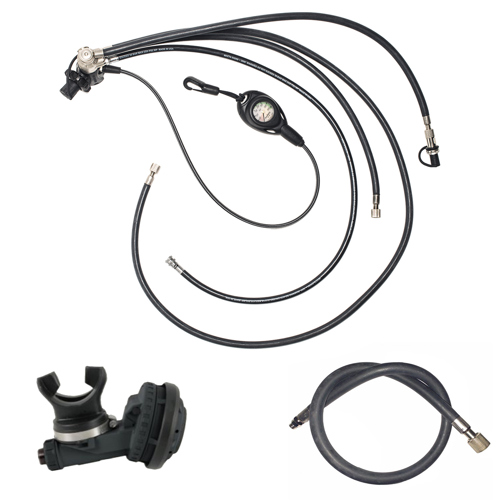
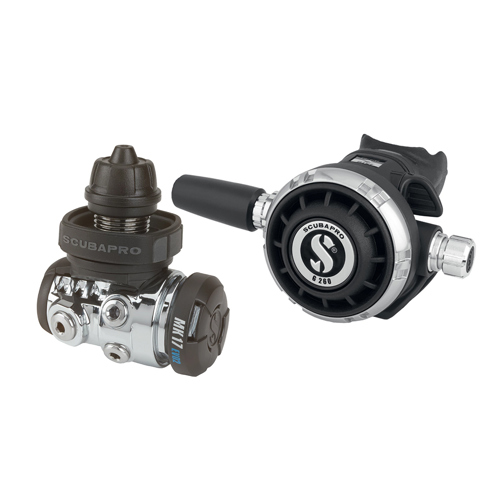
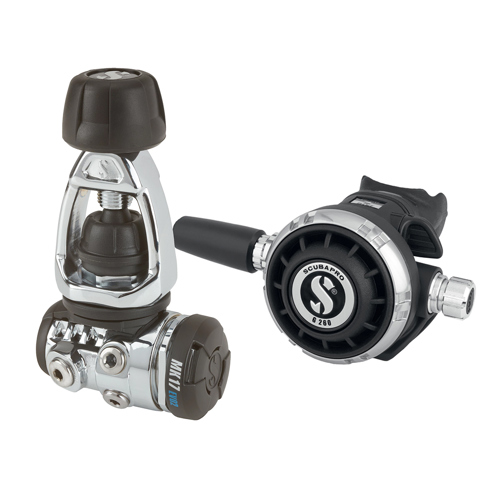
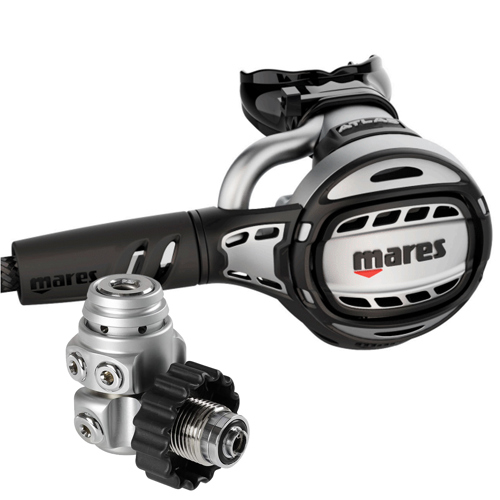
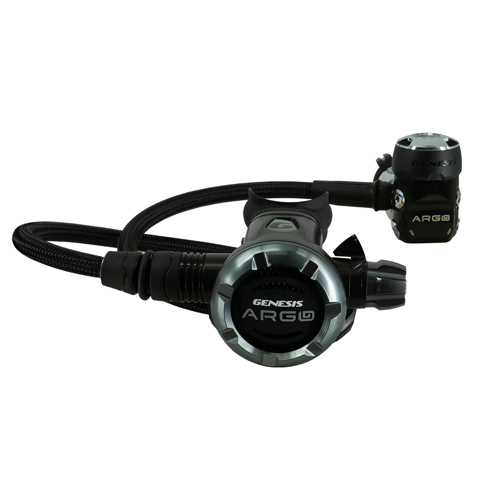
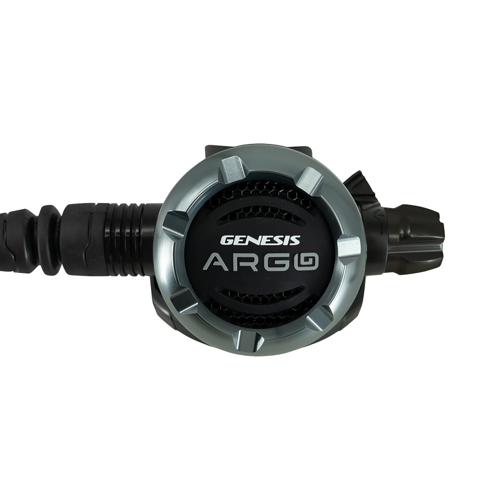
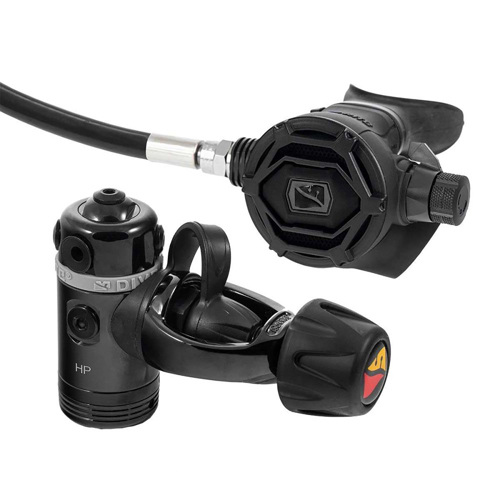
When it comes to contaminated water diving, selecting the right regulator is not just a matter of comfort—it’s a matter of safety and reliability. These specialized regulators are engineered to withstand the unique challenges posed by environments where water quality is compromised by pollutants, silt, sand, or biological hazards. Whether you’re a public safety diver responding to emergencies in urban waterways, a scientific researcher collecting samples in industrial harbors, or a professional working in post-flood conditions, the demands placed on your gear are immense. Regulators for contaminated water diving are designed with environmentally sealed, diaphragm-type first stages, ensuring that no contaminants can penetrate the internal mechanisms. This sealing feature is crucial, as it prevents corrosive agents, debris, and micro-organisms from compromising the performance of the regulator, maintaining consistent airflow and reducing the risk of malfunction when you need reliability most. The robust construction of these regulators also makes them suitable for extreme cold or silty conditions, where ordinary equipment might falter. In the colder months of November and beyond, when water temperatures drop and visibility decreases, having a sealed system means you can focus on the task at hand without worrying about equipment failure due to freezing or clogging.
These high-performance regulators are not just for professionals; they’re also an excellent choice for advanced recreational divers who find themselves exploring less-traveled waters or participating in cleanup efforts. The peace of mind that comes from knowing your breathing apparatus is protected against contamination allows you to concentrate fully on your dive objectives, whether that’s inspecting submerged infrastructure, assisting in environmental restoration, or training for emergency response scenarios. Many divers have recounted the stark difference a properly sealed regulator makes when surfacing from a murky, debris-laden river or after navigating the unpredictable currents of a floodplain. The tactile confidence of a regulator that delivers smooth, reliable airflow—despite what’s swirling outside—is invaluable. Additionally, for those looking to gift a diver who works in challenging environments, a regulator built for contaminated water diving is a thoughtful and practical choice, reflecting a deep understanding of their needs and the realities of their underwater pursuits. The durability and advanced sealing of these regulators ensure that, season after season, they remain a trusted companion, whether the dive is in a bustling harbor in winter or a remote canal in early spring.
When evaluating which regulator to choose for contaminated water diving, it’s essential to consider factors such as ease of maintenance, compatibility with full-face masks, and proven performance in real-world conditions. Many divers gravitate toward models that are not only sealed but also constructed with materials that resist corrosion and are easy to decontaminate after use. Features like overbalanced diaphragm designs, integrated exhaust tees, and compatibility with accessories such as the dive rite ft1 can enhance both safety and comfort. It’s also helpful to consider how your equipment will perform in different types of freshwater and saltwater environments, especially if your diving takes you from polluted urban lakes to silty riverbeds. For those interested in exploring a broader range of diving conditions, including less hazardous but still challenging environments, our curated selection of
Regulators For Diving In Lakes provides additional options tailored to the unique demands of lake diving. Ultimately, investing in a regulator designed for contaminated water is an investment in your safety, your peace of mind, and your ability to meet the demands of any dive, no matter how unpredictable the environment may be. With the right equipment, you’re prepared for whatever lies beneath the surface, from the chill of November waters to the complex challenges of contaminated sites.