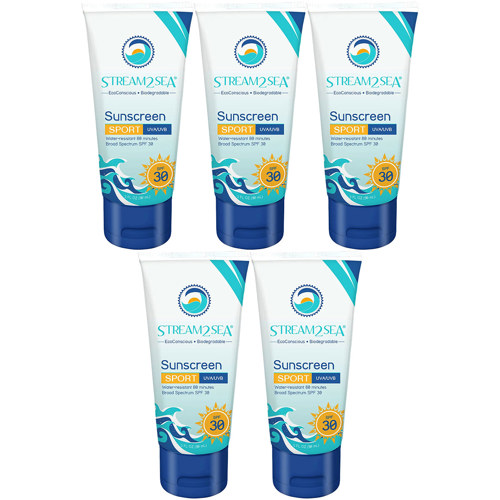
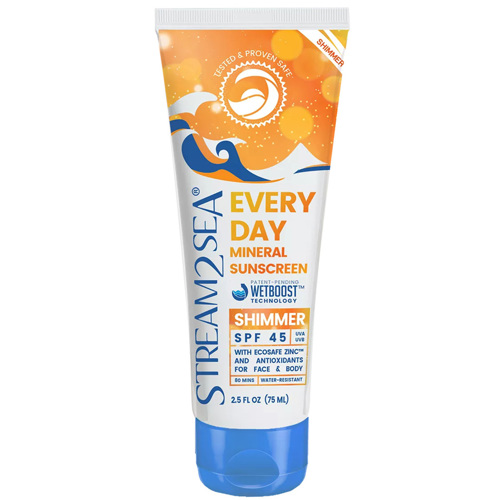
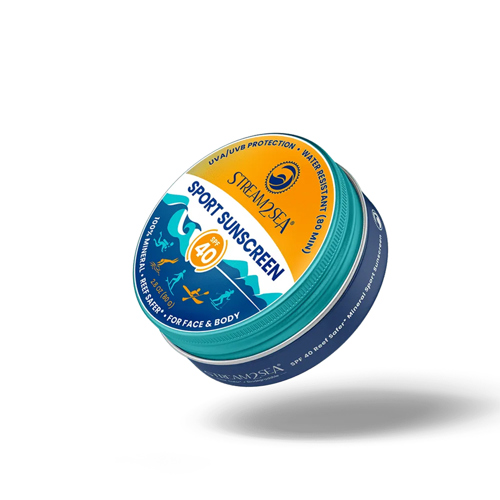
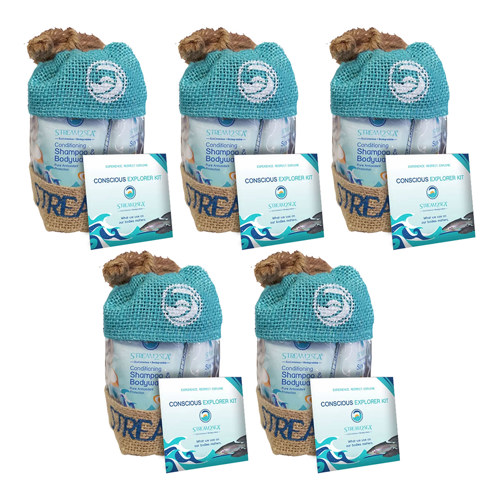
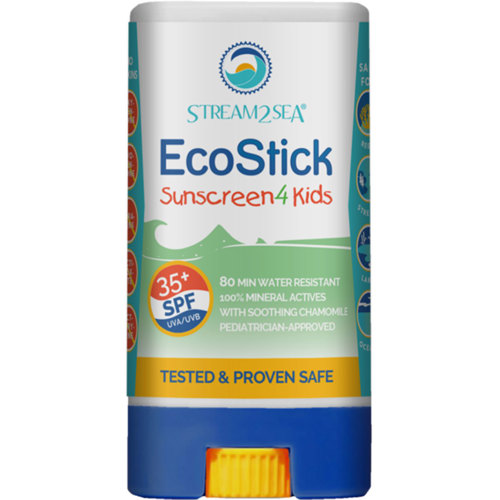
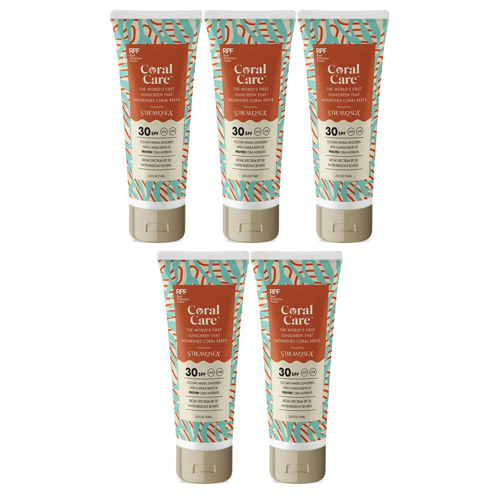
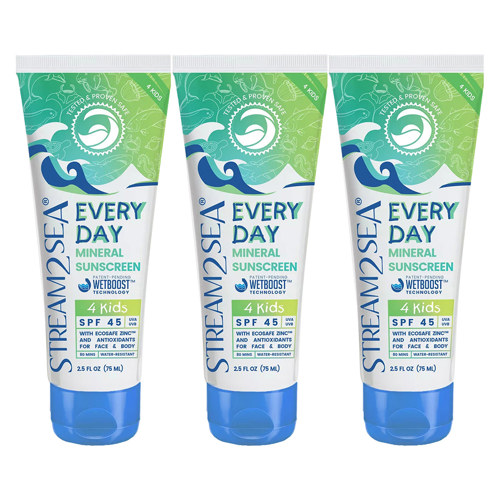
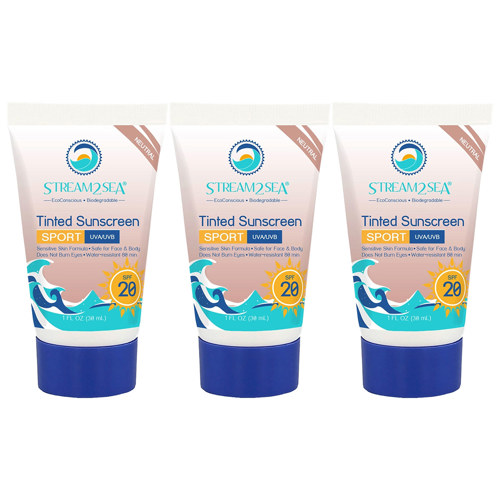
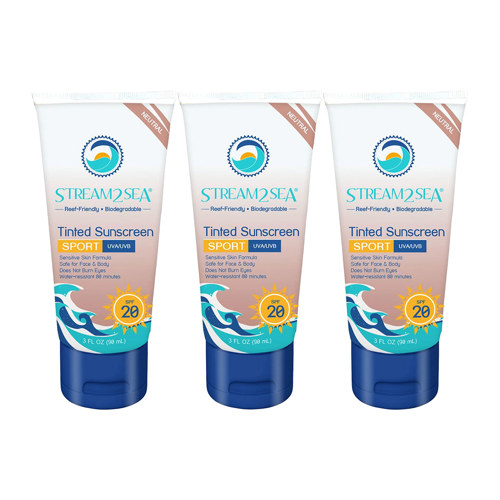
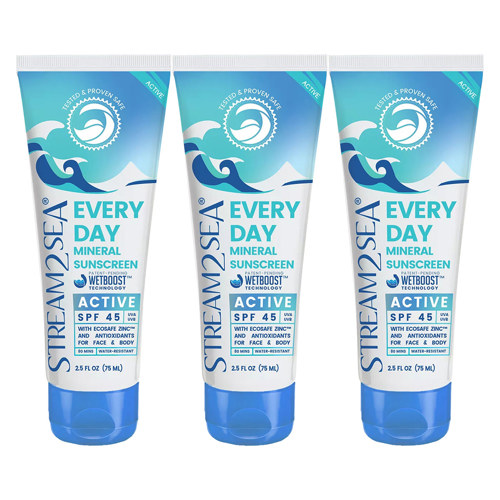
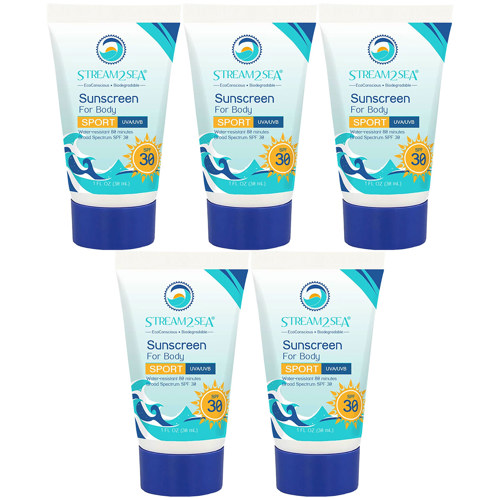
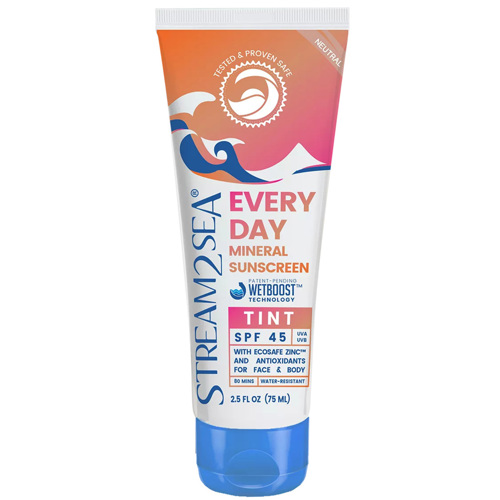
As the days grow longer and the sun climbs higher, more people find themselves drawn to the coastlines, eager to explore vibrant coral reefs and crystal-clear waters. Whether you’re an avid snorkeler, a dedicated scuba diver, or simply someone who loves to spend time at the beach with family and friends, protecting your skin from the sun’s rays is a top priority. However, for those who cherish the ocean, it’s just as important to protect the delicate marine environments that make these adventures possible. Reef safe sunscreens have become an essential addition to every ocean lover’s gear bag, offering a way to enjoy the outdoors while minimizing harm to coral reefs and marine life. These sunscreens are especially popular among travelers heading to renowned snorkeling destinations, parents packing for family beach days, and thoughtful gift-givers looking for a practical, eco-conscious present for birthdays, graduations, or summer holidays. In fact, gifting a set of reef safe sun care products can be a meaningful gesture for anyone passionate about sustainability, water sports, or travel.
When choosing the best reef safe sunscreen for snorkeling, swimming, or any activity in or near the water, it’s important to look beyond marketing claims and focus on the ingredients. The most reliable formulas use mineral-based physical blockers like non-nano zinc oxide or titanium dioxide, which sit on top of the skin to reflect UVA and UVB rays. These ingredients are less likely to disrupt marine ecosystems than chemical filters such as oxybenzone, octinoxate, and octocrylene—compounds that have been directly linked to coral bleaching and long-term damage to reef health. Non-nano formulas are particularly recommended because their larger particles are less likely to be absorbed by corals and other marine organisms, making them a safer choice for ocean-friendly sun protection. Many ocean conservationists and experienced divers have made the switch after witnessing firsthand the impact of chemical sunscreens on popular reefs, noting how even small changes in personal care routines can contribute to the preservation of these underwater treasures. For those new to the world of reef safe products, reading ingredient labels carefully and opting for lotions or sticks over sprays—which can disperse more product into the environment—can make a significant difference. This attention to detail is especially important during the warmer months, when increased sun exposure and water activities coincide with higher sunscreen use.
Selecting a reef safe sunscreen can also be a thoughtful way to introduce friends and family to more sustainable habits. These products are well-suited for anyone planning a tropical getaway, a day of paddleboarding, or even just a picnic by the lake. They’re also a favorite among outdoor educators, youth group leaders, and nature camp counselors who want to set a positive example for the next generation of ocean stewards. For those seeking more in-depth information on how to choose and use ocean-friendly sunscreens, our
Eco-Friendly Sunscreens for Marine Safety resource offers additional guidance, including tips on what to avoid and how to check for truly reef safe ingredients. By making informed decisions and sharing these products with others, you help ensure that the reefs and marine habitats we love today will remain vibrant and accessible for explorers in seasons to come.