Predictive Multi Gas Algorithms
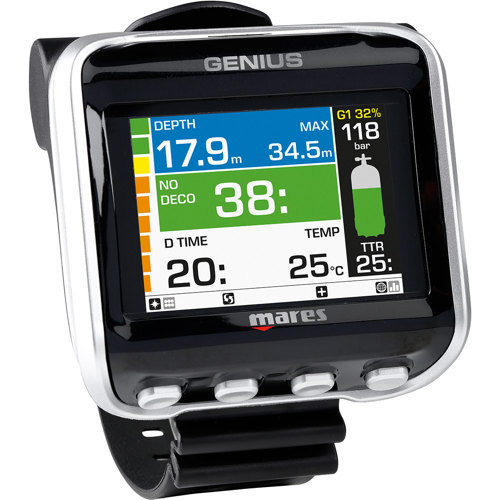
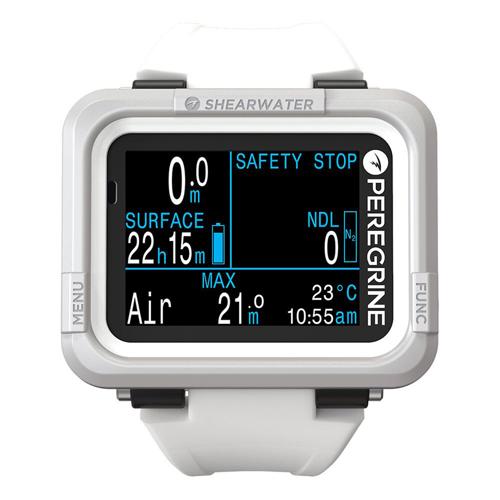
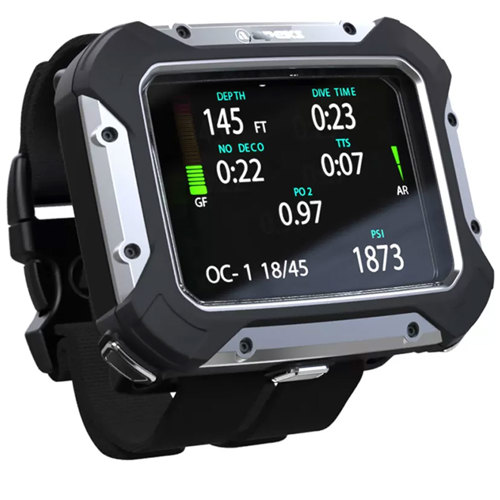
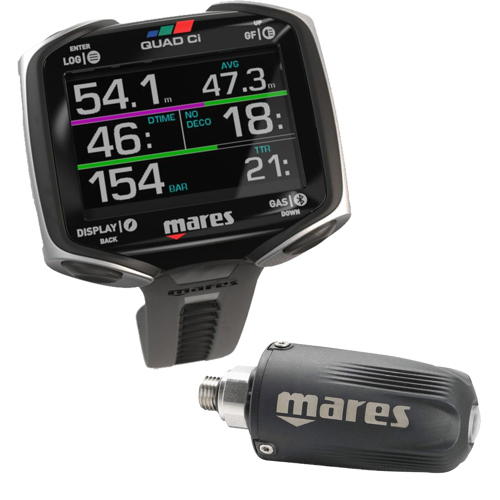
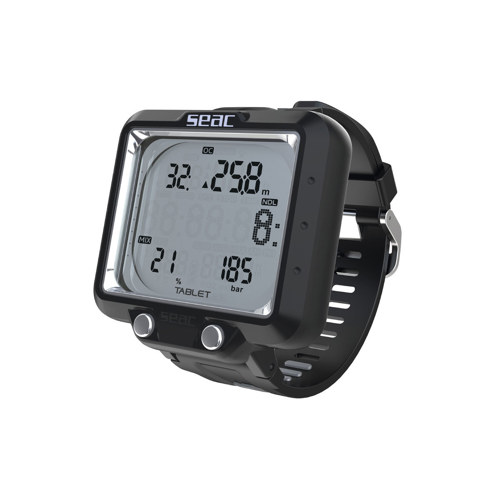
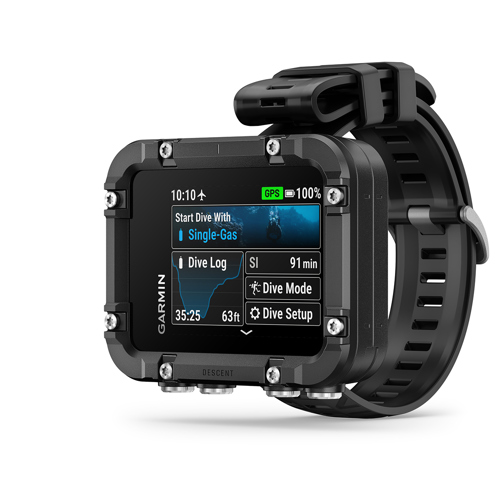
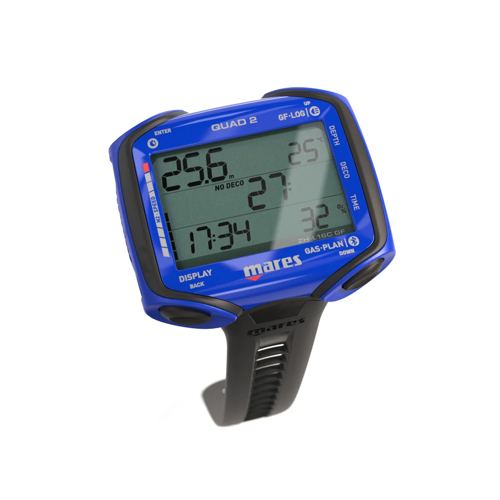
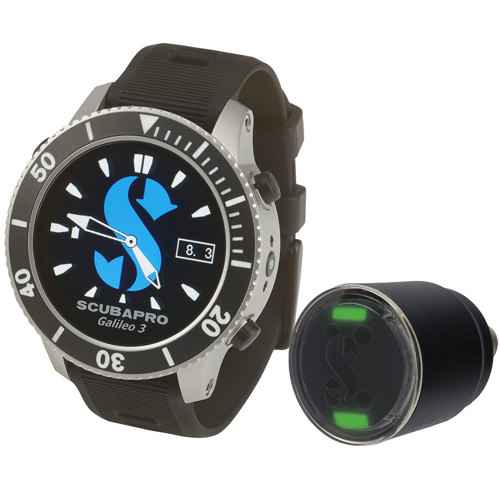
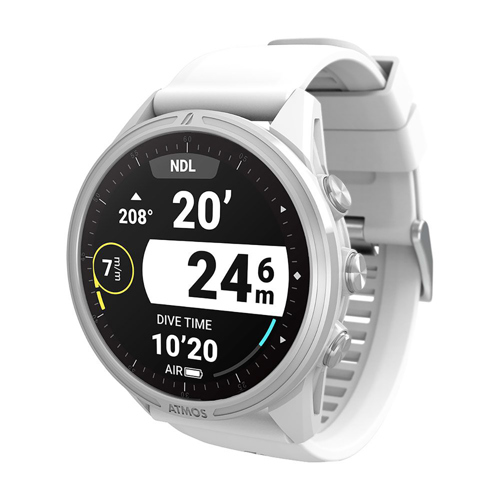
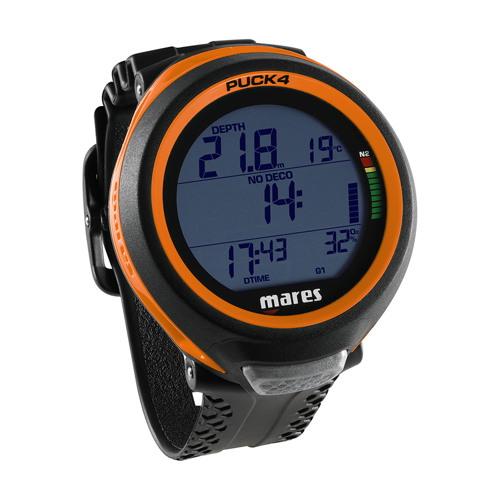
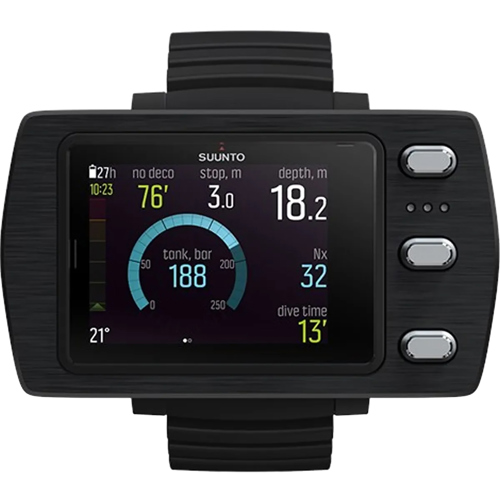
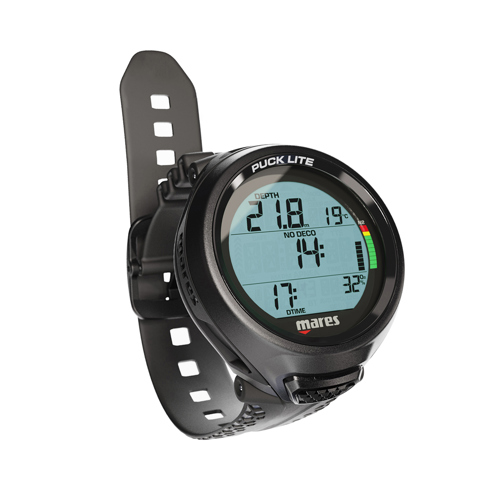
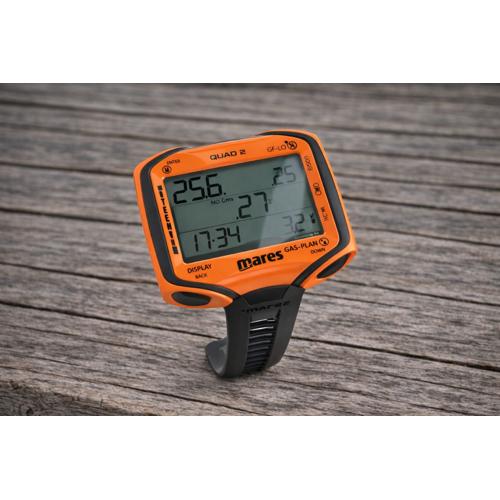
For divers seeking to expand their underwater horizons, predictive multi gas algorithms represent a significant evolution in dive technology, offering both seasoned explorers and ambitious learners a new level of safety and precision. These advanced algorithms are at the heart of modern dive computers, enabling the calculation of decompression schedules across multiple breathing gases—such as Nitrox and Trimix—tailored to the diver’s planned gas switches and real-time physiological data. By analyzing factors like breathing rate and heart rate, these systems dynamically adjust nitrogen loading calculations, providing a more accurate reflection of each diver’s unique profile. This is especially valuable for technical divers who plan complex dives with several gas changes, as well as for instructors guiding students through advanced certifications. The flexibility to switch between gases at predetermined depths not only optimizes decompression efficiency but also reduces overall decompression time, making extended and deeper dives more accessible while maintaining a strong focus on safety.
As winter gives way to spring, many divers begin planning trips to warmer waters or prepping for advanced courses that demand heightened awareness and control. For those looking to upgrade their setup or find a meaningful gift for a dedicated diver, a device equipped with predictive multi gas algorithms is a thoughtful and practical choice. Such technology is particularly appreciated by divers who enjoy exploring wrecks, caves, or deeper reefs, where managing multiple gases is essential. The ability to adjust micro-bubble levels—typically through a range of conservatism settings—lets users tailor their decompression strategy to their personal risk tolerance and diving conditions, offering peace of mind whether you’re embarking on a challenging technical descent or a leisurely multi-level recreational dive. Anecdotally, many divers recall the confidence boost that comes from seeing their dive computer adapt on the fly, recalculating schedules if a gas switch is missed or conditions change unexpectedly. This redundancy, where the computer can display decompression schedules for both the current gas and the planned sequence, serves as a critical safety net on complex dives.
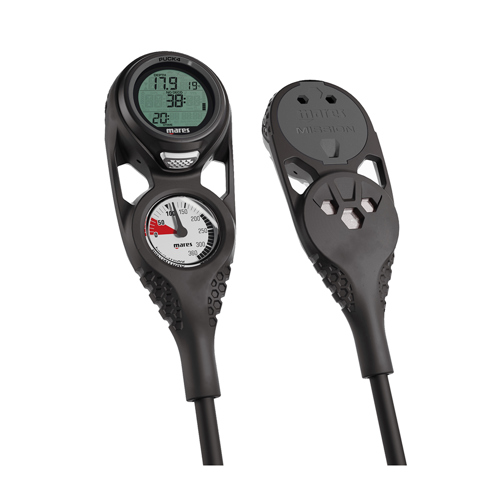
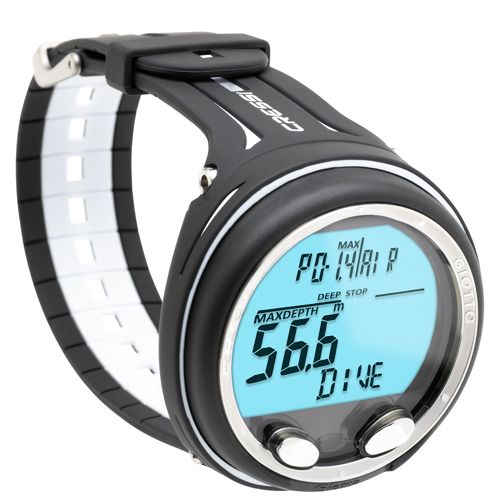
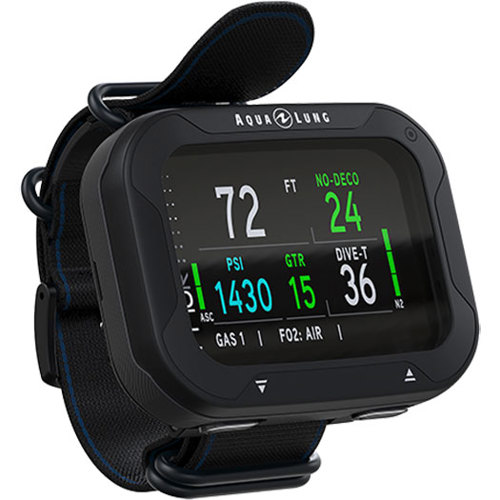
Beyond the world of recreational and technical diving, predictive multi gas algorithms have found applications in industrial safety, where they are used to detect and identify hazardous gases with the help of machine learning and neural network models. However, for those of us who live for the thrill of the underwater world, these algorithms are most appreciated for their ability to transform dive planning and execution. Whether you’re a dive professional seeking reliability for your students, a tech diver pushing the limits of exploration, or a loved one searching for a gift that will be used and valued on every adventure, the right equipment can make all the difference. To explore a curated selection of devices featuring these cutting-edge predictive algorithms, visit our comprehensive guide to
Multi Gas Dive Computers and discover how the latest technology can enhance your next dive.