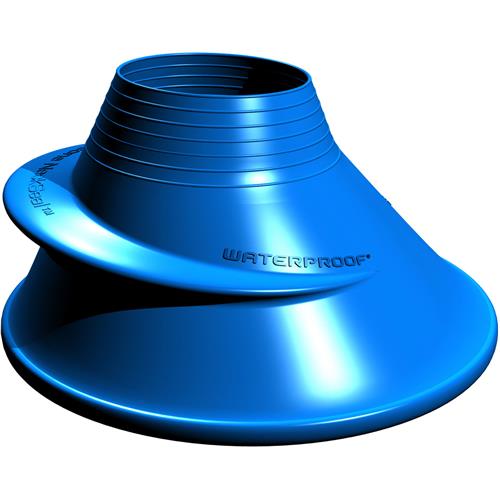
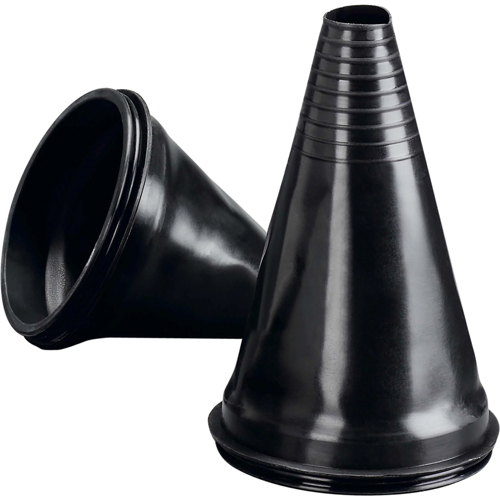
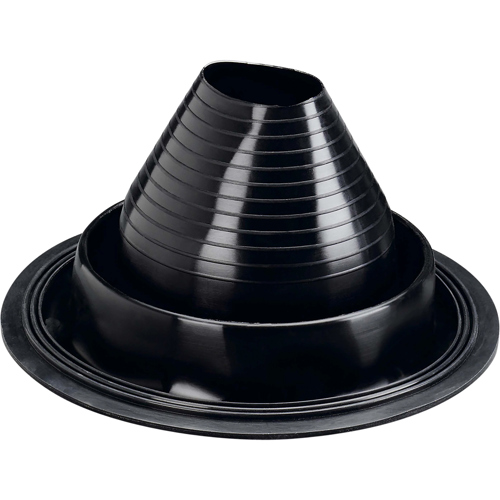
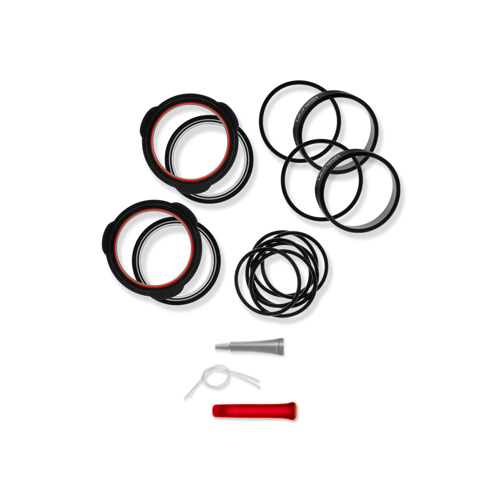
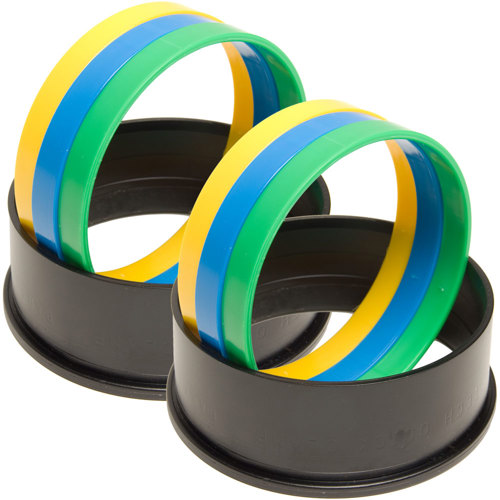
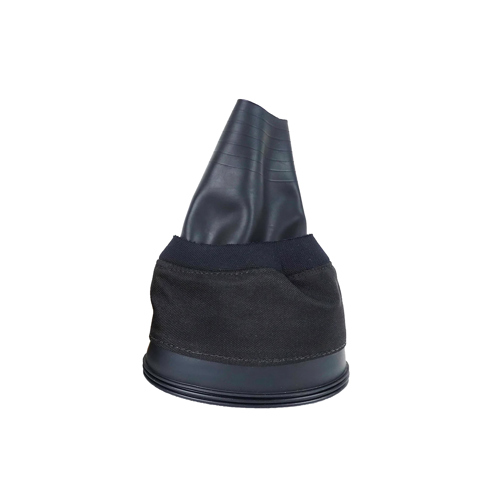
For divers and water sports enthusiasts who spend extended hours in the water, the choice of wrist and neck seals is more than a matter of comfort—it's about safety, performance, and personal well-being. Latex alternative seals have become increasingly popular as technology and materials have evolved, offering a range of solutions for those with latex allergies, as well as for anyone seeking enhanced durability and comfort. Silicone seals, for example, have gained a strong following thanks to their hypoallergenic properties and their soft, supple feel against the skin. Unlike latex, silicone is notably resistant to UV rays and ozone, which means these seals can endure long days of summer sun and repeated exposure to saltwater without deteriorating as quickly. This makes them an excellent choice for divers who frequently travel or participate in multi-day expeditions, as well as for professionals working in harsh marine environments. Neoprene seals, on the other hand, provide a thicker, more insulating barrier, which many cold-water divers appreciate when the water temperature drops during the shoulder seasons. The plush, rugged texture of neoprene can be especially comforting during early morning dives or late-season outings, when a little extra warmth goes a long way. GlideSkin neoprene, with its ultra-smooth finish, offers an easy-on, easy-off experience that minimizes chafing and makes gearing up less of a hassle—ideal for paddlers, kayakers, and anyone who values convenience alongside protection.
When considering a switch to latex alternative seals, it’s important to think about your specific needs and the conditions you most often encounter. If you’re shopping for a loved one who’s passionate about scuba diving, snorkeling, or paddling, these seals can make a thoughtful and practical gift—especially for someone who has struggled with latex sensitivity or who is looking to extend the life of their gear. The versatility of modern seals means there’s a solution for nearly every activity and body type. Some alternatives are designed for quick replacement, allowing divers to swap out damaged or worn seals with minimal downtime, which is a real bonus during busy dive seasons or on liveaboard trips where repair resources may be limited. Others are tailored for ruggedness, built to handle repeated stretching, donning, and exposure to abrasive sand or rocky entry points. Whether you’re a recreational diver gearing up for warm-water adventures as the weather shifts, a technical diver prepping for deep, cold descents, or a paddler exploring winding rivers and coastal inlets, the right seal can make all the difference in comfort and confidence. For those who are comparing all the available options, it’s also helpful to review traditional choices such as
Latex Cuff Seals to better understand how the latest alternatives stack up in terms of fit, longevity, and maintenance.
Across the early summer to early fall window, when water activities are at their peak and gear gets frequent use, investing in latex alternative seals can help ensure that every outing is safe and enjoyable. These seals are engineered to reduce common frustrations—like sticky residue, allergic reactions, or premature cracking—while delivering a secure, watertight fit that stands up to repeated dives, rolls, and splashes. Many divers and water sports enthusiasts share stories of how a switch to silicone or neoprene seals has transformed their experience, allowing them to focus on the underwater world or the rhythm of their paddle rather than the discomfort of an ill-fitting or irritating seal. With thoughtful care, these alternatives can last through multiple seasons, making them a smart addition to any gear bag—whether you’re gifting them to a seasoned explorer or upgrading your own kit for the adventures ahead.