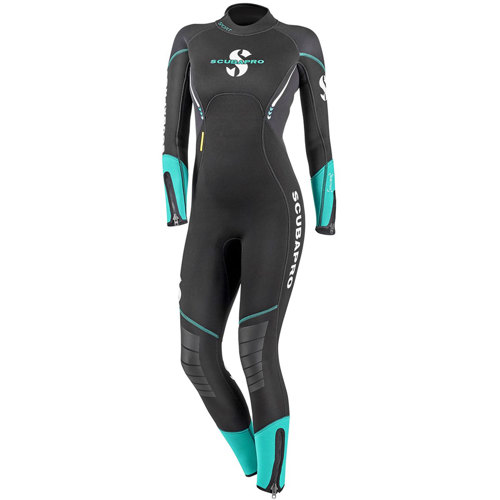
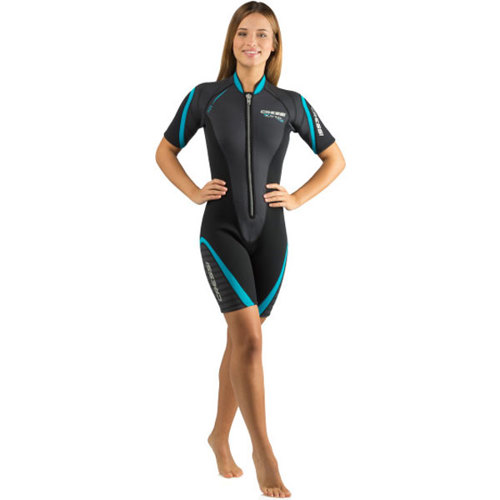
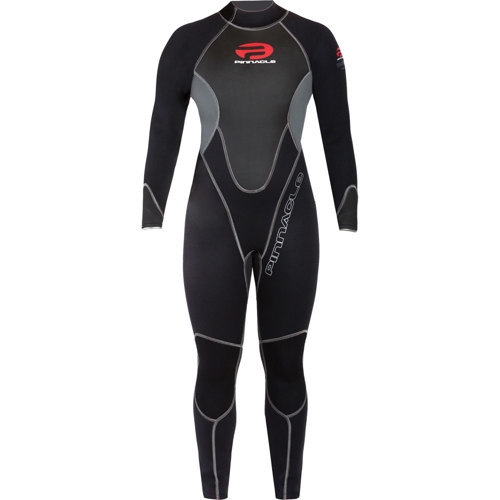
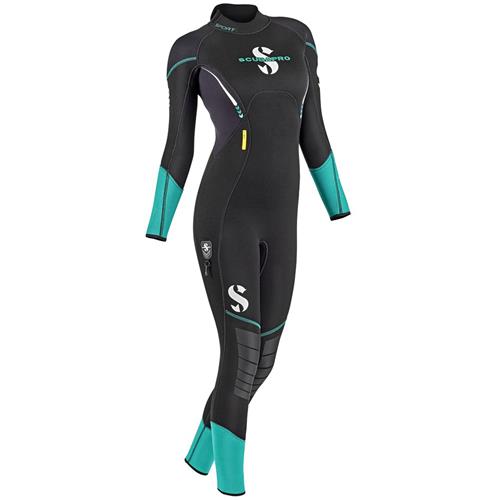
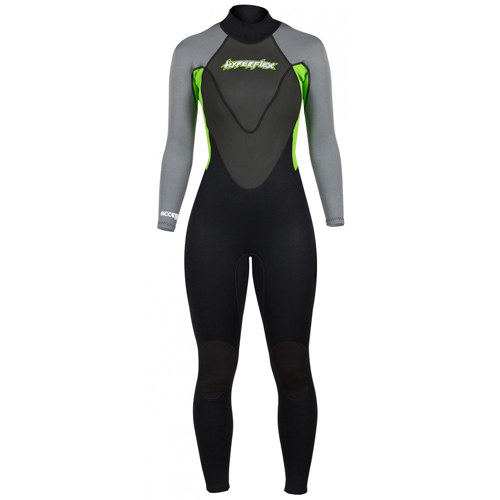
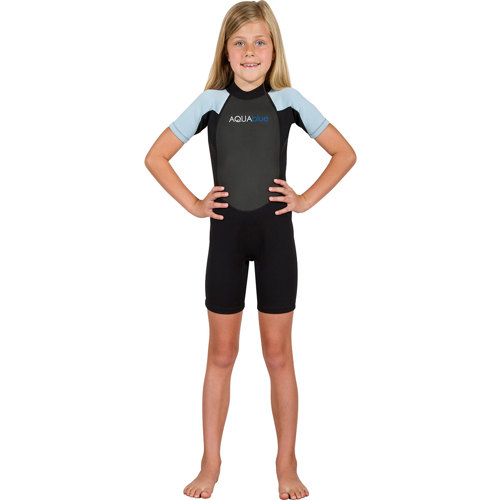
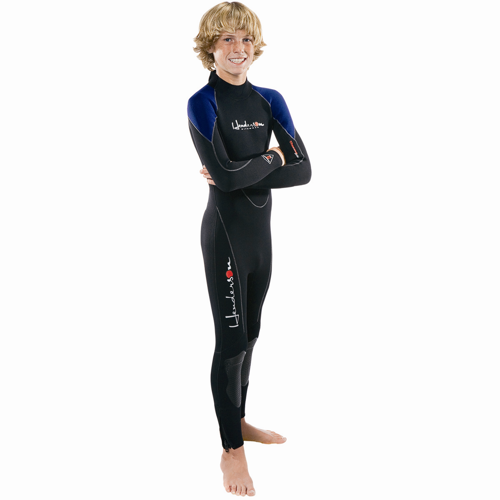
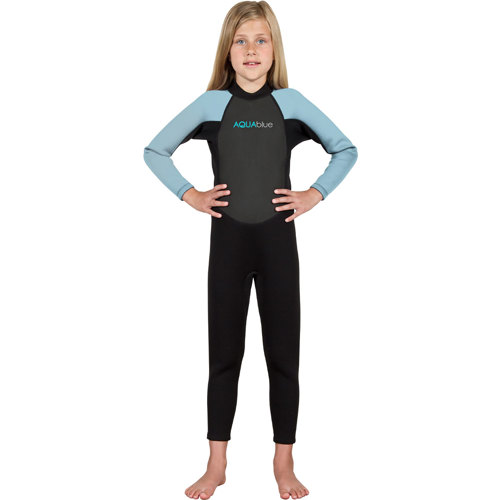
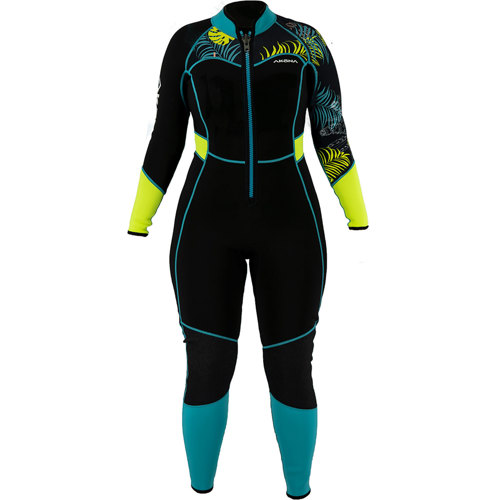
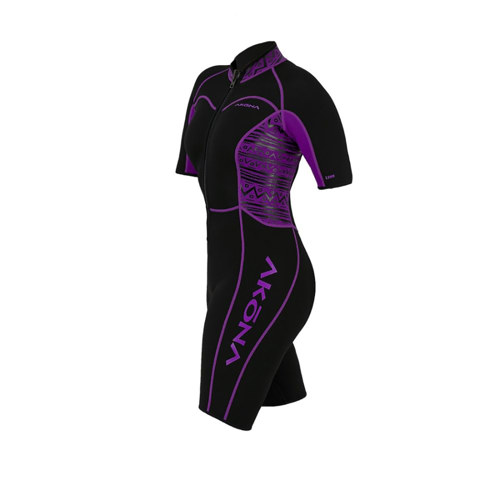
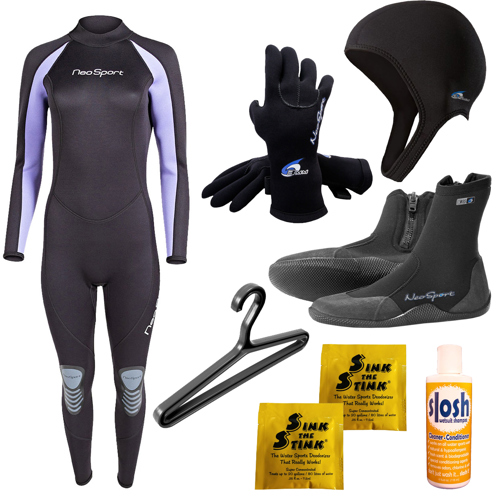
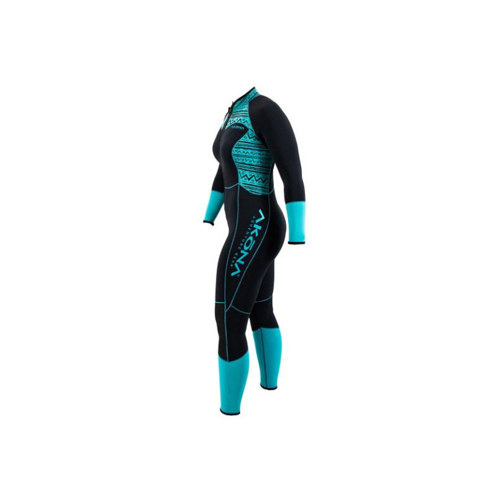
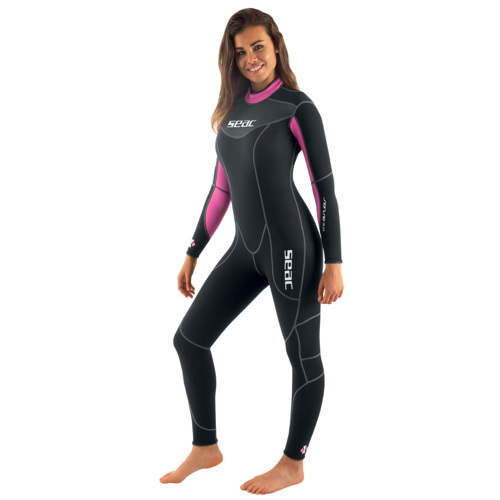
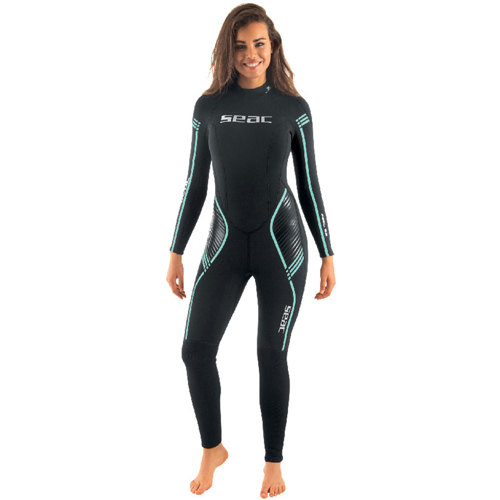
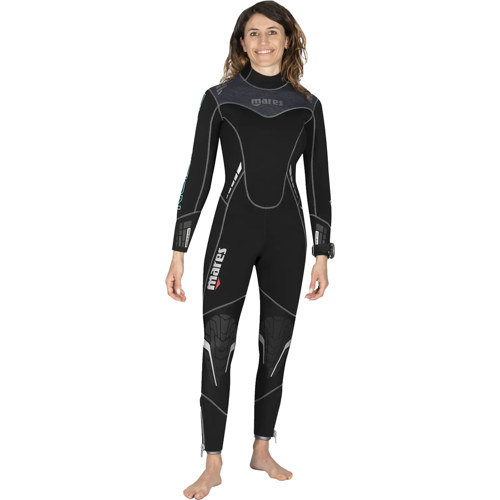
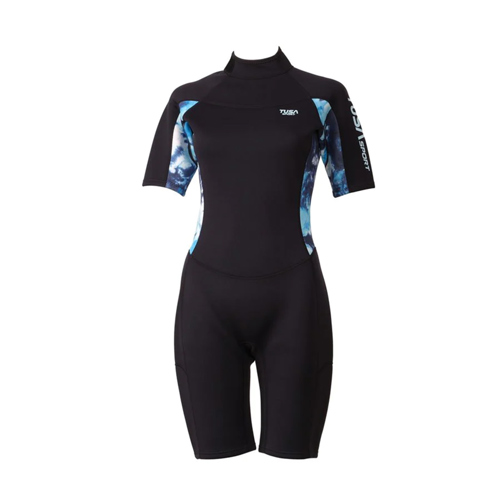
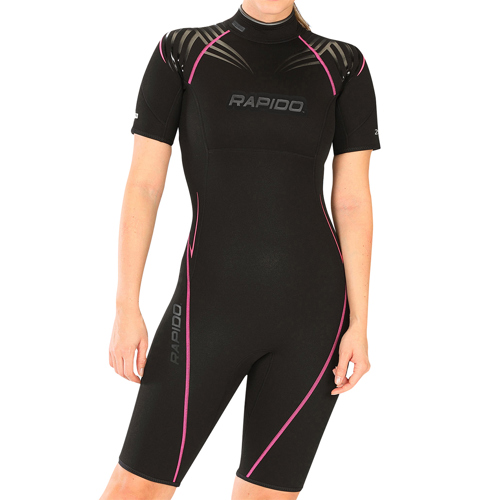
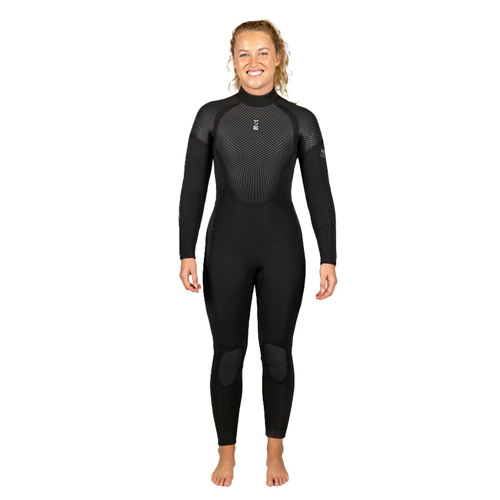
Choosing her first wetsuit is a memorable milestone for any woman or girl venturing into the world of water sports, whether it’s for scuba diving, snorkeling, surfing, or simply enjoying longer swims in open water. A wetsuit is more than just an accessory; it’s a gateway to comfort, confidence, and safety in aquatic environments. As the weather warms and the days stretch longer, families, friends, and solo adventurers alike look forward to time spent by the shore or at the lake. For those new to the water or gifting a first wetsuit to a daughter, partner, or friend, the process is both practical and sentimental. A wetsuit provides essential thermal protection, shielding the wearer from chilly currents and sun exposure, and makes it possible to enjoy the water for extended periods without discomfort. The right fit is crucial: a wetsuit should hug the body like a second skin, with enough snugness to minimize water entry but enough flexibility to allow for natural movement, whether paddling, swimming, or exploring beneath the surface. Entry systems are another key consideration; back-zip wetsuits are often favored for their ease of use, especially for beginners, while chest-zip designs offer enhanced flexibility and water resistance, making them popular among those who quickly grow confident in their skills.
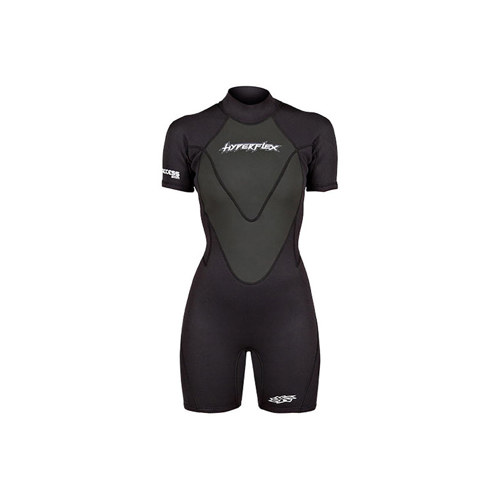
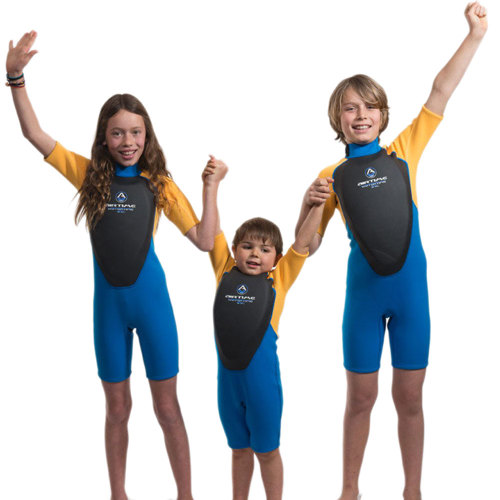
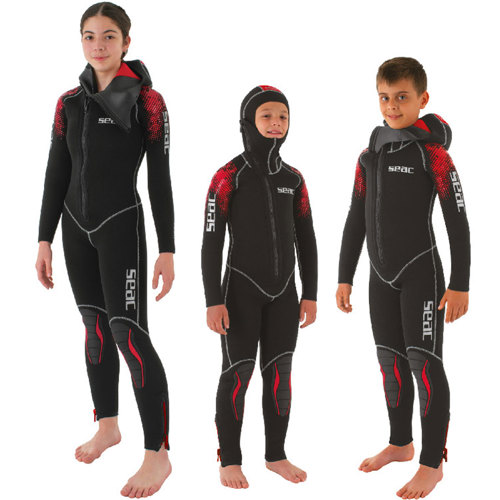
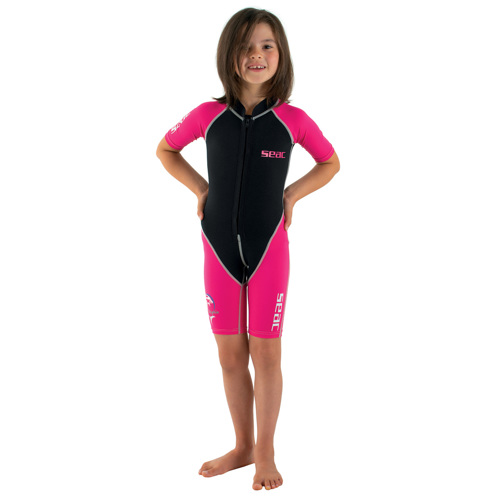
When selecting her wetsuit, thickness is one of the most important factors to consider. For late spring through late summer, a 2mm or 3/2mm suit often strikes the ideal balance between warmth and mobility, providing comfort in temperate waters without restricting movement. For those braving cooler conditions or planning early morning outings, a slightly thicker suit may be appropriate to ensure warmth. Children and teens, in particular, benefit from shorty wetsuits with lighter neoprene, which keeps them warm but doesn’t hinder play or learning. Gifting a first wetsuit can be a thoughtful gesture for birthdays, graduations, or as a special surprise to celebrate a new hobby or adventure. It’s a gift that encourages exploration, builds confidence, and creates lasting memories in and around the water. Many find that slipping into their first wetsuit is a rite of passage—one that marks the beginning of new experiences, from the thrill of a first dive to the joy of catching a gentle wave or discovering vibrant marine life just below the surface. For those seeking more information about wetsuit fit, care, and styling, our comprehensive resource on
Wetsuit Wear offers expert guidance and inspiration.
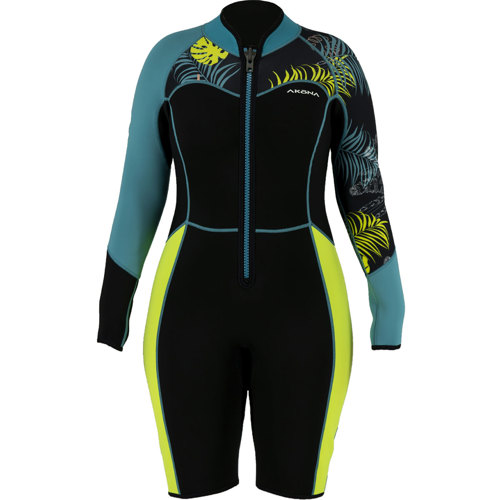
No matter the occasion or the recipient, her wetsuit should reflect both functional needs and personal style. Modern wetsuits come in a variety of colors and patterns, allowing each wearer to express individuality while staying protected. Features like UPF-rated materials, quick-drying linings, and ergonomic paneling add comfort and convenience, especially for those who spend long days by the water. Parents often appreciate suits with easy-entry zippers for kids, while adult beginners may prioritize stretch panels and anti-chafing seams. As the season unfolds, a well-chosen wetsuit becomes a trusted companion—whether for weekend getaways, summer camps, or spontaneous swims. The feeling of stepping into a perfectly fitted wetsuit, zipping up, and wading into the water is empowering and exhilarating. It’s about more than just staying warm; it’s about opening the door to new passions, building skills, and fostering a lifelong connection with the water.