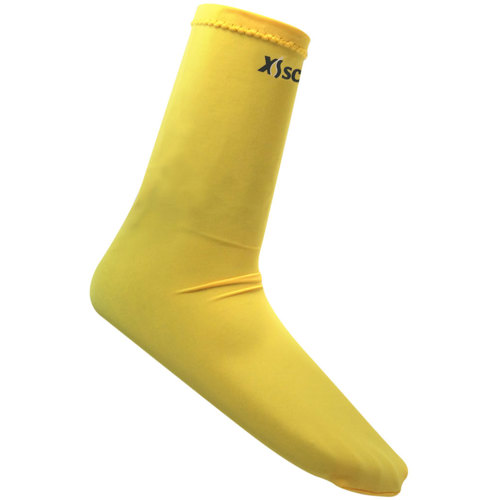
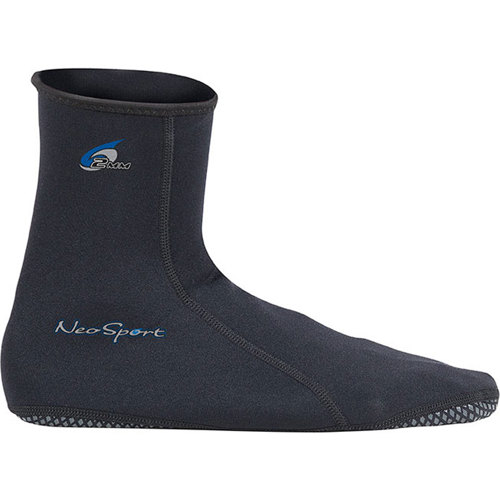
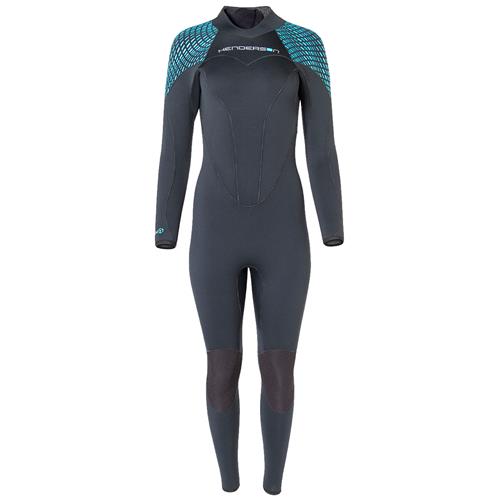
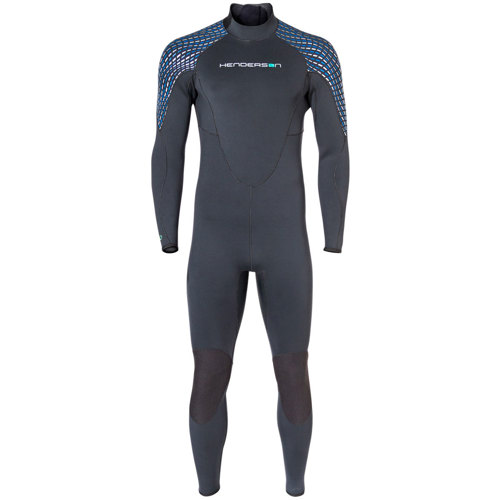
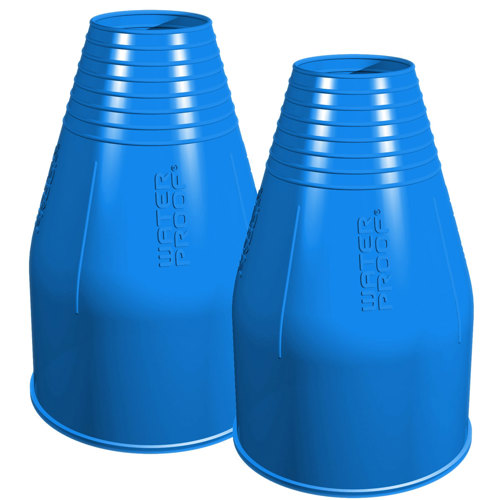
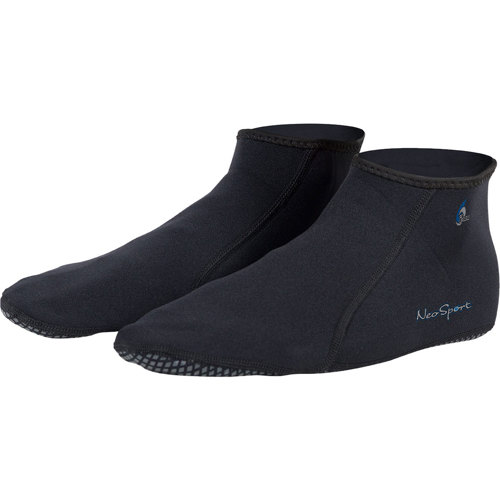
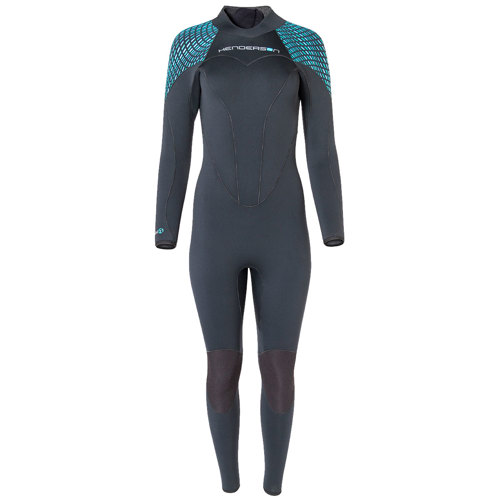
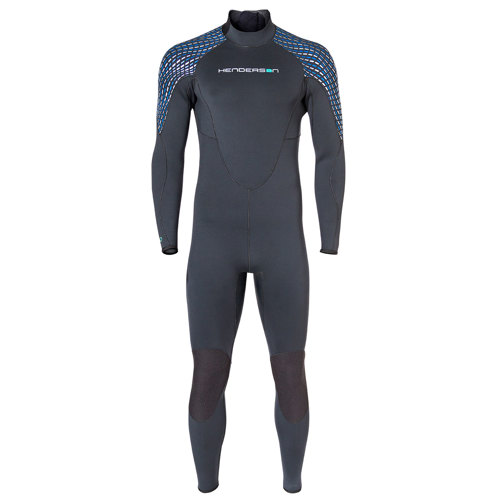
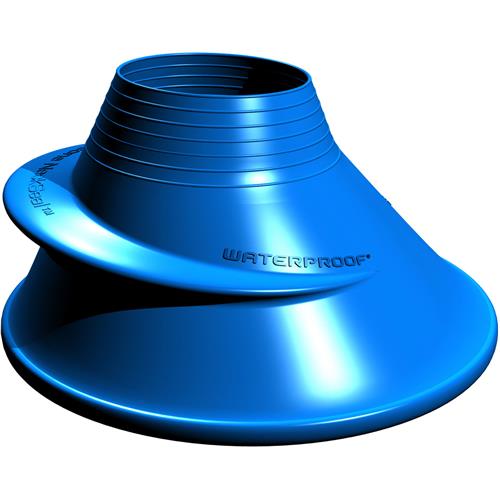
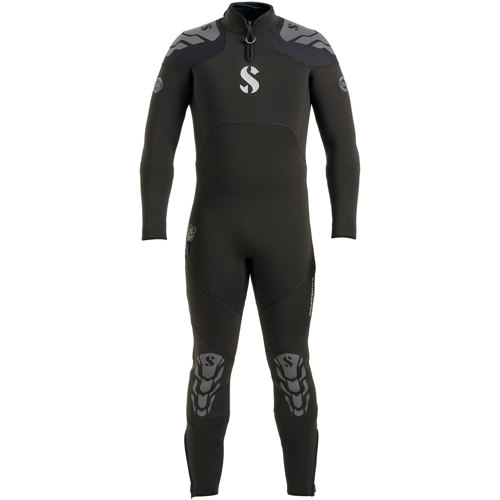
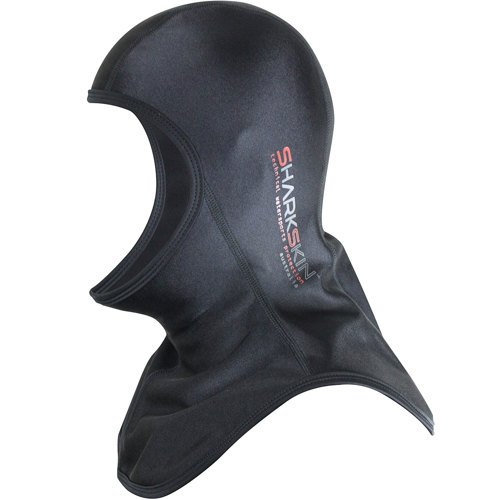
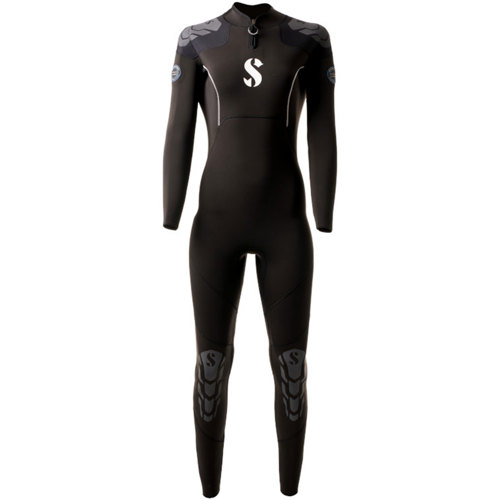
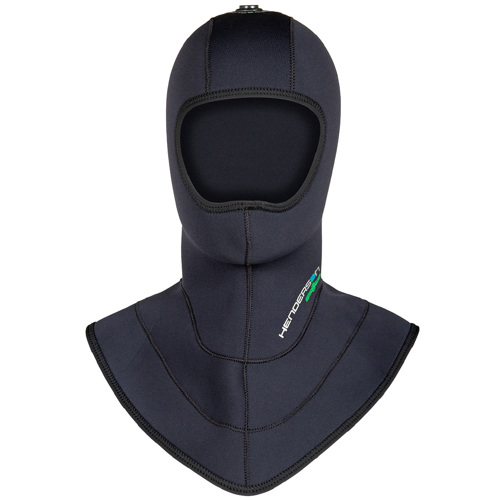
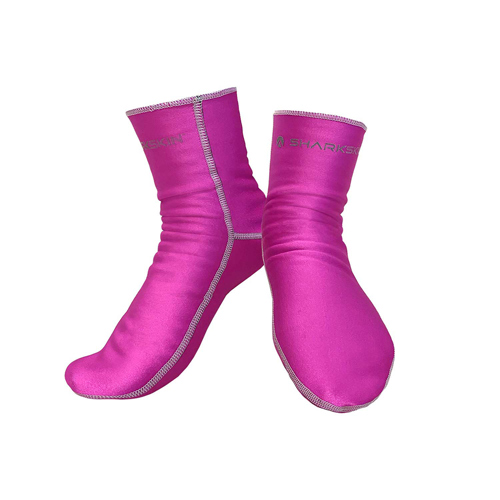
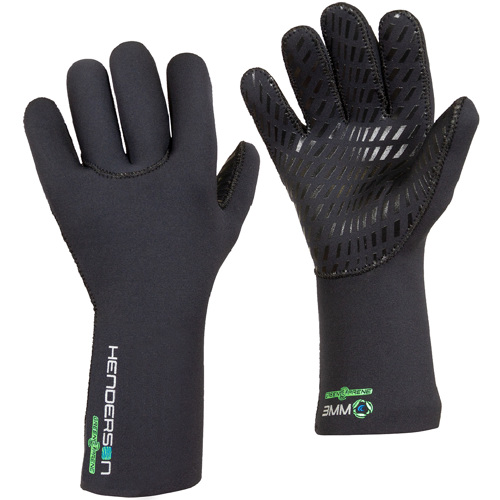
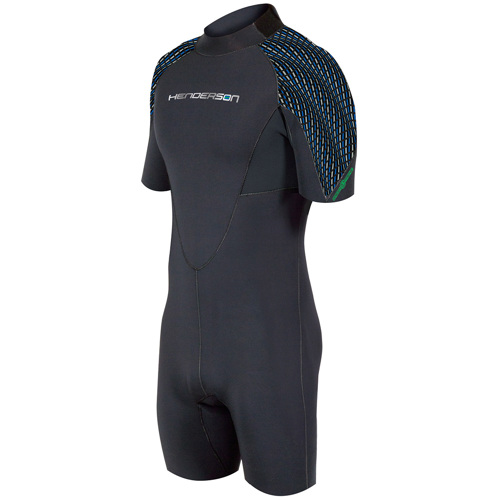
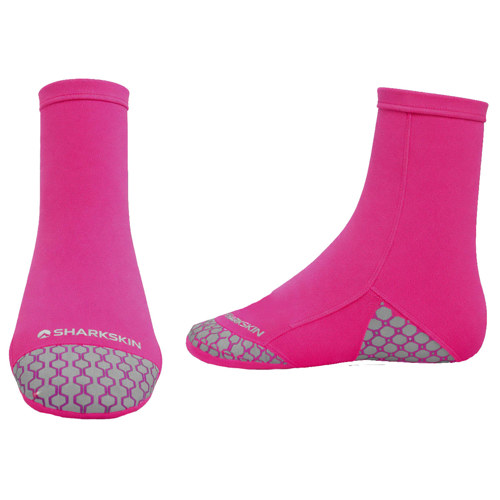
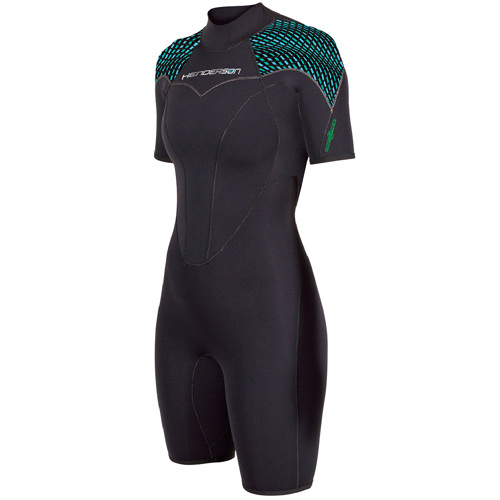
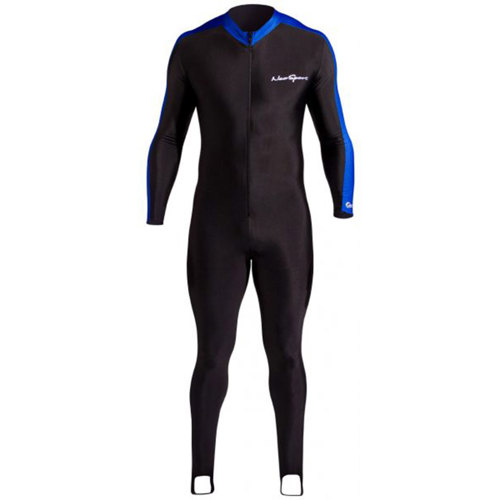
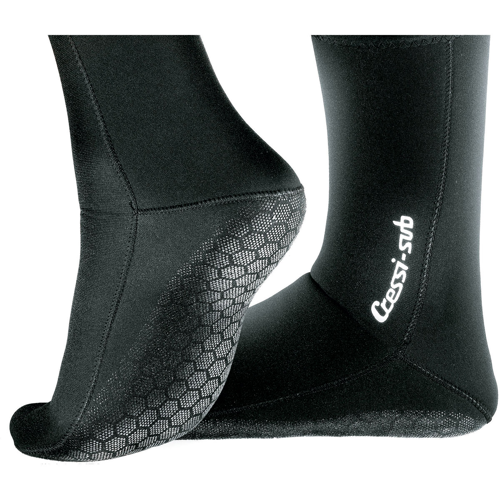
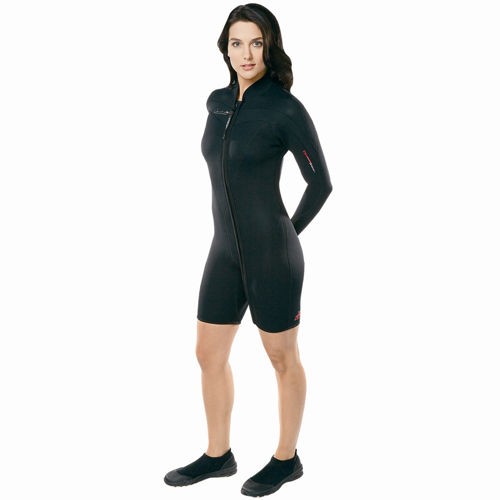
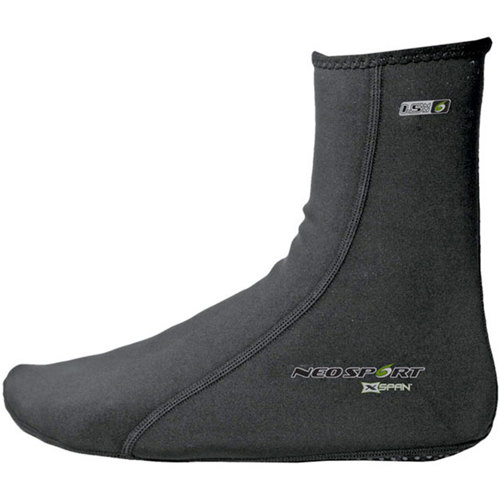
Neoprene sensitivity can put a damper on the excitement of diving, snorkeling, or any aquatic adventure, but there are thoughtful solutions designed to help you enjoy the water comfortably and safely. For many, the telltale signs of neoprene sensitivity—itching, redness, or a rash—may show up after contact with wetsuits, gloves, booties, or other neoprene-based gear. This reaction is often triggered not by the neoprene itself, but by the chemical additives used during the manufacturing process. If you’ve ever surfaced from a dive and noticed a persistent itch or irritation, you’re not alone. Many divers, swimmers, and water sports enthusiasts find relief by creating a protective barrier between their skin and neoprene. Layering with lightweight rash guards, full-coverage leggings, or long-sleeved synthetic shirts can make a significant difference, especially in early spring when water temperatures are still brisk and full-body coverage is essential. These underlayers not only shield sensitive skin but also add a touch of warmth, making them a practical addition to your gear bag as the new season kicks off.
Beyond physical barriers, some people find comfort in using anti-chafe balms or barrier creams designed for aquatic sports. These products can help reduce friction and prevent irritation where wetsuits or accessories tend to rub, such as around the neck, wrists, and ankles. It’s important to choose balms that are neoprene-safe—avoiding petroleum-based formulas that can degrade your gear over time. For those who have experienced more severe reactions, hypoallergenic alternatives to traditional neoprene, such as limestone-based or synthetic rubbers, are increasingly available and worth considering. These materials are often formulated without the common irritants that trigger sensitivity and are engineered to perform just as well in the water. Whether you’re shopping for yourself or looking for a thoughtful gift for a friend or family member who loves the ocean but struggles with neoprene sensitivity, these types of products can open up new possibilities for comfort and enjoyment. They’re especially appreciated by parents outfitting kids for their first snorkeling trip or by seasoned divers who want to extend their time underwater without worry.
Caring for your gear is another essential step in minimizing skin reactions. Rinsing wetsuits, gloves, and boots thoroughly with fresh water after every use helps remove salt, sweat, and any residual chemicals that may accumulate during a dive or swim. Occasional deep cleaning and proper drying prevent the buildup of bacteria and other irritants, further protecting sensitive skin. For those interested in learning more about best practices for maintaining their neoprene equipment, our
Neoprene Gear Care page offers expert tips and step-by-step instructions. Taking the time to wash and care for your gear not only extends its lifespan but also ensures that each adventure starts with a fresh, clean slate. As the days grow longer and the lure of the water becomes irresistible, having the right gear and knowledge to manage neoprene sensitivity means you can focus on the thrill of exploration, the camaraderie of your dive group, or the simple joy of floating just beneath the surface. Whether you’re a newcomer eager to try snorkeling for the first time or a seasoned diver preparing for a spring expedition, there are effective, practical solutions to help everyone make the most of their time in the water—comfortably and confidently.