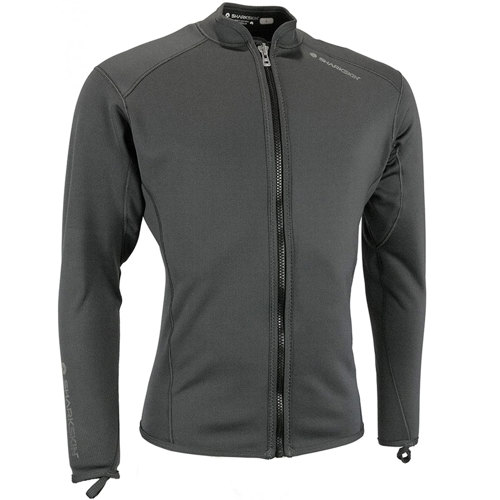
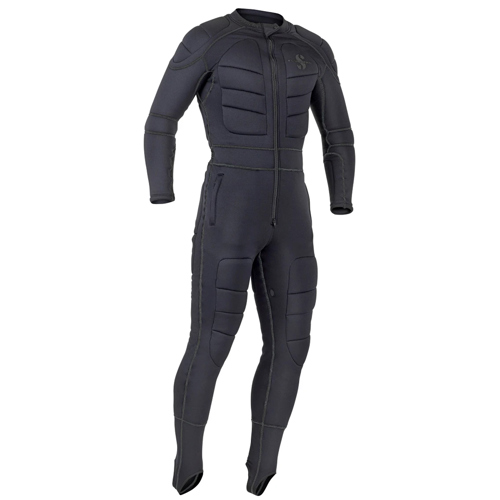
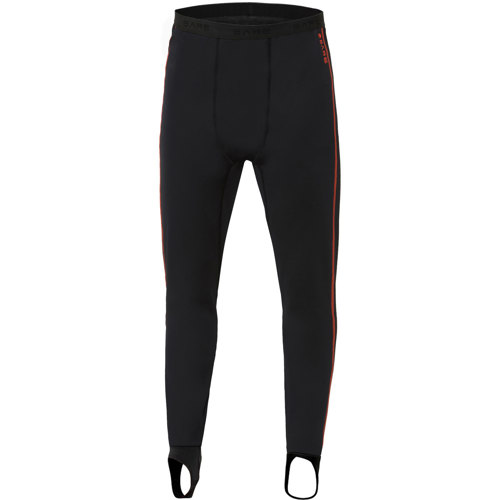
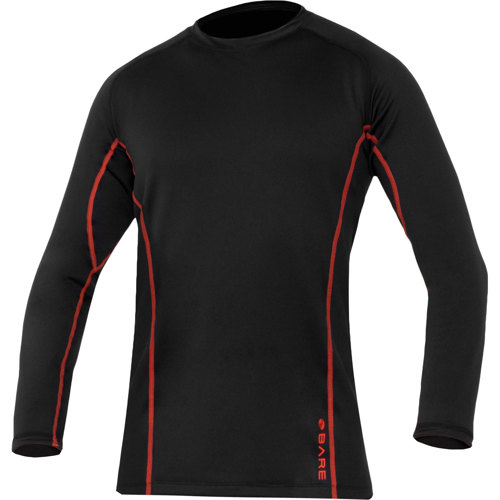
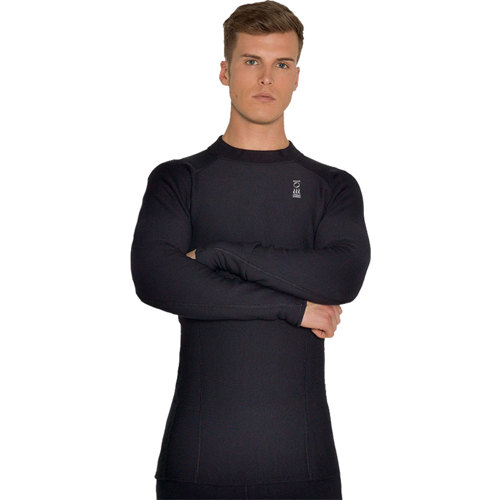
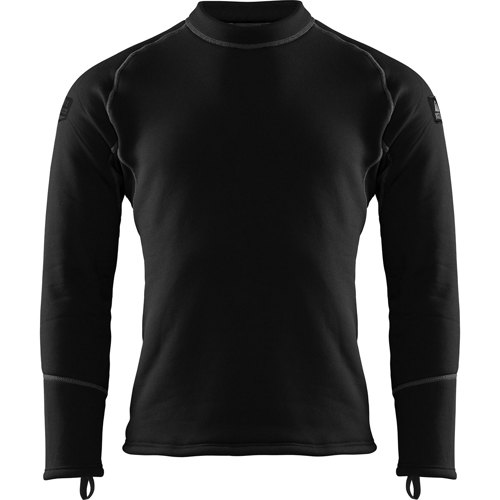
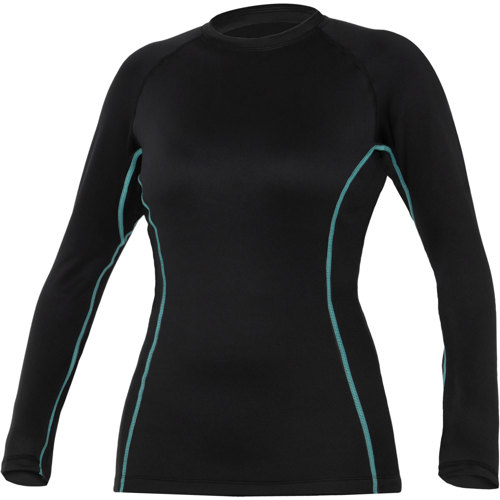
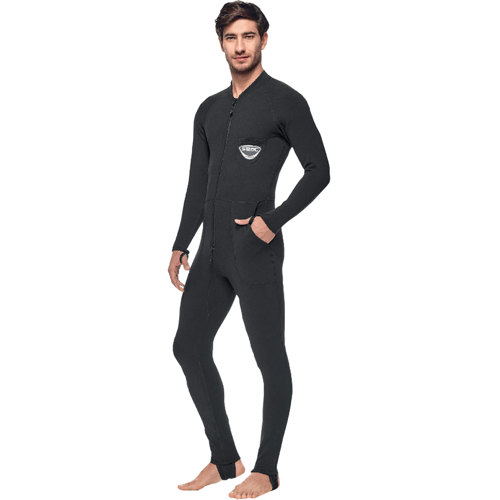
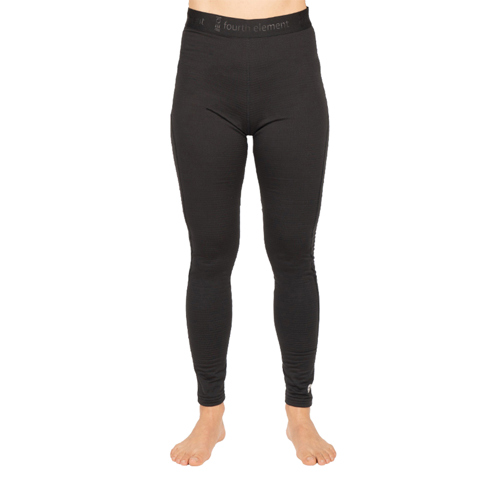
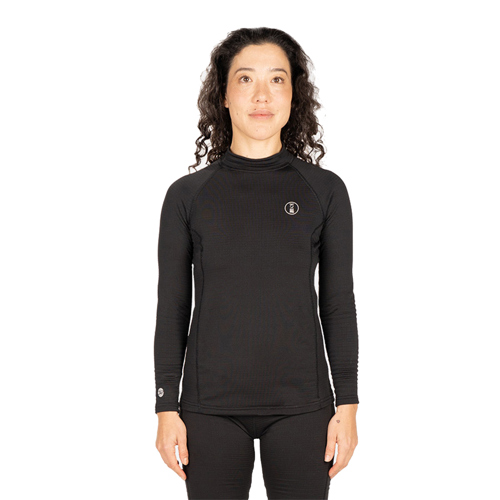
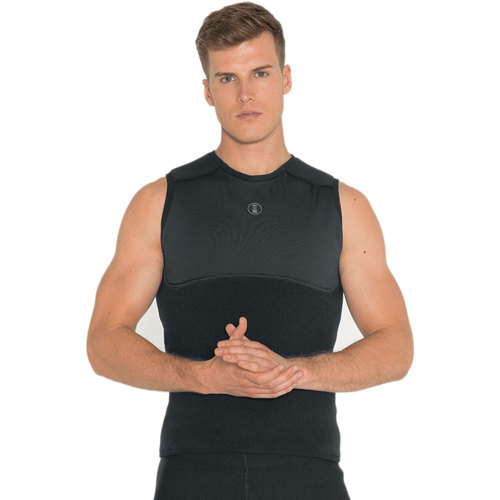
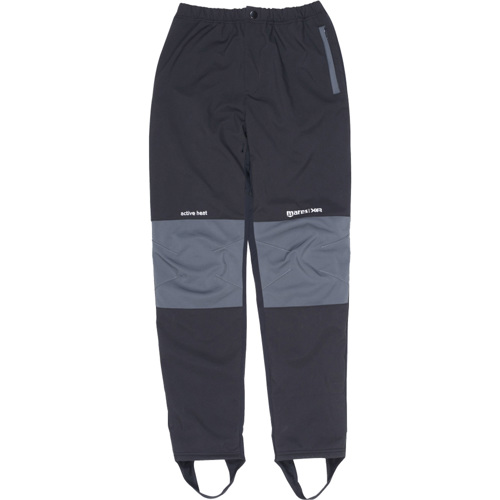
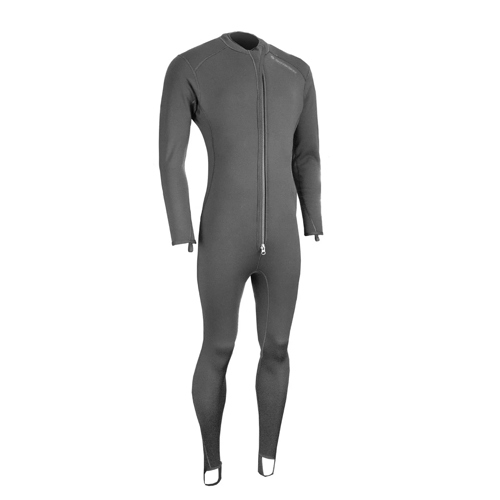
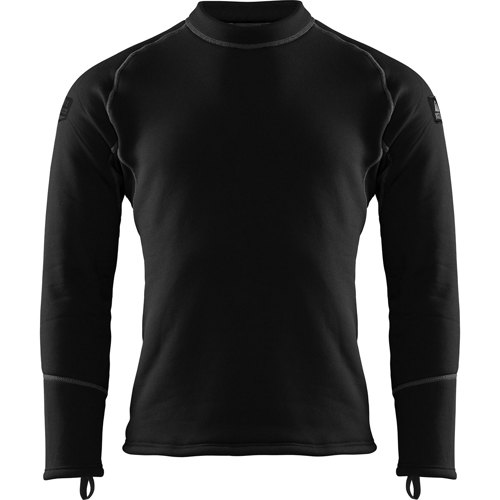
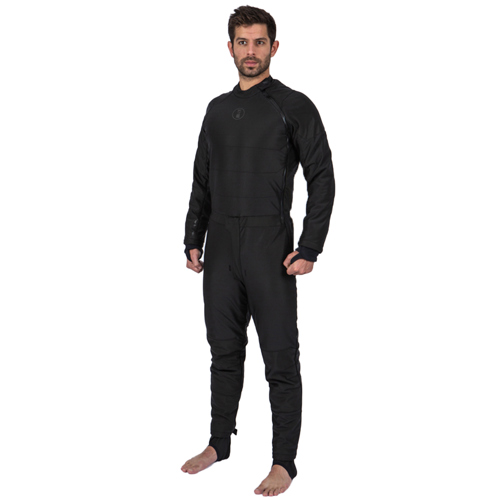
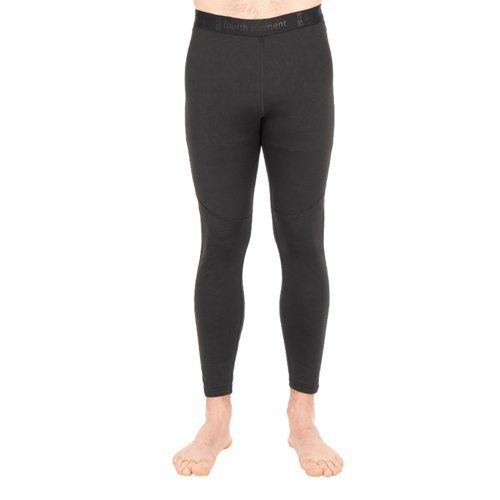
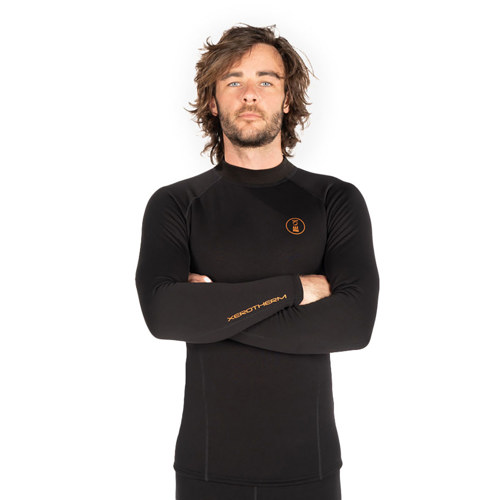
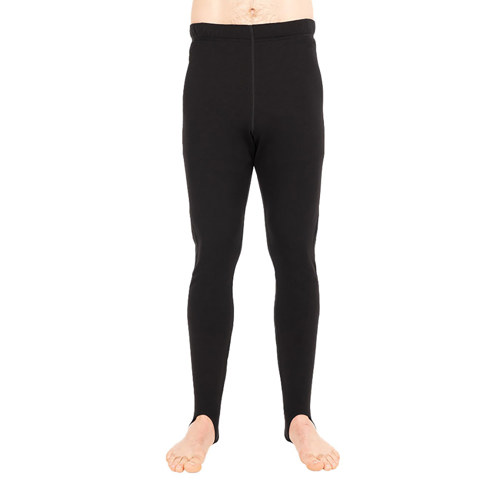
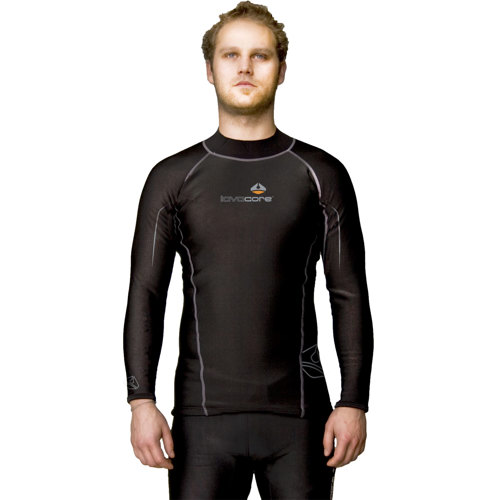
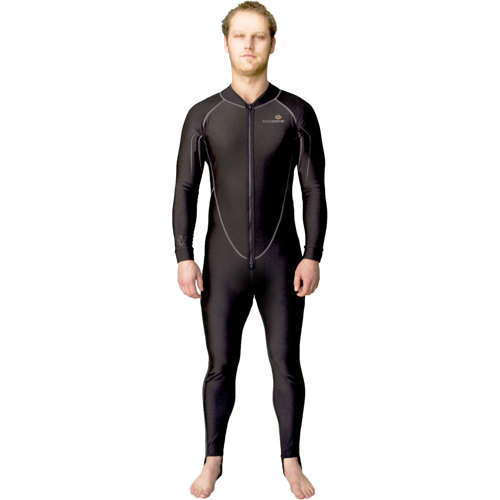
Diving in cold water, whether it’s the icy embrace of a mountain lake in early spring or the bracing chill of a deep ocean wreck in late autumn, demands thoughtful preparation and the right equipment to ensure comfort and safety. For many drysuit divers, the question isn’t just what do you wear under your gi or what do you wear under a gi, but how to layer effectively to stay warm during extended bottom times. Heated undergarments for drysuit diving have become a game-changer for those who refuse to let cold conditions limit their underwater adventures. These advanced systems, typically powered by rechargeable batteries, deliver active warmth through flexible heating elements woven into vests, shirts, or full-body suits. Worn over a drysuit base layer and beneath your main insulation, a heated drysuit undergarment creates a cocoon of warmth that can make even the most frigid dives comfortable, allowing you to focus on exploration rather than the creeping cold. This is particularly valuable for technical divers tackling deep or long-duration dives, underwater photographers waiting patiently for the perfect shot, or instructors guiding students through their first drysuit experiences. The ability to adjust heat output on the fly means you can fine-tune your comfort level throughout the dive, staying warm without overheating during surface intervals or while gearing up.
When selecting a heated undergarment drysuit system, several key considerations come into play. First and foremost is compatibility with your existing drysuit setup: most heated garments require a pass-through thermovalve to safely route power cables, and it’s essential to ensure your suit can accommodate this. Battery placement and capacity are also crucial—external canisters are favored by technical divers for their extended run times, while smaller, integrated batteries offer simplicity for recreational use. Safety features such as thermal cutoffs, waterproof connectors, and robust construction provide peace of mind, especially when diving in challenging conditions. Layering remains a vital aspect of effective thermal protection; a moisture-wicking drysuit base layer should always be worn against the skin to manage perspiration, with the heated undergarment layered above and additional insulation as needed. Maintenance is straightforward for most modern systems, with removable electronics allowing for easy washing and care. These garments also make thoughtful gifts for the cold-water diver in your life—whether it’s a dive buddy who’s always the first to shiver, a partner preparing for a bucket-list trip to the Arctic, or an instructor who spends long hours in chilly training quarries. Gifting a heated drysuit undergarment is more than providing comfort; it’s giving the gift of longer, more enjoyable dives and the freedom to explore underwater all year round.
As May brings the transition from spring to summer, water temperatures in many popular diving destinations remain brisk, especially at depth or in inland lakes. Investing in heated undergarments extends your dive season and opens up new adventures, from kelp forests off the Pacific coast to freshwater wrecks in the Great Lakes. The right heated system can make the difference between a dive cut short by cold and a memorable experience filled with discovery. For those interested in exploring specific options tailored for cold water, our curated list of
Heated Vests For Cold Water Diving offers additional insights and recommendations. Whether you’re a seasoned technical diver, a passionate underwater photographer, or someone simply seeking greater comfort on your next cold-water dive, heated undergarments for drysuit diving provide a reliable, customizable solution for staying warm below the surface.