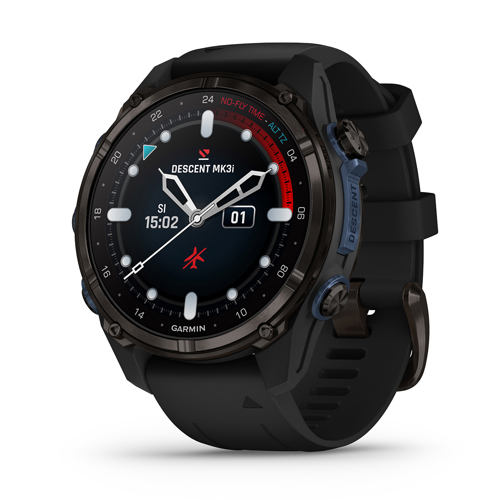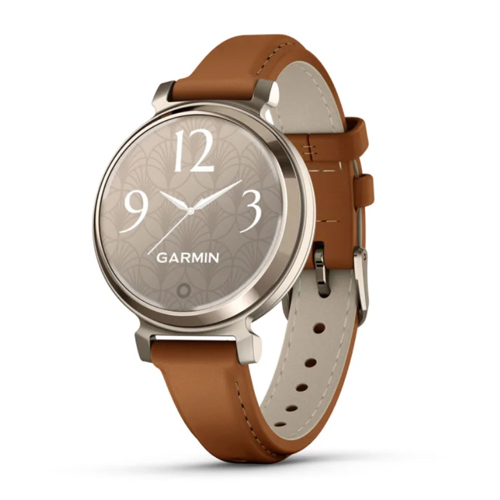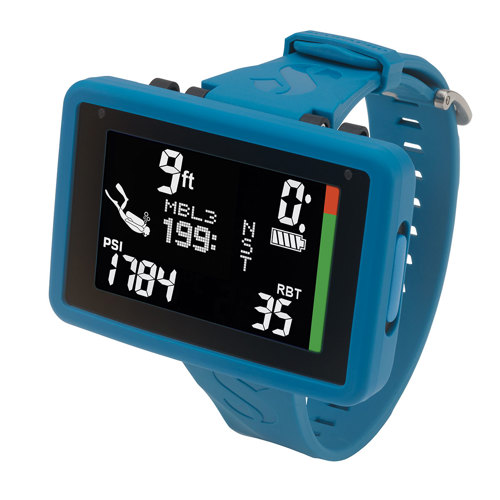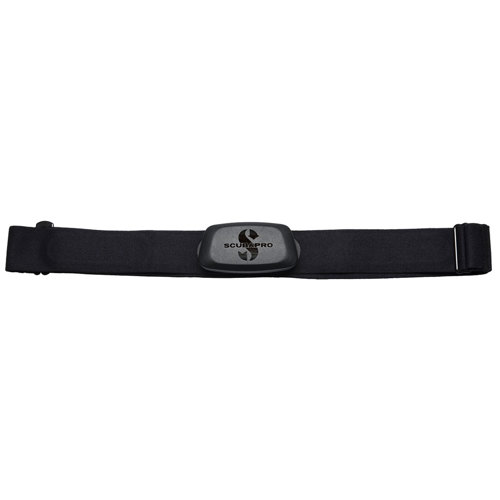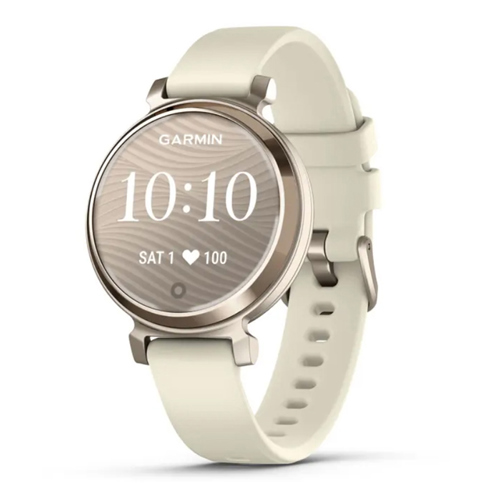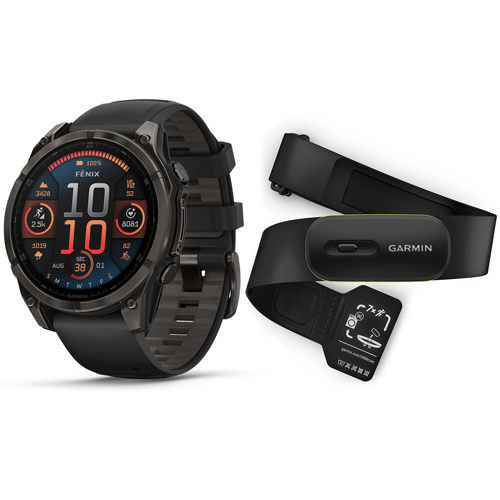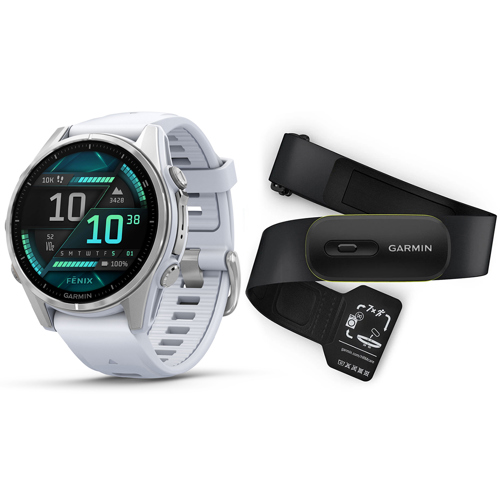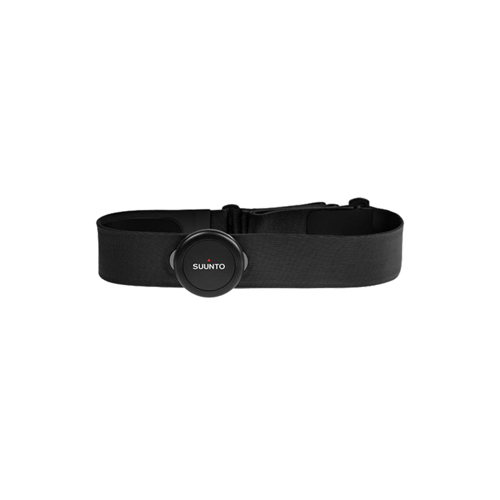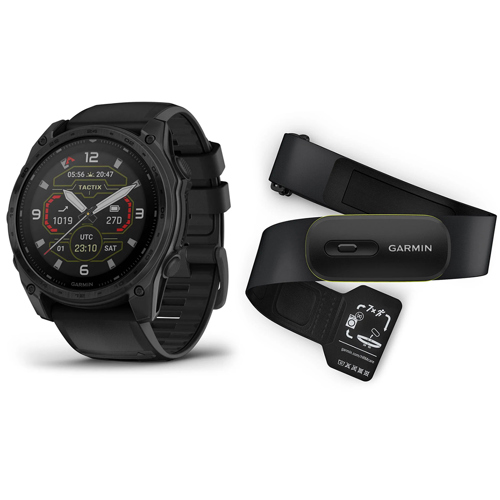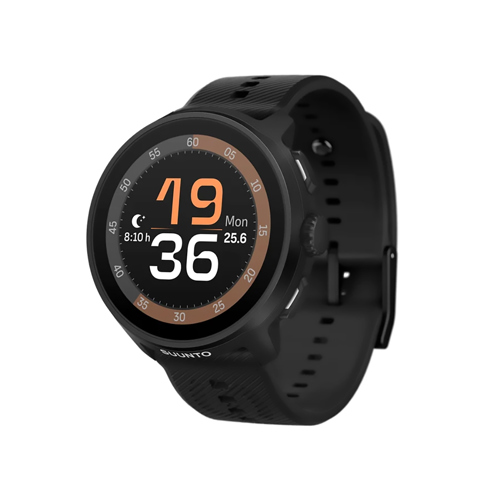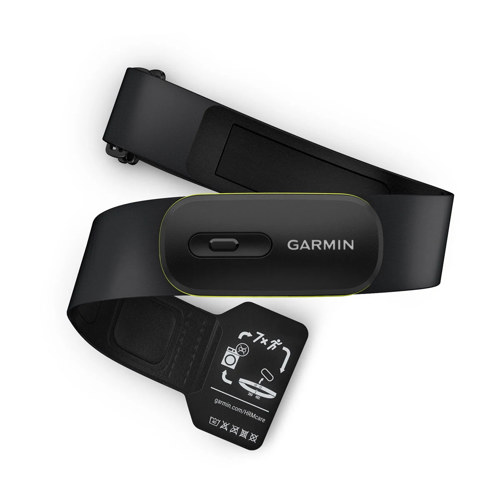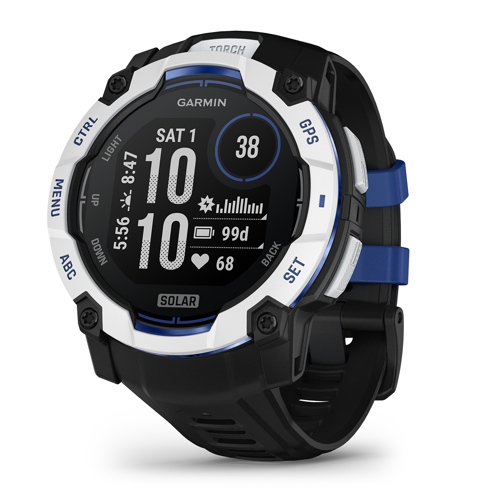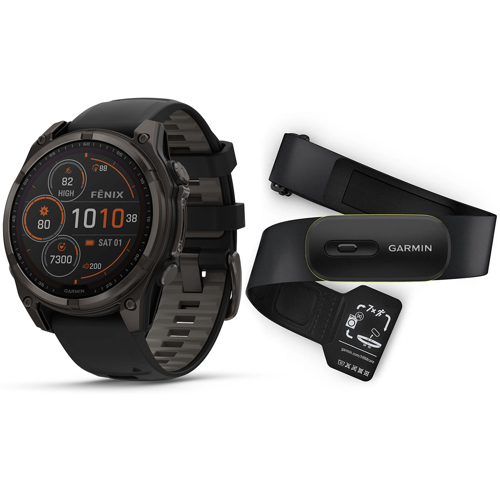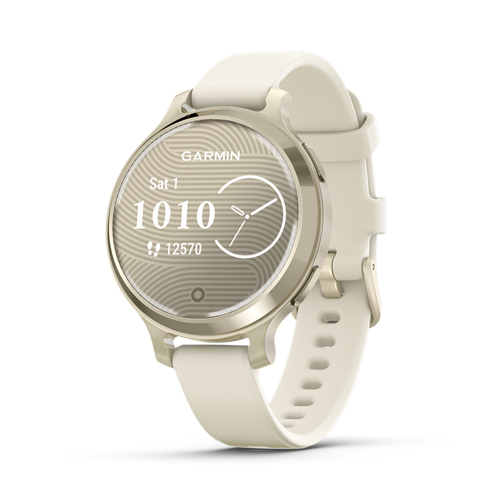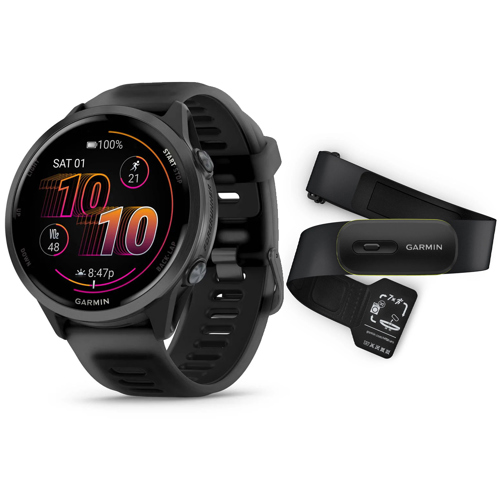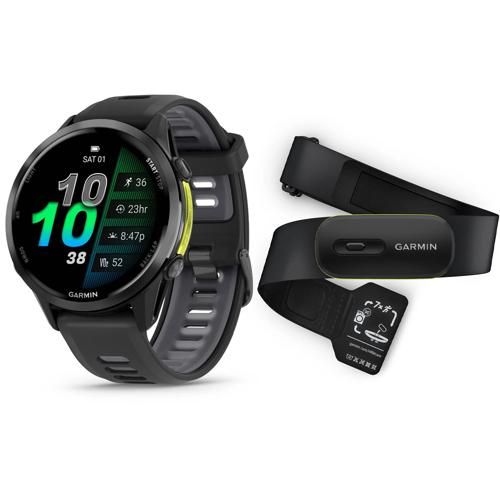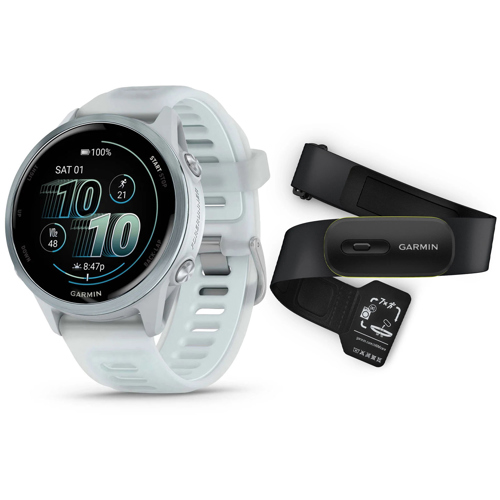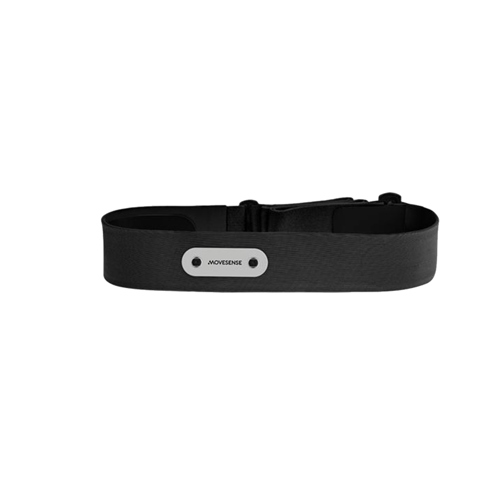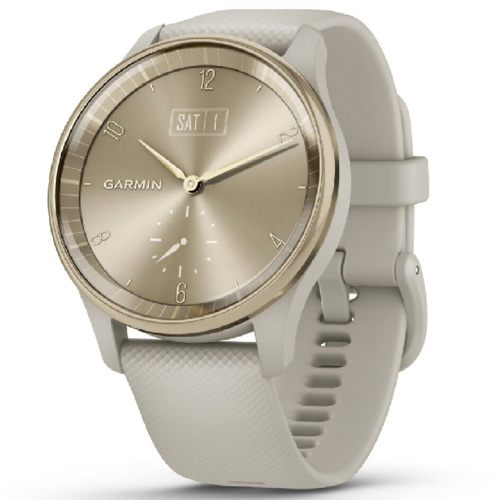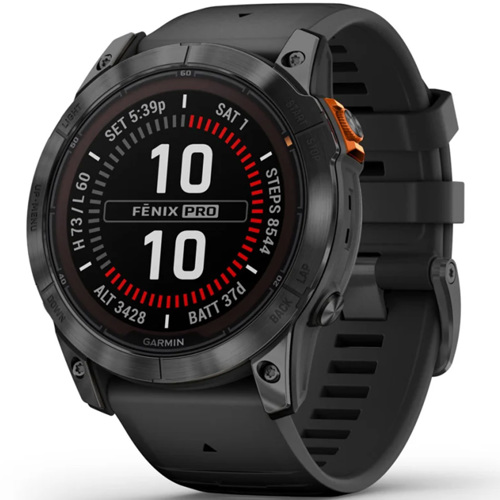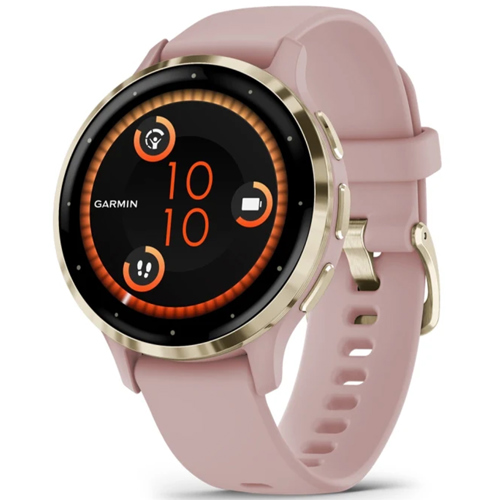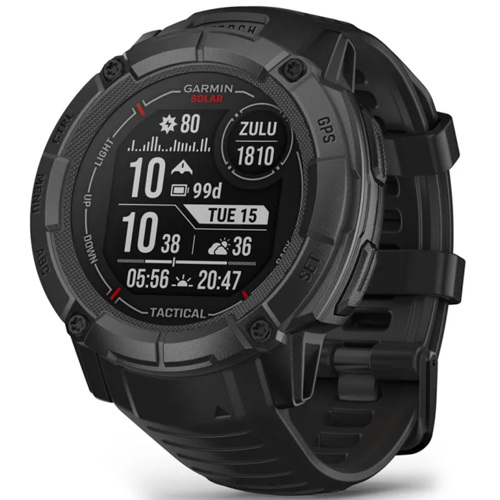
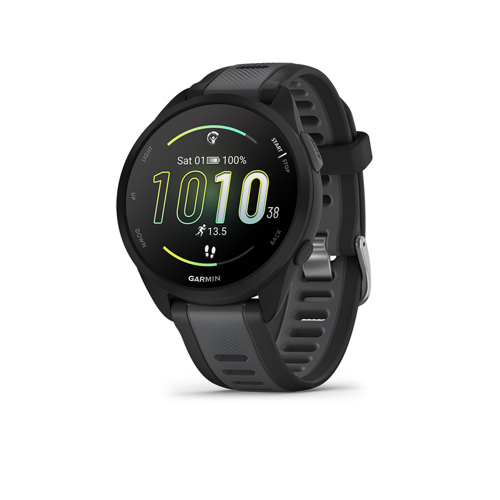
Heart rate sensors have become an essential companion for divers, snorkelers, and water sports enthusiasts seeking to elevate their training and monitor their well-being with precision. As the weather warms and outdoor activities shift into high gear, these devices offer a practical way to keep tabs on your body’s response to exertion, especially in challenging underwater environments. The technology behind heart rate sensors has evolved rapidly in recent years, branching into several main types to suit different preferences and activity levels. Optical sensors worn on the wrist are popular for their convenience and seamless integration into daily life, while upper-arm optical bands provide a balance between comfort and accuracy. For those who demand the highest level of precision—such as competitive athletes, triathletes, or anyone training for performance goals—ECG chest straps remain the gold standard, delivering medical-grade data even during high-intensity intervals or dynamic underwater movement. It’s not uncommon to see experienced divers donning a chest strap beneath their wetsuits, relying on its interference-free tracking to ensure their heart rate stays within safe limits during deep dives or extended sessions.
Choosing the right heart rate sensor involves considering how and where you plan to use it. For recreational snorkelers or casual swimmers, a wrist-based device might be all you need—easy to slip on before a morning swim or an afternoon paddle. These models excel in comfort and convenience, often doubling as everyday fitness trackers. However, if you’re engaging in rigorous training, interval sessions, or open-water races, an armband or chest strap offers superior reliability, especially when water, movement, and gear can interfere with less robust sensors. Many divers appreciate the peace of mind that comes from real-time, accurate feedback, whether they’re pushing their limits in freediving or simply aiming to maintain a steady pace during a long surface swim. Heart rate sensors also make thoughtful gifts for anyone passionate about aquatic sports—think of a friend preparing for their first triathlon, a family member training for a charity swim, or a partner who loves to track every metric of their underwater adventures. The right sensor can be a gateway to deeper insights, helping users fine-tune their performance, recover more effectively, and even spot early signs of fatigue or overexertion that can be masked by the calming effects of water.
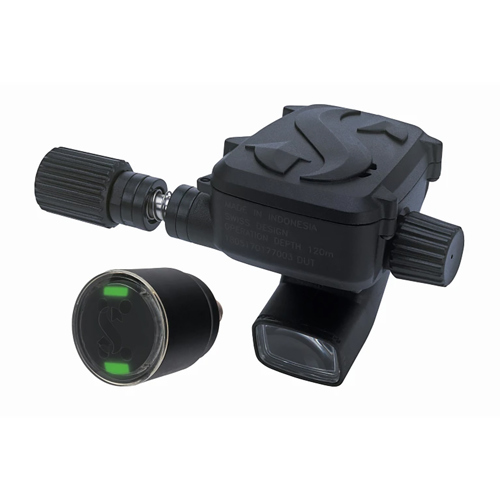
No matter which type of heart rate sensor you choose, integrating this technology into your water sports routine can transform the way you approach training and safety. Many modern sensors are designed to pair seamlessly with dive computers, fitness apps, and smartwatches, giving you a holistic view of your activity and health trends over time. For those interested in exploring more wearable options, our curated selection of
Heart Rate Watches offers additional ways to monitor your fitness both in and out of the water. As you plan your next season of aquatic adventures, investing in a high-quality heart rate sensor can help you push your boundaries while staying attuned to the rhythms of your own body—whether you’re chasing new personal bests or simply savoring the serenity of the sea.