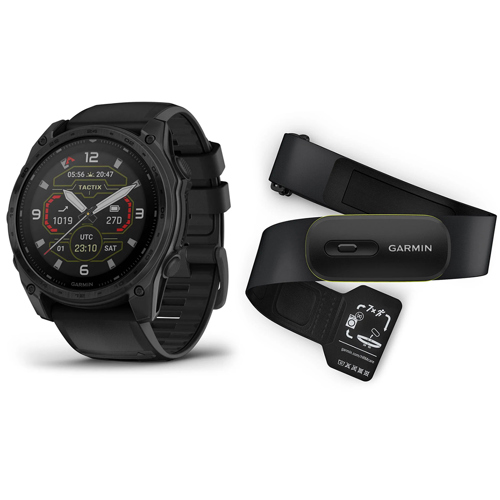
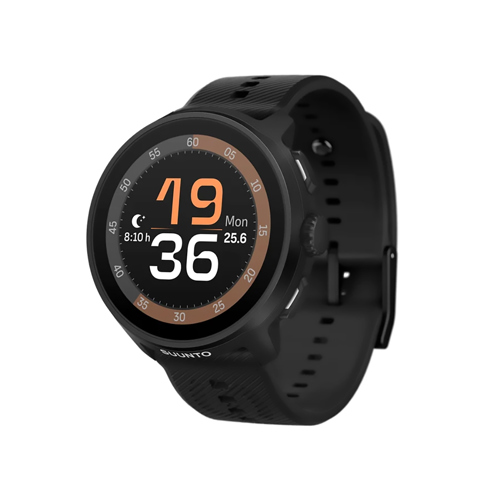
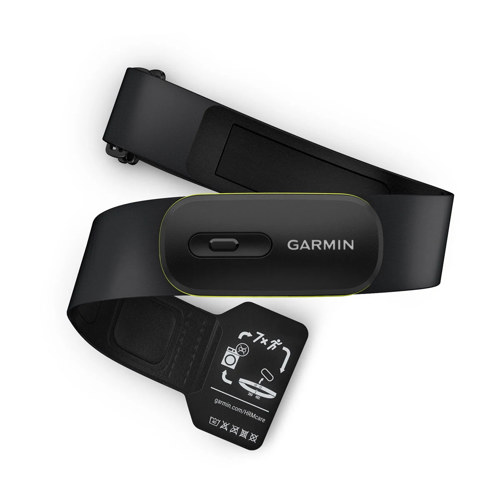
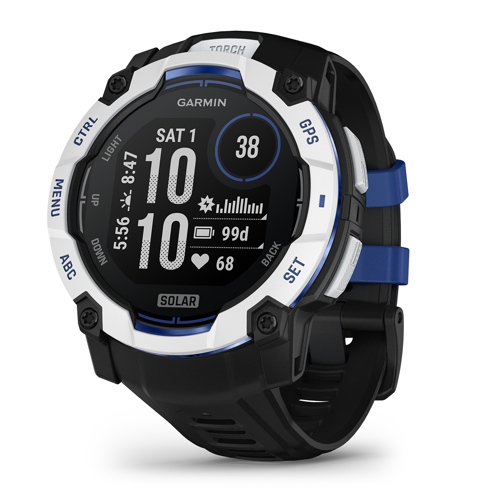
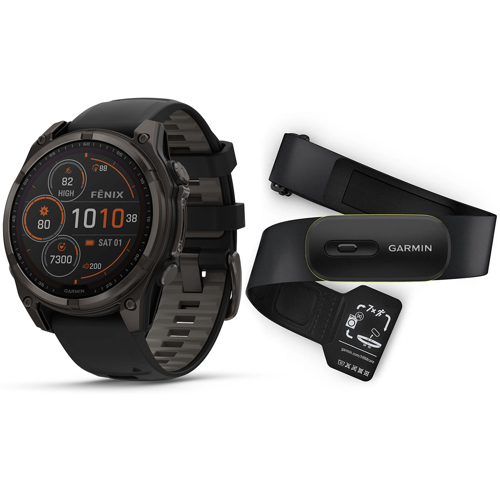
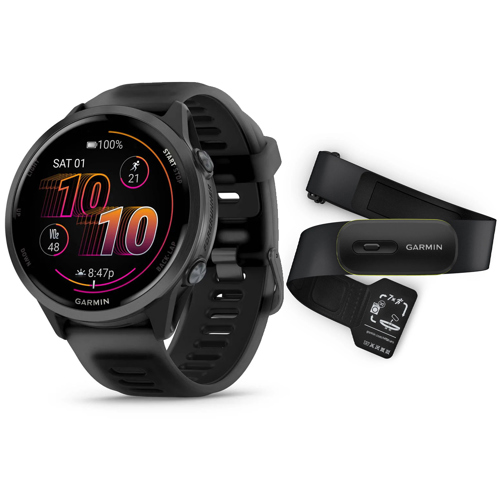
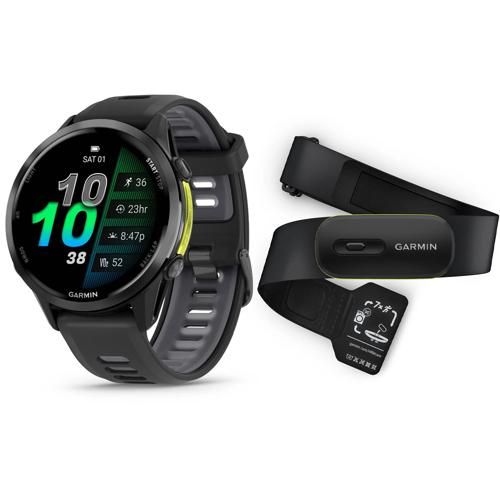
For endurance athletes, heart rate monitors have become more than just a training accessory—they are essential companions that help transform raw effort into measurable progress. Whether you’re lacing up for a frosty January morning run, grinding through hours on a bike trainer, or logging long swims at the indoor pool, a reliable heart rate monitor provides the real-time data needed to fine-tune your training and maximize every session. These devices come in a variety of formats, from classic chest straps known for their ECG-grade accuracy to innovative optical sensors that can be worn on the arm, temple, or wrist. Endurance training is all about managing intensity and maintaining the delicate balance between pushing limits and preventing overtraining, and a quality heart rate monitor helps you stay in the optimal zone—whether you’re building an aerobic base or peaking for a spring marathon. The winter months are a prime time to lay down the groundwork for the competitive season ahead, making now an ideal moment to invest in technology that supports structured, data-driven workouts.
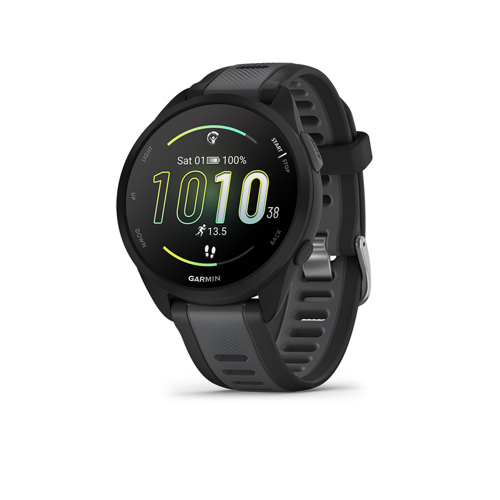
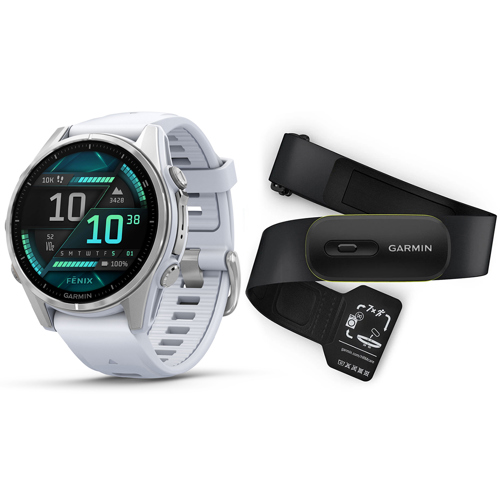
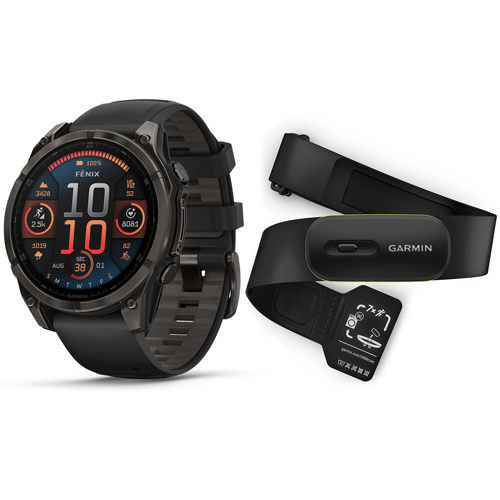
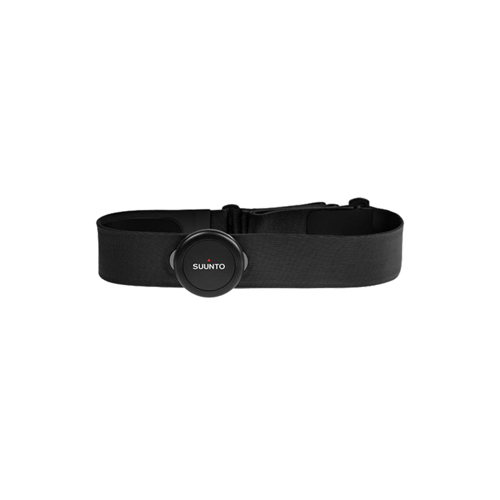
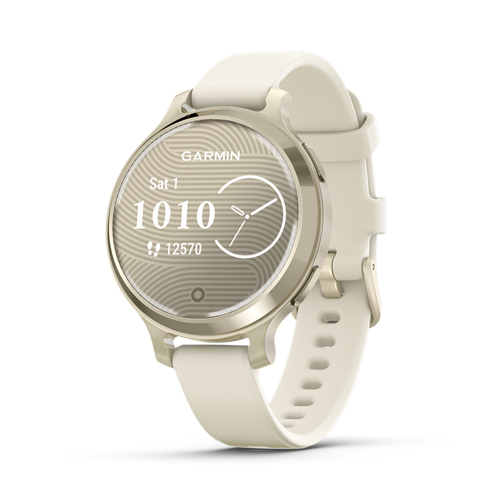
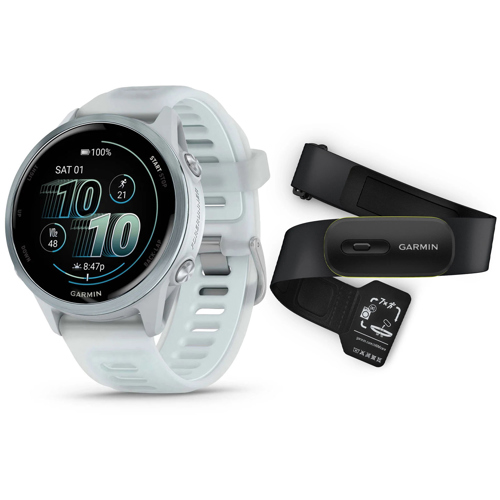
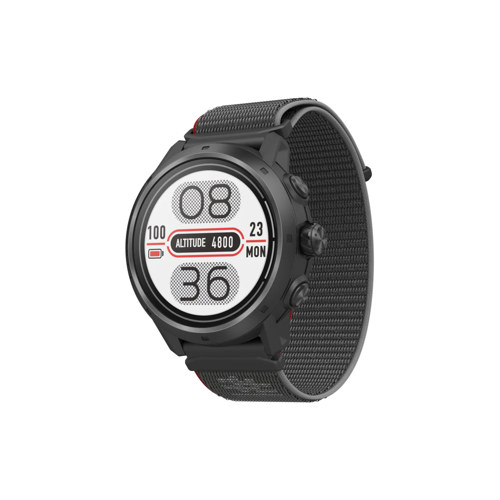
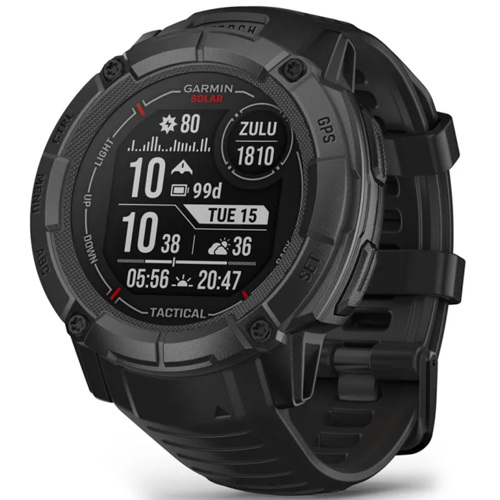
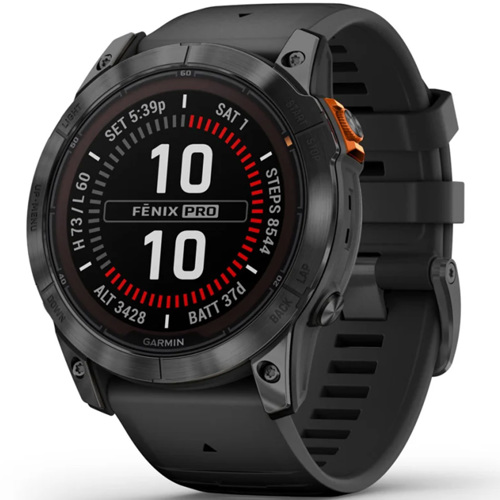
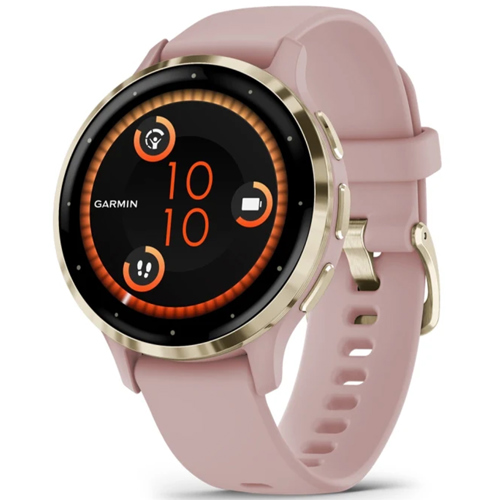
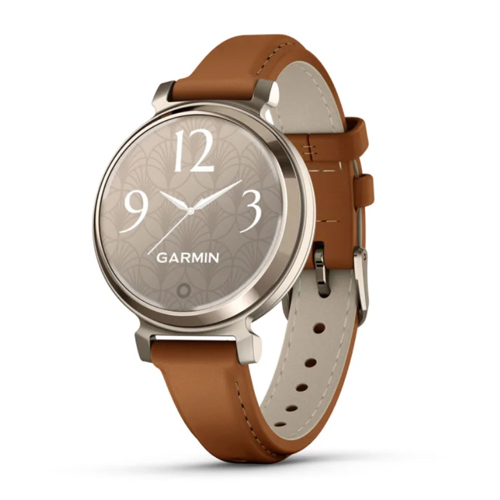
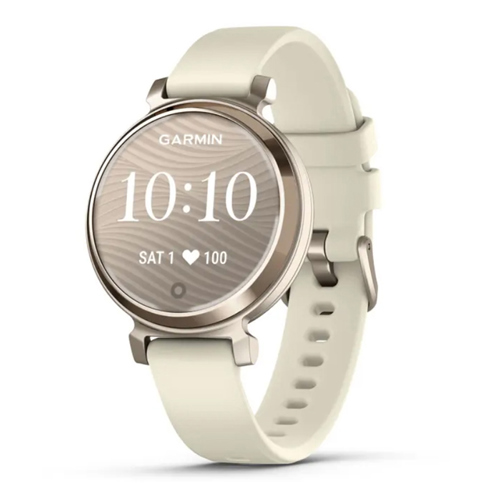
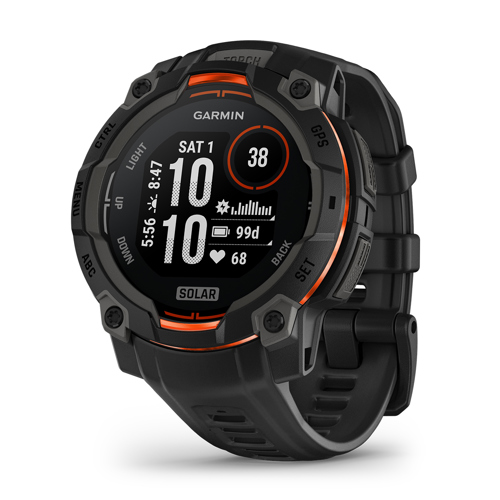
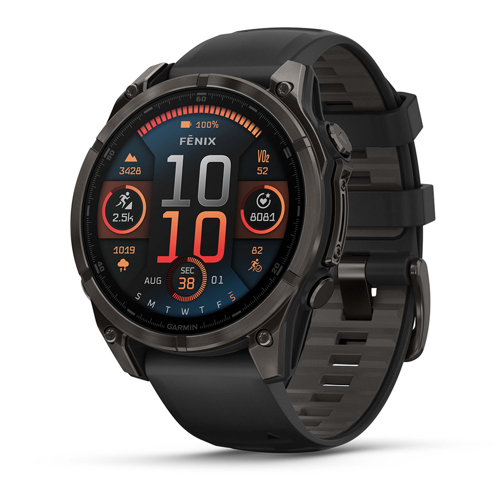
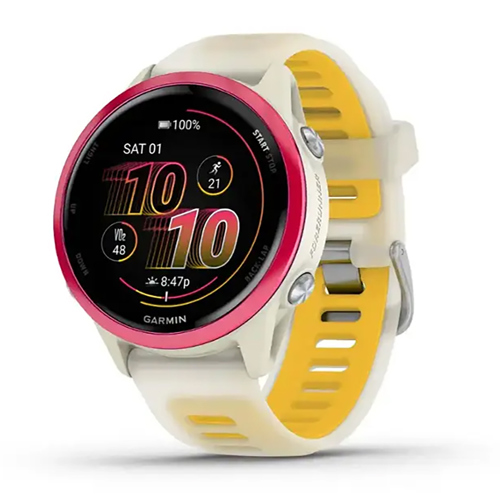
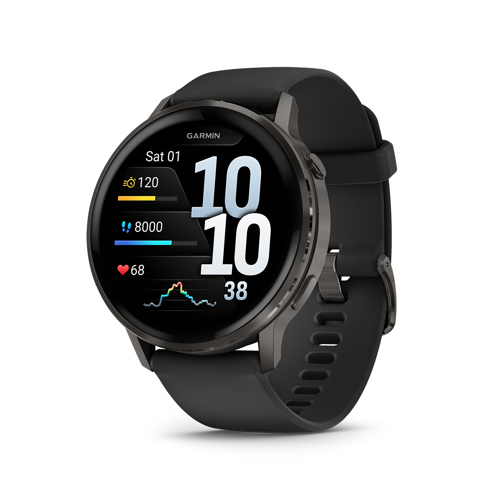
Choosing the right heart rate monitor for endurance training depends on your sport, training environment, and personal preferences. For athletes who demand the highest level of accuracy—such as competitive runners, cyclists, or triathletes—chest strap monitors remain the gold standard. Their direct measurement of electrical signals from the heart delivers precise readings, even during intense intervals or when sweat and movement would challenge other sensors. These chest straps often feature robust battery life, sometimes lasting months or even years on a single replaceable battery, and they connect seamlessly to watches, bike computers, and popular training apps via Bluetooth or ANT+. On the other hand, optical sensors worn on the arm or wrist offer unmatched versatility and comfort, making them a favorite for multisport athletes or those who find chest straps restrictive. Many of these optical monitors can store workout data independently, a handy feature for swimmers or for athletes who prefer to leave their phones or watches behind. For those who crave all-in-one convenience, GPS watches with integrated heart rate tracking combine mapping, advanced metrics, and heart rate analysis in a single device—ideal for tracking long winter trail runs or mapping new cycling routes as the days slowly lengthen.
Heart rate monitors also make thoughtful gifts for endurance athletes at any level, from the friend training for their first half marathon to the seasoned cyclist chasing a new PR. They’re equally valuable for coaches looking to monitor a team’s progress, or for anyone returning to sport after injury and needing to carefully control intensity. As you consider how to choose heart rate monitors for endurance athletes, think about the types of activities the device will support, the importance of data accuracy, and whether features like memory storage, long battery life, or multi-sport compatibility are must-haves. The ability to set and track multiple heart rate zones ensures that your training is both efficient and safe, helping you avoid the pitfalls of overtraining while steadily building endurance and resilience. For those whose training spans both endurance and strength disciplines, you may also want to explore our dedicated collection of
Heart Rate Monitors For Strength Training to find the perfect complement to your workout routine. No matter your sport or season, the right heart rate monitor empowers you to train smarter, recover better, and reach new heights in your endurance journey.