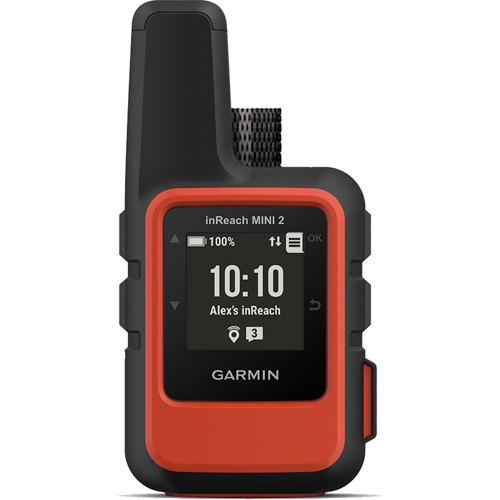
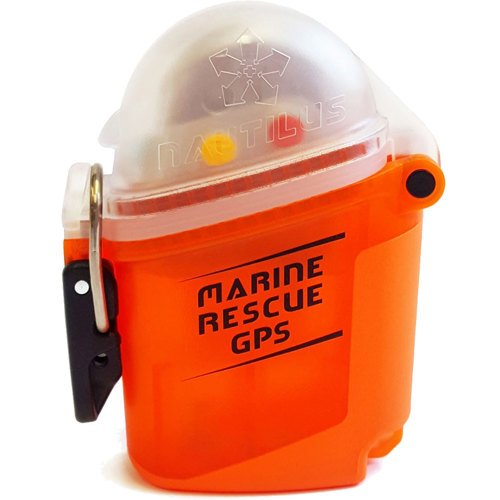
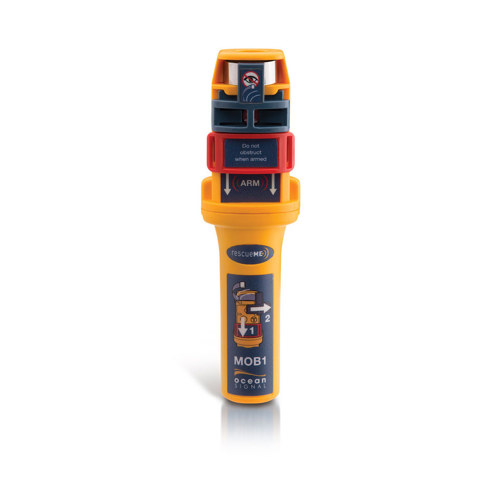
For divers, boaters, and outdoor enthusiasts venturing into remote or open-water environments, GPS signaling devices are an essential part of any safety toolkit. These compact, rugged devices serve as a lifeline in situations where traditional means of communication—cell phones and radios—fall short due to lack of coverage. Whether you’re planning a spring dive trip to a distant reef, embarking on a multi-day kayak journey, or exploring uninhabited islands, the peace of mind that comes with carrying a reliable GPS signaling device is invaluable. These tools are designed to transmit your location via satellite to emergency responders, ensuring that help can find you even in the most isolated locations. Many models also offer two-way messaging, allowing you to update loved ones or coordinate with your group, which is particularly useful during extended expeditions or in evolving weather conditions. For those who enjoy solo adventures or lead group trips, having a GPS signaling device is not just a precaution—it’s a responsibility that can make all the difference in an emergency.
When considering which GPS signaling device to add to your gear, it’s important to think about your specific needs and the environments you frequent. Some devices are tailored for straightforward emergency signaling, while others provide more comprehensive functionality, including real-time tracking, waypoint marking, and detailed navigation features. If you’re a diver who spends long hours beneath the surface or surfaces far from the boat, a device with quick and reliable SOS capability is critical. For those who split their time between land and sea, a model with two-way communication and the ability to switch between cellular and satellite networks offers flexibility and cost-effectiveness. Subscription requirements can vary—many satellite messengers require a monthly or annual service plan for full functionality, while personal locator beacons (PLBs) typically operate without ongoing fees. Battery life is another key factor, especially for multi-day outings or cold-weather expeditions where recharging opportunities are limited. Devices with extended battery performance ensure you can keep your focus on the adventure, not on power management. As the days grow longer and the water warms in March, these devices also make thoughtful gifts for the explorers in your life—whether it’s a seasoned diver, a new boating enthusiast, or a friend preparing for their first wilderness trek.
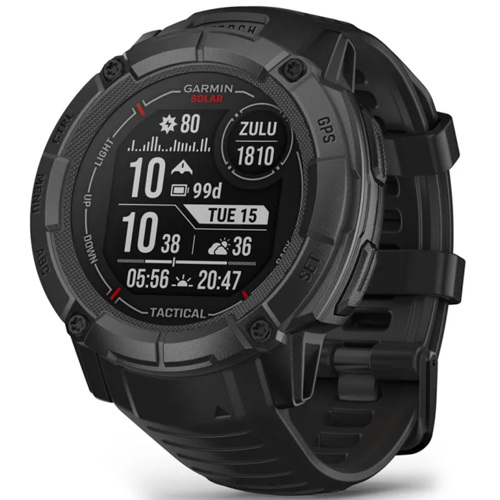
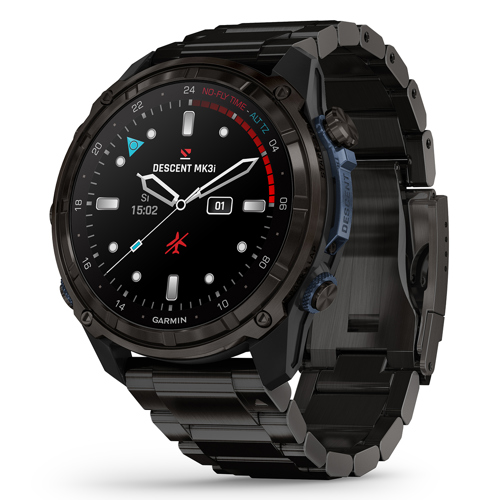
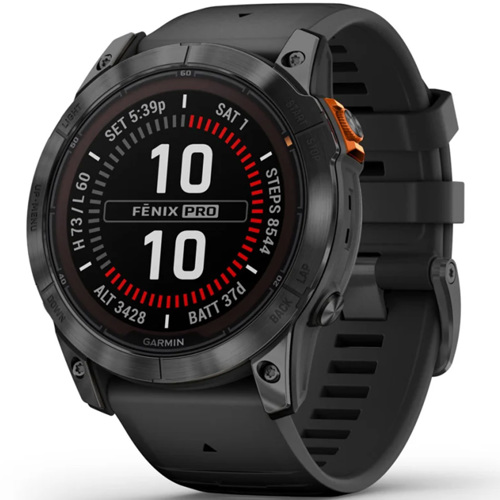
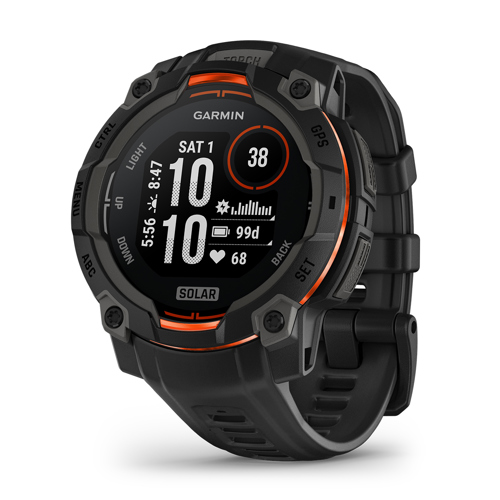
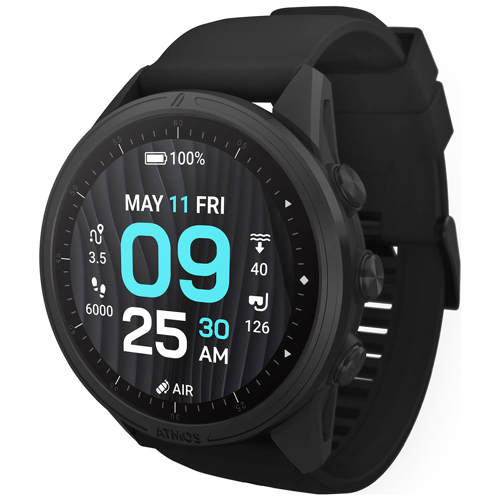
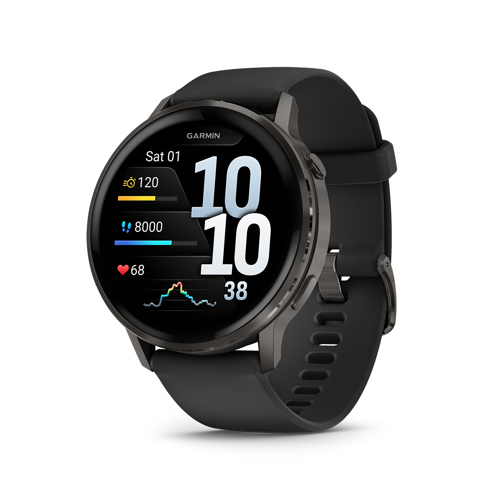
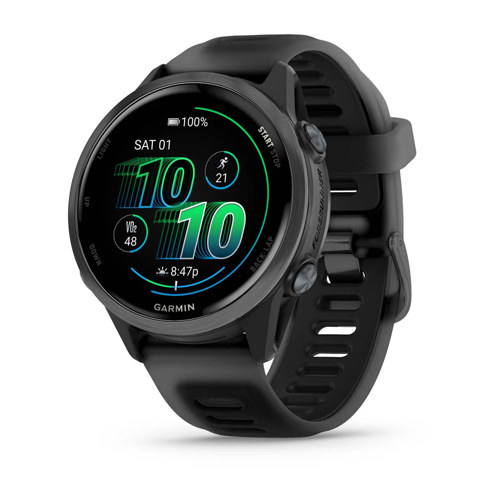
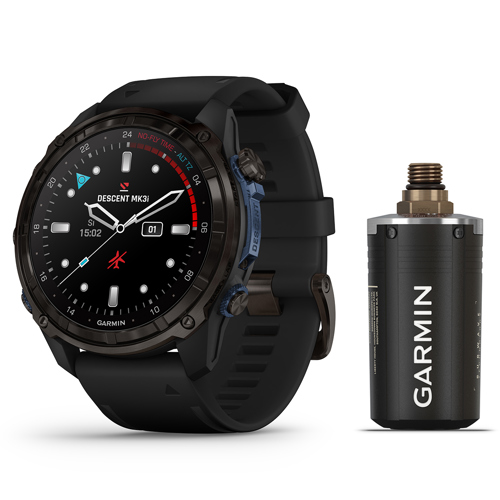
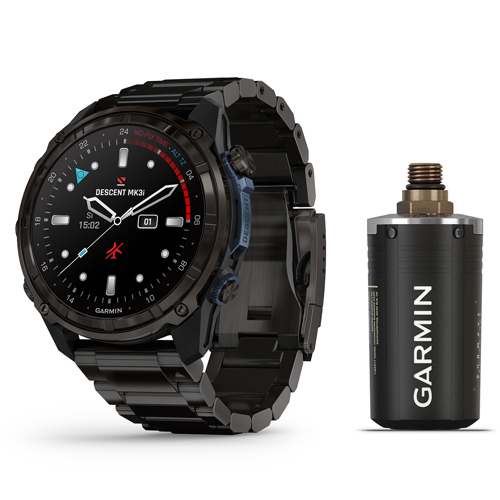
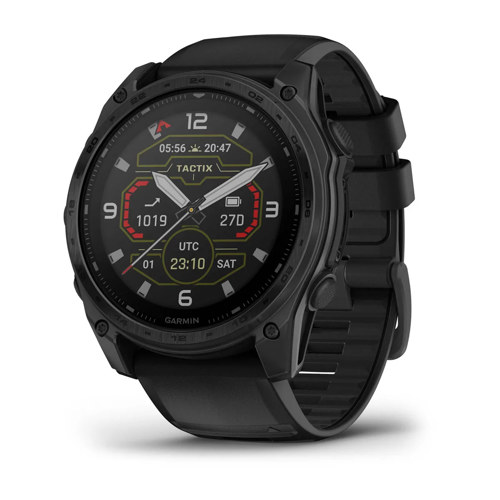
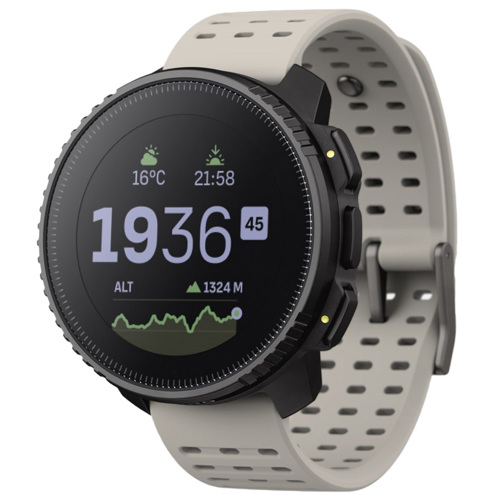
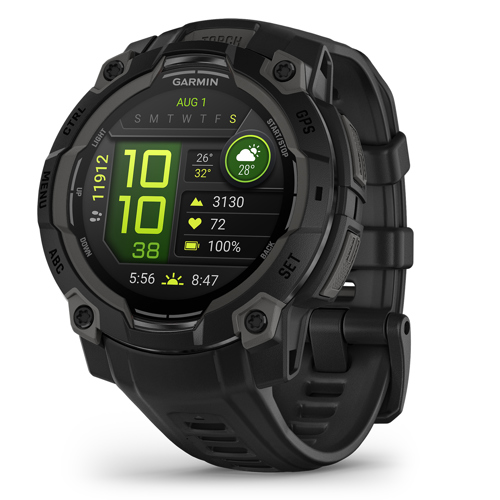
GPS signaling devices are more than just emergency tools; they’re an investment in confidence and freedom, allowing you to push boundaries while maintaining a vital connection to help if needed. Their compact size means they fit easily into a BC pocket, dry bag, or life vest, and their robust construction stands up to the harshest marine conditions. For divers who appreciate seamless integration of technology, pairing a GPS signaling device with other advanced gear—such as a
Gps Dive Watch—can further enhance navigation and safety. Whether you’re gifting one to a loved one who’s setting out on a new adventure or upgrading your own safety equipment for the upcoming dive season, these devices offer security and reassurance that’s hard to quantify but impossible to overlook. With every trip into the unknown, knowing you have a direct line to help makes each dive, paddle, or hike a little more enjoyable and a lot safer.