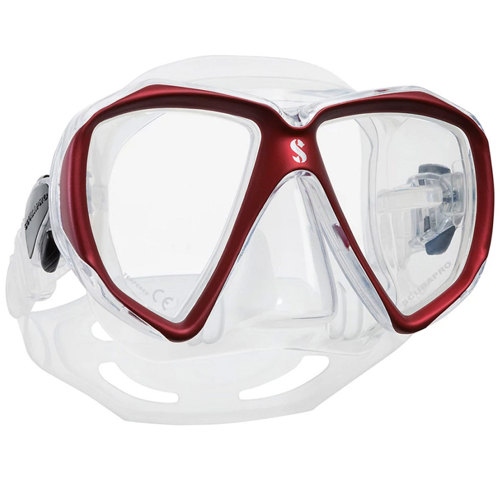
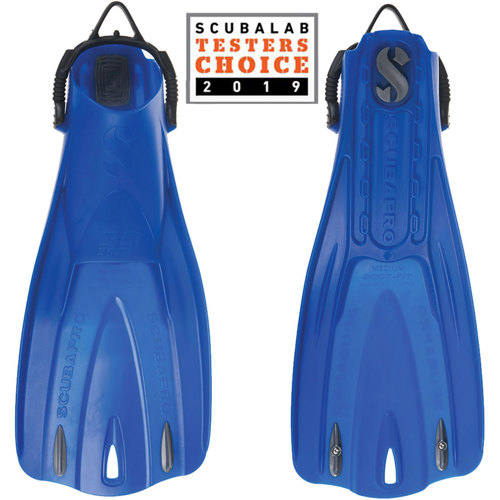
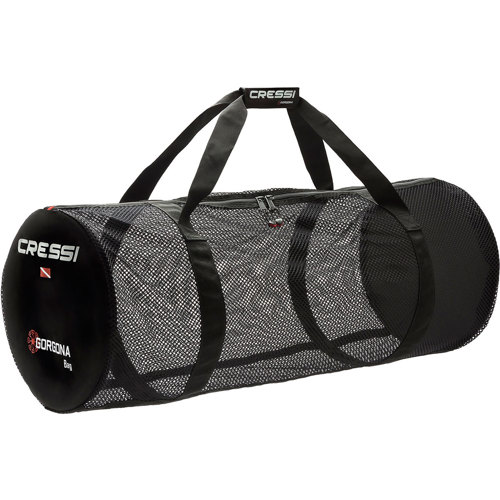
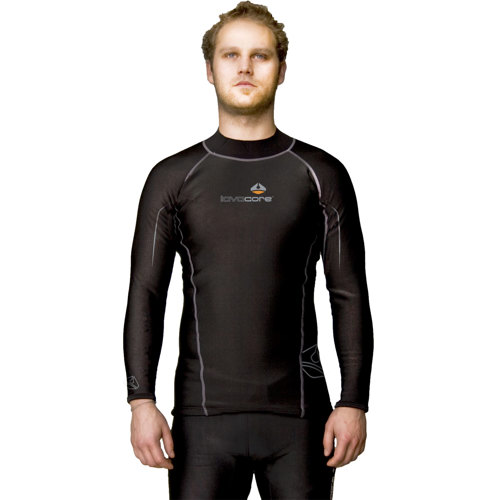
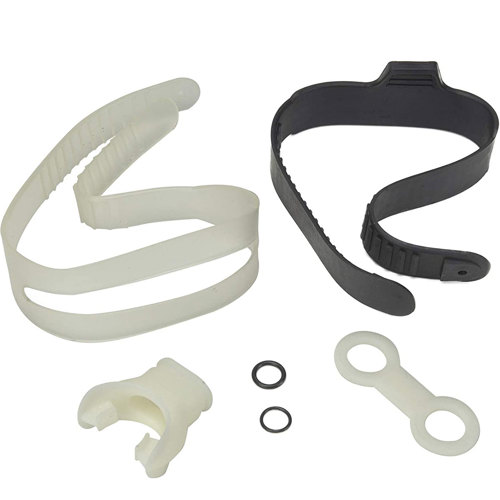
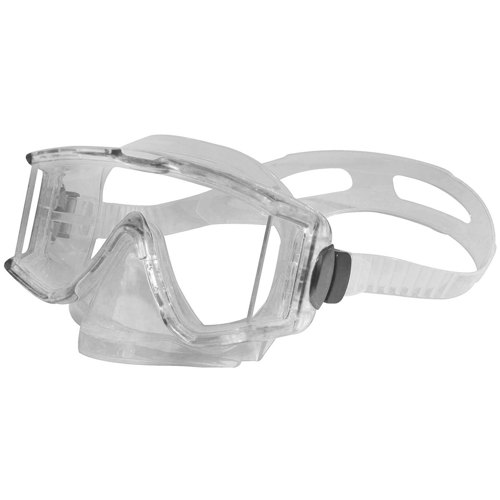
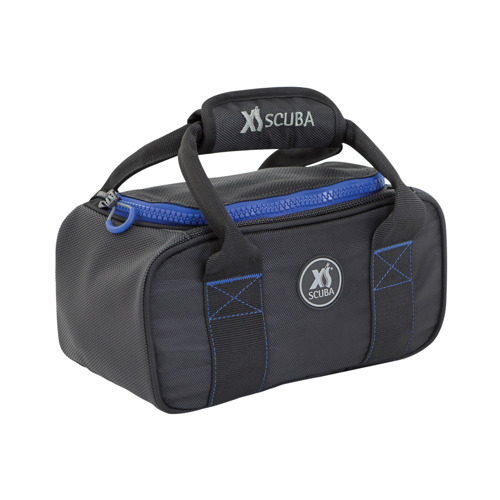
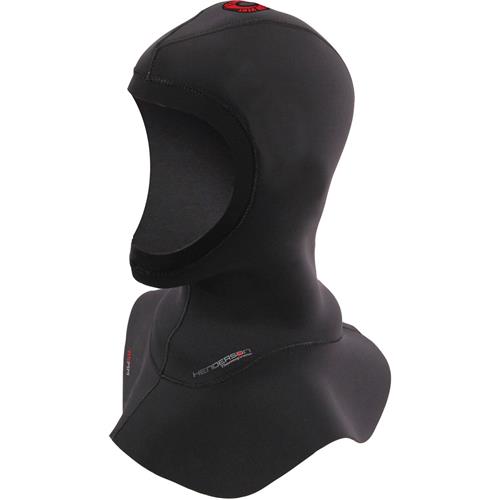
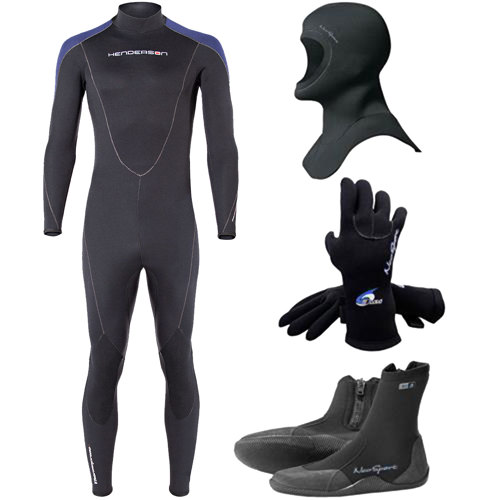
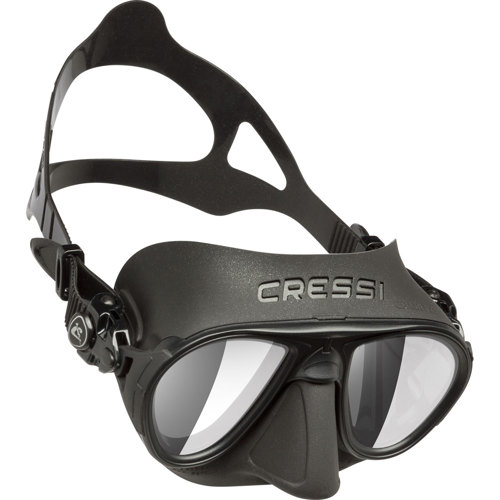
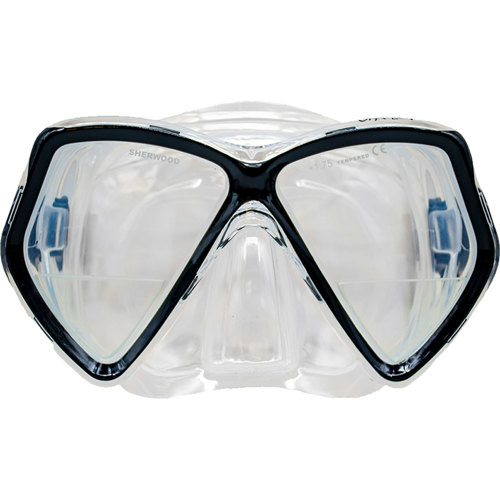
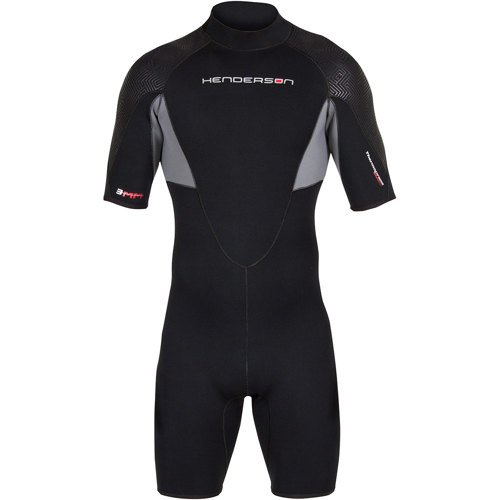
Scuba camps are vibrant hubs of underwater exploration, learning, and camaraderie, welcoming participants from all walks of life—whether they’re young adventurers taking their first breaths underwater or seasoned divers refining their skills. The gear needed for a successful scuba camp experience is thoughtfully chosen to balance comfort, safety, and versatility. As September brings the transition from summer’s warmth to the first hints of fall, many camps are still in full swing, and the right equipment becomes even more crucial for adapting to changing water temperatures and conditions. Essential personal gear such as masks, fins, snorkels, and exposure protection like wetsuits or dive skins form the foundation of every diver’s kit. These items ensure clear vision, efficient movement, and thermal comfort, allowing campers to focus on the thrill of discovery rather than the distractions of ill-fitting or inadequate gear. Booties, worn with fins, provide both warmth and protection against rocky shorelines or boat decks, making them indispensable for both in-water and topside activities. Many camps encourage divers to bring their own mesh bags to organize and transport personal equipment, which not only keeps gear secure and easily accessible but also fosters responsibility and independence among younger participants.
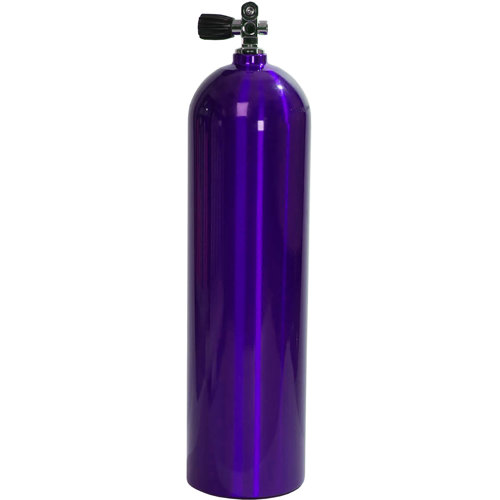
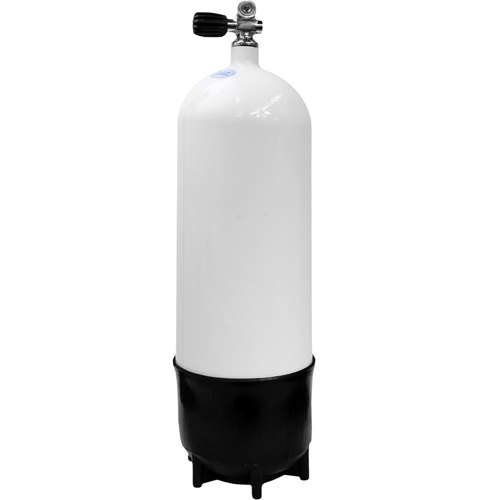
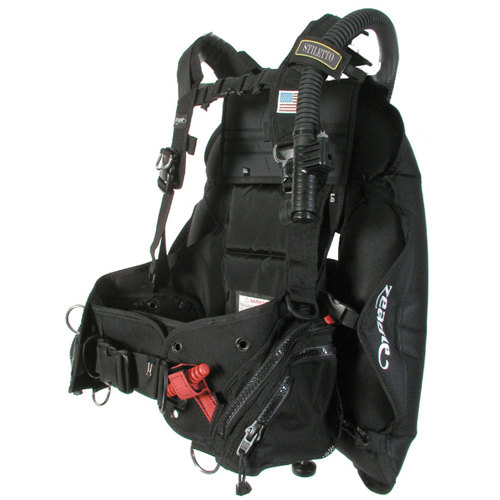
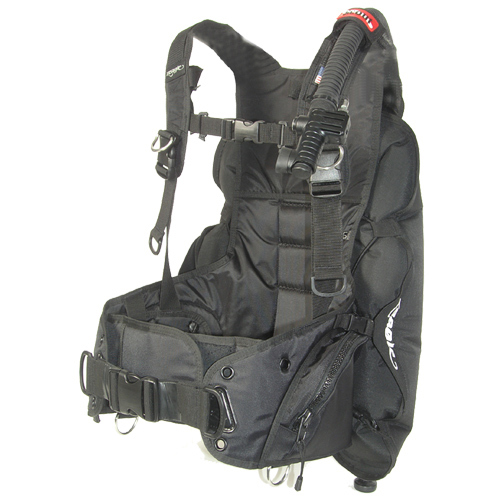
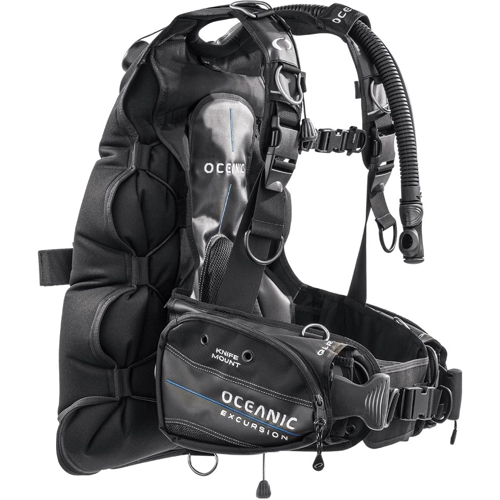
For those new to scuba, much of the specialized instructional gear—such as buoyancy control devices (BCDs), regulators, air tanks, and dive computers—is typically provided by the camp, but understanding what each piece does can enhance both confidence and safety. The BCD, often described as a diver’s underwater jacket, allows for precise control of buoyancy, making descents and ascents smooth and enjoyable. Regulators deliver air from the tank and often include an alternate air source and pressure gauge, critical for monitoring air supply and sharing air in emergencies. Dive computers are now a staple at most camps, tracking depth and time to help prevent decompression sickness. Even small accessories, like defog solutions for masks, can make a significant difference—no one wants their first glimpse of a reef or school of fish to be marred by a foggy lens. For those who love to learn about their environment, dive and fish identification books are a thoughtful extra, turning each dive into an opportunity for discovery and sparking curiosity that can last a lifetime. These items also make wonderful gifts for aspiring divers, instructors, or anyone about to embark on a camp experience, offering both practical value and the promise of new adventures.
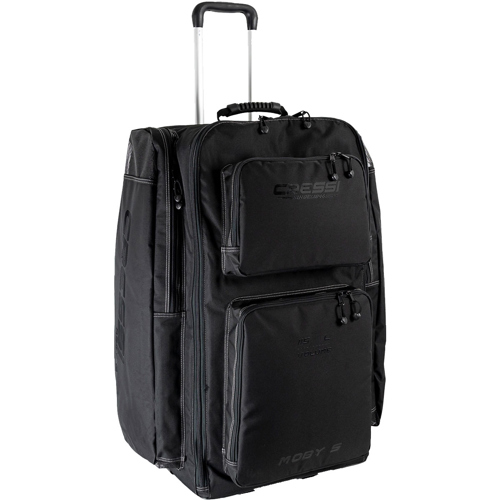
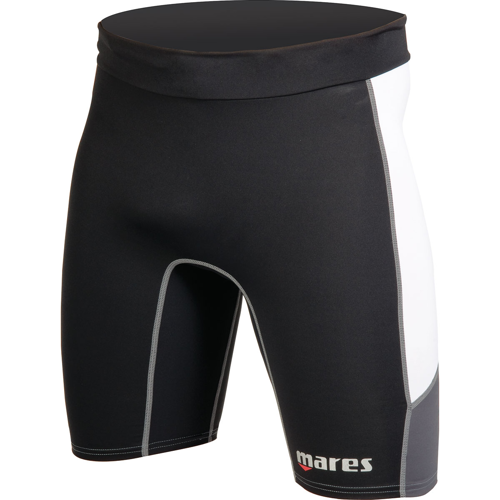
Choosing the right gear for scuba camp is about more than just ticking items off a checklist; it’s about crafting an experience that is safe, comfortable, and memorable. Parents outfitting their children for their first camp, instructors preparing for a busy season, and experienced divers seeking to upgrade their kit all benefit from considering fit, durability, and ease of use. Exposure protection should match the season and local water temperatures, with options ranging from lightweight rash guards for tropical climates to full wetsuits for cooler waters. Personal gear, when properly selected, not only enhances safety and comfort but also becomes a source of confidence and pride—there’s something special about slipping into a well-fitting wetsuit or adjusting a mask that feels like it was made just for you. For those who travel between camps or teach at different locations, specialized packing solutions and travel-friendly equipment are invaluable; for more information, the page on
Gear for Traveling Scuba Instructors offers expert recommendations on portable, durable gear designed for life on the move. Whether you’re shopping for yourself, your child, or a fellow diver, investing in quality scuba camp gear lays the groundwork for safe exploration, skill development, and the kind of underwater memories that last a lifetime.