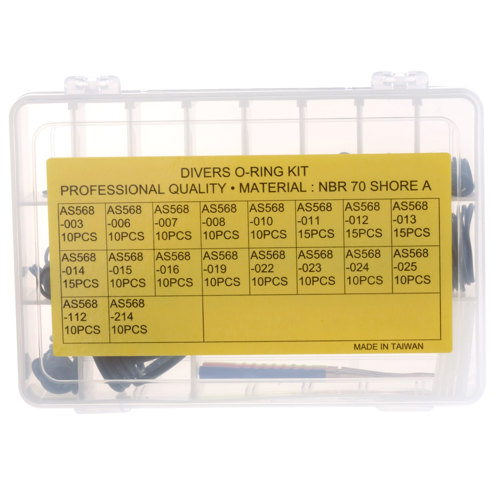
Police divers operate in some of the most challenging and unpredictable environments, requiring gear that goes far beyond standard recreational equipment. The demands of public safety diving—search and recovery, evidence collection, underwater investigation, and hazardous environment operations—mean that every piece of equipment must be rugged, reliable, and tailored to the unique risks faced underwater. Drysuits made from vulcanized rubber or other robust materials are essential for keeping divers warm and dry, particularly as colder weather sets in during November and the winter months. These suits not only offer insulation but also protect against contaminants often found in the murky waters where police divers work. Full-face masks, paired with integrated communication systems, provide critical advantages: they allow divers to breathe comfortably for extended periods, shield the face from debris and pollutants, and maintain clear, real-time communication with the surface team and fellow divers. This level of connectivity is vital for coordinating complex search patterns or responding quickly to emergencies.
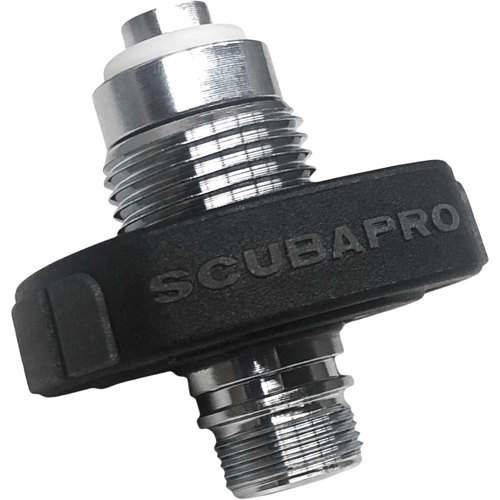
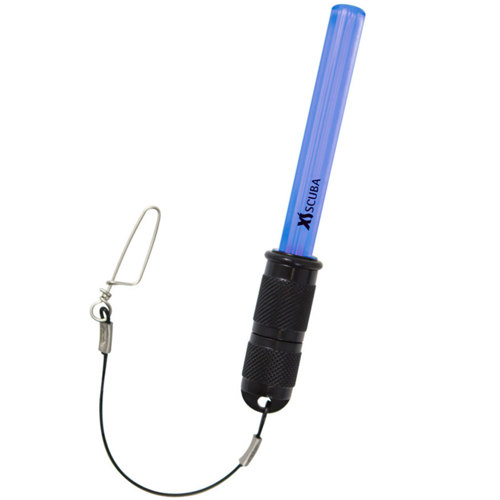
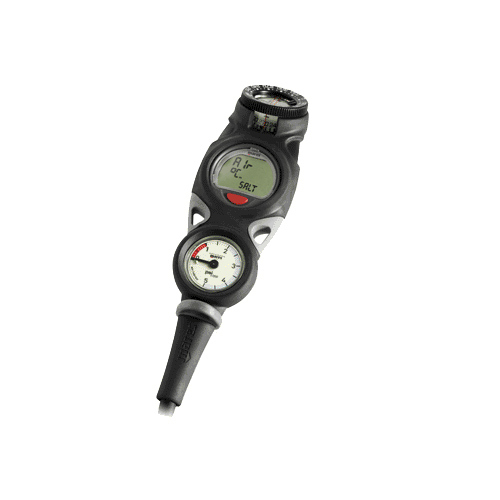
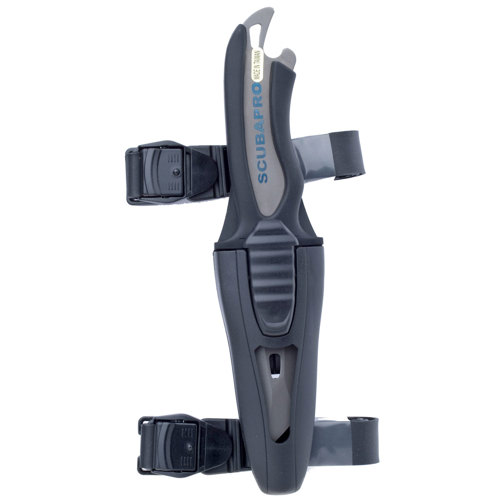
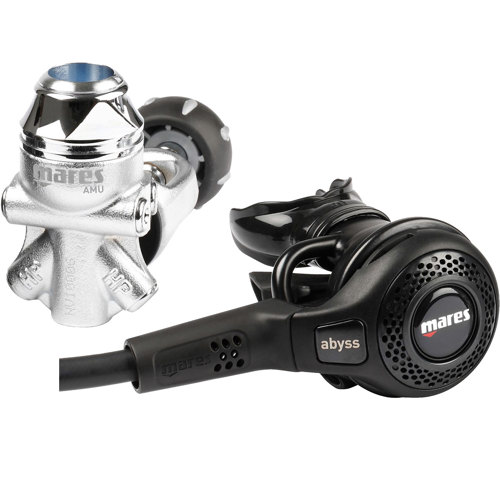
Redundancy is a key principle in police diving, so backup breathing systems—such as bail-out tanks and secondary regulators—are standard. These systems ensure that if a primary regulator fails or a diver encounters unexpected entanglement, there is always a reliable escape route to the surface. Underwater visibility is often limited, especially in lakes, rivers, or urban waterways, making high-lumen underwater lights indispensable for navigation and detailed searches. Divers also rely on lift bags to recover submerged evidence or heavy objects, with a range of sizes available to accommodate different weights and depths. Specialized evidence collection kits are designed to preserve the integrity of crucial items, whether it’s a weapon, vehicle part, or personal effects, while cutting tools such as shears and knives are always within reach for safe egress from nets, fishing lines, or other hazards. Navigation and mapping equipment, including sonar devices, help teams cover large areas efficiently and pinpoint objects that would be nearly impossible to locate by sight alone. Underwater cameras are used not only for documentation but also for building a visual record of scenes that may later be used in investigations or court proceedings.
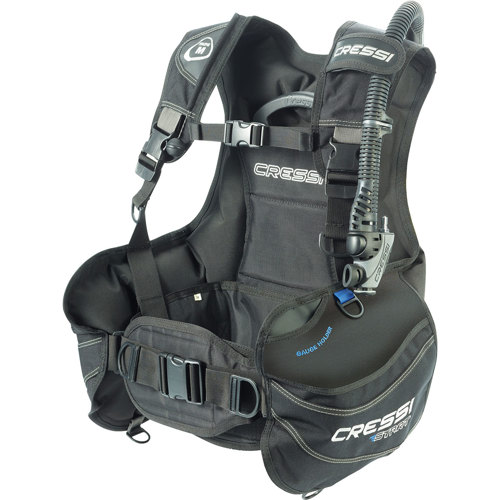
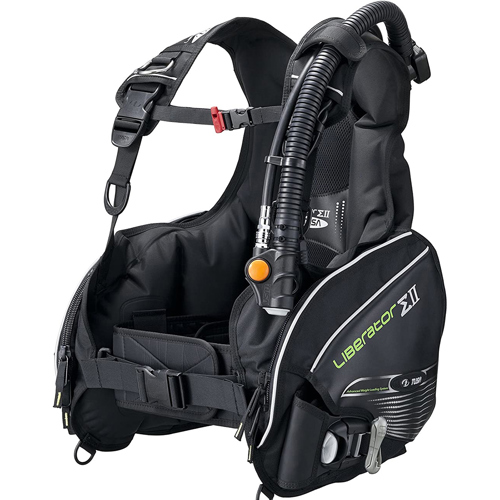
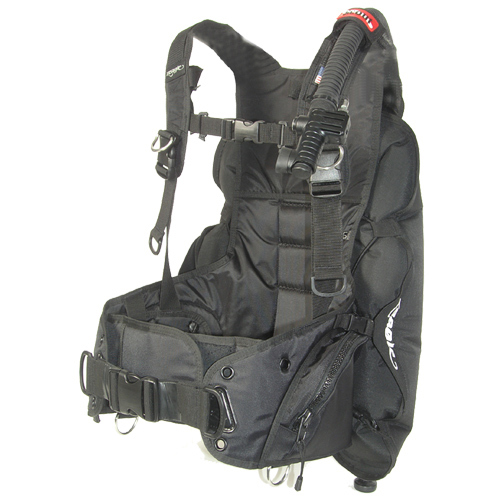
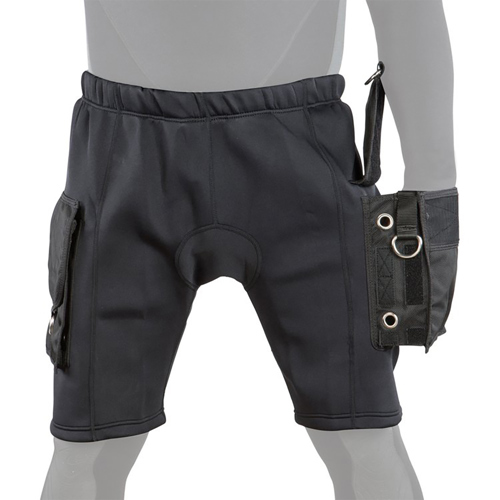
When selecting gear for police divers, durability and adaptability are paramount. Equipment must be able to withstand repeated exposure to rough handling, contaminated water, and extreme conditions. Personal protective equipment—like reinforced gloves and boots—provides an extra layer of safety against sharp objects or biohazards. Buoyancy compensator devices (BCDs) and weight systems are carefully chosen to give divers precise control over their movements and positioning, which is especially important when searching tight spaces or working in currents. First aid kits, tailored to the specific injuries that can occur during diving, should always be accessible during operations. For those looking to support a public safety diver, whether as a thoughtful gift or professional upgrade, focusing on high-quality, mission-specific gear can make a real difference in both safety and effectiveness. Many of these products are also suitable for adventurous divers who push their limits in demanding environments; for a broader selection of rugged diving equipment, visit our curated list at
Gear For Adventurous Divers. The right gear not only enhances operational capability but also instills confidence, knowing you are prepared for the unexpected on every dive. As the seasons change and conditions grow more challenging, investing in specialized police diving equipment is not just a matter of performance—it’s a commitment to safety, professionalism, and the critical missions that keep communities safe.