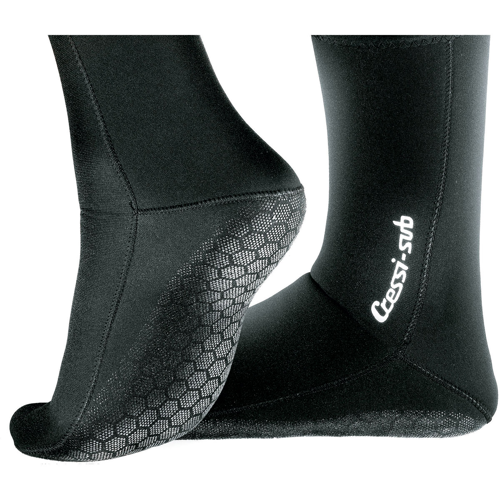
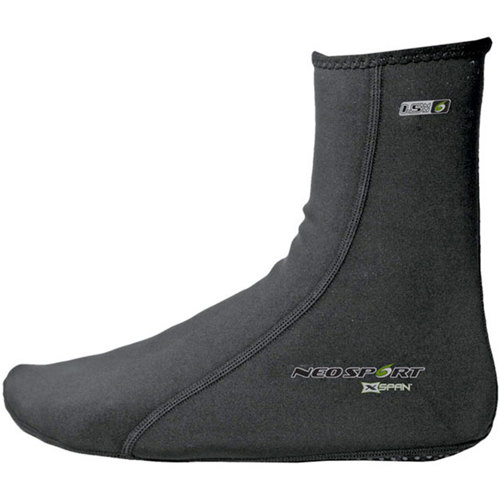
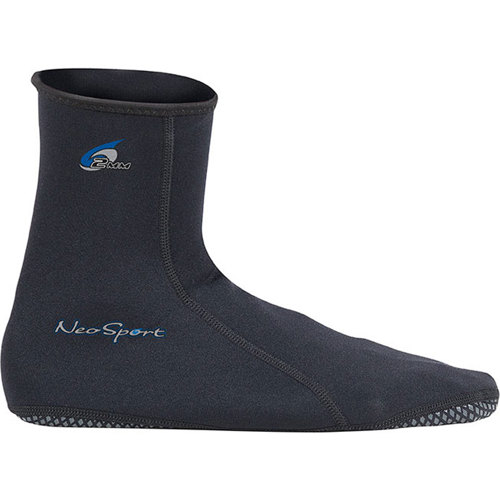
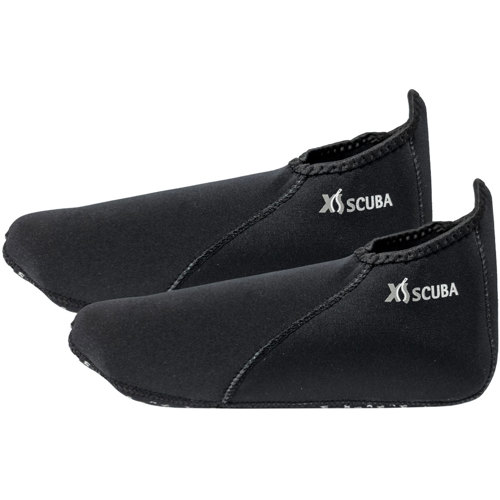
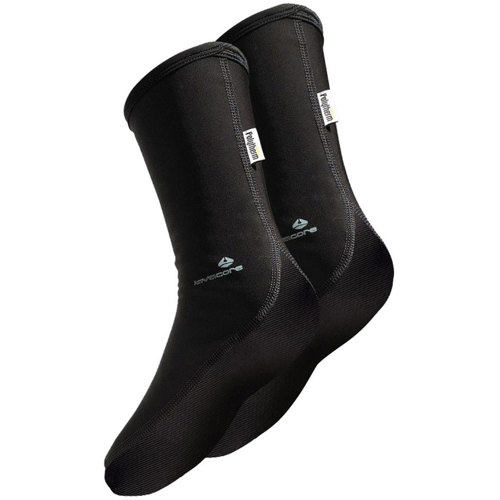
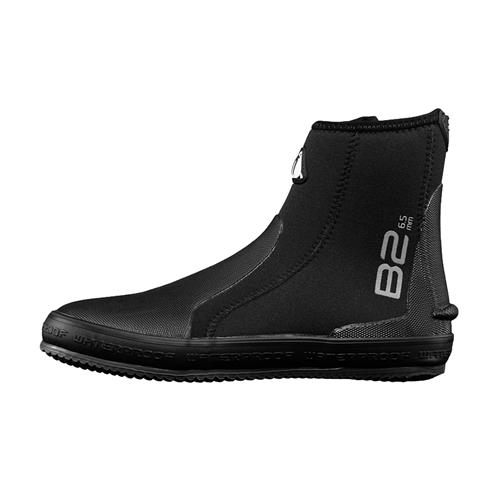
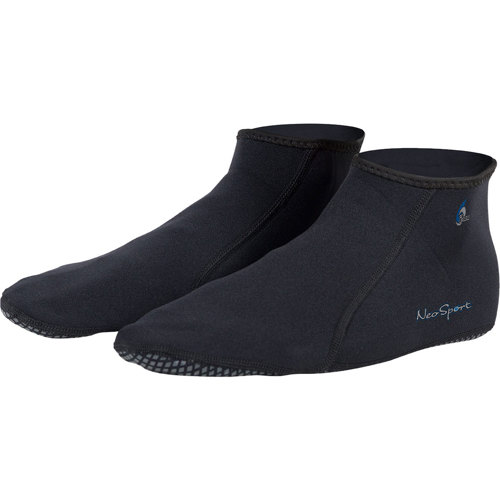
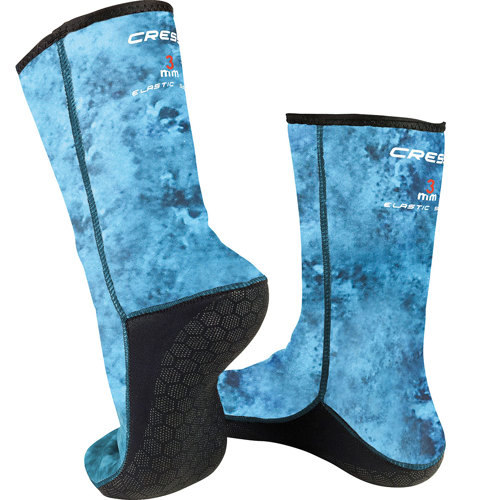
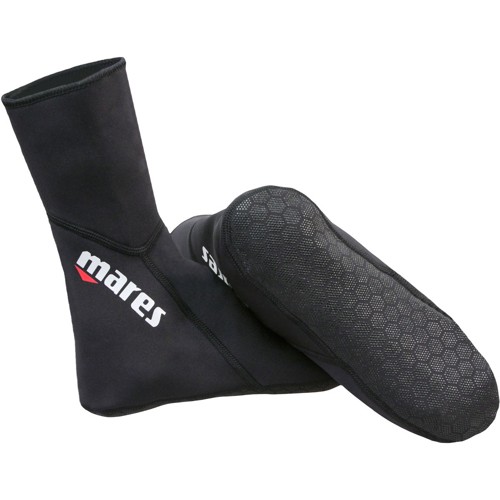
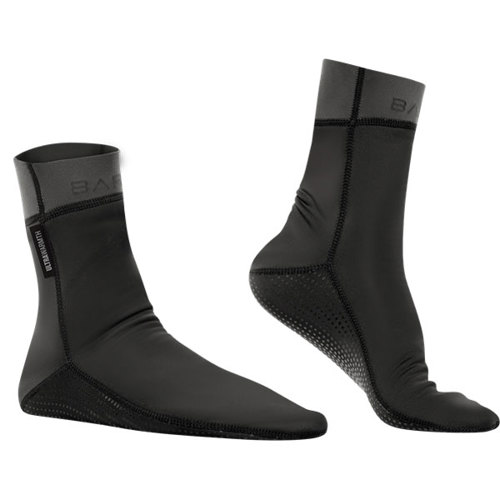
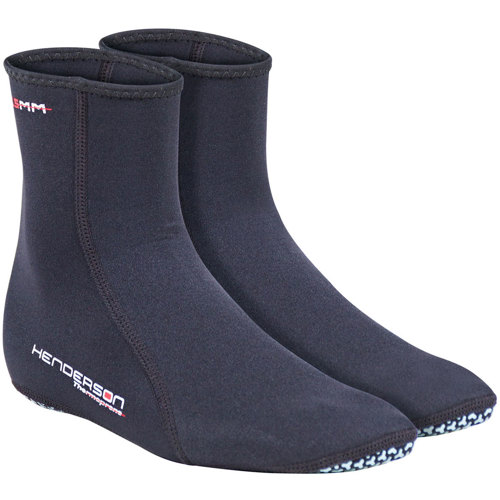
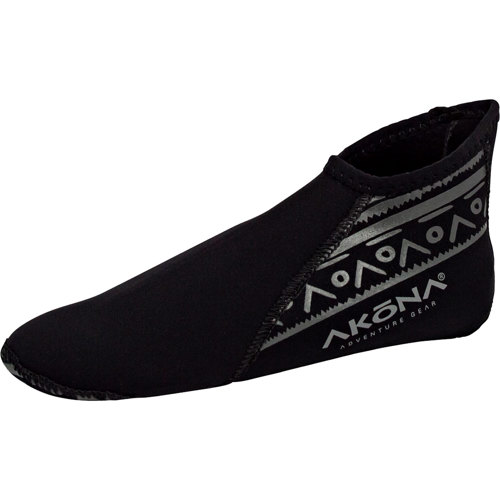
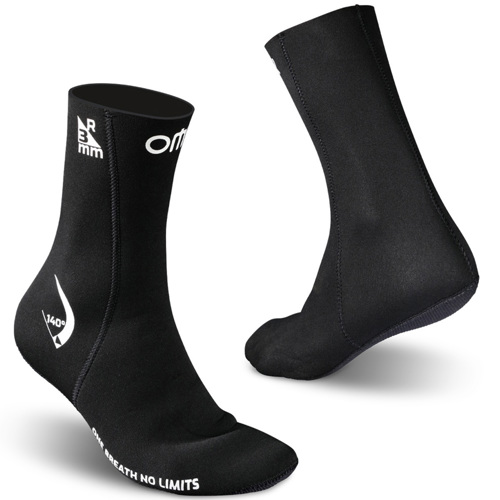
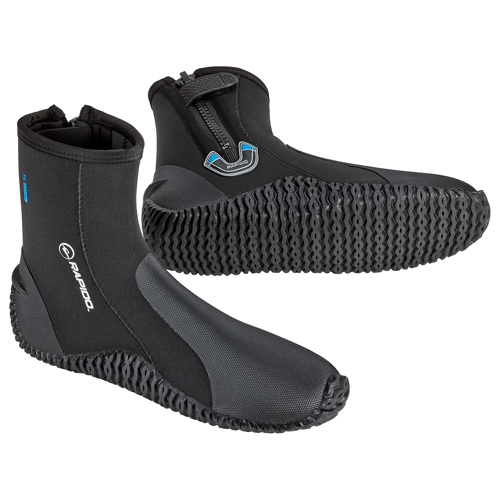
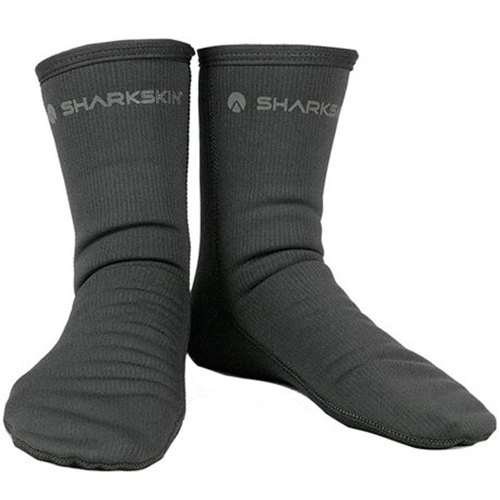
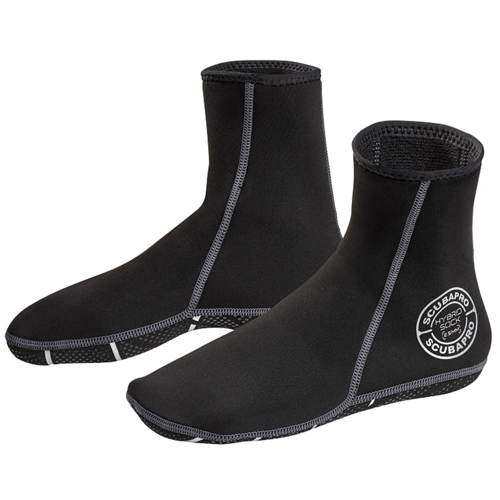
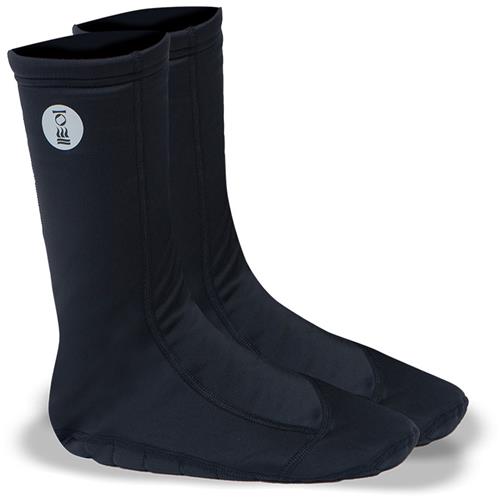
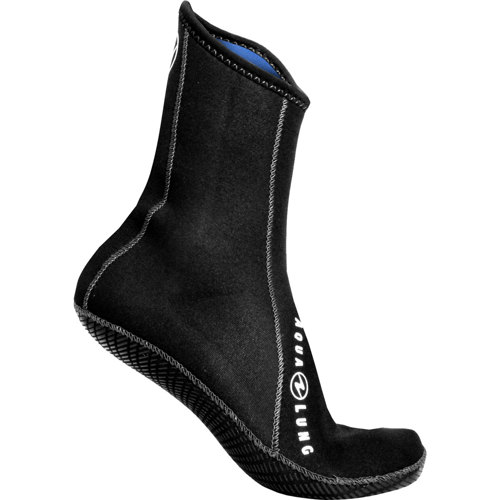
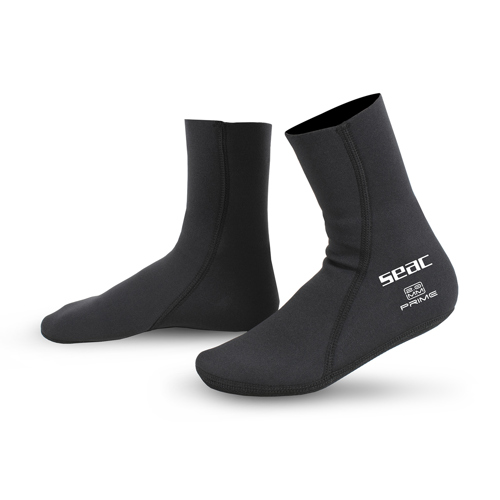
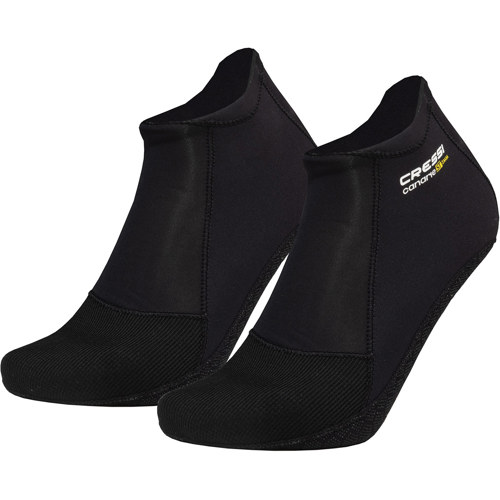
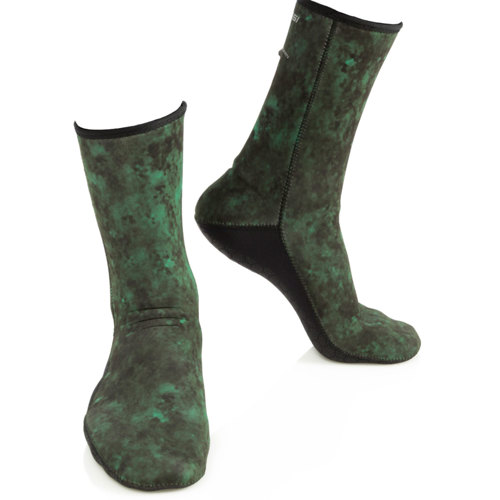
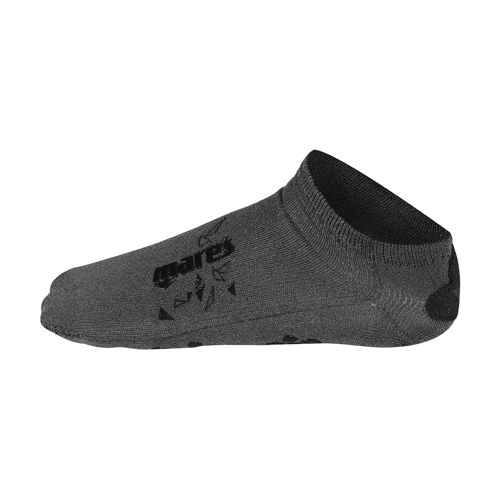
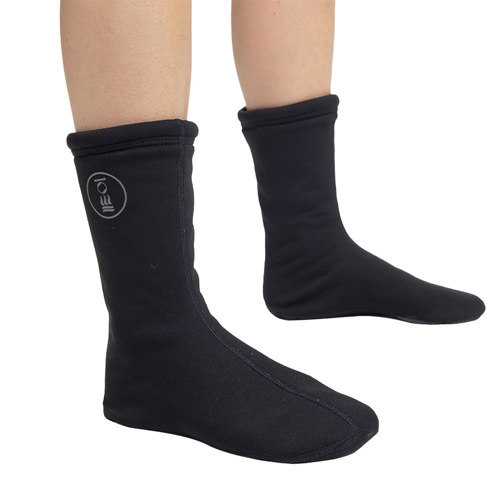
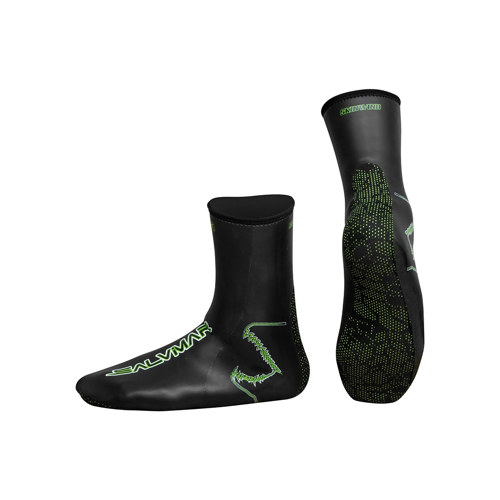
Freediving warm socks are a key piece of gear for anyone who spends extended time exploring beneath the surface, whether you’re gliding along a sun-dappled reef in a tropical destination or braving the brisk waters found in more temperate regions. The right pair of socks can make all the difference in comfort, warmth, and performance, especially as the seasons shift and water temperatures fluctuate. Constructed from neoprene in varying thicknesses—ranging from 2mm for warm water to 7mm for chillier conditions—these socks are designed to insulate your feet and lower legs, locking in body heat and minimizing water exchange. This is critical for freedivers, who often remain still for long stretches and are more susceptible to losing warmth through their extremities. For those who use full-foot fins, freediving socks also provide a protective barrier, preventing blisters and chafing caused by fin pockets, particularly during longer dives or when saltwater and sand get between skin and equipment.
Selecting the ideal freediving warm socks involves considering several factors, including water temperature, fin type, and the duration of your dives. If you’re planning to dive in cooler waters or early in the season, a thicker sock—around 5mm or more—offers superior insulation and helps stave off numbness, while a 2mm or 3mm option is perfect for tropical waters or summer conditions. The choice between open-cell and lined neoprene is another important detail: open-cell interiors grip your skin for maximum thermal retention, making them a favorite among dedicated freedivers, though they can be a bit trickier to put on. Lined socks, featuring a nylon or similar fabric layer, are easier to don and more durable for walking on rocky shores or boat decks. Fit is crucial; a snug sock not only improves warmth but also ensures your fins fit securely and comfortably. If your fins are slightly loose, a thicker sock can eliminate unwanted movement and reduce the risk of blisters. Freediving warm socks aren’t just for hardcore divers—snorkelers, spearfishers, and even casual beachgoers can benefit from the added comfort and protection, making them a thoughtful gift for anyone who loves the water. They’re especially appreciated by those who dive in a variety of environments, as a well-chosen pair can extend the season and make every session more enjoyable.
Freediving warm socks are built to withstand the rigors of underwater adventure, but they also add an element of versatility to your gear bag. Many divers keep several pairs on hand, swapping between thicknesses as the water warms or cools, or as they travel between destinations. The right socks can be the difference between a memorable dive and one cut short by cold or discomfort. For those exploring temperate waters, where conditions can change rapidly from early summer through early fall, it’s worth browsing specialized selections like the
Temperate Freediving Socks collection. Whether you’re gearing up for a new season, planning a trip, or searching for a practical gift for the aquatic adventurer in your life, freediving warm socks are an essential investment that delivers comfort, protection, and peace of mind every time you slip beneath the surface.