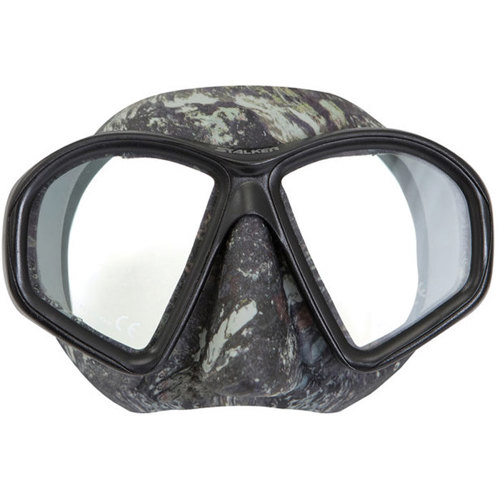
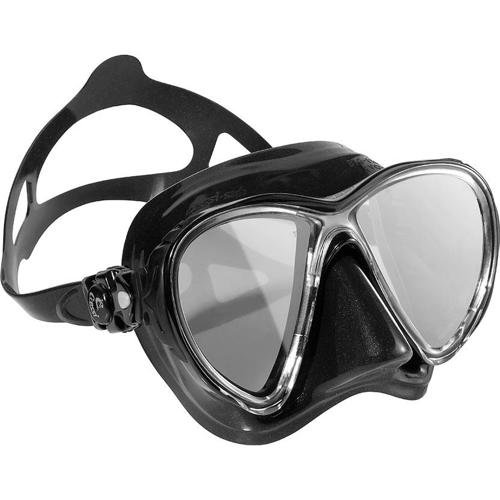
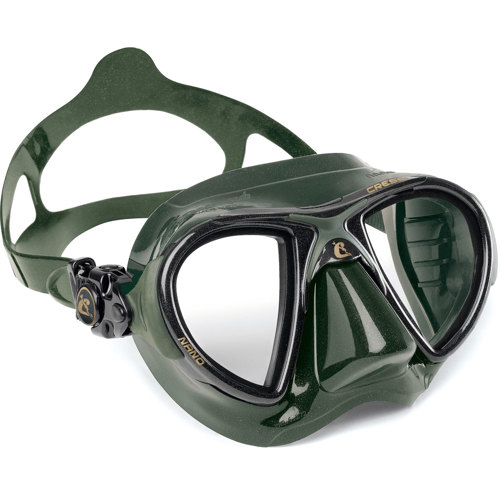
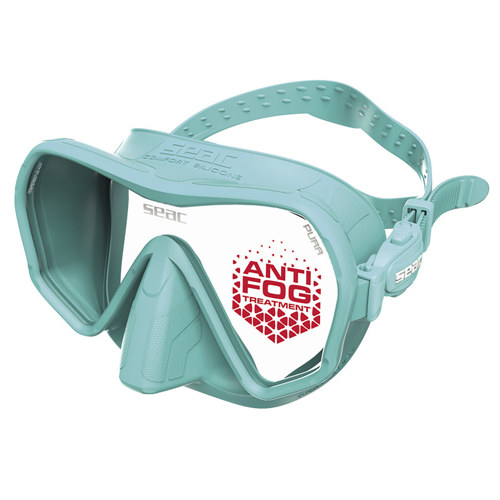
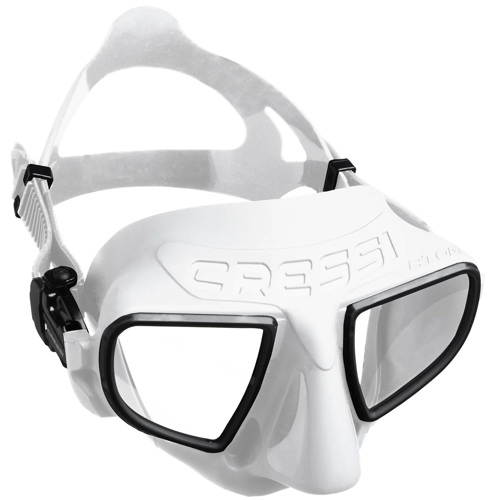
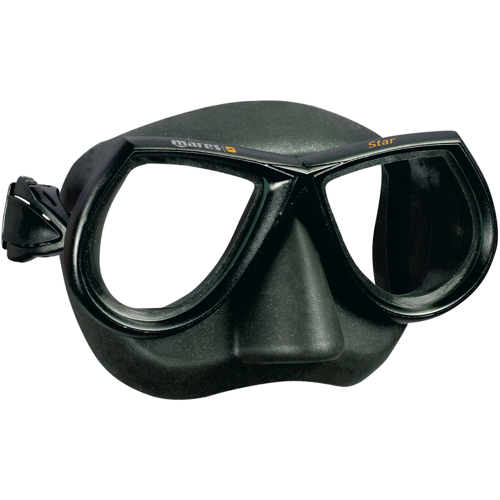
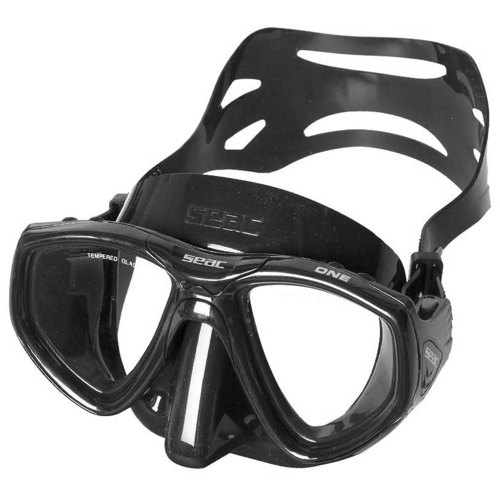
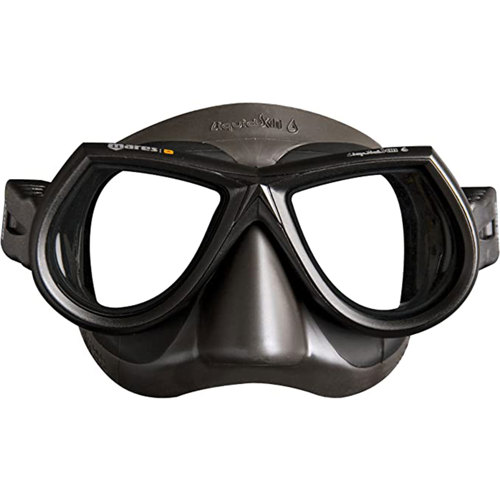
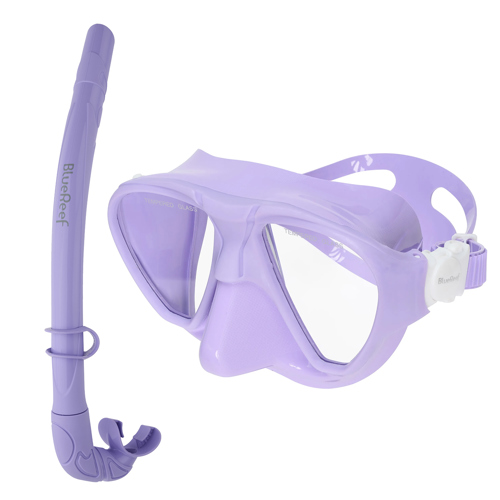
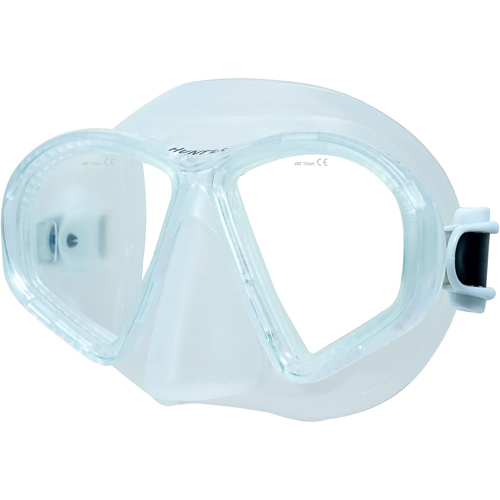
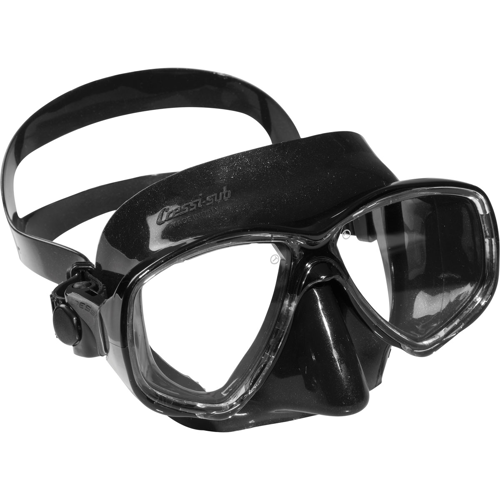
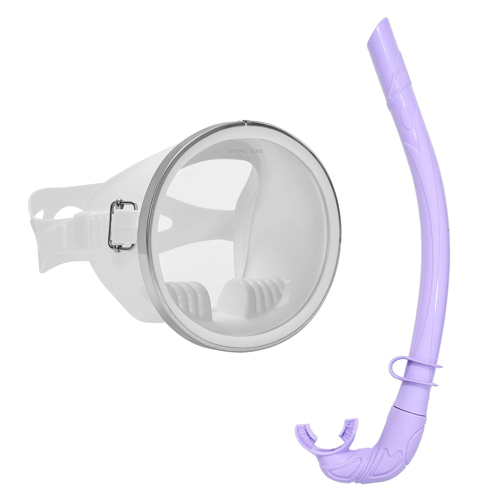
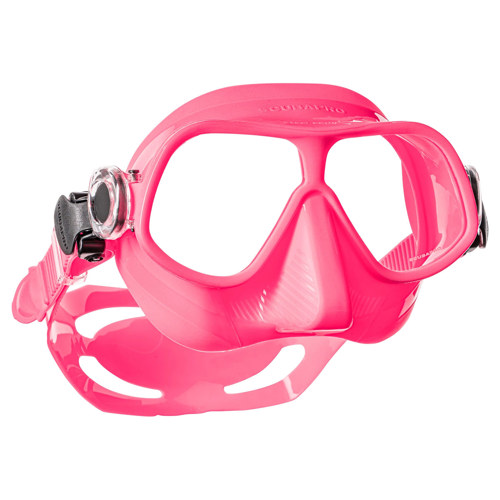
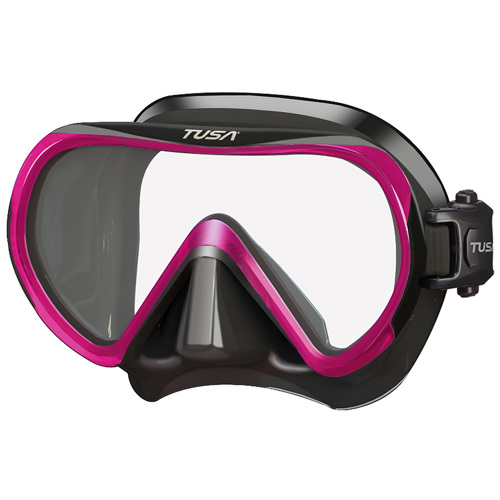
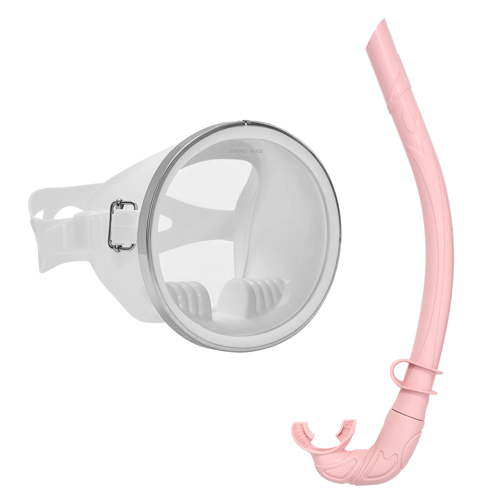
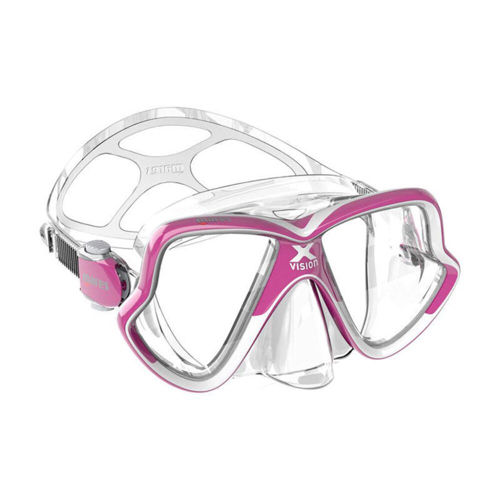
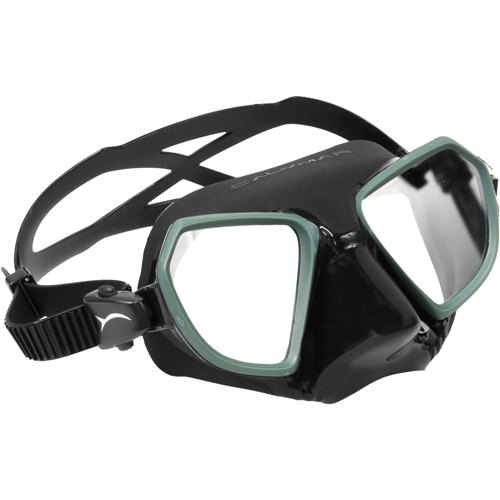
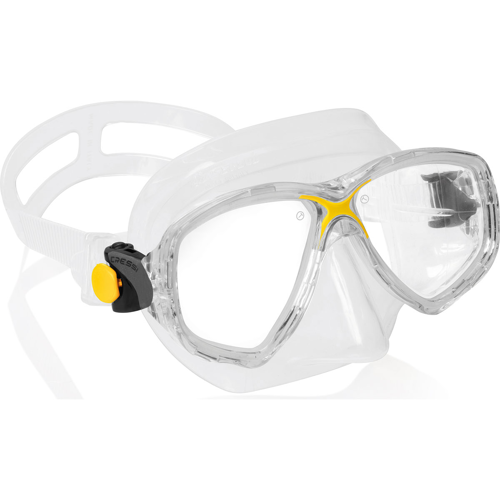
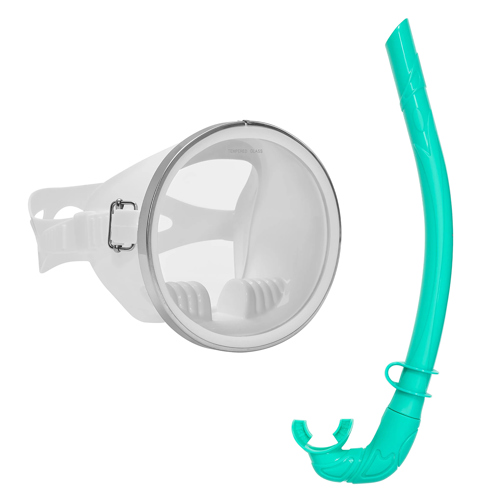
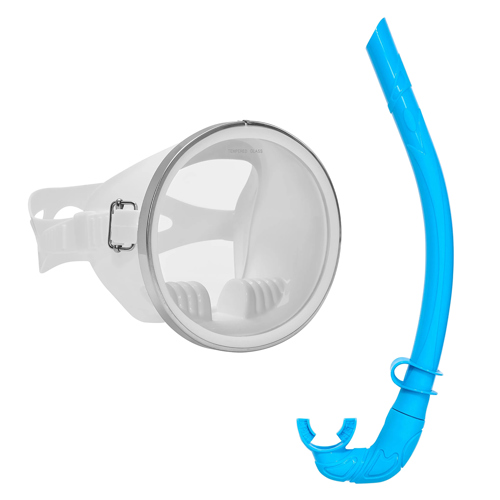
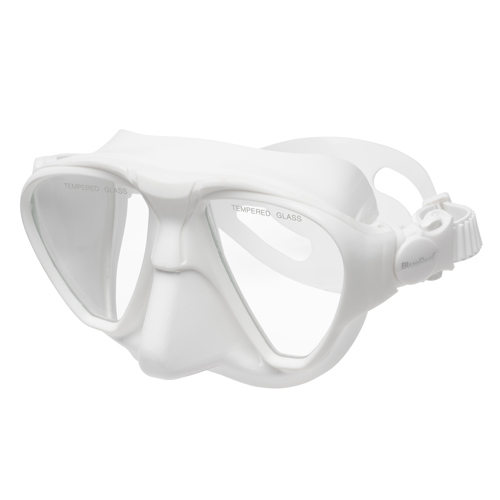
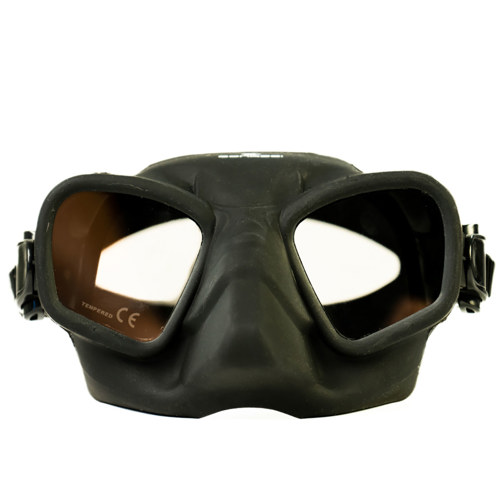
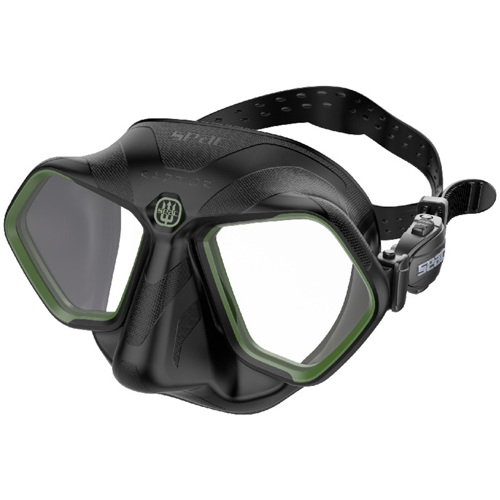
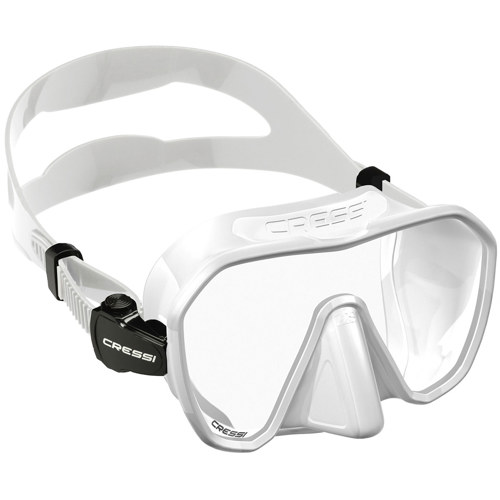
Freediving masks for pool training are a specialized piece of gear designed to enhance both comfort and performance during underwater sessions. As the weather warms and pool facilities become a hub for aquatic enthusiasts, many freedivers—whether beginners refining their breath-hold or seasoned athletes perfecting dynamic and static apnea techniques—seek out masks that offer a blend of low internal volume and expansive peripheral vision. The low-volume design is especially important for freediving, as it minimizes the amount of air required to equalize the mask, making it easier to focus on technique and relaxation rather than constant adjustments. This feature is particularly valuable during repetitive training cycles, where conserving energy and air is key. Wide, distortion-free lenses are also a critical factor for pool training, allowing athletes to monitor lane lines, walls, and training partners with ease. Many freediving masks are crafted from soft, flexible silicone with adjustable straps, ensuring a snug, watertight fit for a variety of face shapes—an essential consideration when comfort and distraction-free training are top priorities.
These masks are not only practical tools for personal training but also make thoughtful gifts for anyone passionate about freediving, underwater sports, or even competitive swimming and synchronized swimming. Gifting a freediving mask can be a way to encourage a friend or family member’s interest in aquatic fitness, or to support their preparations for upcoming competitions and certification courses. Freediving masks are especially popular among those pursuing dynamic apnea (DYN) or static apnea (STA) disciplines, as well as instructors who need reliable, comfortable gear for long pool sessions. For those new to the sport, a well-chosen mask can make all the difference in building confidence and extending time underwater, while experienced freedivers often appreciate upgrades that offer improved field of vision and easier equalization. When selecting a mask, it’s important to consider the user’s typical training environment, face shape, and sensitivity to pressure, as these factors influence the ideal fit and lens style. Many athletes also appreciate masks that are easy to rinse, store, and transport, especially if their training routine takes them from indoor pools to outdoor aquatic centers as the seasons shift.
Whether you’re seeking a mask for your own freediving journey or searching for a gift that will be appreciated by a water-loving friend, the right freediving mask can open up new levels of comfort and performance in the pool. As pool training sessions become more frequent with the approach of the summer and fall swim seasons, investing in a mask designed specifically for freediving ensures that every breath-hold, kick, and glide is supported by gear that’s built for the discipline. For those who cross-train with snorkeling or scuba, or who are interested in exploring other underwater sports, it’s worth noting that some freediving masks offer versatility across multiple activities, though the low-volume design remains the gold standard for pool-based breath-hold training. For more guidance on selecting the ideal mask for your needs or to explore additional options tailored to pool environments, visit our dedicated page:
Scuba Masks For Pool Training Sessions. With the right equipment, every session in the water can become a step closer to mastering freediving skills and enjoying the unique tranquility that comes from training beneath the surface.