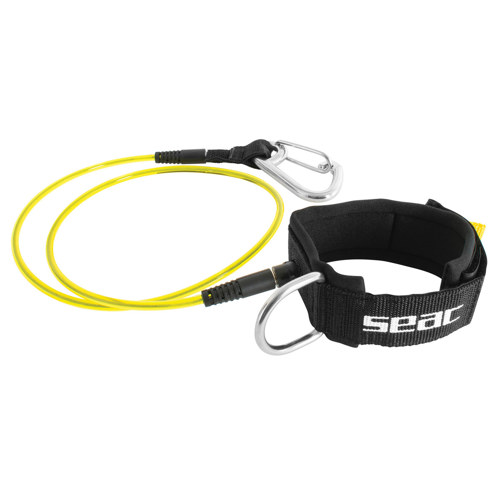
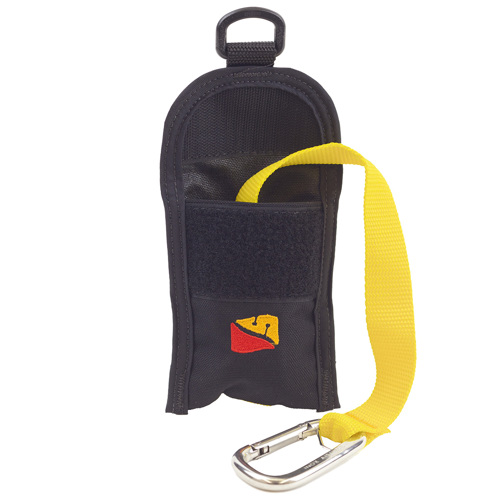
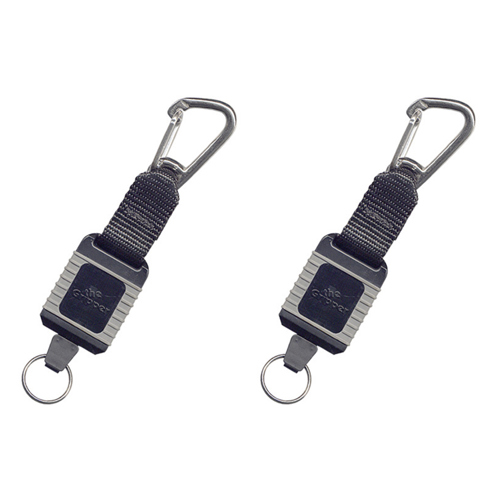
Freediving lanyards are a vital piece of equipment for anyone training or competing in depth disciplines, acting as a direct connection between the diver and the guideline. As the weather warms and dive sites become more accessible, more athletes and enthusiasts take to the water to hone their skills or participate in seasonal competitions. During these months, the importance of safety and reliability in your gear cannot be overstated. A freediving lanyard is not just a simple tether; it’s a carefully engineered safety system designed to prevent separation from the dive line, especially in the event of a blackout or disorientation at depth. For many, the choice of lanyard is determined by both the discipline—such as Constant Weight (CWT), Free Immersion (FIM), or Constant Weight No Fins (CNF)—and personal comfort. Wrist, ankle, or waist attachments each offer unique advantages in terms of streamlining and ease of use. For those new to the sport, or for seasoned divers pushing their limits, the right lanyard can make a world of difference in both confidence and safety.
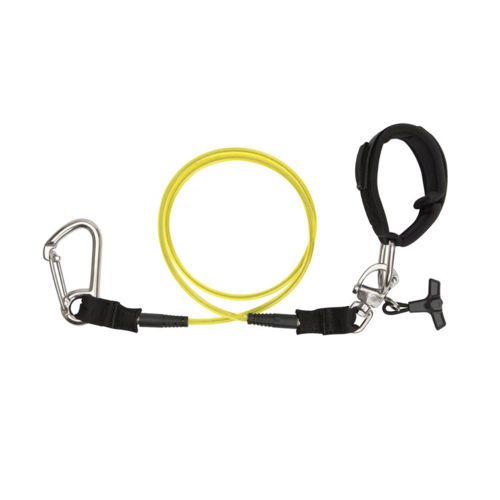
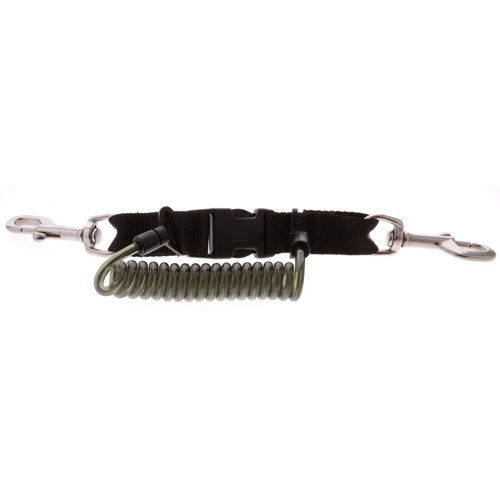
When selecting a freediving lanyard, several key features should be considered. The carabiner, often constructed from lightweight yet robust materials like stainless steel, carbon-nylon, or aluminum, must clip securely to the descent line and drain quickly to avoid drag. The cable itself is typically crafted from hermetically sealed steel or polymer-coated aircraft wire, providing strength and flexibility while resisting cuts and abrasion from contact with the line or underwater structures. Many divers recall the peace of mind that comes from hearing the satisfying click of a well-made carabiner locking onto the line, knowing that the connection is secure. An equally critical component is the quick-release mechanism—a dedicated pull-tab or shackle that allows for instant detachment in emergencies. This feature is especially important during competitions, where rapid response can be the difference between a safe recovery and a dangerous situation. Regular inspection of your lanyard is essential; check for kinks in the cable, salt buildup, and ensure the release mechanism operates smoothly. Proper positioning is also key—wearing your lanyard on the side facing away from the line helps prevent entanglement during ascents and descents. For those interested in exploring different attachment styles, a variety of options can be found on our
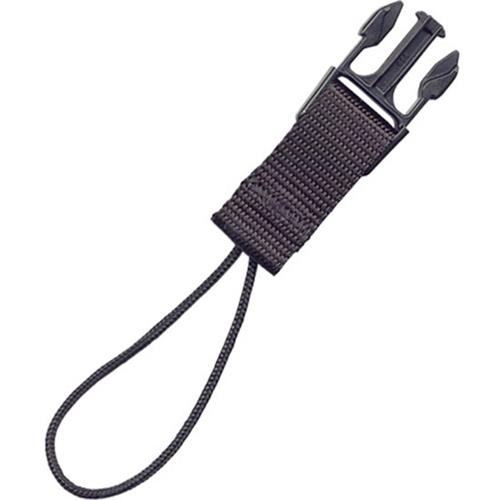
Scuba Diving Wrist Lanyards page, offering solutions tailored to individual preferences and diving disciplines.
Freediving lanyards also make thoughtful and practical gifts for anyone passionate about freediving, whether they are just starting out or are seasoned competitors. Gifting a high-quality lanyard shows a deep understanding of the sport’s demands and a genuine concern for the recipient’s safety. As the freediving community gathers for training camps, competitions, and social dives throughout the summer and into the fall, having the right lanyard is a sign of professionalism and preparedness. Many divers share stories of how a reliable lanyard has made their training sessions smoother and more enjoyable, allowing them to focus on technique and relaxation rather than worrying about equipment failure. Whether used for rigorous depth sessions, line training, or official competitions, these lanyards are indispensable for anyone serious about freediving. By investing in a dependable, competition-grade freediving lanyard, divers not only meet federation safety requirements but also gain the assurance needed to explore new depths with confidence and peace of mind.