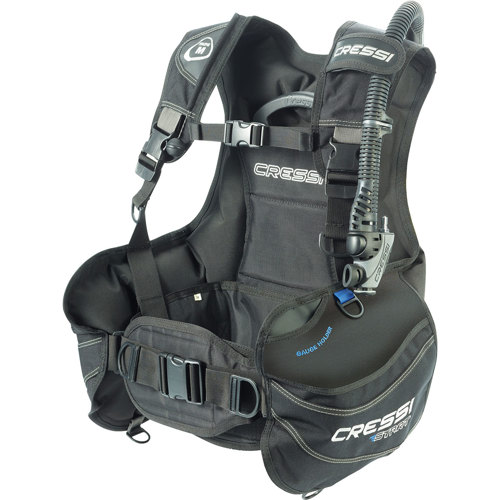
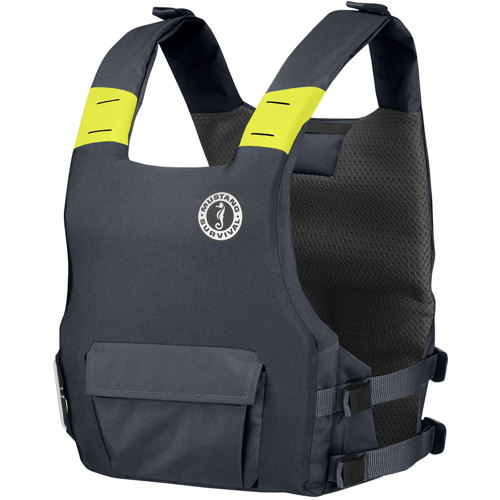
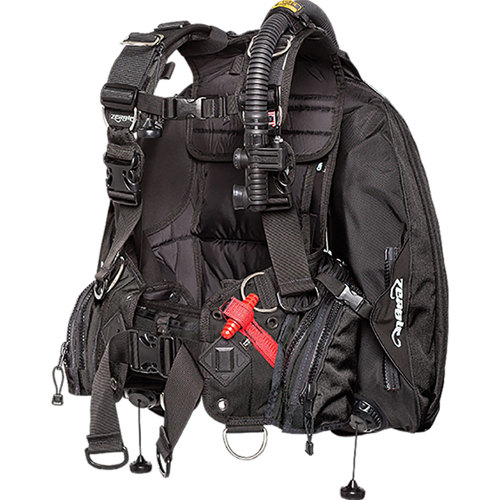
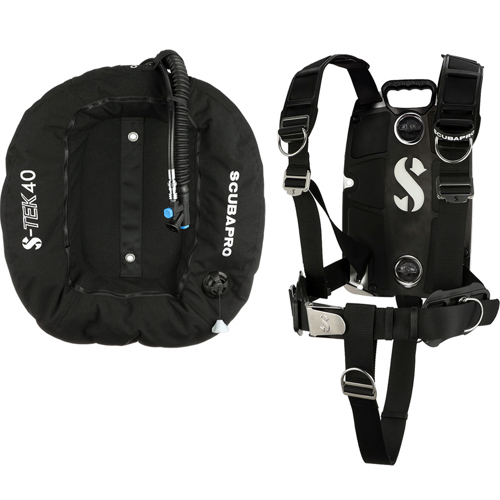
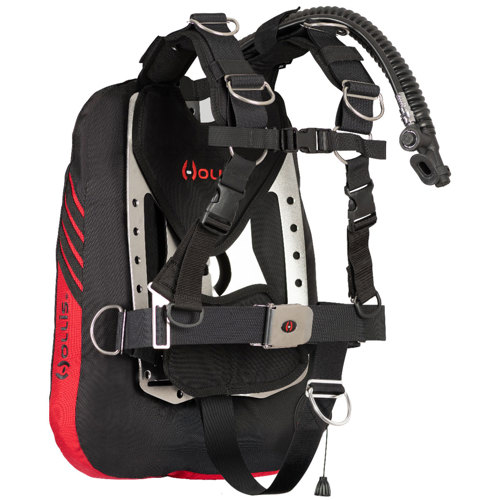
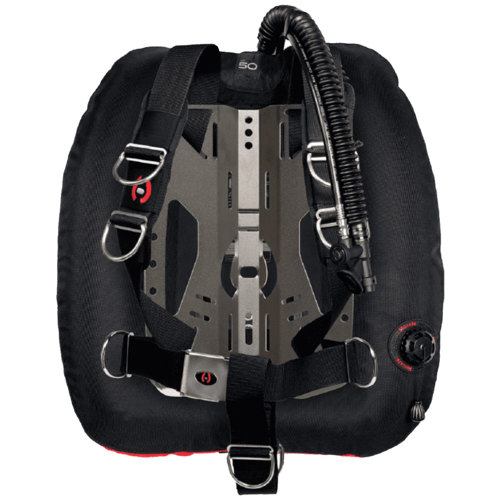
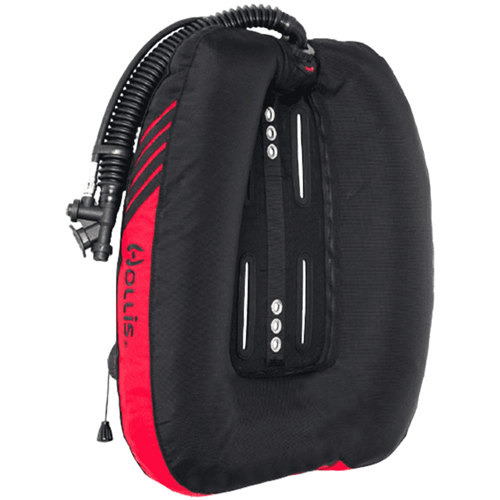
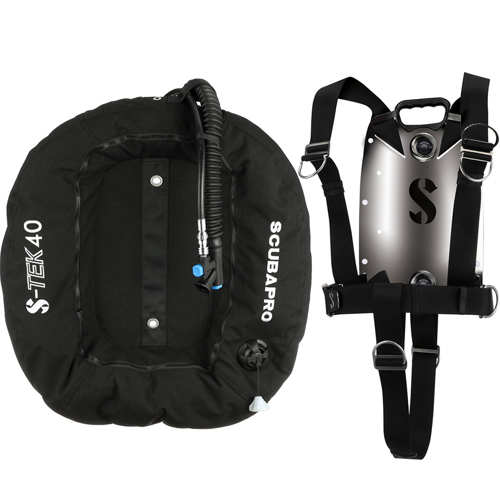
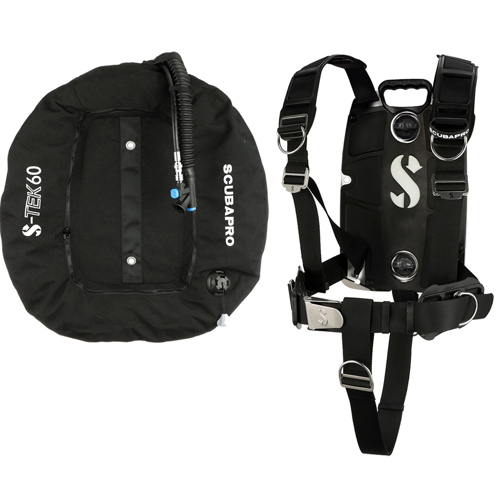
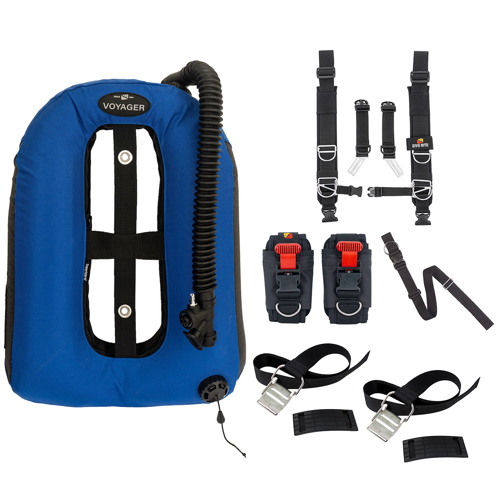
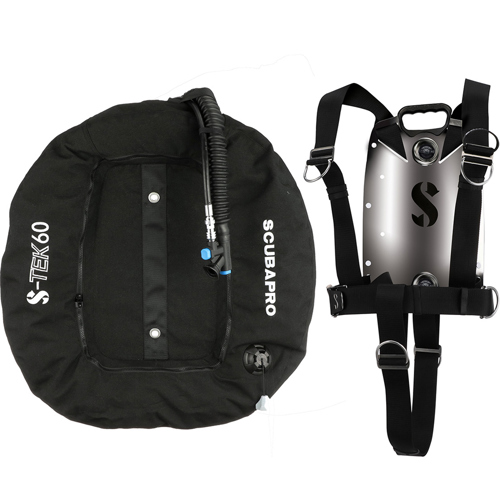
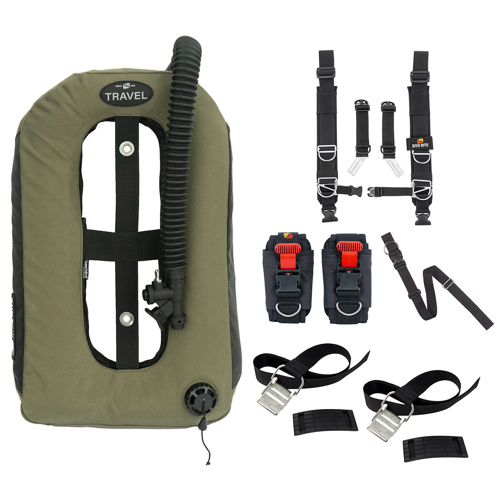
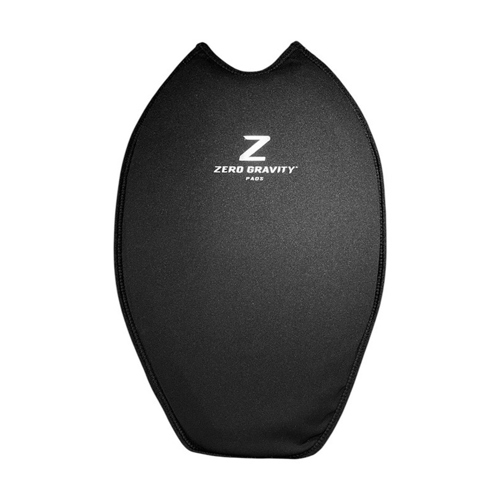
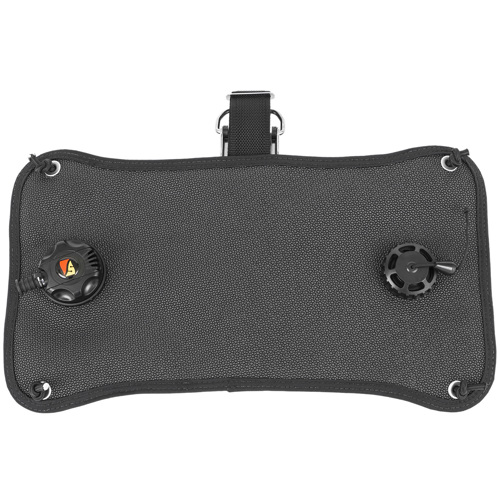
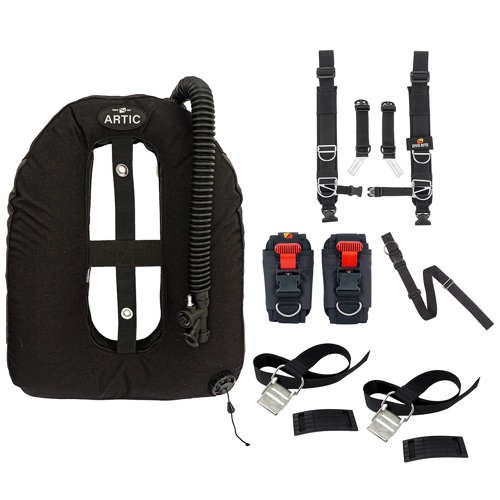
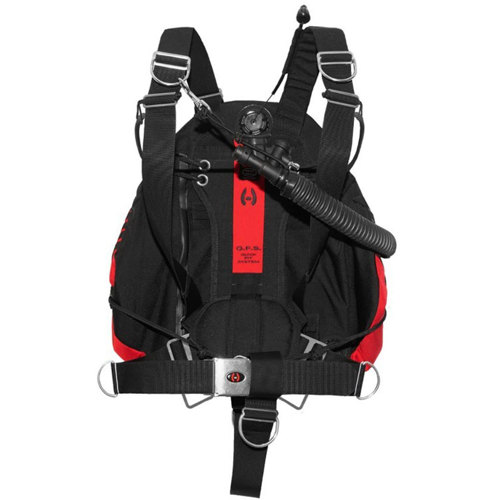
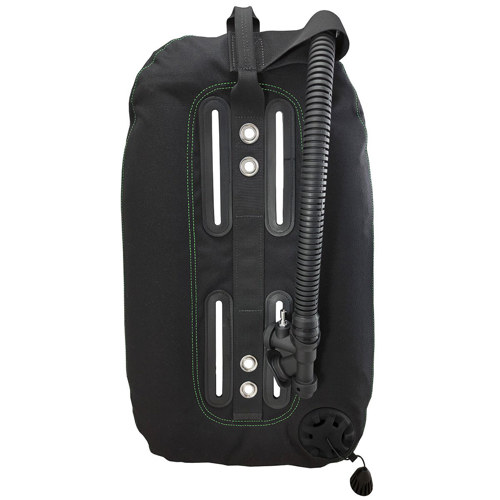
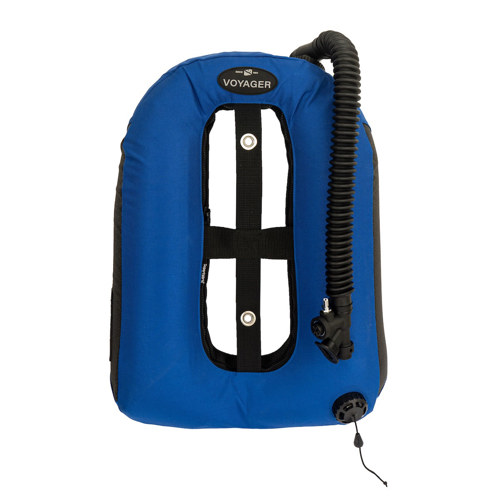
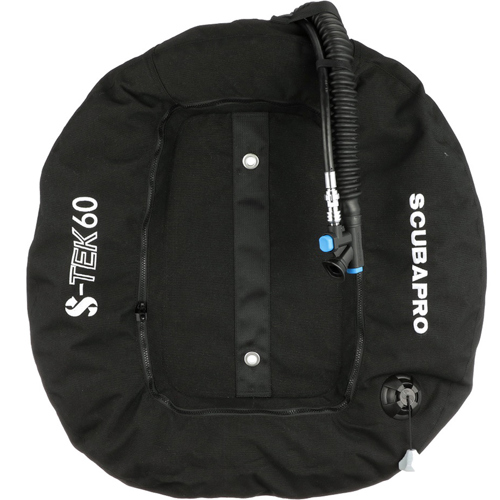
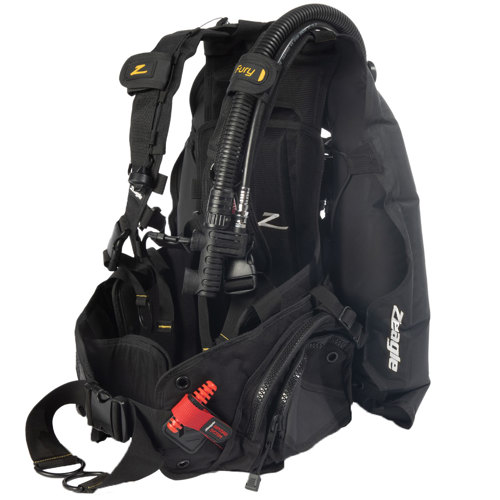
Extra buoyancy wings are an essential piece of kit for divers seeking greater control, stability, and safety when carrying heavier gear or exploring more demanding underwater environments. As the weather warms and dive conditions invite longer, deeper, or more technical adventures, many divers look to upgrade their setups to accommodate thicker exposure suits, twinsets, or additional stage bottles. These wings, often paired with a stainless steel or aluminum backplate and harness system, provide the lift necessary to offset the negative weight of robust cylinders and cold-water gear, ensuring you maintain proper trim and buoyancy throughout the dive. Whether you’re gearing up for a summer trip to a local quarry, a cool lake in early fall, or planning a technical dive expedition on a shipwreck, choosing the right wing capacity is crucial. For single-tank recreational diving in warm water, a wing offering 25 to 30 pounds of lift is often sufficient. If you’re layering up in a drysuit for colder conditions, look for models with 35 to 40 pounds of lift. Technical divers using double tanks or carrying decompression bottles may require wings rated for 40 to 60 pounds or more, depending on the total weight of their rig.
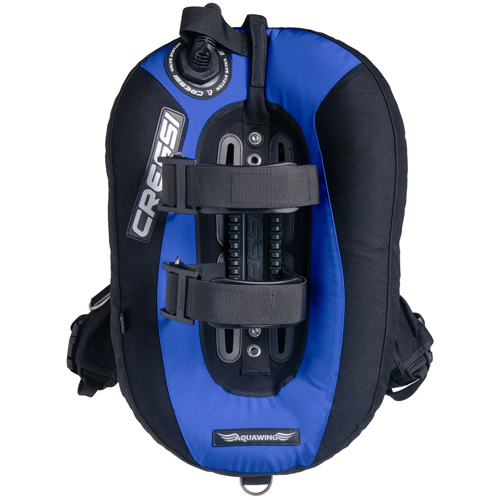
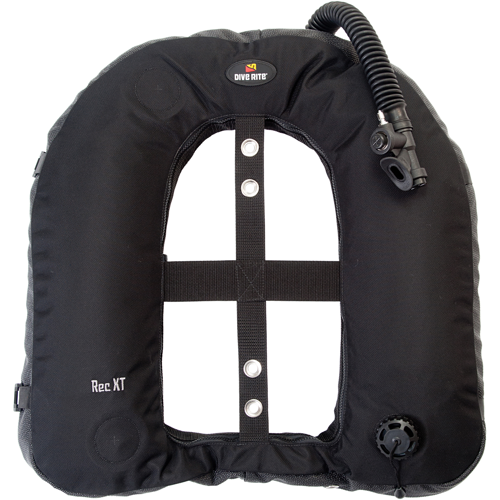
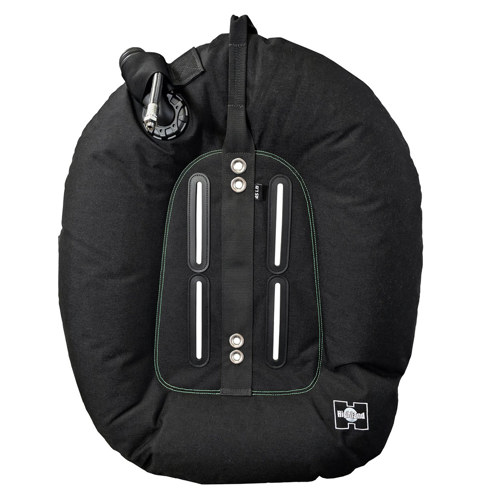
When selecting an extra buoyancy wing, consider the design that best matches your diving style and equipment configuration. Donut-shaped wings, forming a complete O, are a favorite among divers for their ability to allow air to circulate evenly around the bladder, making it easier to achieve a balanced position in the water and preventing gas from getting trapped. This design is particularly versatile, working well with both single and double tank setups. Horseshoe (U-shaped) wings, on the other hand, are often preferred by experienced technical divers who need maximum side-to-side stability with heavy twinsets. While they offer excellent support, they do require a bit more technique to shift trapped gas toward the exhaust valves, especially when making fine adjustments to buoyancy at depth or during decompression stops. The modularity of these systems means you can tailor your setup for each dive, swapping out wings as your needs change. This flexibility is especially valuable for divers who travel between warm and cold water sites or alternate between recreational and technical dives. Many divers find that investing in extra buoyancy wings not only enhances their comfort and safety but also opens up new possibilities for exploration, from deep reef walls to submerged caves.
Extra buoyancy wings can also make a thoughtful and practical gift for the diver in your life, especially for those looking to advance their skills or tackle more challenging environments. If you know someone who has been talking about getting into technical diving, or who is planning a special dive trip as the seasons shift, upgrading their wing system can be a meaningful way to support their passion. The right wing can transform a diver’s experience, providing the confidence to handle heavier gear and variable conditions with ease. For those interested in exploring the full range of options, including models with integrated inflators for effortless buoyancy control, our curated list of
Dive Wings With Inflators offers detailed information to help you find the perfect match. As you plan your dives during the vibrant months of early summer through early fall, whether you’re chasing new certifications or simply enjoying the freedom of the open water, extra buoyancy wings—sometimes known as extra plonge in certain diving communities—are a reliable companion for any adventure beneath the surface.