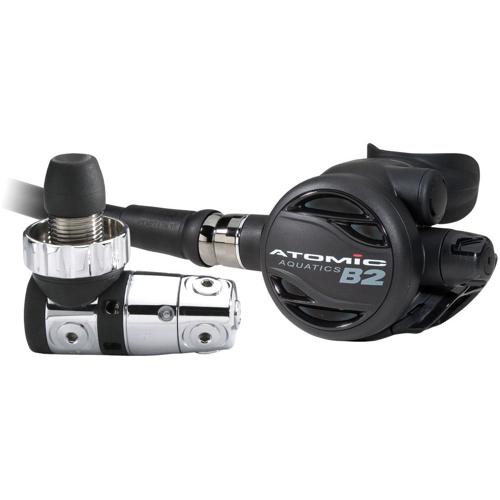
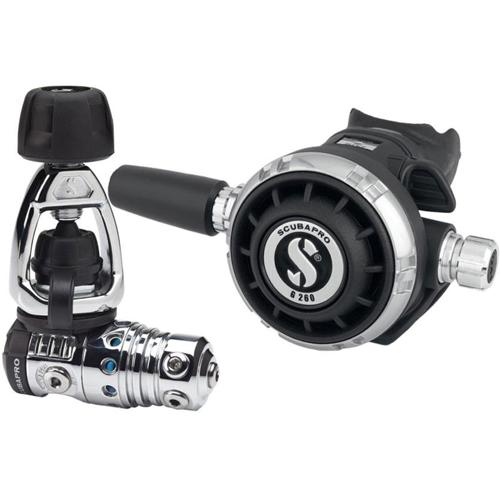
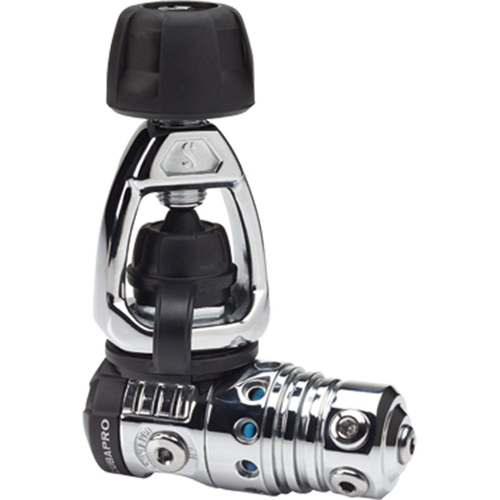
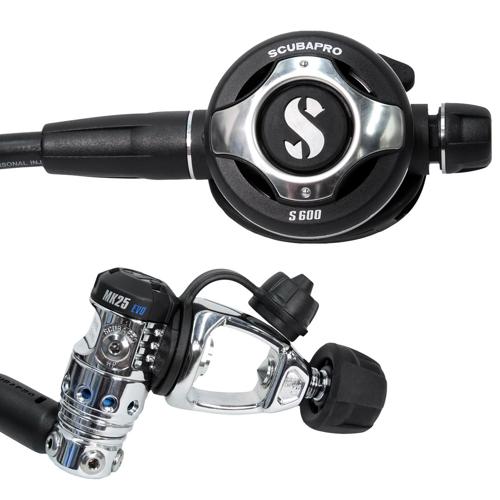
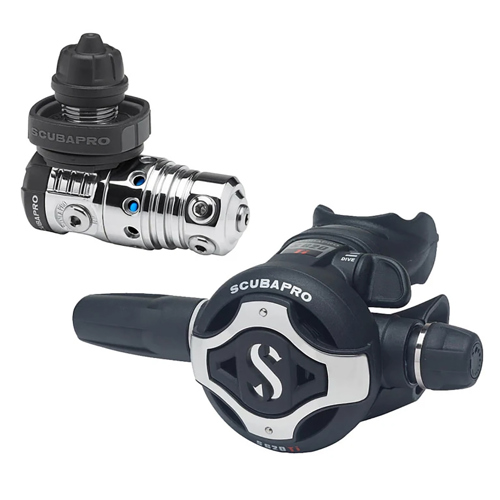
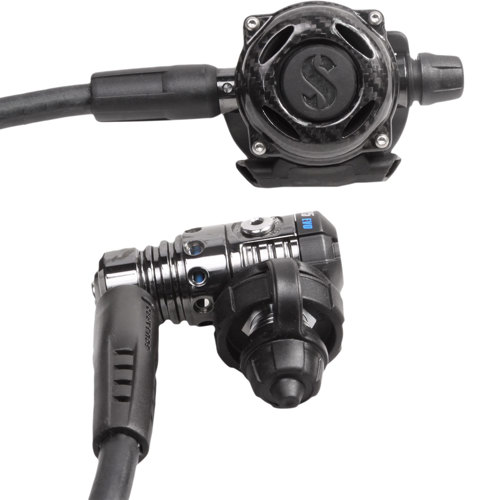
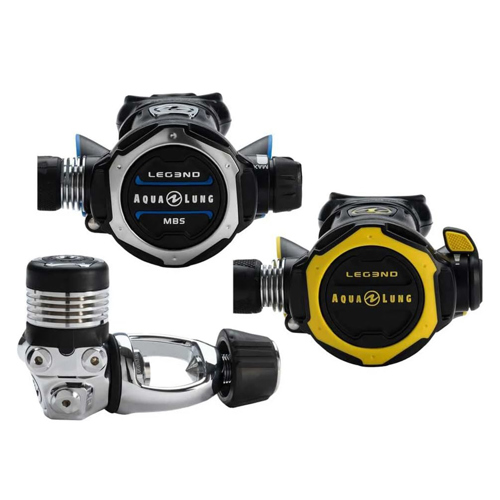
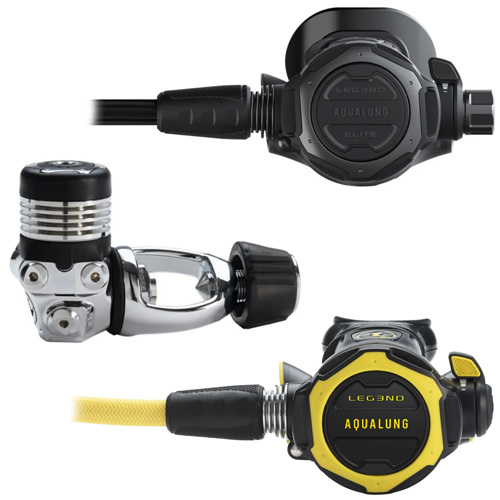
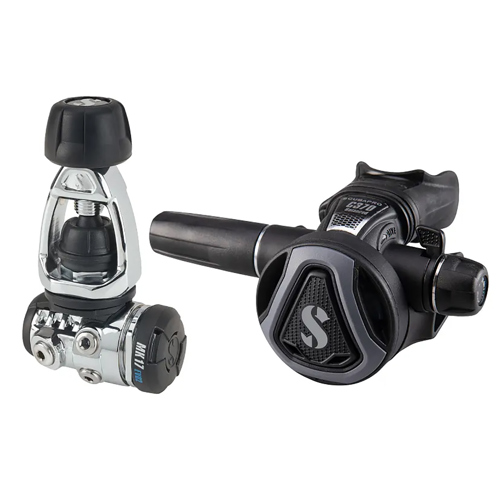
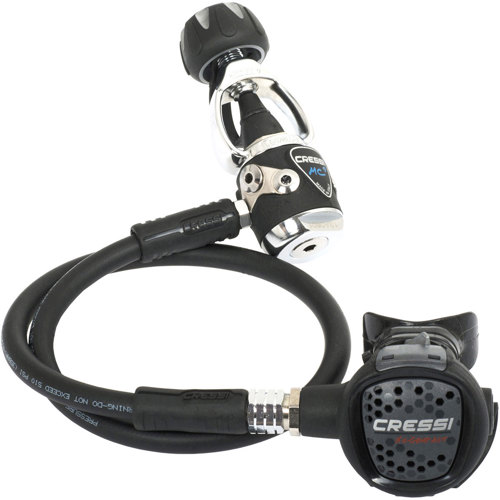
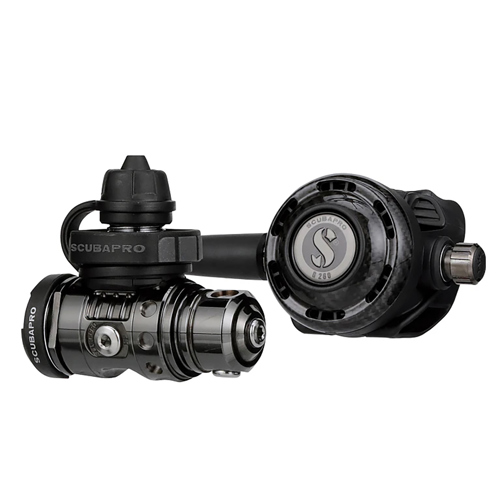
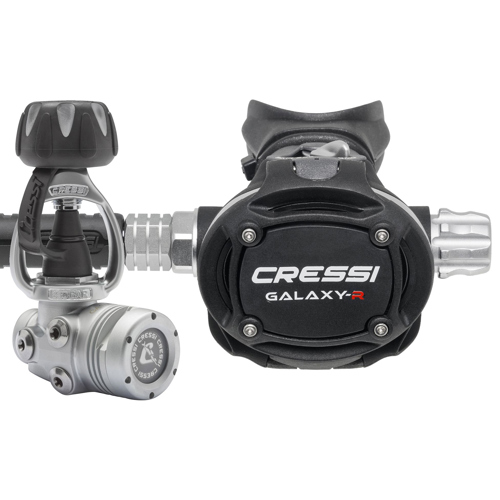
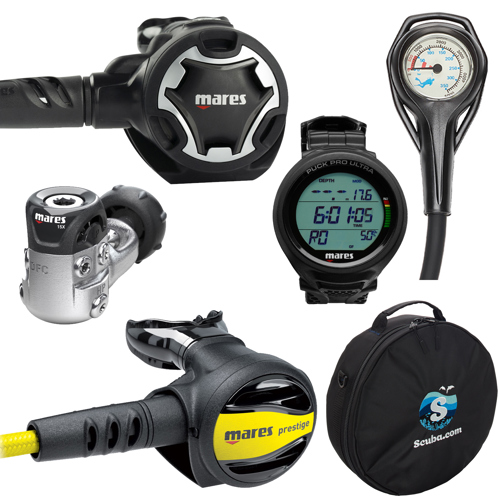
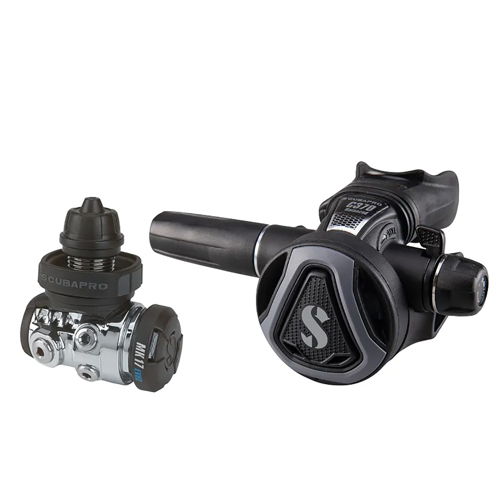
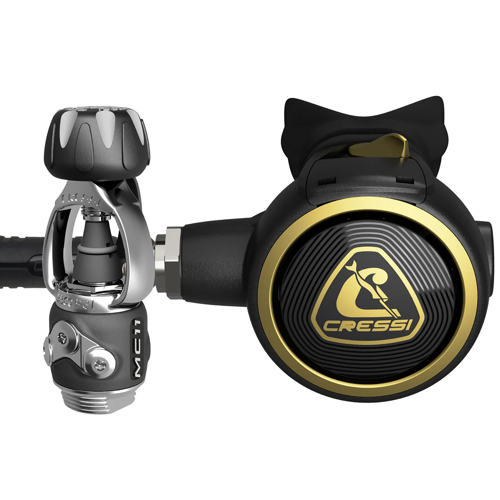
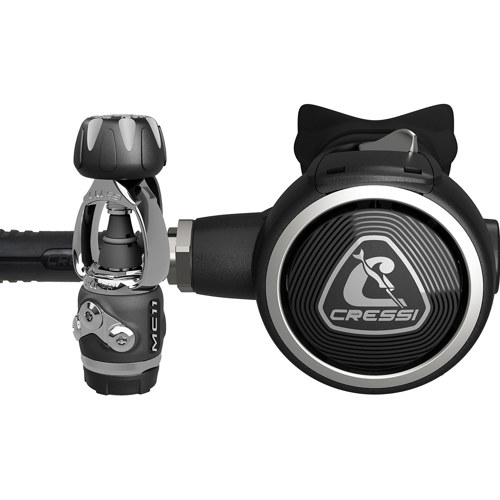
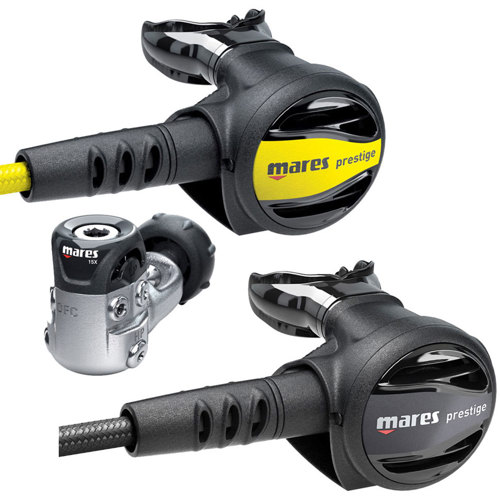
Selecting an EN 250 approved regulator is a crucial step for divers who prioritize safety, reliability, and performance in a wide range of underwater environments. The EN 250 standard, recognized across Europe and beyond, sets a rigorous benchmark for breathing apparatus, ensuring that regulators deliver consistent airflow, even in cold water and at significant depths. This makes EN 250 compliant regulators not only suitable for recreational divers exploring local reefs, but also indispensable for professionals, instructors, and technical divers who may venture into colder or deeper waters where equipment failure is not an option. The standard’s requirements for cold water performance—such as resistance to freezing and consistent breathing effort—are especially relevant during the winter months, when water temperatures can drop sharply. For those planning early-season dives or trips to chillier destinations, choosing an EN250 regulator provides the peace of mind that comes with knowing your gear has been tested under the harshest conditions. These regulators are also a thoughtful gift for avid divers, whether they’re upgrading their kit for advanced training or preparing for a bucket-list expedition.
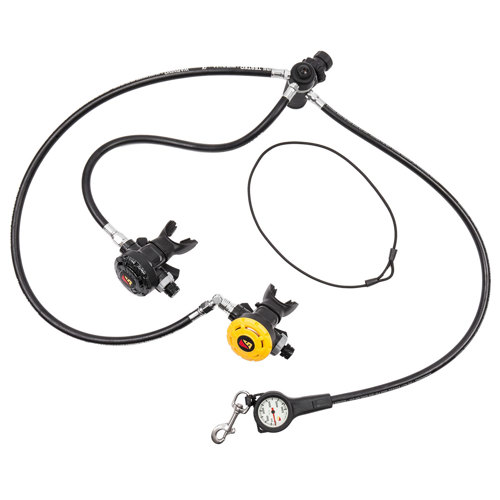
When considering which EN 250 approved regulator is the best scuba regulator for your needs, it helps to understand the specific features that set these models apart. Look for the CE mark accompanied by the EN 250 or EN 250:2014/A designation, often found on the regulator’s body or packaging, which indicates compliance with European PPE directives. Some manufacturers go beyond the standard, testing their regulators to even greater depths or under specialized conditions, which can be appealing for those who plan to push their limits. The best EN250 regulators typically offer advanced engineering to prevent ice formation, maintain smooth airflow, and minimize breathing resistance, even during demanding dives. Divers who frequent colder waters or plan to dive year-round will particularly appreciate the enhanced cold-water capabilities, while those who travel may value models that are lightweight and easy to service internationally. For instructors and dive leaders, having a reliable EN 250 approved regulator is essential for both personal safety and setting an example for students. And for anyone assembling a complete, safety-focused dive setup, pairing a primary EN250 regulator with a high-quality octopus or backup is a smart move—explore options for
Safe Second Regulators to round out your configuration.
The versatility and assurance provided by EN 250 approved regulators make them a mainstay in any serious diver’s equipment arsenal. Whether you’re descending into a kelp forest off the California coast in January, braving the brisk waters of a European lake, or embarking on a technical dive to a shipwreck, these regulators are designed to perform when it matters most. Many divers recall the first time they felt the crisp, cold bite of winter water and the comfort of knowing their EN 250 regulator would deliver steady, effortless breaths regardless of the conditions. That reliability is not just a technical specification—it’s a foundation for building confidence and expanding your underwater horizons. For newer divers, investing in a regulator that meets or exceeds the EN 250 standard is an investment in long-term safety and enjoyment, while seasoned explorers will appreciate the performance edge and peace of mind these models provide. By choosing an EN250 regulator, you’re equipping yourself for a lifetime of adventures, from local training dives to remote expeditions, with the assurance that your breathing apparatus meets the highest standards for safety and cold-water performance.