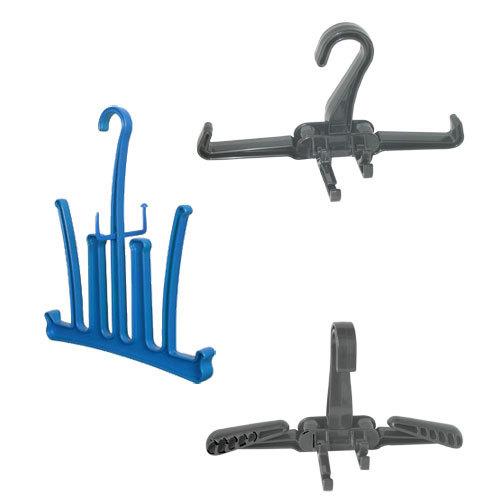
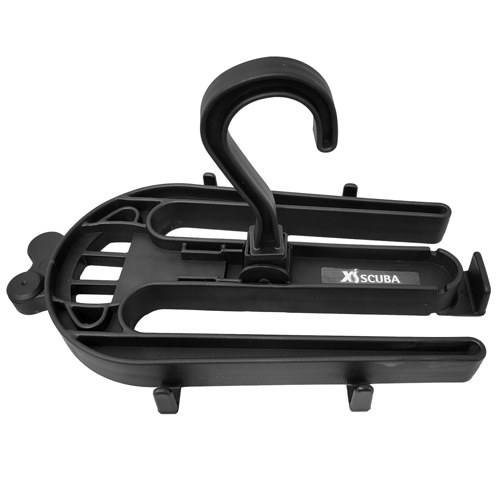
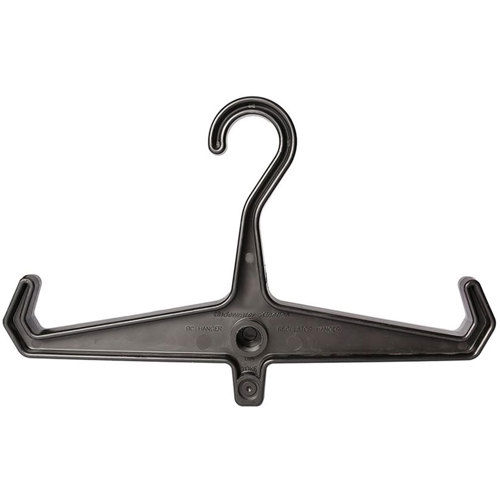
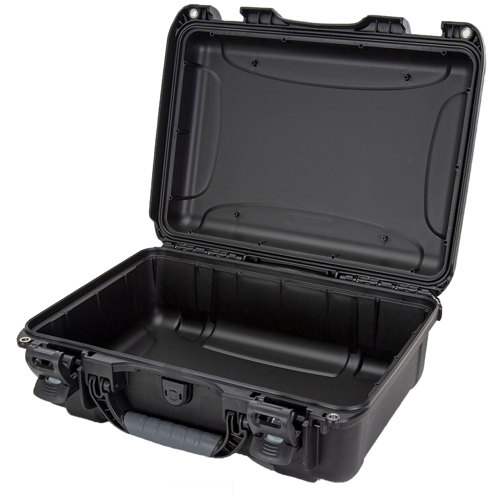
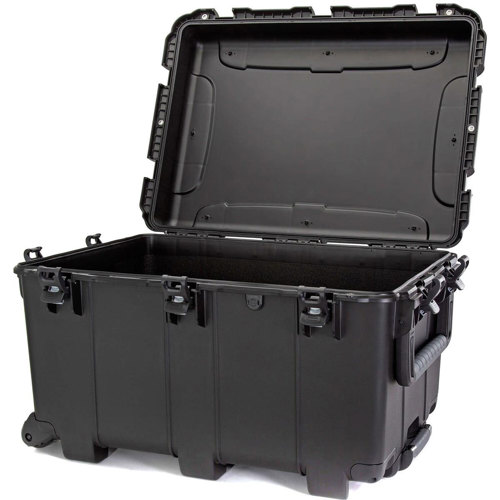
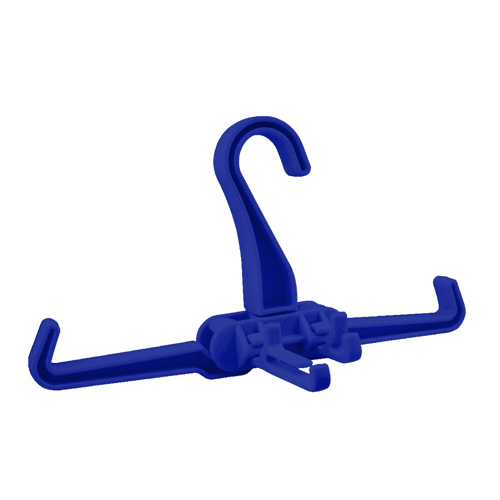
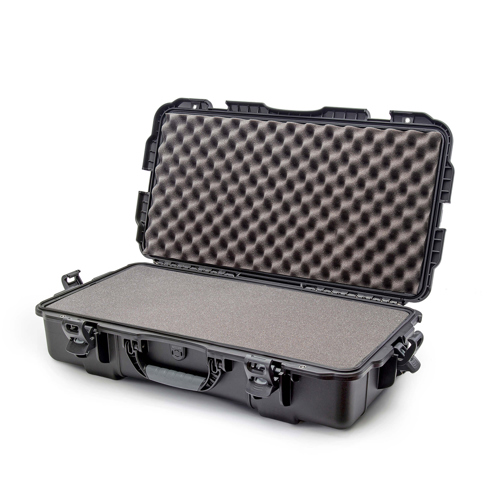
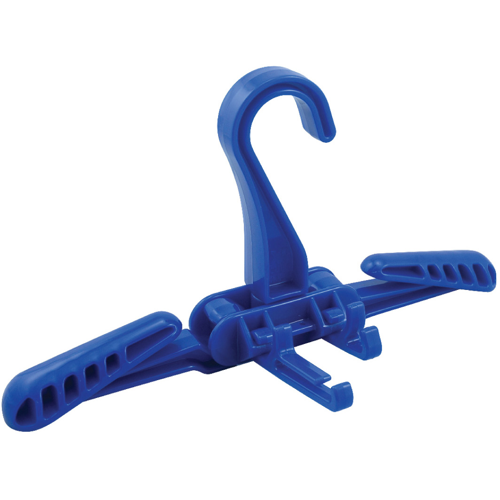
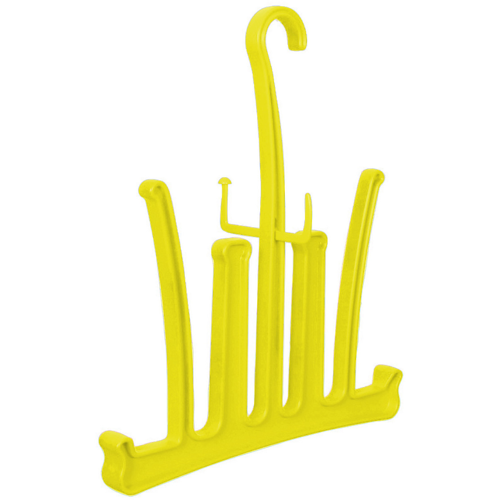
Proper drysuit storage is crucial for any diver who wants to maximize the lifespan and performance of their gear. Whether you’re a seasoned technical diver, a recreational explorer, or someone who only gets in the water a few times a year, knowing how to store a drysuit can make the difference between a suit that’s always ready for adventure and one that succumbs to wear and tear. As the diving season transitions from spring into the warmer months, many divers find themselves rotating gear in and out of storage, making this the perfect time to review best practices. At the heart of good storage is the right equipment—items like a sturdy drysuit hanger or a set of dry suit hangers designed to avoid shoulder stretching and preserve the integrity of seals and zippers. The right hanger supports the suit’s weight evenly, preventing distortion and helping latex or silicone seals maintain their shape. In a dedicated diving room, a well-ventilated space out of direct sunlight, these hangers become an essential part of your routine, keeping your drysuit off the floor and away from potential hazards like pets, dust, or accidental spills.
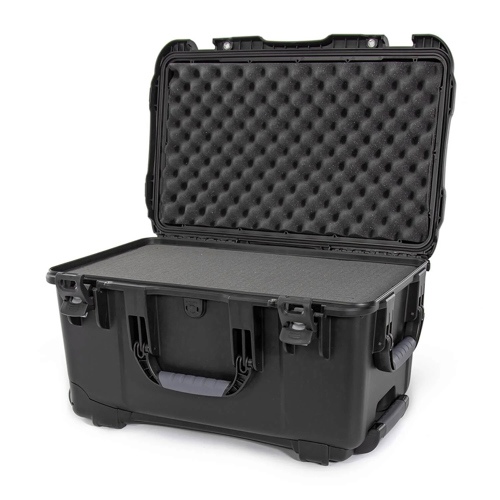
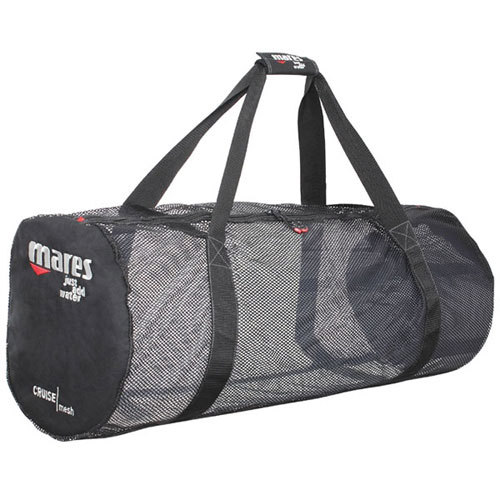
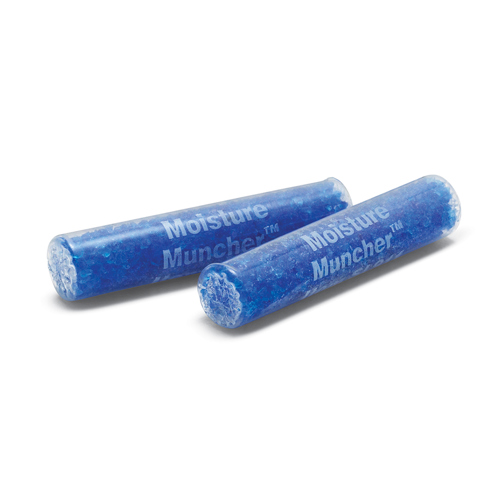
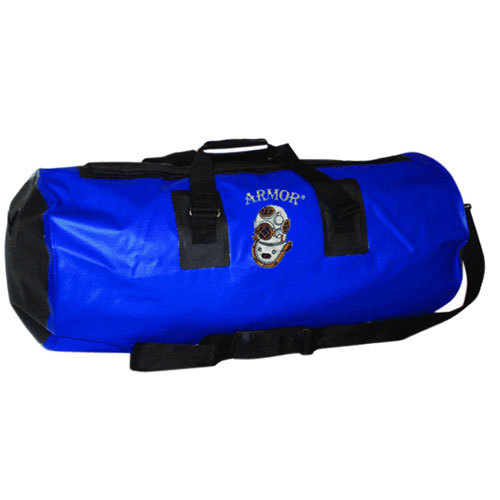
For those with limited space or who travel frequently, rolling or folding is sometimes necessary, but it’s important to do so with care. Loosely rolling the drysuit from the feet up and placing it in a breathable storage bag helps avoid heavy creases, especially with neoprene suits, and keeps moisture at bay. If you’re storing your suit in a high-humidity area, a sealed container can add an extra layer of protection against moisture infiltration, but always ensure the suit is completely dry before sealing it away. Many divers have learned the hard way that improper storage—like leaving a suit in the trunk of a car or folded under heavy gear—can lead to premature aging of the material, faded colors, or even sticky zippers. Zipper maintenance is a step that should never be skipped: apply a drysuit-specific wax or lubricant, and remember that metal zippers are best stored partially open, while plastic zippers can be left closed. For latex neck and wrist seals, a light dusting of non-perfumed talcum powder prevents sticking and prolongs flexibility. After each dive, especially in saltwater or silty environments, a thorough rinse with fresh water removes salt and sediment, setting the stage for safe storage. These habits are second nature to experienced divers, but they’re also invaluable tips for new divers or anyone who might receive a drysuit storage solution as a thoughtful gift—think of a family member setting up their first diving room, or a buddy who’s just invested in their own suit.
Incorporating drysuit storage solutions into your gear routine isn’t just about convenience; it’s about protecting your investment and ensuring every dive starts with confidence. The right storage accessories can help organize not only your suit but also gloves, hoods, and even dipsy diver storage needs, transforming a cluttered corner into a streamlined, efficient space. Many divers find that having a dedicated area for drying and storing their suit—whether it’s a garage, a closet, or a purpose-built rack—makes post-dive cleanup quicker and helps maintain a sense of readiness for spontaneous trips. As you browse through options, consider the materials and features that suit your climate and storage space. Breathable bags, wide-shouldered hangers, and modular racks all have their place, depending on whether you’re storing gear for a few days or the entire off-season. For more in-depth advice and a curated selection of products tailored to every diver’s needs, explore our comprehensive
Drysuit Solutions page. With the right approach and equipment, your drysuit will be ready for countless dives—whether you’re chasing wrecks, exploring kelp forests, or simply enjoying the peace of the underwater world.