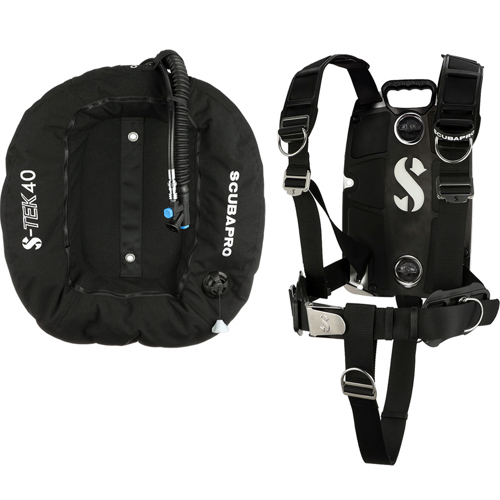
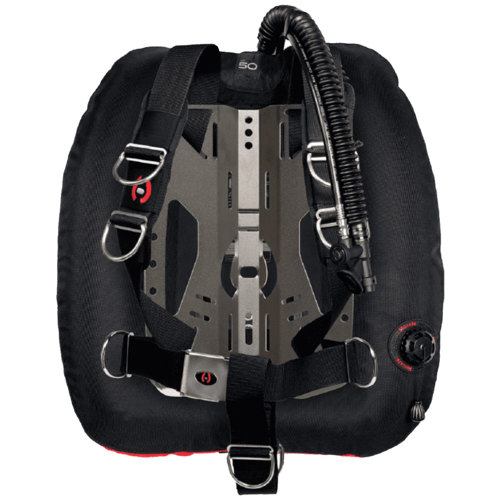
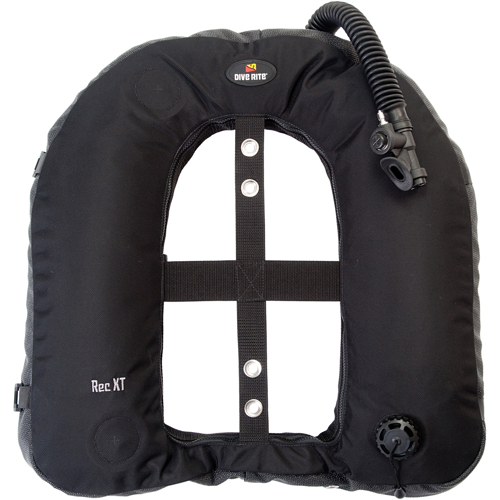
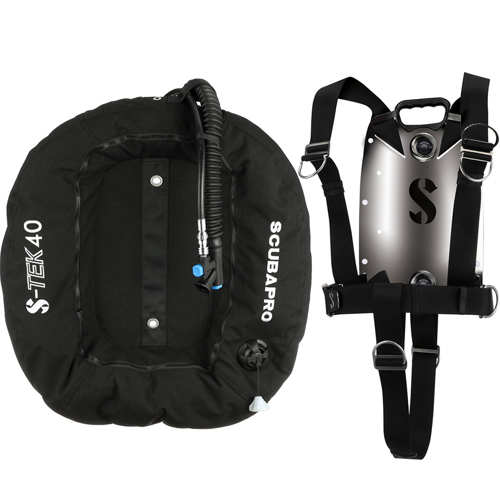
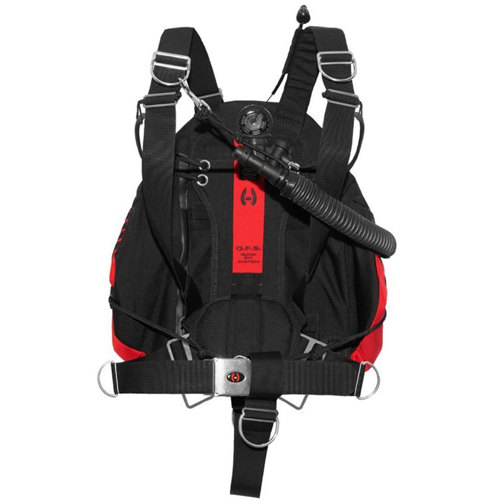
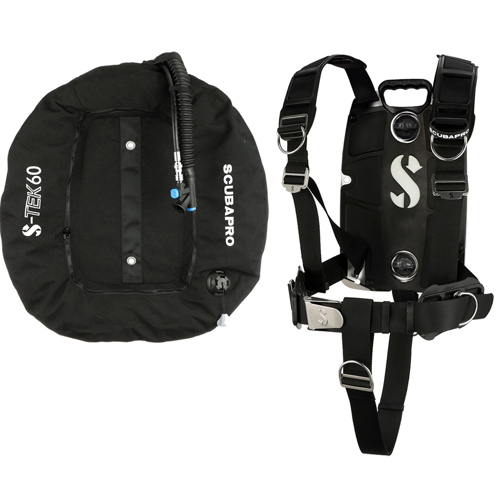
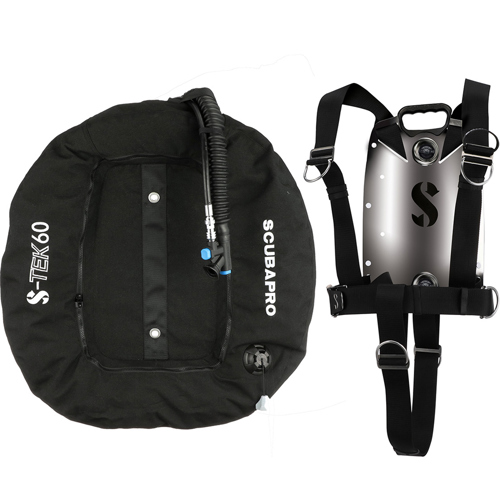
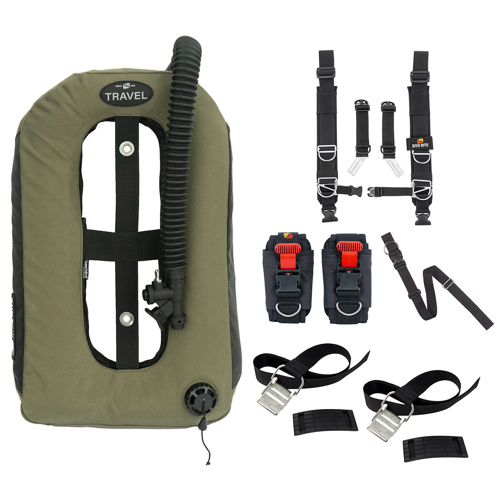
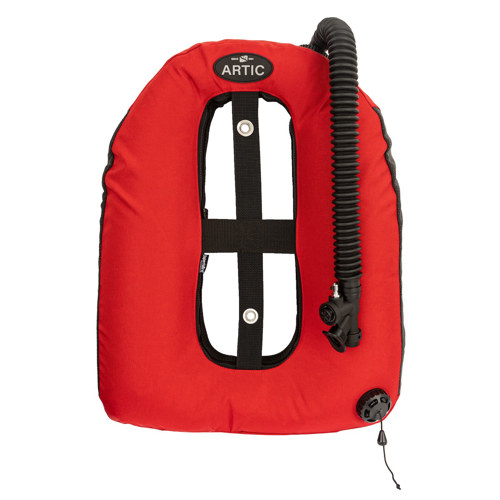
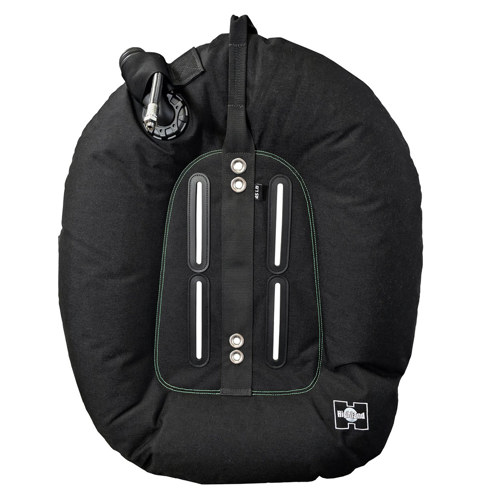
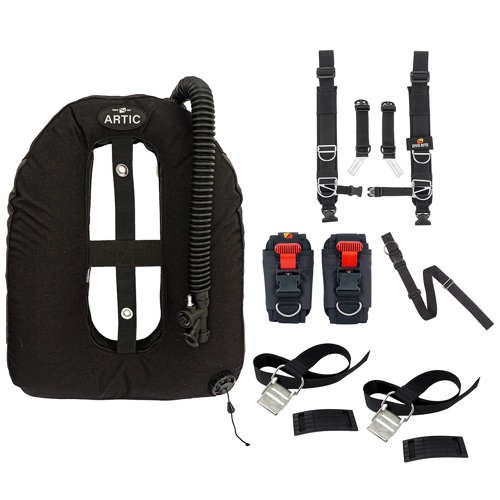
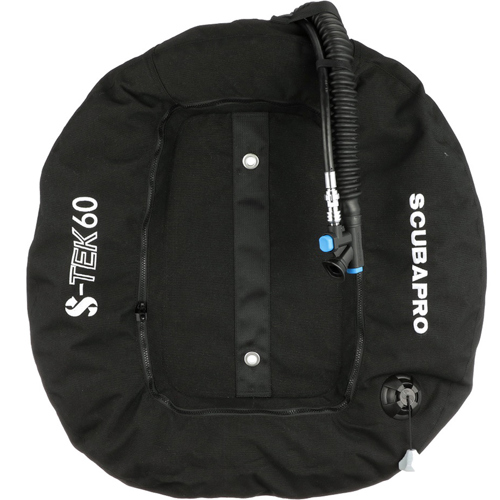
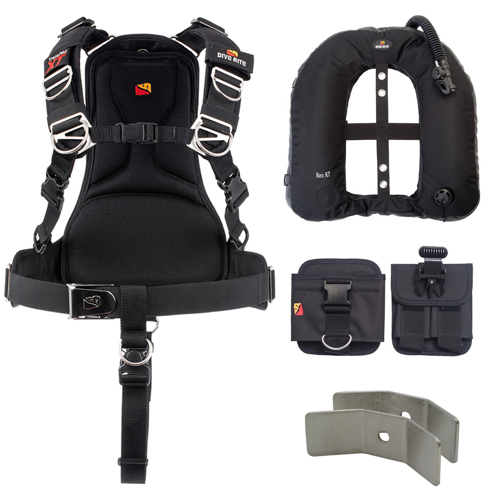
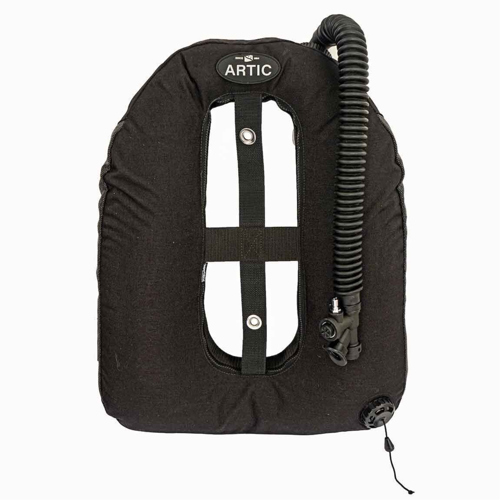
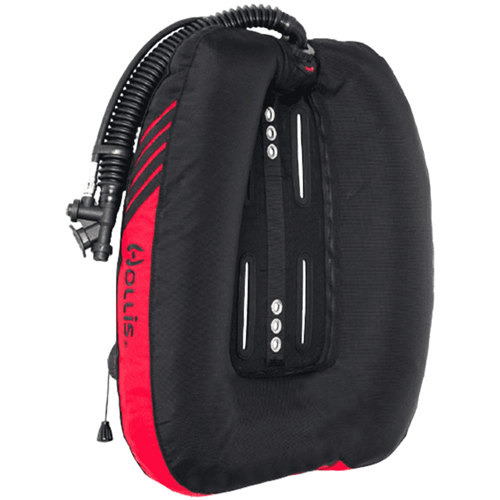
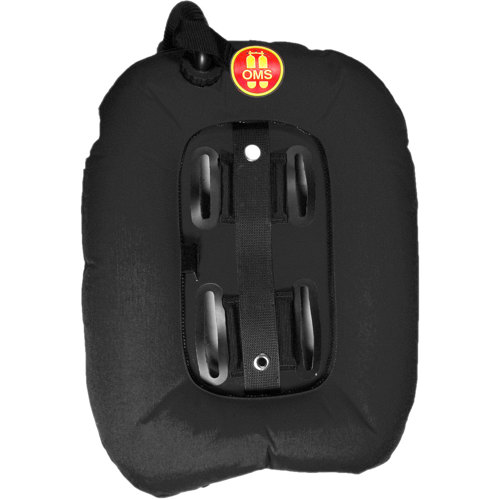
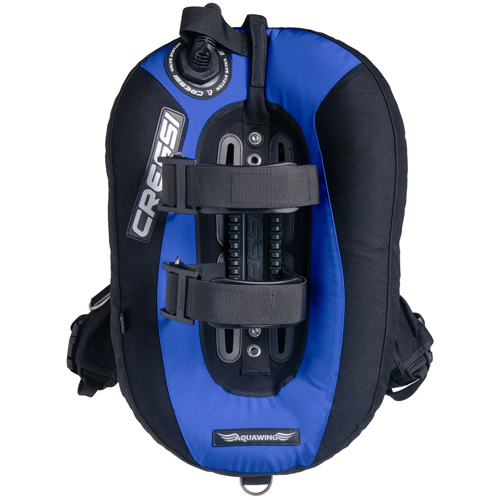
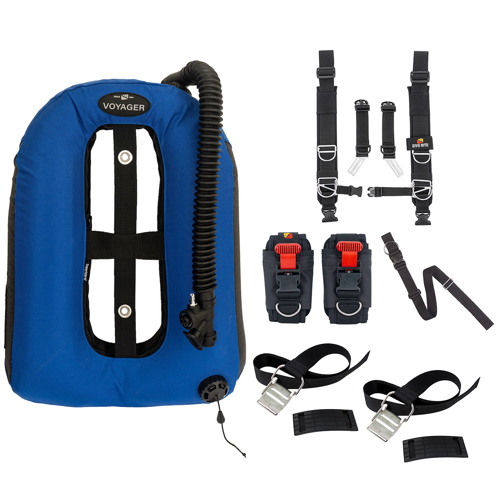
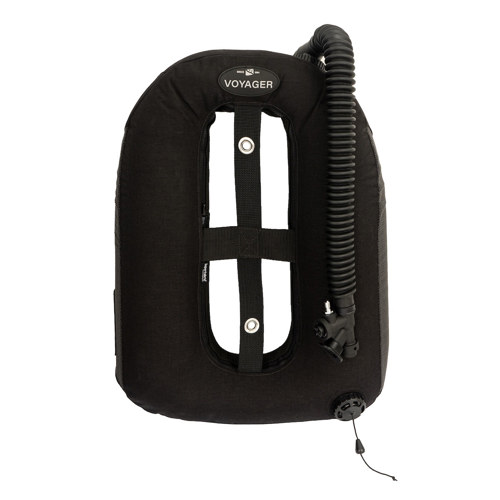
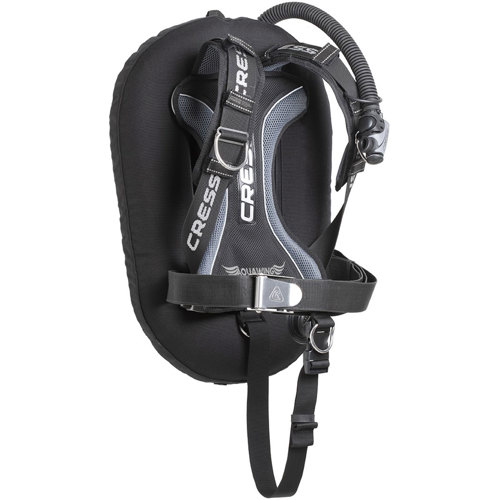
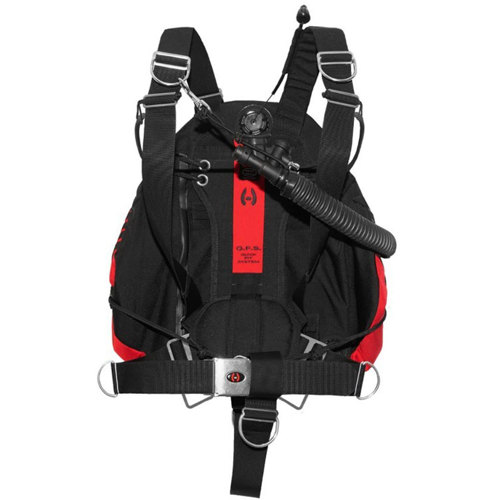
Doubles diving wings are a cornerstone of advanced scuba configurations, particularly for divers who explore the depths of technical, cave, or wreck environments. These specialized buoyancy control devices are meticulously crafted to support the unique demands of twin-tank (doubles) setups, delivering the stability, lift, and durability required for challenging underwater missions. The donut-style wing, with its uninterrupted 360-degree air chamber, is a hallmark of modern doubles wings, allowing for smooth air migration and minimizing the risk of trapped bubbles that can disrupt trim or buoyancy control. This design innovation translates to superior horizontal positioning and effortless maneuverability—a must when navigating silty passageways in a freshwater cave or weaving through the labyrinthine corridors of a sunken ship. Many seasoned divers recall that first moment of perfect trim with a doubles wing: the sense of balance, the quiet efficiency of movement, and the confidence to focus on the dive rather than gear adjustments. In the spring and early summer months, as more divers plan for extended bottom times and cooler water adventures, the robust lift capacities—typically ranging from 40 to 60 pounds—become especially valuable, compensating for the added weight of steel tanks, stage bottles, and redundant safety equipment.
When considering a doubles diving wing, experienced divers look for a combination of heavy-duty construction and thoughtful features that stand up to the rigors of technical diving. The outer shells are commonly made from tough 1000-denier nylon or ballistic nylon, materials chosen for their resistance to abrasion against rocks, wreckage, and tight swim-throughs. Inside, a polyurethane bladder provides reliable air retention, while inflators are designed for precision and reliability, often with extended low-pressure hoses to accommodate the reach around larger tanks. For those who regularly dive in cold water or with thick exposure suits, wings with dual bladders offer an extra layer of safety—redundant buoyancy in the unlikely event of a puncture. Divers who travel or switch between different backplate systems can also benefit from wings designed for universal compatibility; for a selection of these versatile options, see our dedicated page on
Universal Plate Diving Wings. Whether you’re a seasoned cave explorer, a technical diver preparing for trimix adventures, or an instructor guiding students through their first doubles setup, the right wing is an investment in safety, comfort, and performance. Many divers find that a high-quality doubles wing is not just a piece of gear but a trusted companion on their most memorable underwater journeys.
Doubles diving wings also make meaningful and practical gifts for advanced divers ready to take the next step in their training, or for dive buddies who have shared countless dives and are gearing up for more ambitious explorations. The transition to doubles is a milestone, often marking a diver’s commitment to deeper, longer, and more complex dives. Gifting a robust, well-designed wing can be a gesture of support for their passion and progression. As the diving season opens up with the arrival of spring, divers are often upgrading their setups and planning trips to new sites, making this an ideal time to consider the advantages of a dedicated doubles wing. The right wing not only enhances safety and buoyancy control but also brings peace of mind, letting divers focus on the wonders of the underwater world—whether that’s the silent beauty of a freshwater spring, the mystery of a deep wreck, or the thrill of exploring a new cave system. With thoughtful selection and attention to fit, lift capacity, and durability, a doubles diving wing becomes an essential part of every technical diver’s kit, supporting countless hours of exploration beneath the surface.