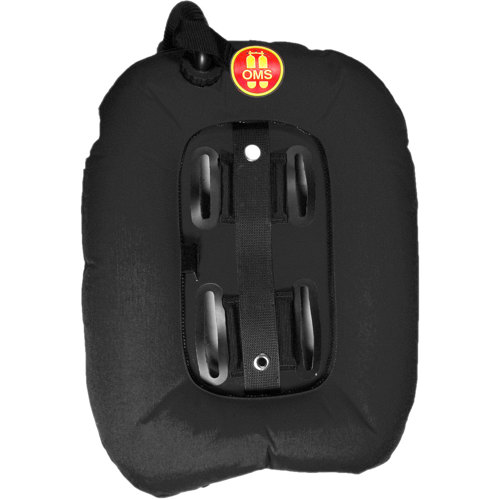
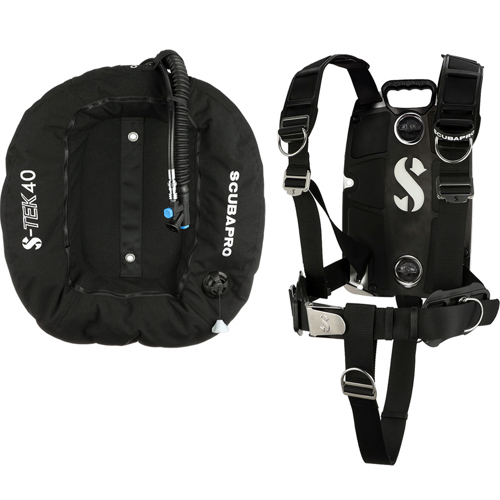
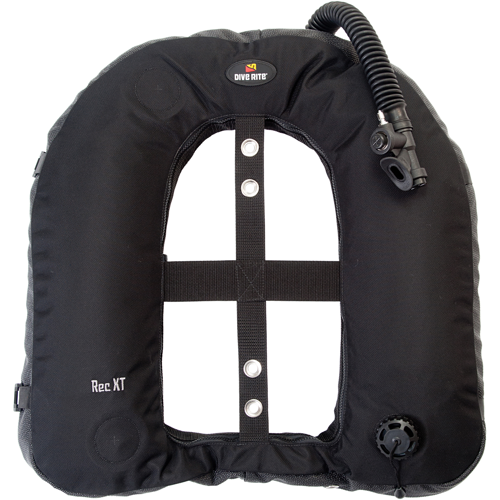
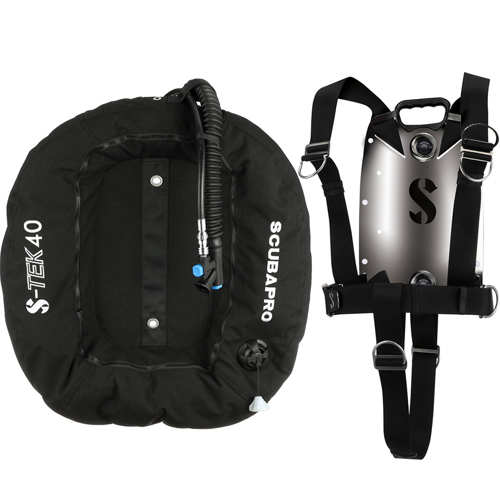
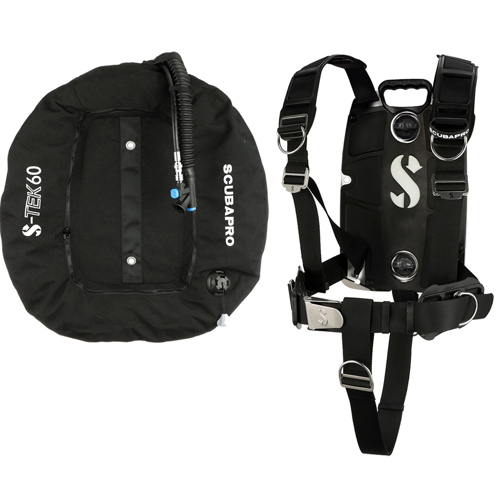
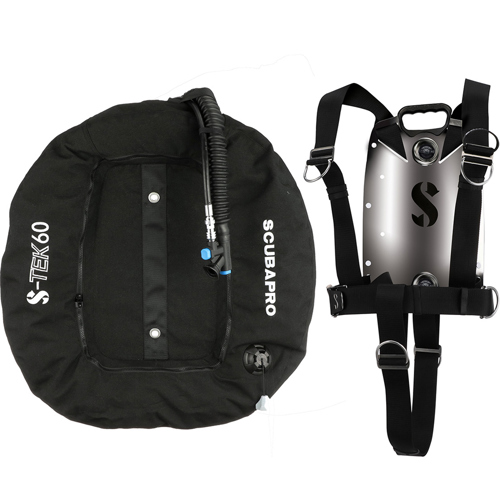
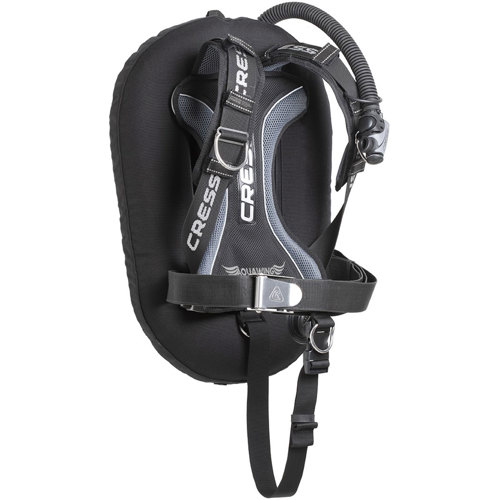
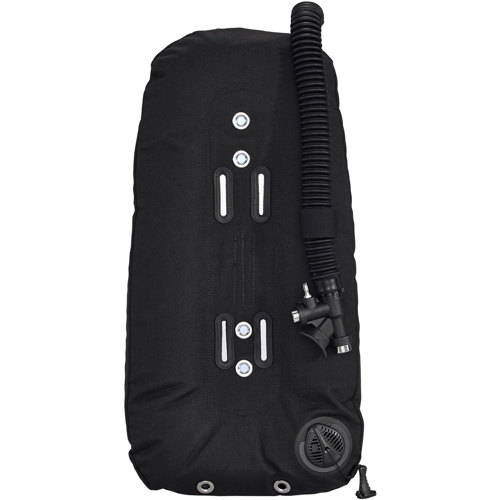
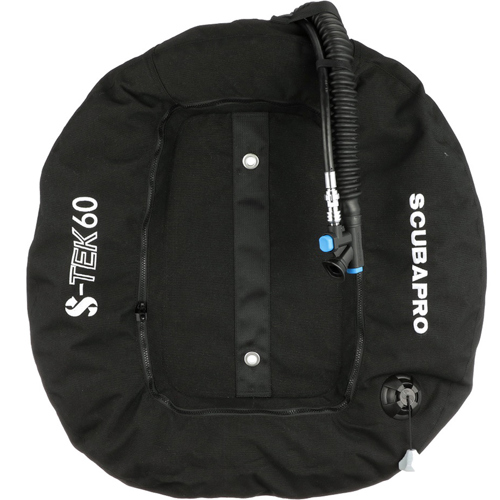
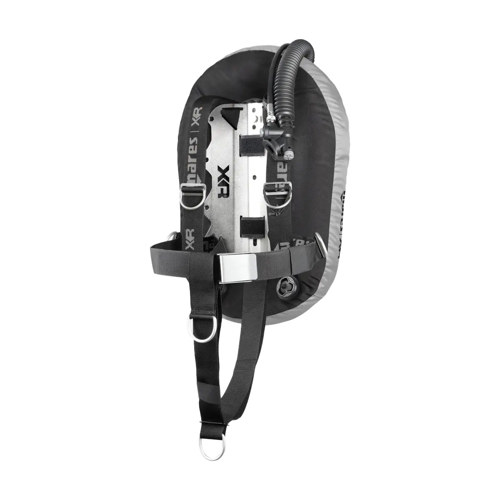
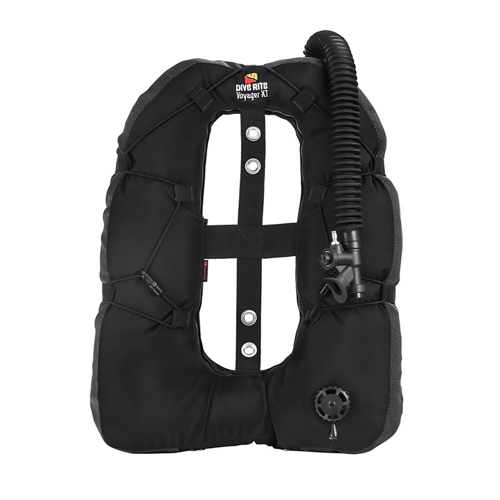
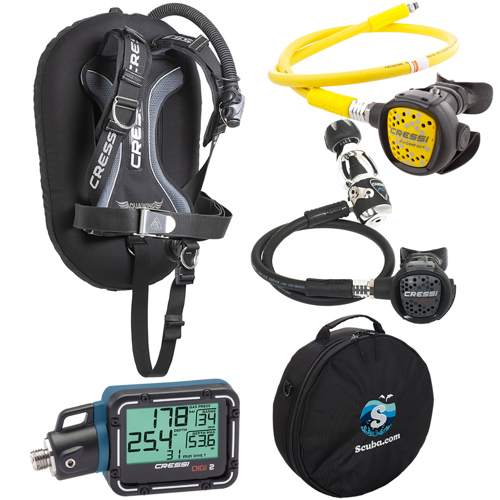
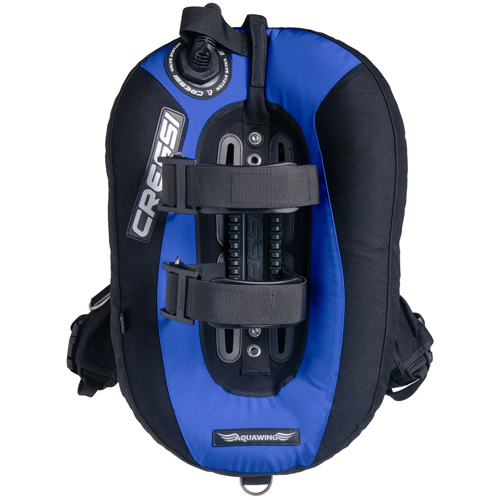
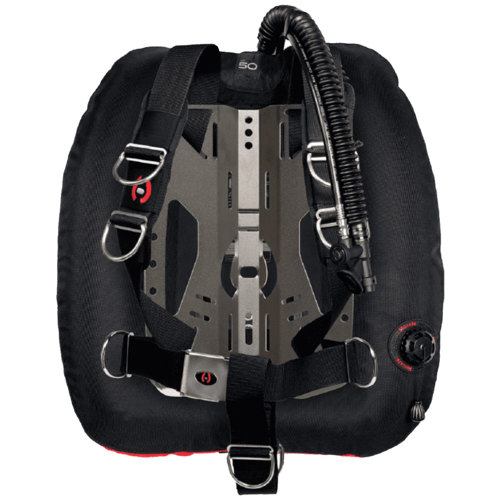
Donut shape wings have become a staple choice for divers seeking a balanced, streamlined approach to buoyancy control. Recognizable by their continuous, circular bladder, these donut wings are engineered to allow air to travel freely and evenly around the entire wing, which dramatically improves stability and gas management underwater. Unlike traditional horseshoe wings, the closed ring of a donut wing prevents air from getting trapped in one section, making venting intuitive and consistent regardless of your orientation in the water. This design is especially valued by divers who prioritize lateral stability—whether you’re hovering motionless over a reef or gliding along a wreck, the donut bcd helps you maintain a flat, trim profile with minimal effort. Many experienced divers recall their first upgrade to a donut wing as a transformative moment, suddenly finding it easier to fine-tune buoyancy and make minor adjustments with subtle movements, rather than fighting with uneven air distribution. The donut wing’s versatility makes it a solid choice for a range of diving environments, from warm, clear tropical waters to the cooler, more demanding conditions found in temperate regions as the seasons shift.
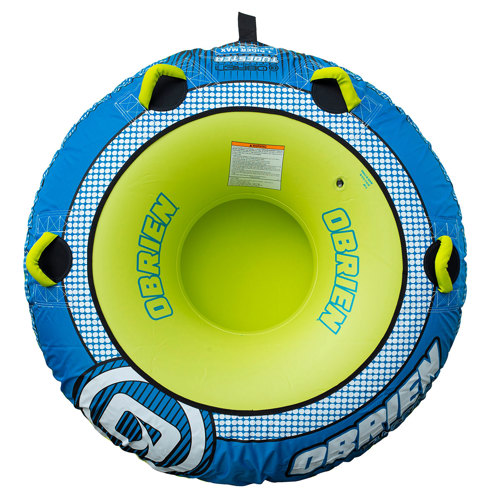
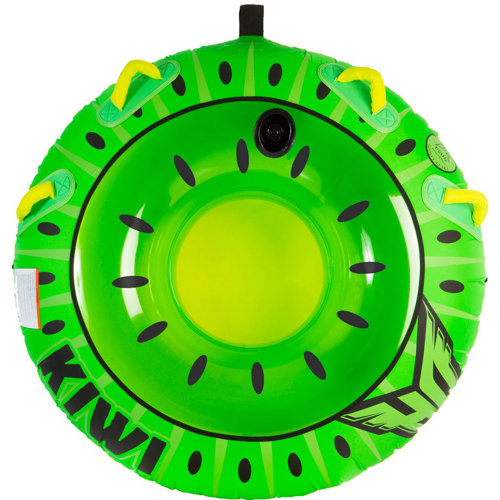
For those considering a new buoyancy compensator, it’s worth thinking about how a donut shape wing fits into your diving style and equipment setup. Single tank divers often gravitate towards a single person tube or 1 person tube configuration, which pairs well with a donut wing for a compact, travel-friendly system that still delivers robust lift and stability. Technical divers, or those planning to advance into more complex dives, may prefer a t wing or larger donut bcd capable of supporting dual cylinders and additional gear. The continuous air cell of a donut wing not only simplifies buoyancy control but also streamlines your profile, reducing drag and making it easier to maneuver through tight spaces or strong currents. These features make donut wings a thoughtful gift for the dedicated diver in your life, especially as the weather warms and dive trips become more frequent. Whether gifting to a seasoned explorer or someone upgrading from a jacket-style BCD, the adaptability and comfort of a donut wing are sure to be appreciated. Many divers also find the intuitive operation of donut wings makes them ideal for those transitioning from recreational to technical diving, offering a smooth learning curve and reliable performance across a variety of conditions.
When evaluating which donut shape wing best suits your needs, consider factors like lift capacity, wing width, and compatibility with your harness and backplate. Narrow-profile wings can improve valve access and make donning or doffing your gear simpler, which is especially handy during busy summer dive outings or boat entries. Durability is another key consideration—look for wings constructed with tough, abrasion-resistant materials that can handle everything from coral scrapes to rocky shore entries. If you’re exploring other styles or want to compare the differences between donut and other wing designs, you might find our
Cylinder Wings page helpful for a broader overview. No matter your level of experience or preferred diving environment, donut shape wings offer a blend of stability, comfort, and ease of use that can enhance every dive, making them a smart addition to your gear as you plan adventures through the late spring and summer months.