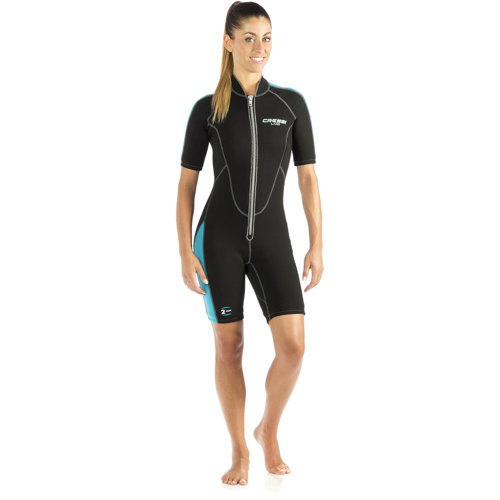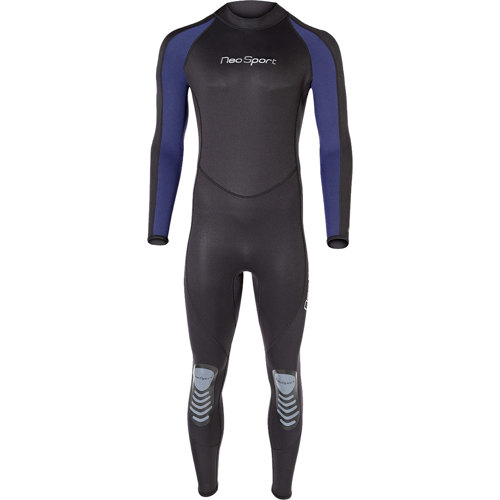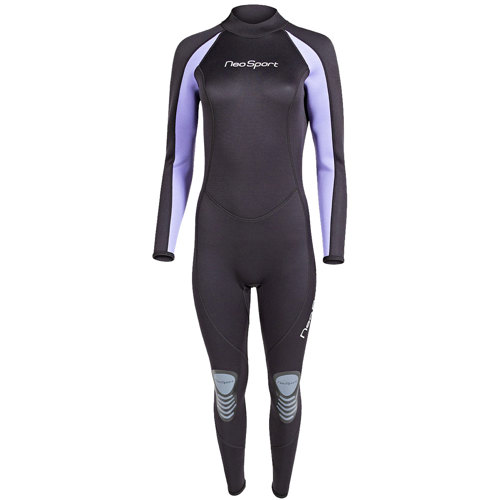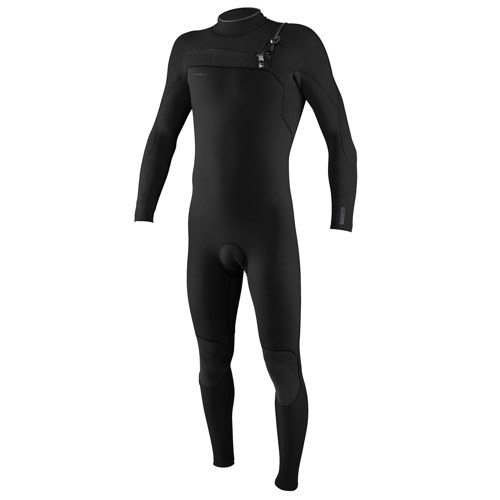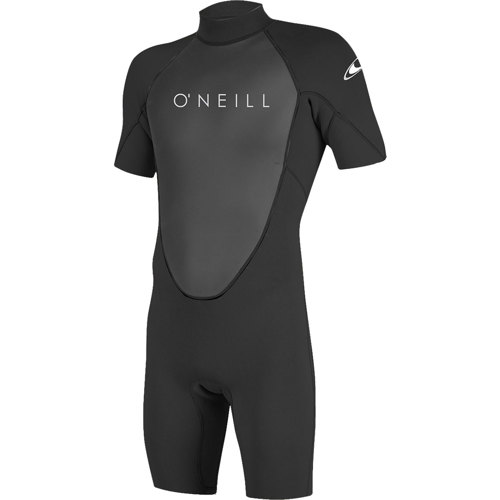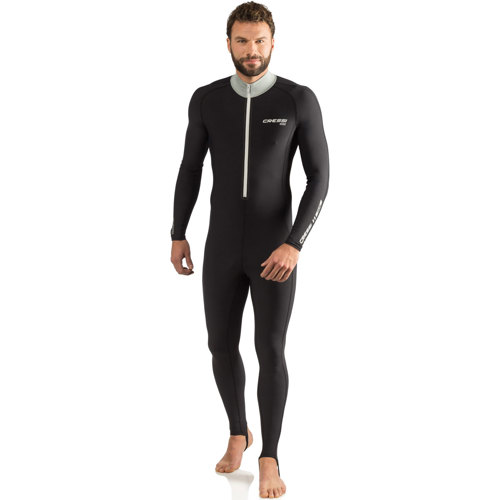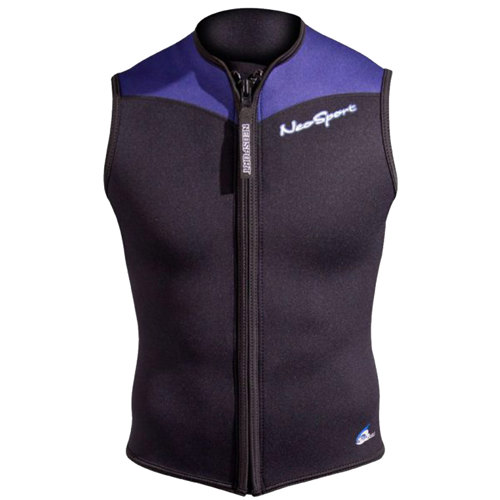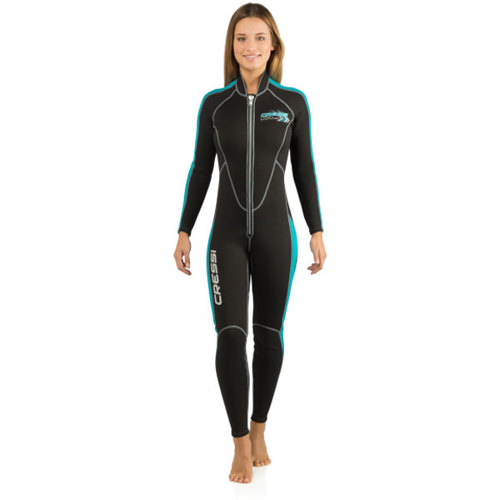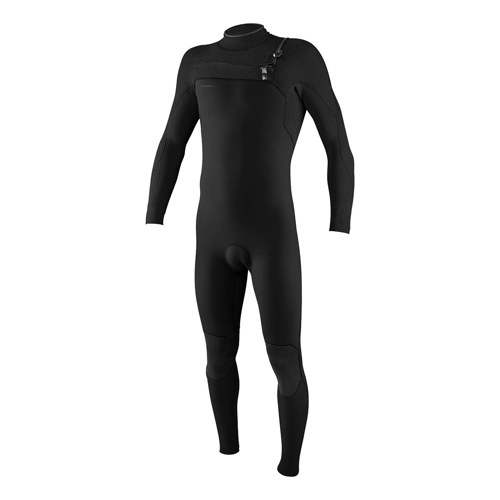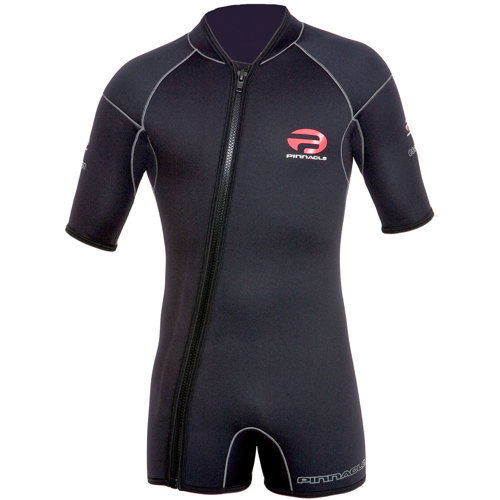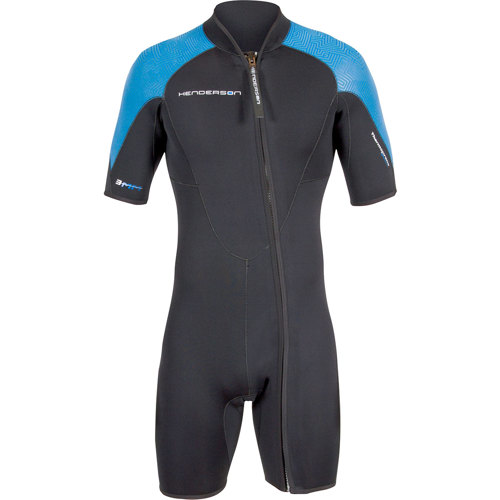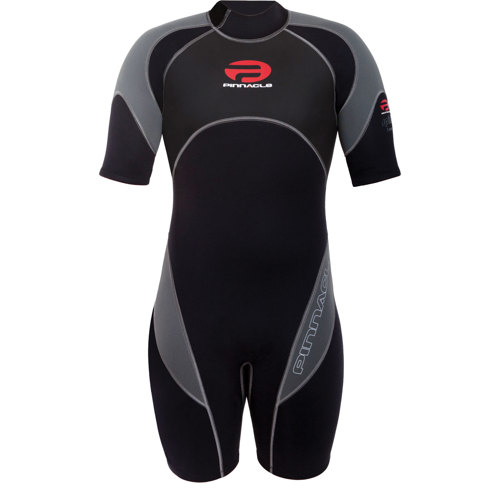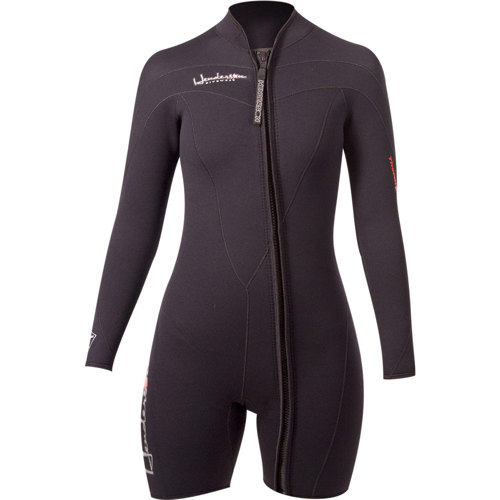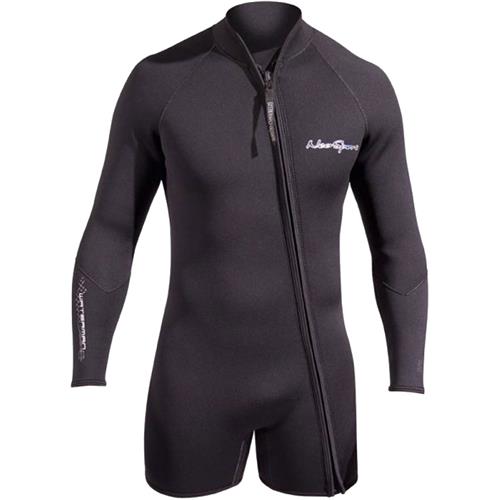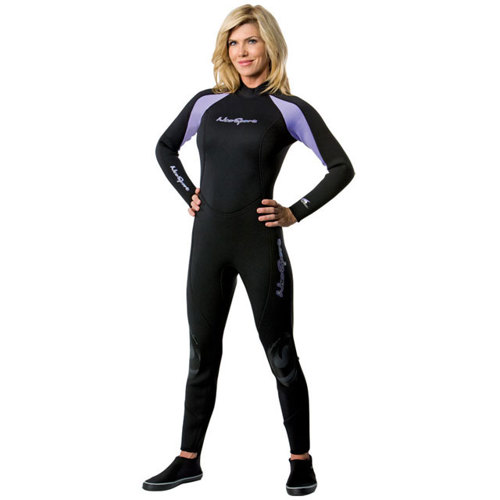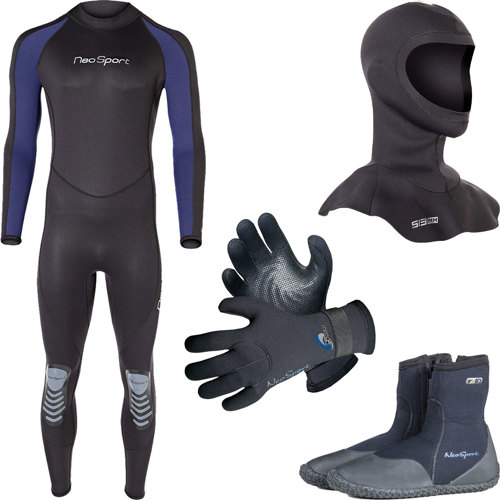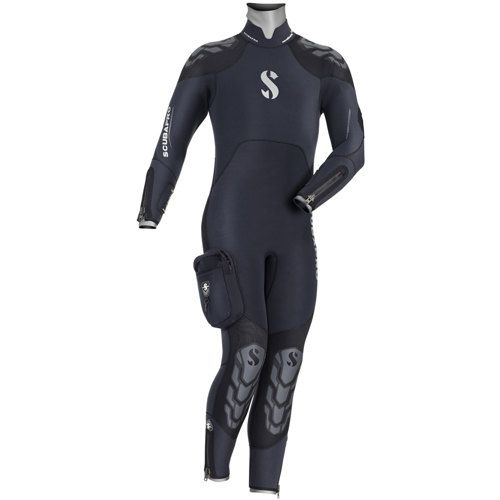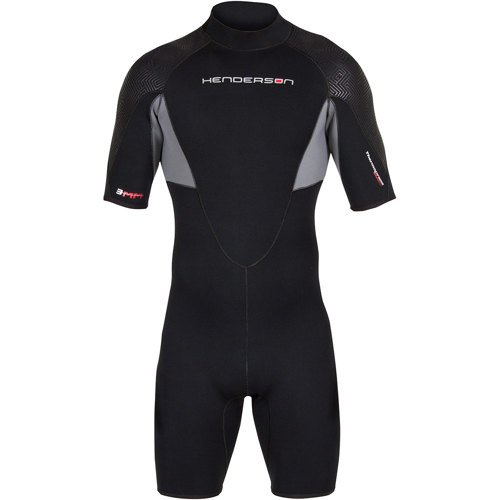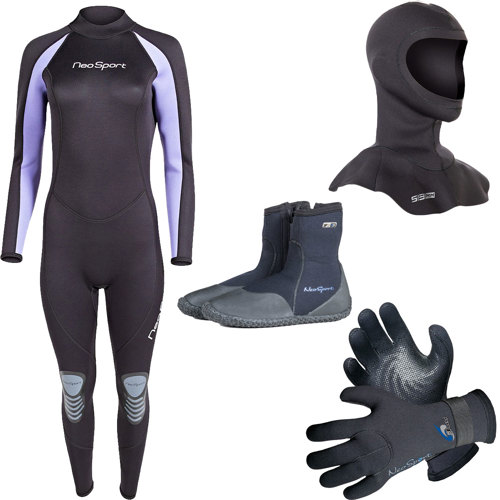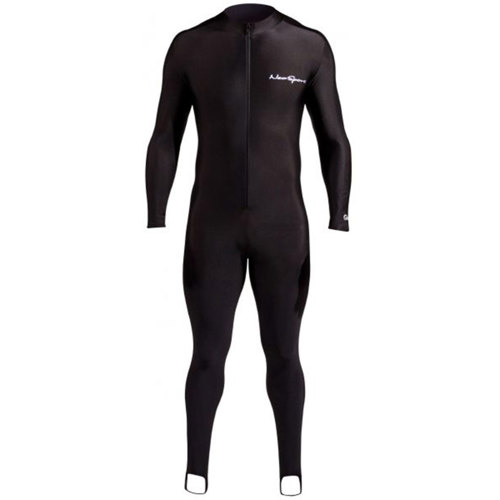
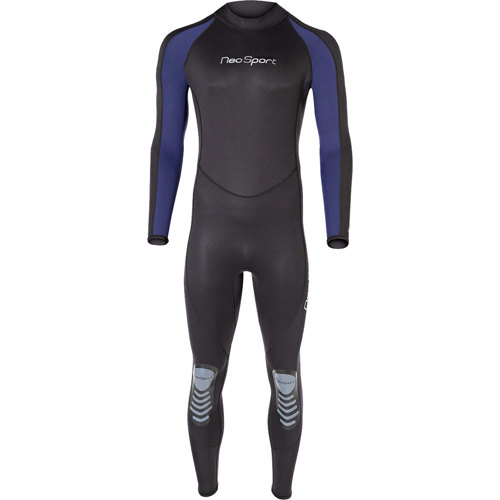
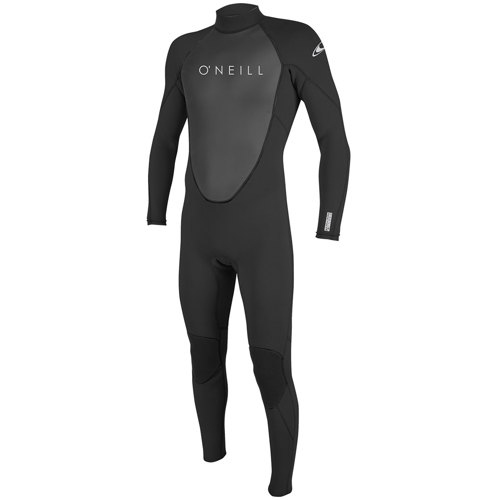
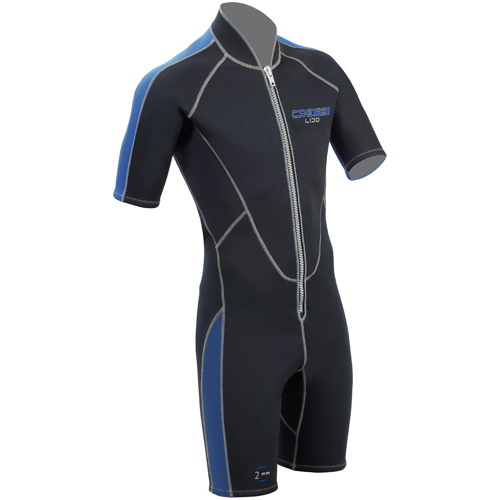
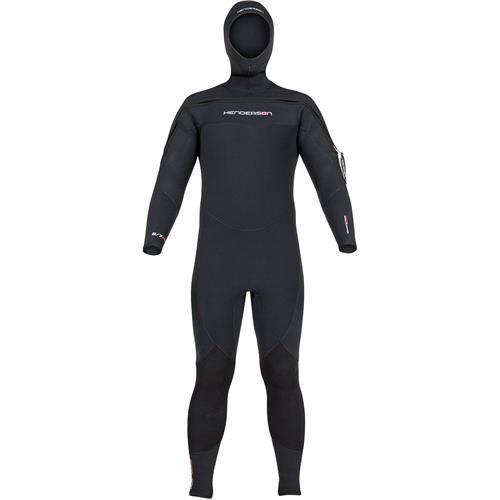
When selecting diving suit zippers, it’s important to understand how this small yet vital component can influence both comfort and safety in the water. Whether you’re a seasoned technical diver preparing for deep wreck explorations or a recreational snorkeler planning summer adventures, the right zipper can make all the difference. Diving suit zippers come in a range of materials and designs, each tailored to specific conditions and suit types. Metal zippers, known for their robust construction, are often favored for back-entry drysuits, providing a durable seal that stands up to repeated use and the rigors of cold-water diving. However, they require careful handling to avoid bending or snapping, and regular maintenance is essential to prevent corrosion, especially after saltwater dives. On the other hand, plastic zippers such as TIZIP and similar models are lightweight, flexible, and resist the corrosive effects of saltwater, making them a popular choice for wetsuits and front-entry drysuits. These zippers are easier to operate, especially on diagonal or cross-chest entries, allowing divers to don and doff their suits independently—a real advantage when gearing up on a busy boat deck or remote shoreline.
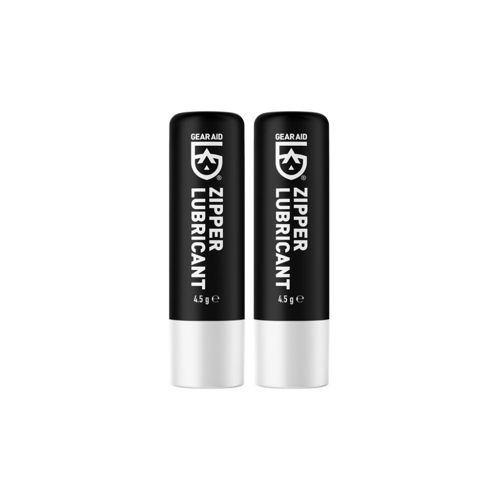
As the water warms up in May and dive season kicks into high gear, many divers are searching for a “wetsuit sale near me” or looking to “buy wetsuits near me” to upgrade their gear for upcoming trips. If you’re shopping for yourself or considering a thoughtful gift for the diver in your life, zippers are a crucial detail to keep in mind. A high-quality zipper not only extends the lifespan of a wetsuit or drysuit but also ensures that the suit performs as intended, keeping the wearer warm and comfortable on extended dives. For those looking to find “wet suits near me” or “cheap wetsuits online,” it’s worth noting that zipper quality should never be overlooked, even when shopping for a bargain. A poorly functioning zipper can lead to frustrating leaks, cold spots, or even a ruined dive day. Regular care is essential: always rinse zippers with fresh water after each use to remove sand and salt, and occasionally apply a specialized zipper lubricant to keep the mechanism smooth—just be sure to avoid the docking end on drysuits. When storing your suit, follow the manufacturer’s recommendations on whether to keep the zipper open or closed, as this can help maintain its shape and prevent damage to the seal.
Diving suit zippers are more than just a closure—they’re a key part of your safety and comfort underwater, whether you’re exploring kelp forests off the California coast or snorkeling vibrant reefs in the tropics. From the sturdy, high-performance metal zippers used in technical drysuits to the flexible plastic options found on modern wetsuits, there’s a solution for every diving environment and personal preference. Back zippers remain a classic choice, though they may require a buddy’s assistance to zip up, while front-entry and diagonal zippers offer greater independence and flexibility. When shopping for a “wet suit near me,” it’s helpful to try different zipper styles to see what feels most comfortable and practical for your diving style. And if you’re curious about the full range of zipper types and maintenance tips, our comprehensive guide to
Scuba Diving Zippers provides expert insights to help you make an informed decision. Whether you’re gearing up for your first open water certification or upgrading your kit for advanced dives, investing in the right diving suit zipper ensures you’ll be ready for every underwater adventure this season.