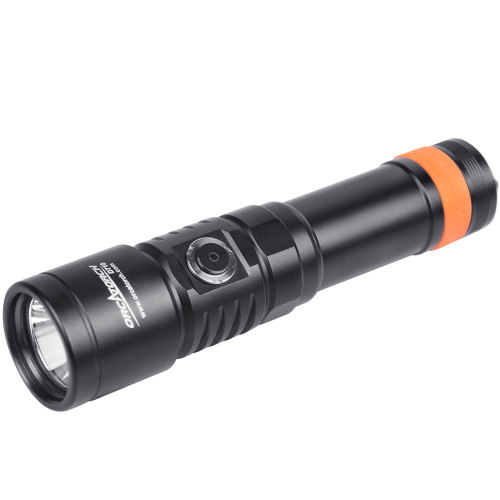
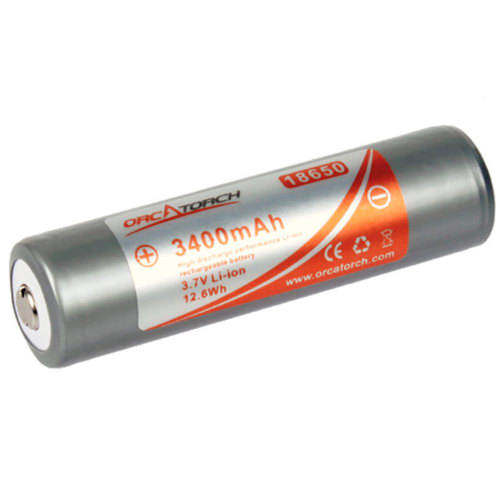
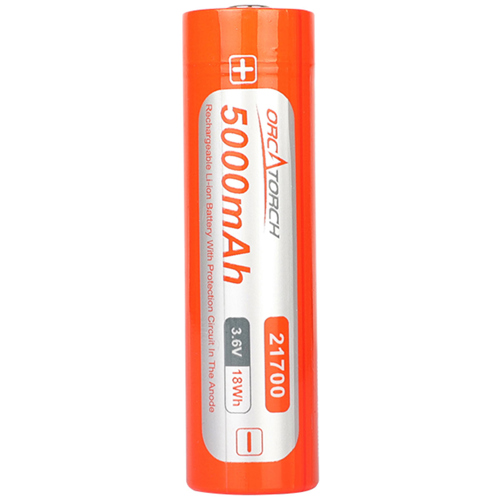
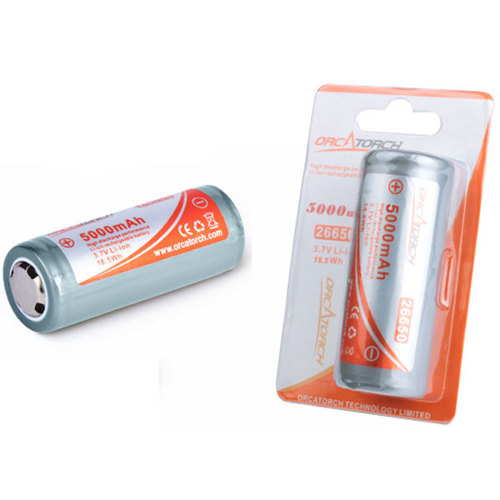
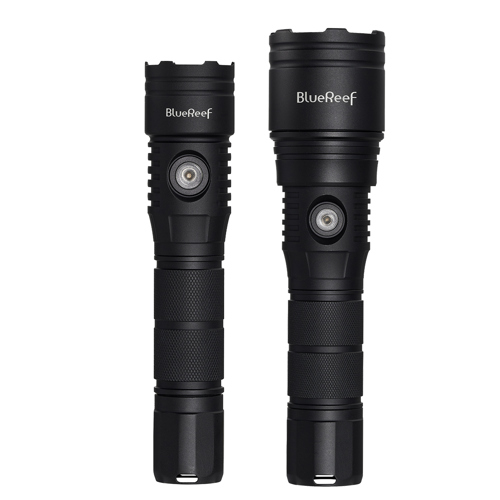
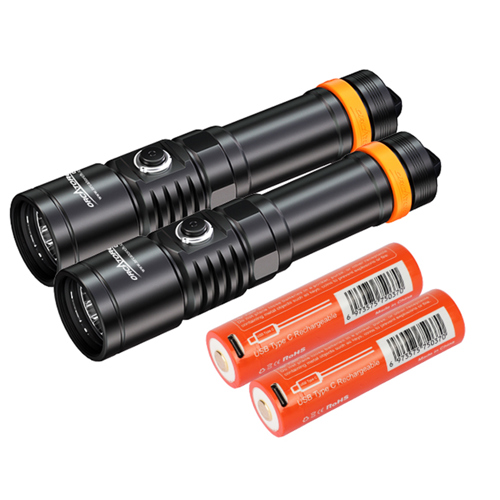
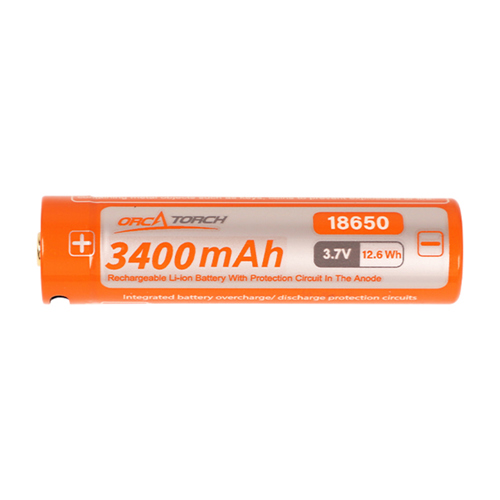
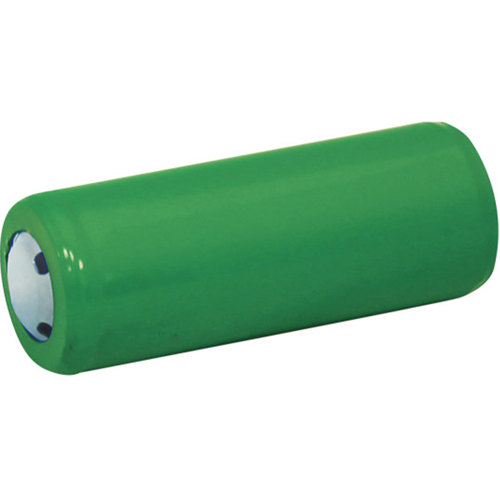
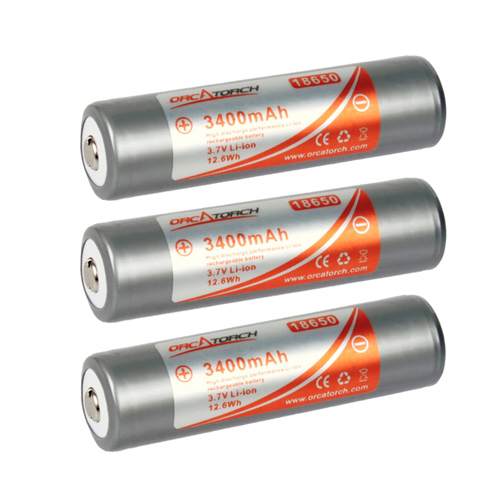
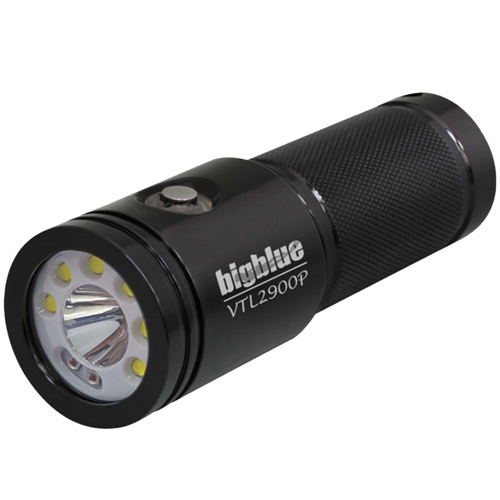
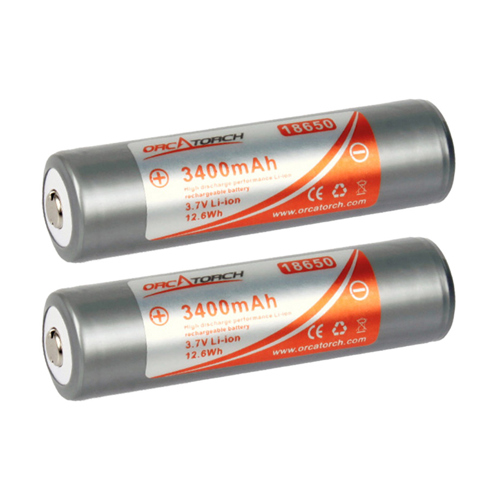
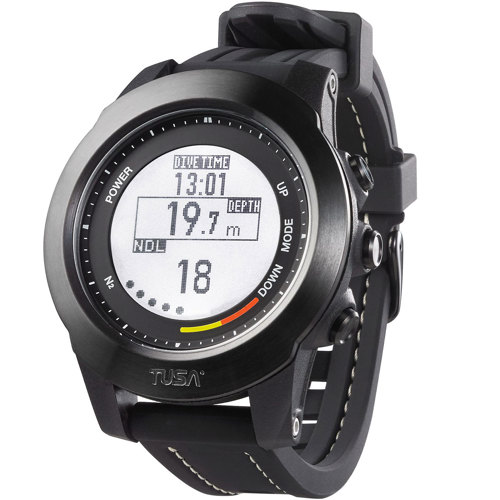
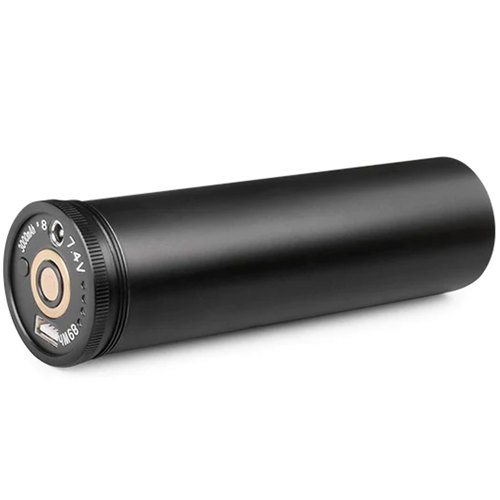
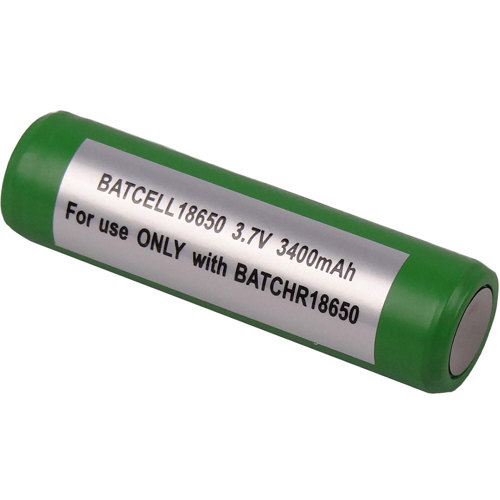
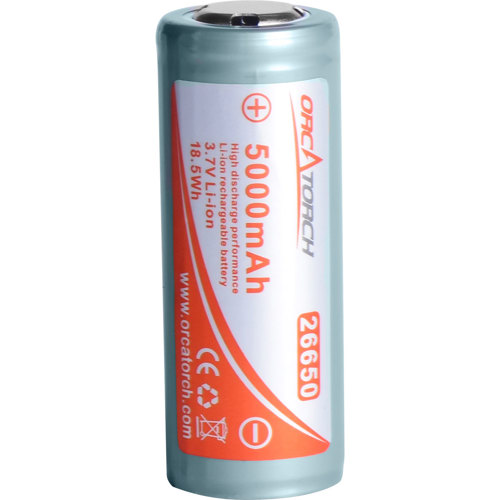
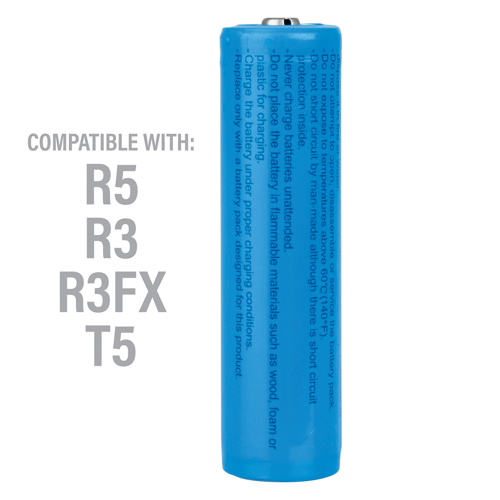
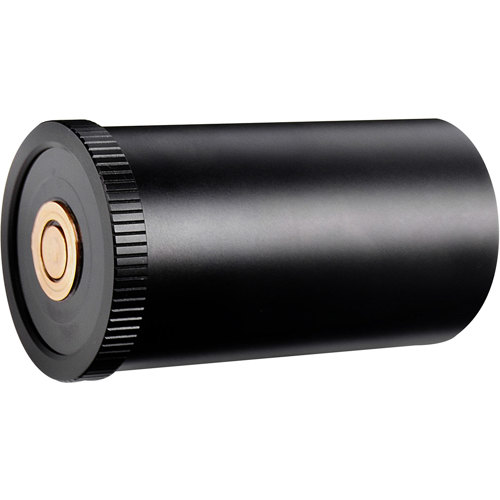
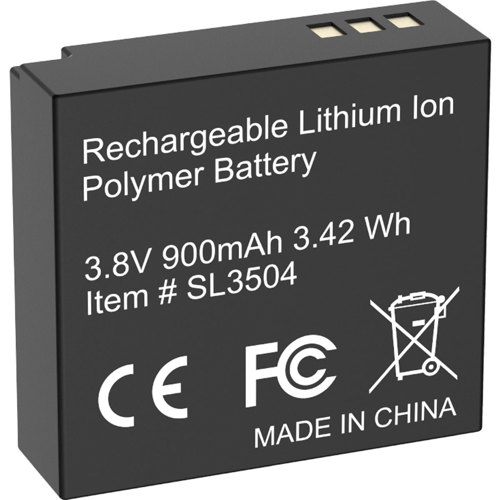
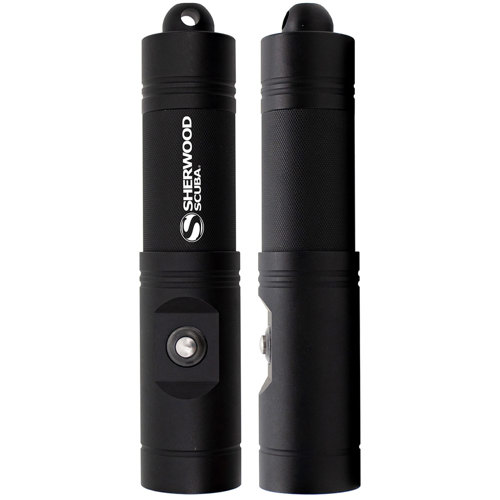
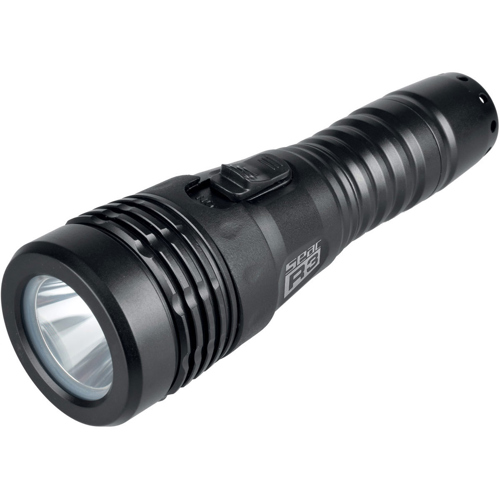
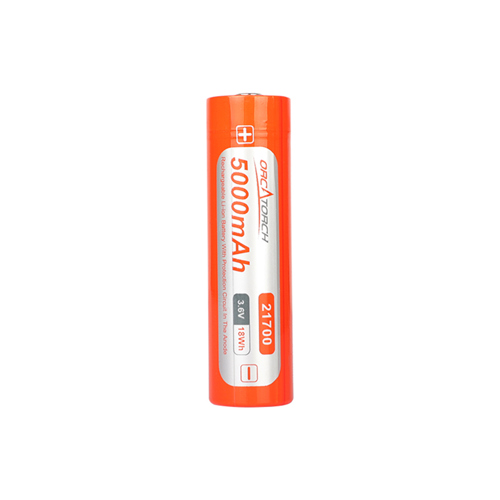
As the days grow longer and the water temperatures begin to rise, divers everywhere find themselves planning new underwater adventures, whether it’s a weekend trip to a favorite local site or a long-awaited tropical getaway. For anyone gearing up for the dive season, reliable power is essential—not just for safety, but for capturing and sharing the magic beneath the surface. Diving rechargeable batteries are at the heart of this, fueling everything from powerful dive lights that cut through murky conditions to high-performance underwater cameras and strobes that freeze fleeting moments with clarity. The technology behind these batteries has evolved rapidly, with lithium-ion (Li-ion) and nickel-metal hydride (NiMH) chemistries now standard for most modern gear. Li-ion batteries, particularly in 18650 and 21700 sizes, are prized for their compact size and high capacity—making them a top choice for handheld dive lights and compact video rigs. Many of these cells now feature built-in USB-C ports, allowing for convenient charging between dives, even from a portable power bank or in the back of a dive van. For larger, more specialized equipment like heated vests or canister lights, proprietary packs and heavy-duty NiMH batteries deliver the steady, high-drain performance needed for longer or colder dives.
Choosing the right diving battery depends on a few key factors: the specific requirements of your gear, the environments you dive in, and your own habits as a diver. Underwater photographers and videographers often carry several spare batteries to avoid missing that perfect shot during a long day on the reef. Night divers and wreck explorers, who rely on powerful, primary lights, benefit from the extended runtime and stable output of larger battery packs—especially in cooler waters where battery performance can drop. Safety is always paramount, so it’s worth seeking out batteries with integrated protection circuits to guard against overcharging, overheating, and short-circuiting. Some models even feature pressure relief valves as an extra safeguard. For gear with removable waterproof compartments, it’s crucial to maintain O-rings with proper lubrication and regular inspection, as even a small amount of debris can compromise the seal and lead to catastrophic water damage. When storing Li-ion batteries for an extended period—such as during a break between dive trips—keeping them at about a 50% charge in a cool, dry place helps preserve their lifespan and ensures they’re ready when adventure calls again.
Diving rechargeable batteries also make thoughtful, practical gifts for the divers in your life, whether they’re seasoned tech divers or enthusiastic beginners. A fresh set of backup cells or a high-quality charging tray can make a world of difference in the field, preventing downtime and adding peace of mind. For those who love to tinker or build custom setups, specialized battery packs and accessories open up new possibilities for personalizing dive gear. As you browse the selection, remember that exact replacements and compatible accessories are often available for a wide range of devices. For a comprehensive look at available options, including both universal and model-specific replacements, visit our
Diving Battery Replacements page. Whether you’re preparing for a summer of exploration or gearing up for cooler-water excursions later in the year, investing in the right diving battery ensures that your equipment performs flawlessly—dive after dive—so you can focus on the wonders of the underwater world.