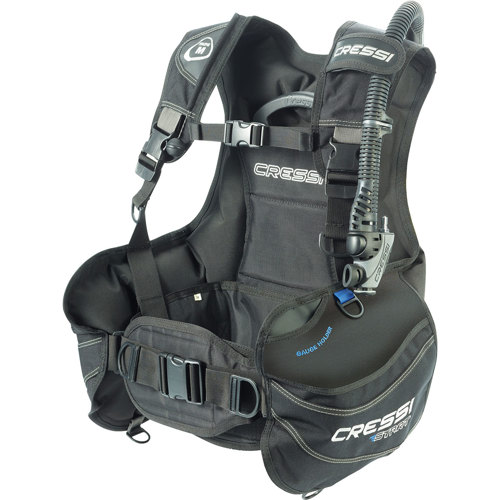
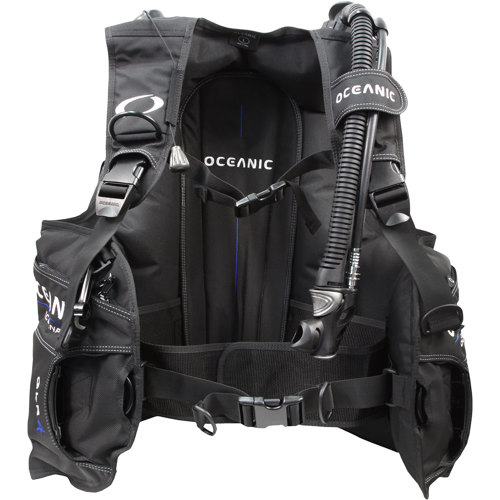
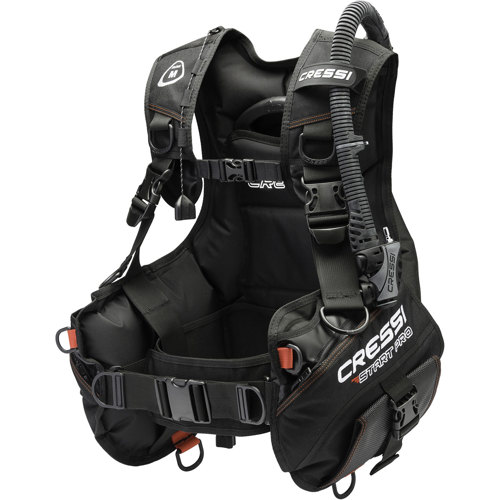
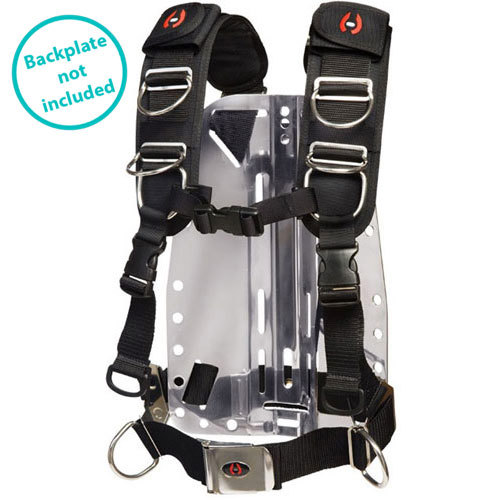
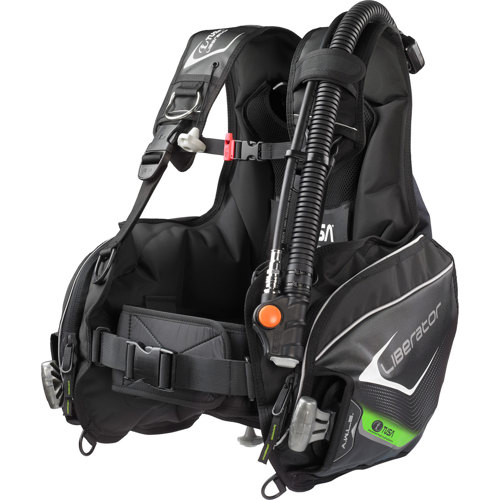
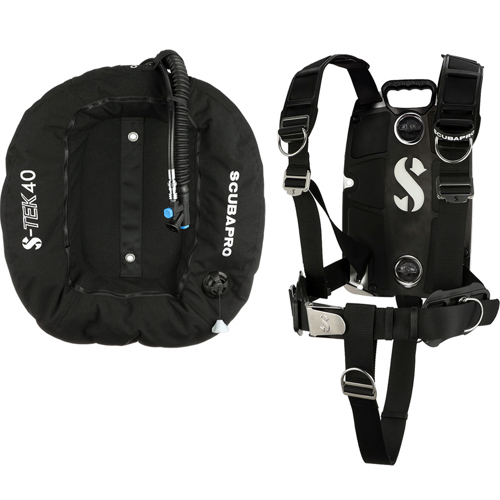
Diving gear adjustment is an essential foundation for comfort, safety, and performance underwater, whether you’re preparing for a leisurely shore dive in warm coastal waters or gearing up for a deeper exploration as summer draws on. Fine-tuning your scuba gear isn’t just a matter of preference—it’s a vital process that influences everything from buoyancy and trim to energy efficiency and overall enjoyment. As the weather warms and diving opportunities abound, divers of all experience levels pay closer attention to how their equipment fits and functions. Proper adjustment of your BCD, tank, harness, and weights can transform your dive, allowing you to move effortlessly and maintain perfect horizontal balance. For many, the ritual of assembling and adjusting gear becomes second nature—a mindful moment before the adventure begins, where every strap and buckle is checked, every cam band is secured, and every weight is positioned just so. This careful preparation is not only about comfort but also about safety; a well-adjusted rig means fewer distractions and more time to focus on the underwater world.
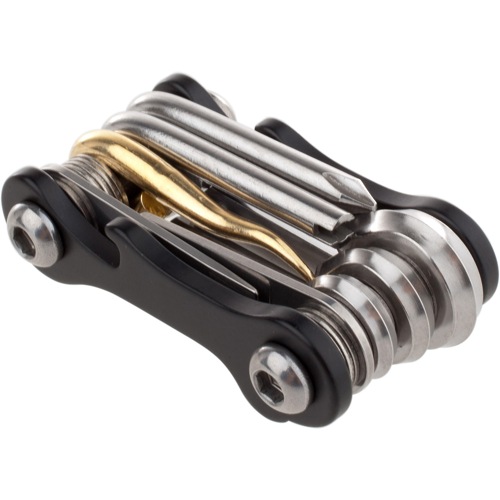
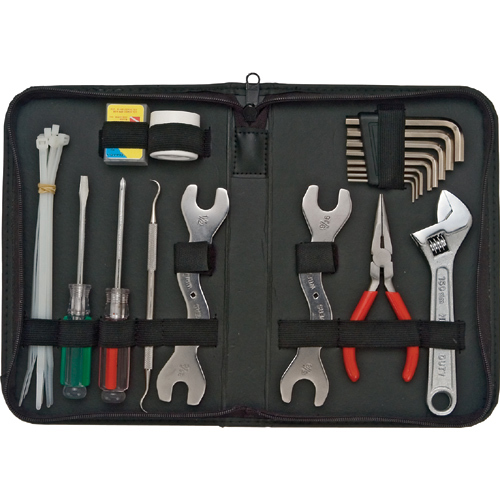
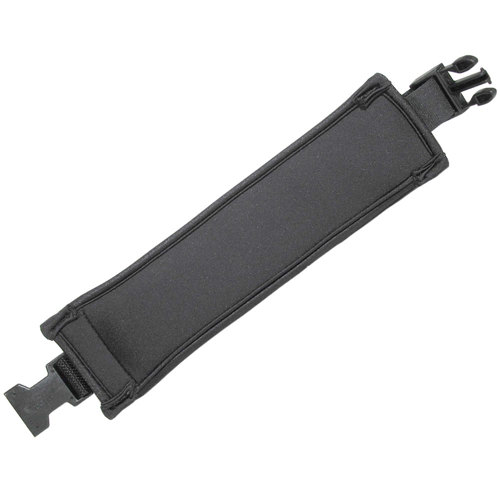
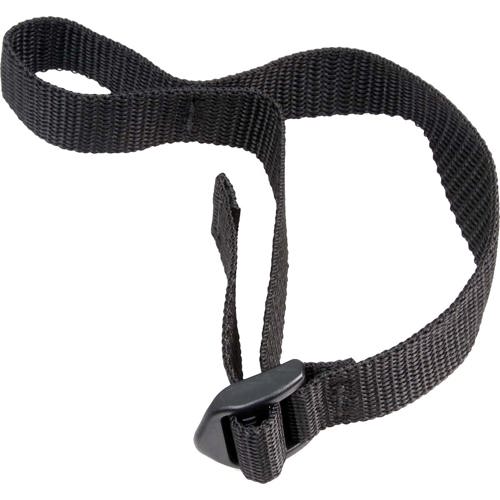
For divers who value precision, the nuances of gear adjustment can be the difference between a good dive and a great one. Adjusting the height of your tank, for example, affects your center of gravity and helps you achieve that coveted flat, streamlined posture. Securing cam bands tightly ensures the cylinder remains stable, while distributing weights thoughtfully—whether on a belt, integrated pockets, or even cam bands—lets you fine-tune your trim and buoyancy. These adjustments are especially important for newer divers still dialing in their ideal setup, but even seasoned enthusiasts revisit their configuration as they switch exposure suits or try new equipment. The process is just as relevant for those renting gear on vacation as it is for divers with a custom kit; making the right tweaks can make any setup feel like your own. If you’re shopping for someone just getting started, or looking for a practical gift for a diver who loves to tinker and optimize, adjustment accessories and tools are thoughtful choices. Items like strap adjusters, replacement buckles, and weight systems are compact yet invaluable, and they make excellent additions to any diver’s kit—especially as travel and dive trips become more frequent during the long, sun-filled days of late spring and summer.
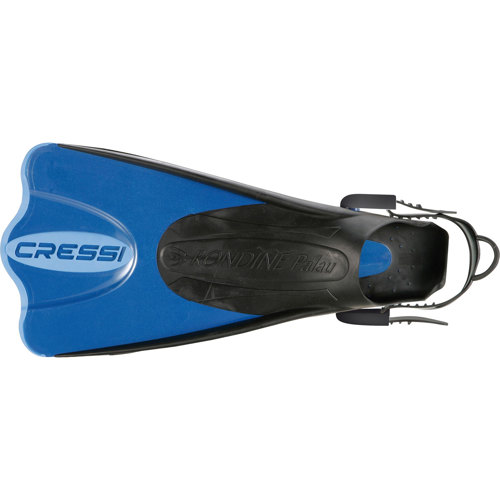
Beyond personal comfort, proper gear adjustment is a cornerstone of dive safety. Before every dive, experienced buddies run through a standard pre-dive check—verifying that BCD inflators and dump valves work, weights are secure, all releases and buckles are fastened, and the air supply is functioning smoothly. These routines, along with a close inspection of mask, fins, and computers, are made easier and more reliable when your gear is set up to fit you perfectly. For those looking to deepen their understanding of the process or explore more advanced techniques, there are comprehensive resources available, such as the
Scuba Diving Adjustments page, which offers detailed insights into optimizing your setup for any dive environment. Whether you’re preparing for a new season of local diving or planning a getaway to tropical reefs, investing time and attention in your gear adjustment routine pays off with safer, more enjoyable dives—and memories that last long after you surface.