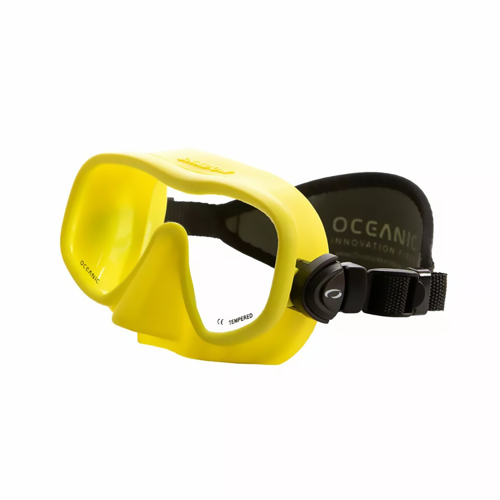
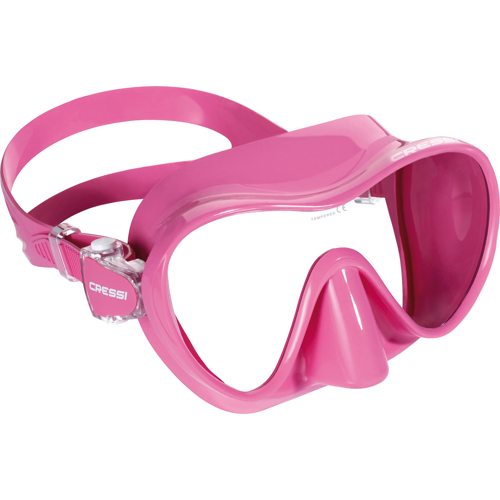
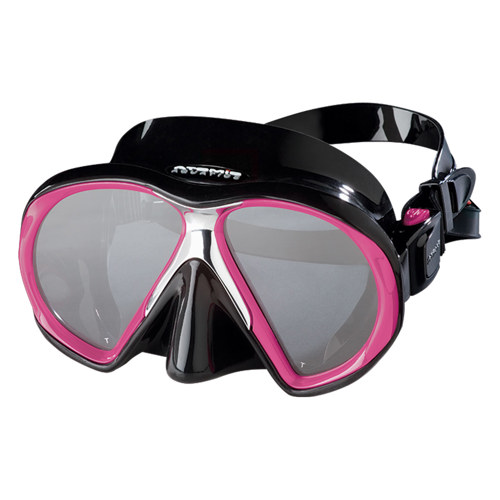
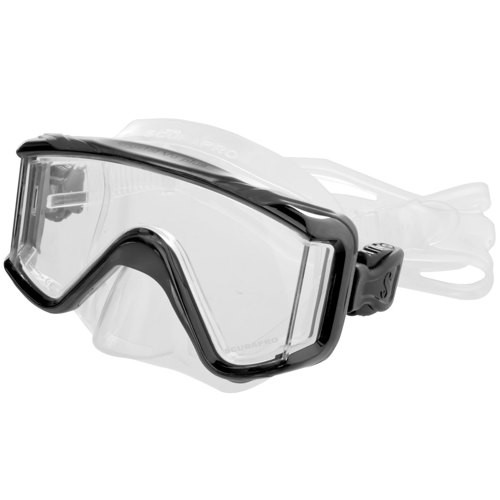
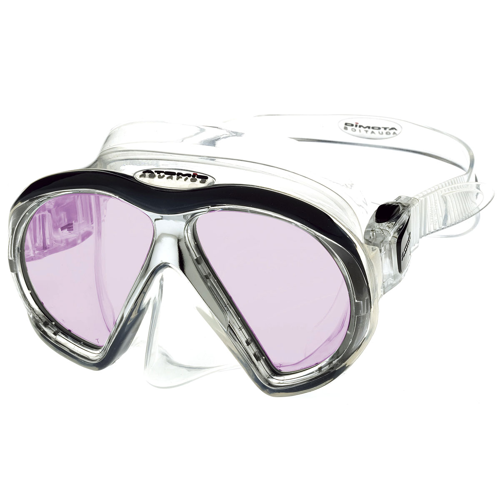
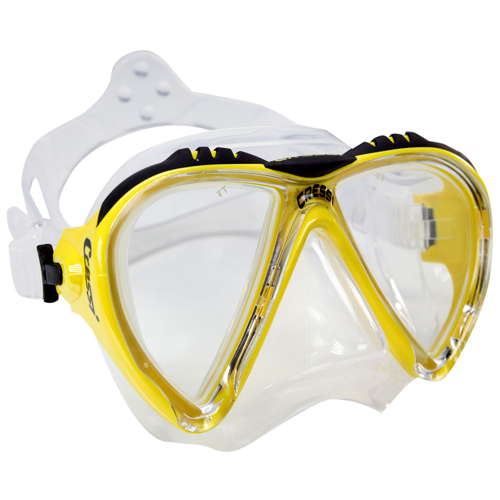
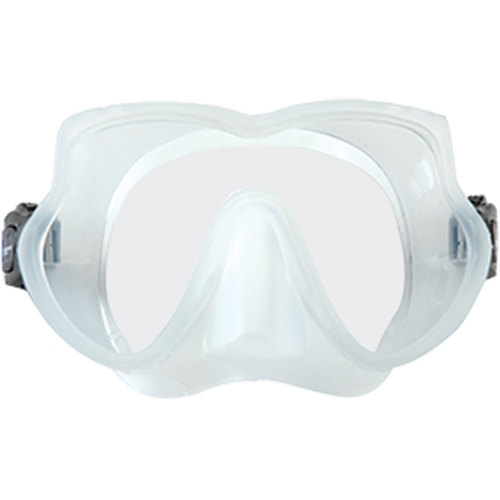
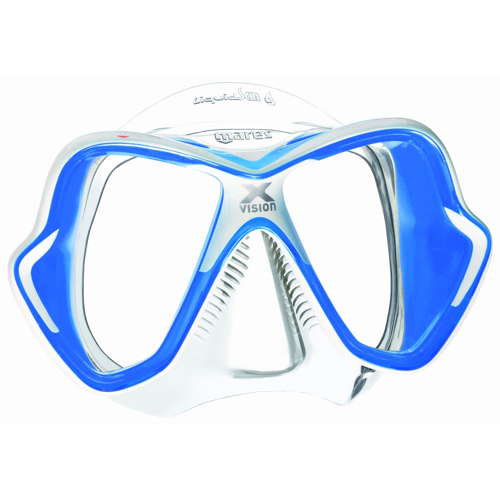
When selecting equipment that enhances your field of view underwater, it’s important to understand how the unique properties of water affect what you see and how you experience your dives. Unlike on land, your vision beneath the surface is shaped by both the lens design and the environment itself. Water refraction naturally magnifies and distorts distance, making objects appear larger and closer than they are, while a standard flat-lens mask reduces your horizontal field of view by about 30%. This means that your choice of mask or goggles becomes one of the most critical decisions for comfort, safety, and enjoyment—whether you’re an experienced scuba diver, a freediving enthusiast, or a casual snorkeler exploring a vibrant reef for the first time. As the weather warms and more people head to the water, the right field-of-view gear can make all the difference, offering a sense of openness and awareness that transforms every dive.
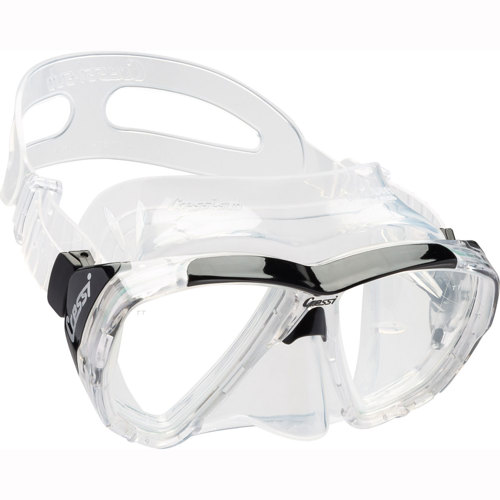
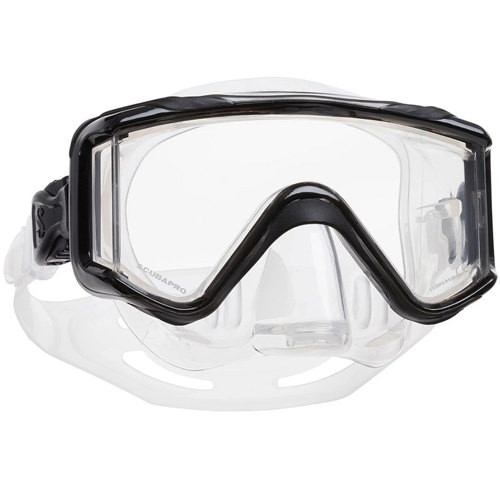
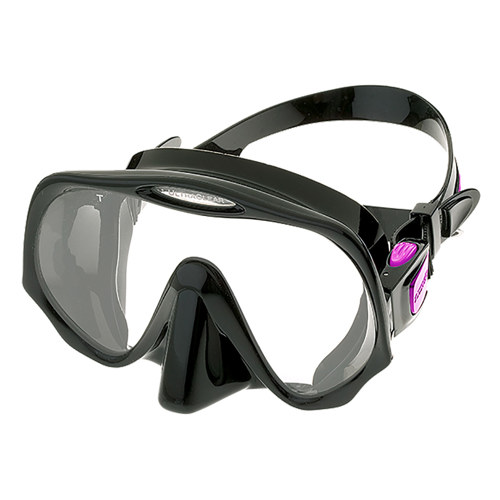
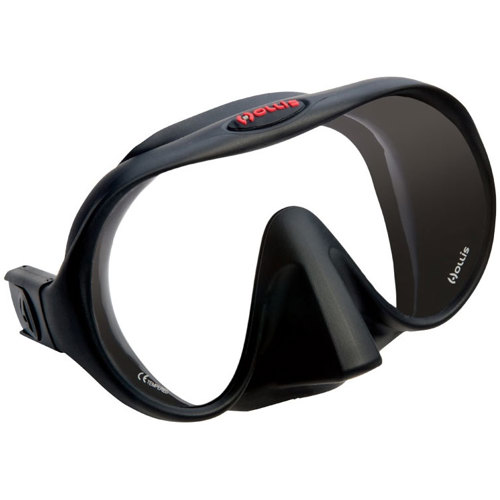
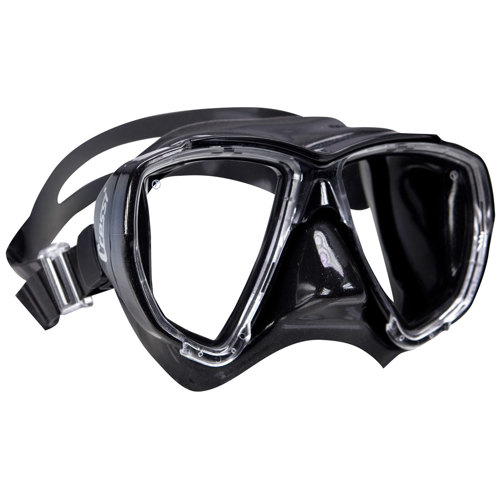
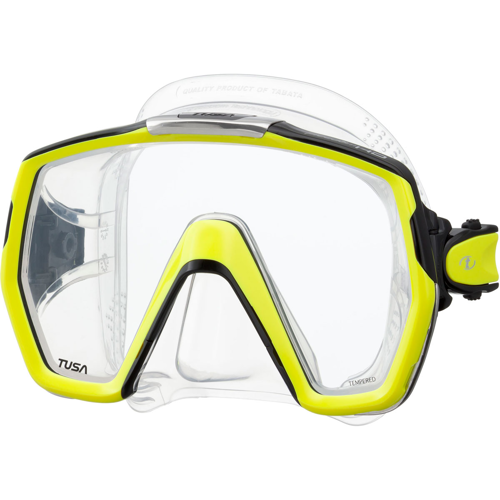
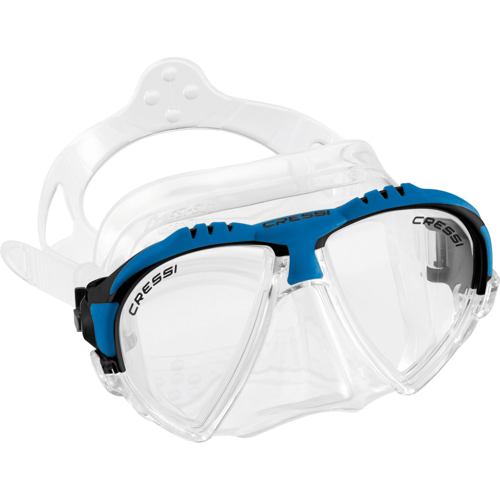
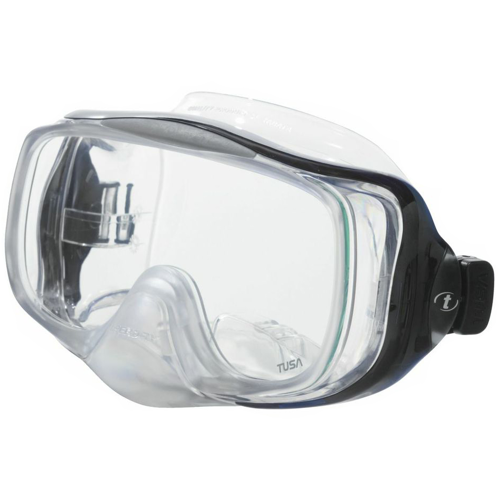
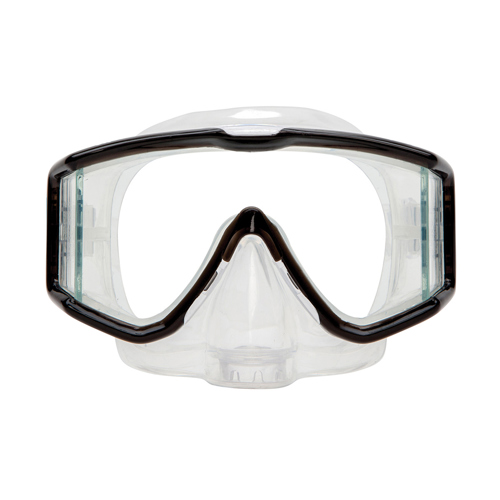
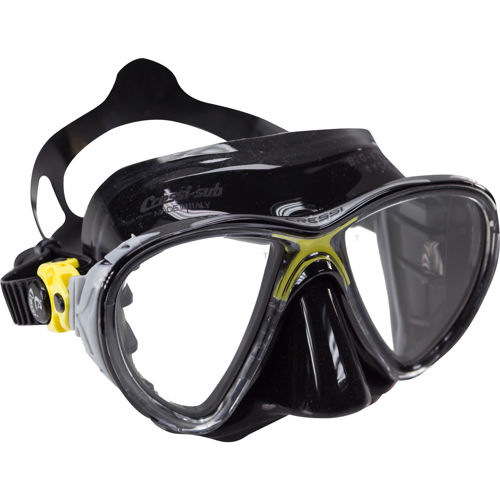
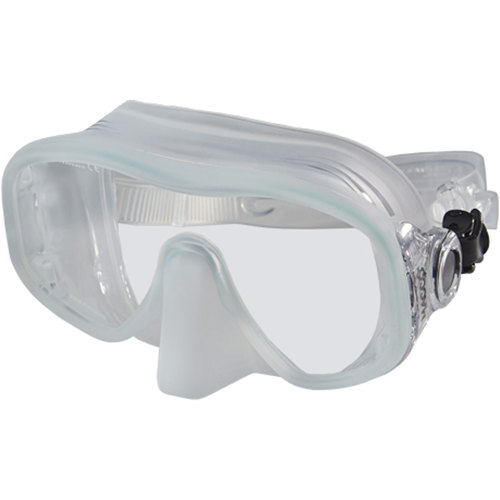
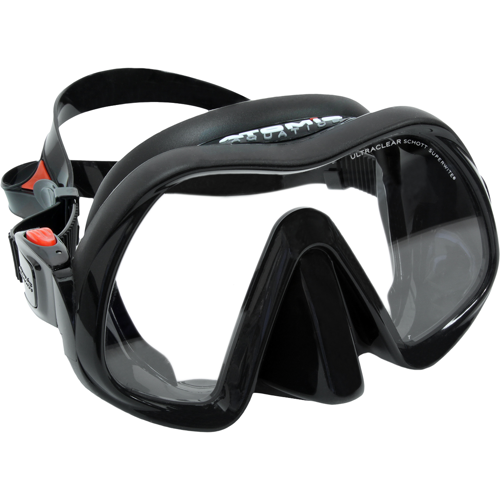
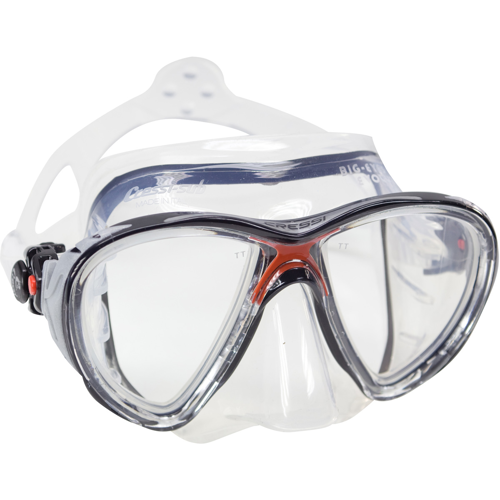
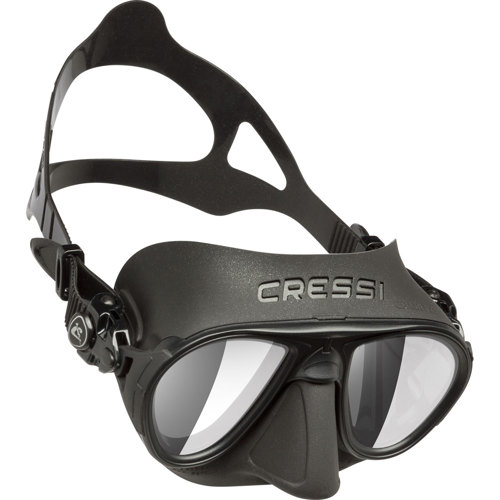
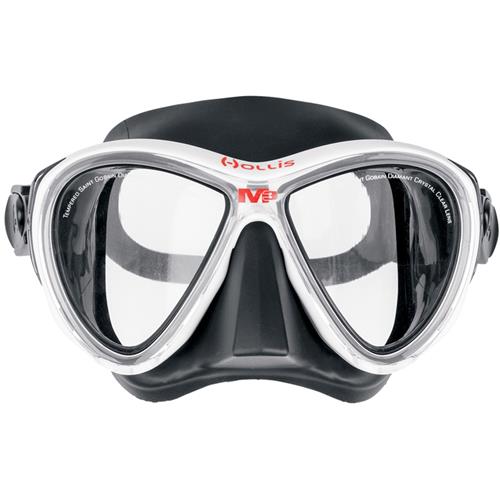
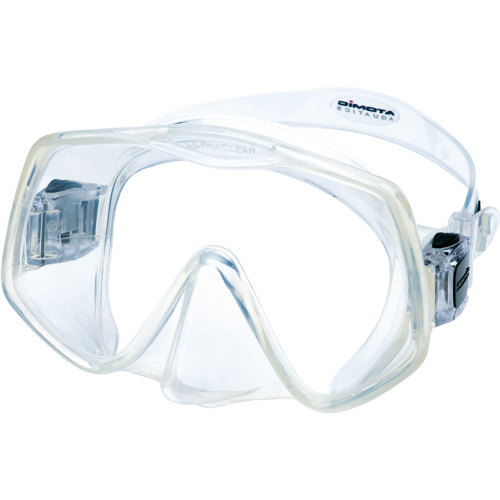
Modern mask technology offers a wide range of options to suit different underwater activities, facial profiles, and personal preferences. Low-volume masks, for example, bring the glass closer to your eyes, expanding both peripheral and downward sightlines. This can be especially helpful for reading dive computers, checking gauges, or keeping track of your buddy, making these masks a popular choice for divers who value situational awareness. Single-lens masks eliminate the center nose bridge, providing an uninterrupted, panoramic view that’s ideal for those prone to feelings of claustrophobia or anyone who wants to maximize their sense of immersion. Multi-pane designs, often featuring side windows or clear silicone skirts, further boost peripheral vision and ambient light, making every dive feel brighter and more connected to your surroundings. On the other hand, black or opaque skirts are favored by underwater photographers or technical divers who want to block stray reflections and focus entirely on the scene in front of them. Each of these features can enhance your underwater adventures, from capturing the perfect photo of a passing sea turtle to safely navigating a kelp forest or shipwreck.
Masks and goggles designed to optimize field of view also make thoughtful gifts for new divers, travel companions, or anyone looking to upgrade their gear for the season. For those who wear glasses or contact lenses, the experience of seeing clearly underwater can be life-changing, and many modern masks accommodate drop-in or stick-on prescriptive lenses for both near and distance vision. This means you can enjoy every detail of a coral garden or read your gauges with confidence, no matter your prescription. Facial fit is another key consideration—some masks are tailored to narrower or wider profiles, ensuring a comfortable, watertight seal that lasts through long days in the water. If you’re unsure about which features will best support your underwater vision, our dedicated resource on
Diving Help For Vision offers expert advice and practical tips to guide your selection. Whether you’re preparing for a summer vacation, planning fall dives, or simply seeking to enhance your underwater experiences, the right field-of-view gear will help you see the underwater world in a whole new light—vivid, expansive, and unforgettable.