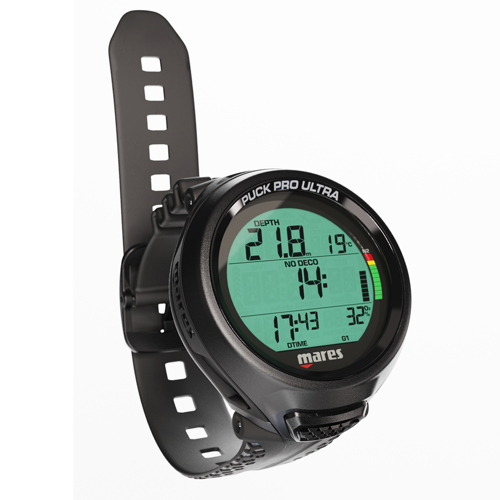
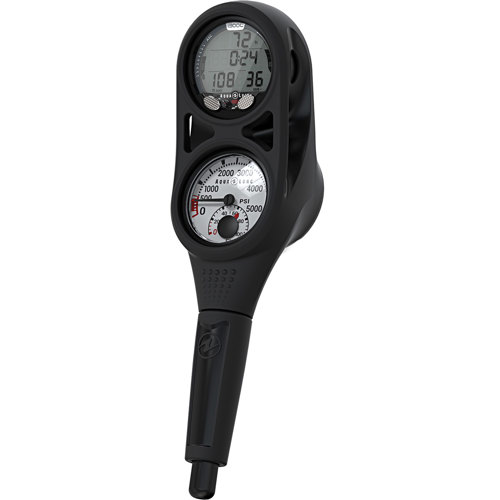
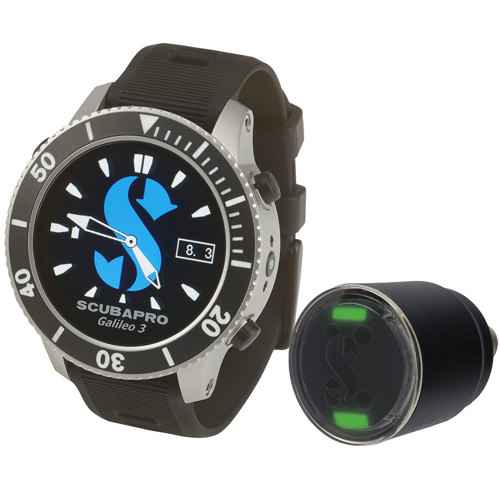
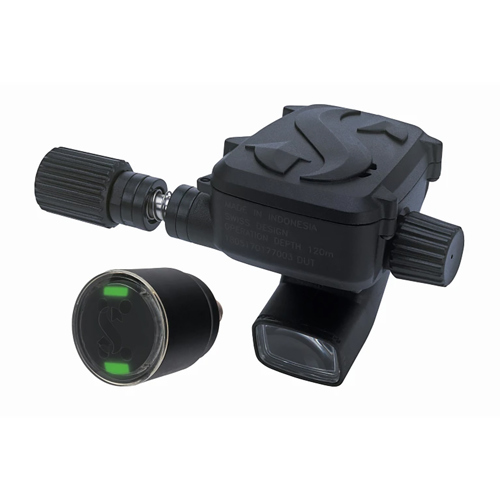
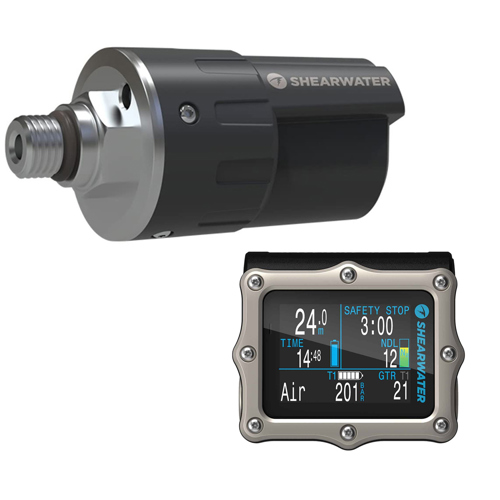
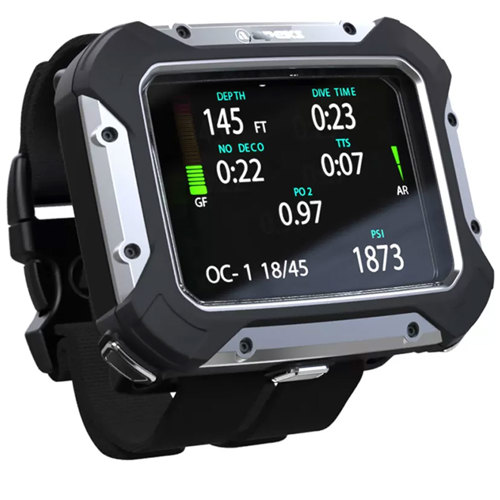
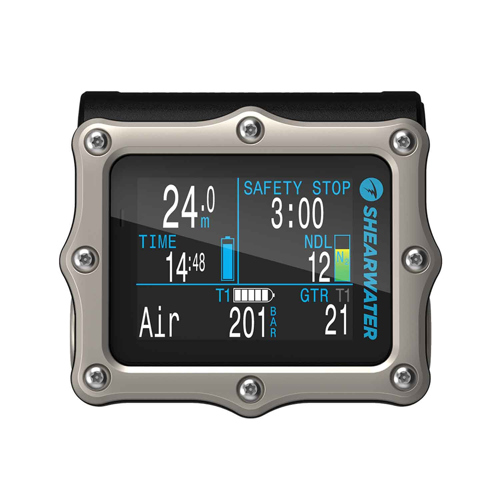
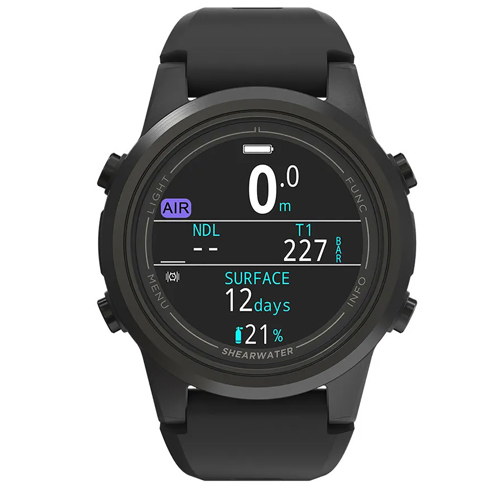
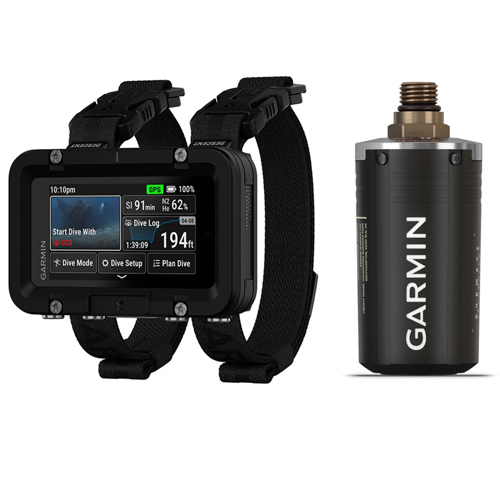
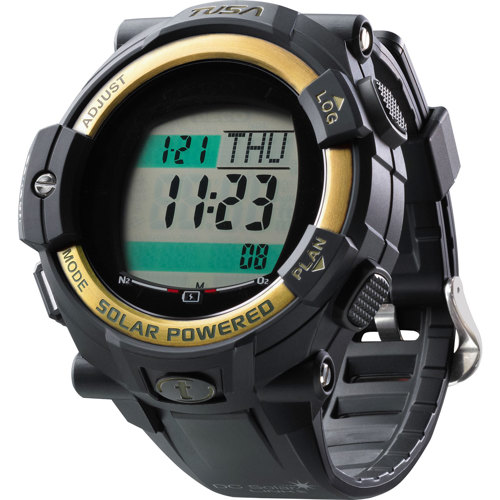
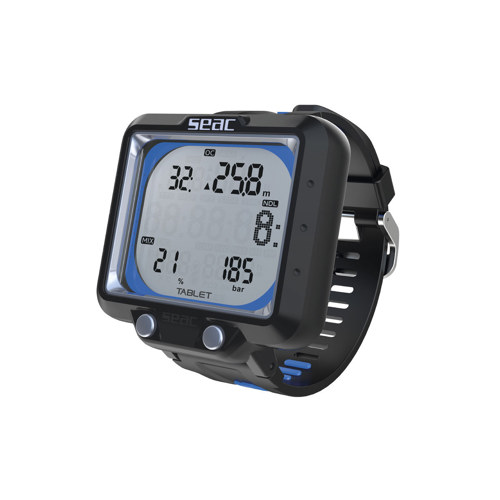
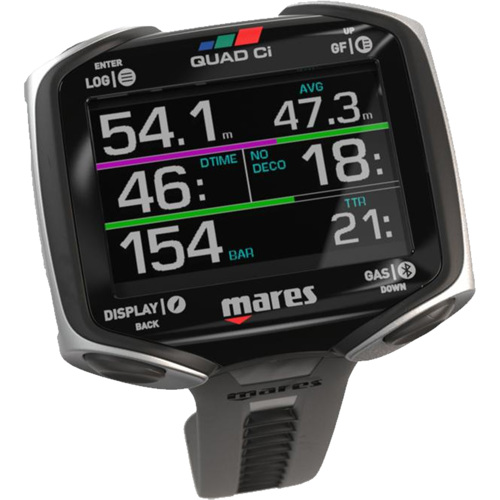
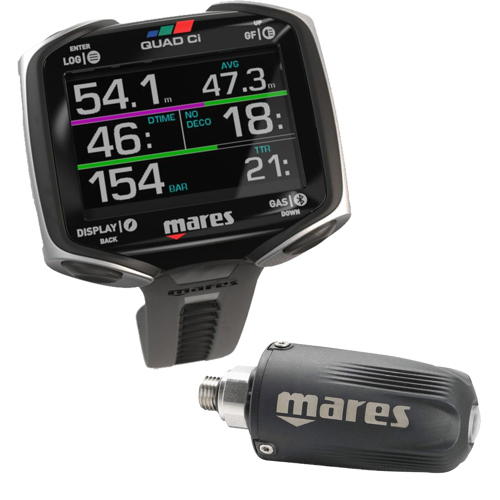
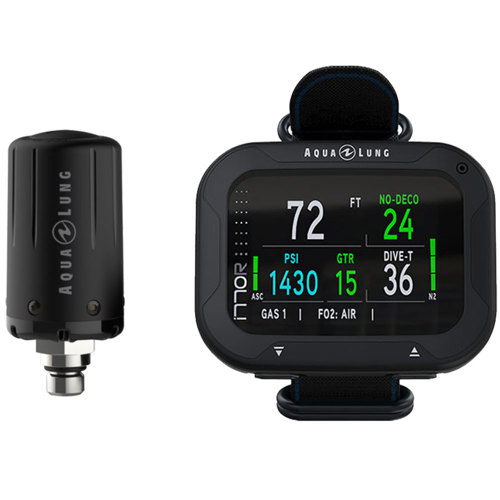
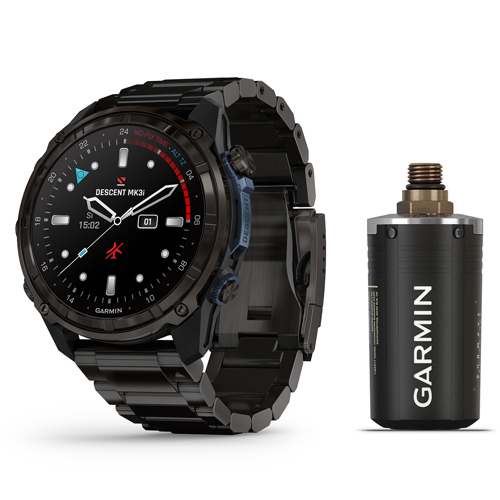
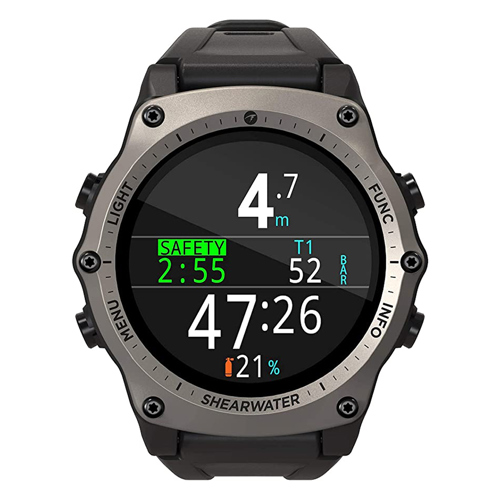
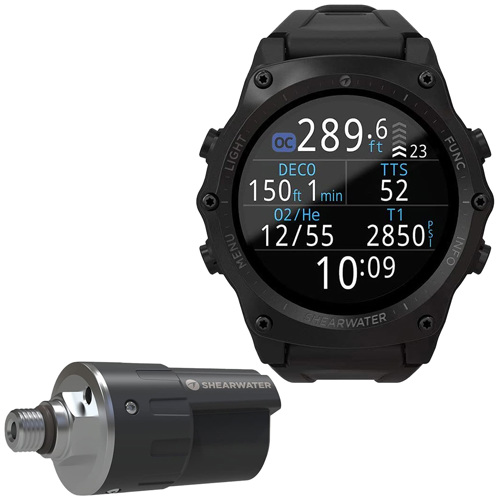
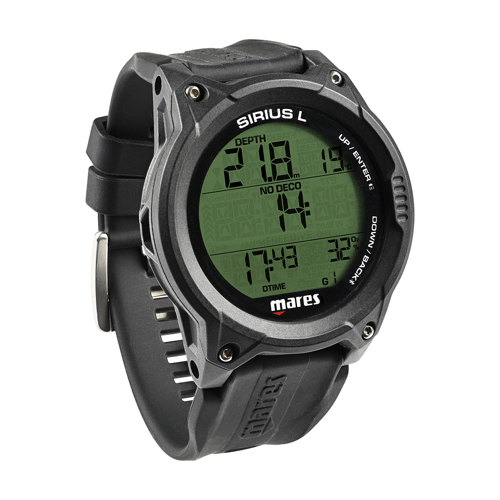
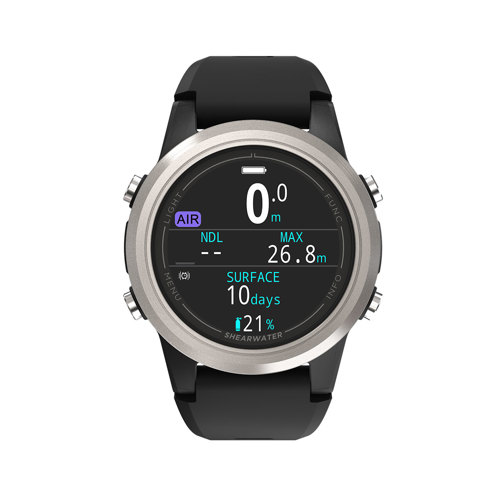
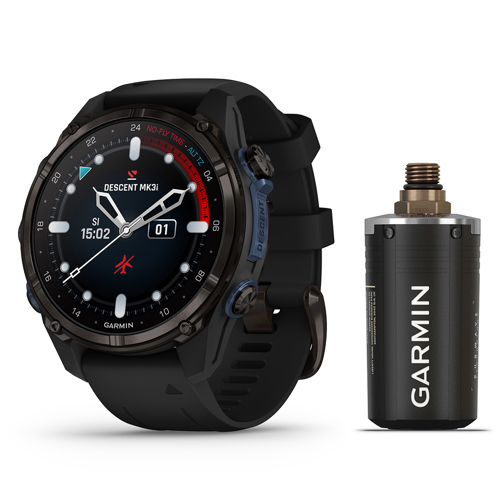
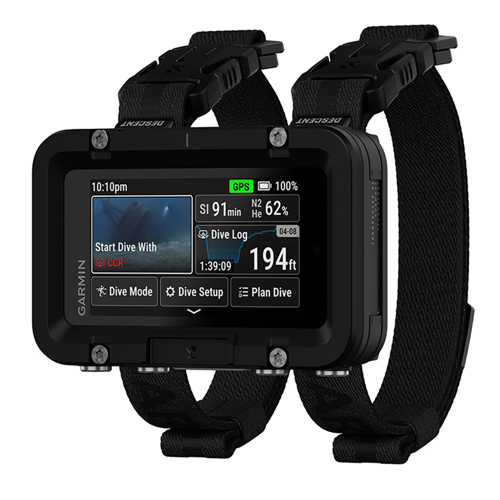
Diving in low-light conditions—whether it’s the inky blackness of a night dive, the shadowy corridors of a wreck, or the mysterious depths of a cave—requires not only skill and preparation but also the right technology to keep you safe and informed. Dive computers designed specifically for low-light environments are essential companions for these adventures, offering features that go far beyond standard models. With the latest advances in screen technology, these devices utilize vibrant AMOLED or high-contrast LCD displays, ensuring every critical piece of data—depth, time, ascent rate, and decompression limits—remains crystal clear even in the dimmest conditions. Backlit screens and luminescent modes, often customizable in color and brightness, allow divers to tailor their displays for optimal visibility, whether they’re navigating a silty wreck off the coast or exploring a reef at dusk. Haptic alerts provide an extra layer of safety, delivering gentle vibrations to your wrist when you need to pay attention, especially when visual cues might be missed in the darkness or when your focus is on the captivating environment around you. Features like these not only boost confidence but also significantly reduce the risk of missing vital information during challenging dives.
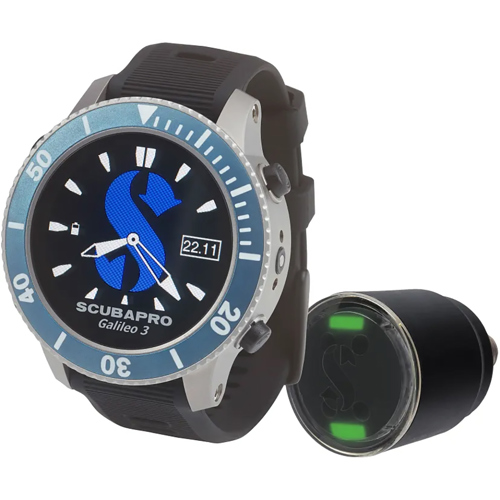
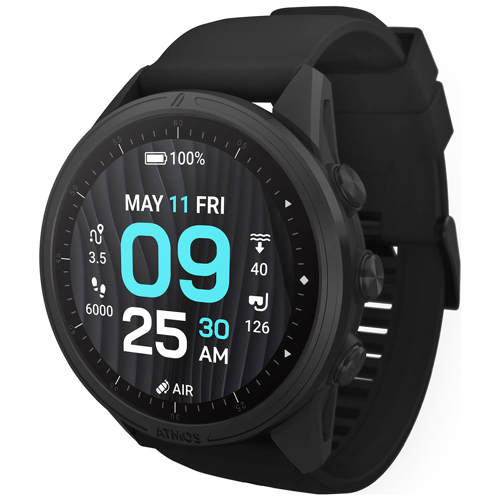
Choosing the right dive computer for low-light conditions involves considering your typical diving environments and personal preferences. For those who frequently embark on night dives, cave explorations, or deep wreck penetrations, a reliable dive comp with a robust, high-visibility display can make all the difference. Many divers appreciate the tactile feel and quick-glance readability of a modern dive watch, but when conditions demand more, a full-featured dive computer with adjustable backlighting, color options, and intuitive menu navigation becomes indispensable. These computers are designed to withstand rugged environments, often boasting reinforced casings and scratch-resistant screens to handle the bumps and scrapes that come with technical diving. Customizable alarms—both visual and haptic—help ensure you never miss a crucial signal, even when your attention is divided between your gauges and the wonders unfolding in the beam of your torch. February’s shorter days and lower sun angles can mean more dives where natural light is limited, making this the perfect season to upgrade your gear in preparation for spring adventures or to give a thoughtful, practical gift to the diver in your life who’s ready to explore new underwater frontiers.
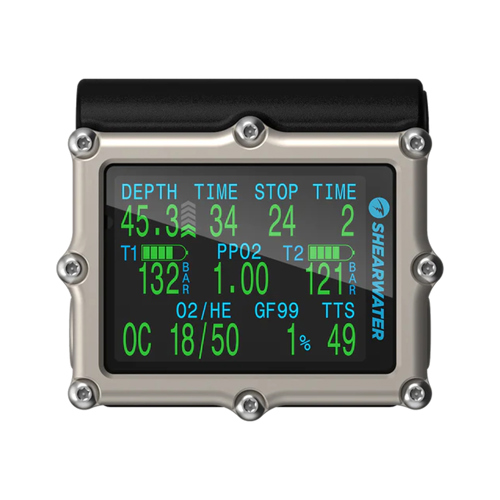
Low-light dive computers are not only essential for seasoned technical divers but also make a thoughtful and practical gift for anyone expanding their diving skills or venturing into new environments. Whether you’re shopping for a friend who’s preparing for their first night dive, a loved one training for cave certifications, or simply treating yourself to a safer, more enjoyable experience, these devices deliver peace of mind and performance. Many models, including popular shearwater dive and shearwater computer options, are prized for their user-friendly interfaces and reliability under pressure—qualities that become even more important when visibility drops and the stakes are higher. Pairing a top-tier dive computer with other safety essentials, such as those found on our
Tech Dive Lights page, ensures you’re fully equipped to handle any scenario the underwater world presents. Investing in a high-quality dive computer designed for low-light conditions is more than a matter of convenience; it’s a commitment to safe, confident exploration, allowing you to focus on the thrill of discovery—whether you’re gliding through kelp forests at twilight, tracing the outlines of a sunken ship, or following the glow of your buddy’s torch into the unknown.