Din Cylinders
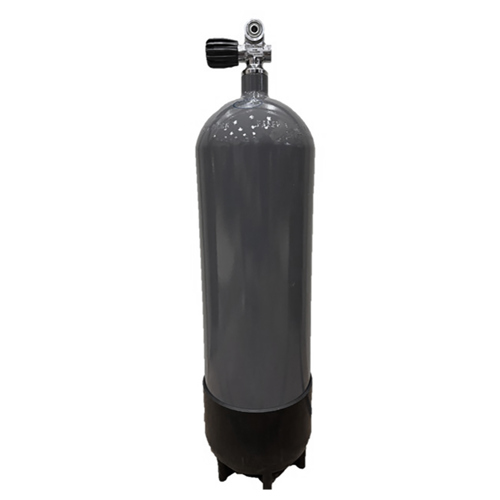
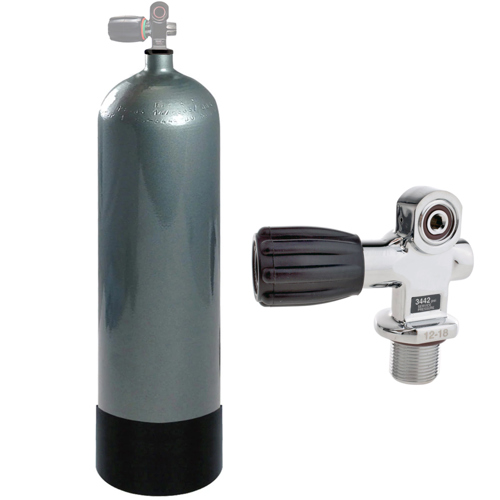
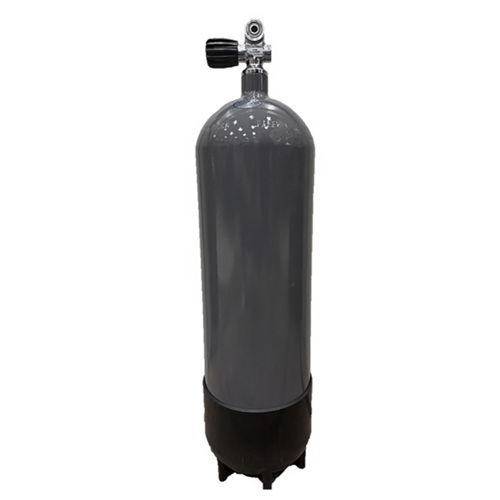
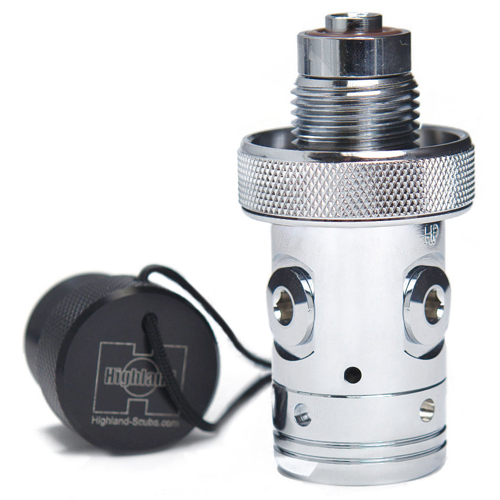
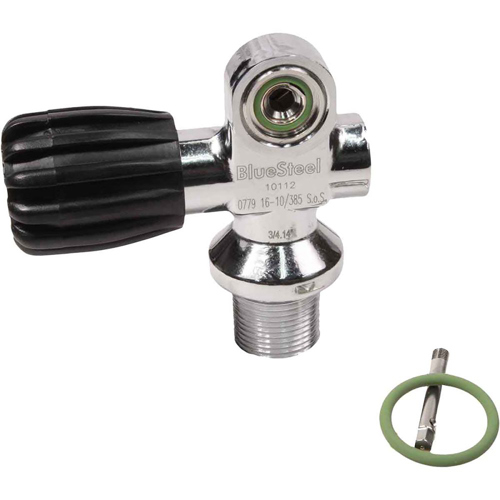
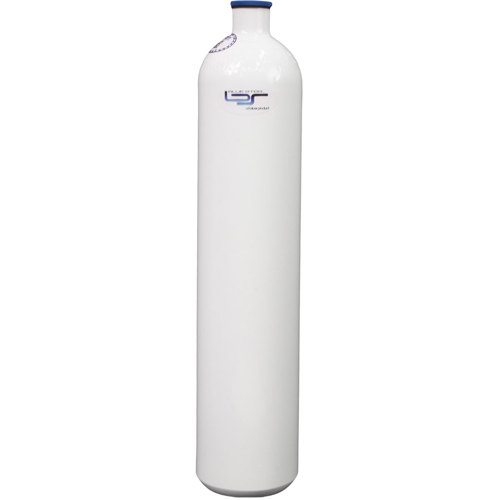
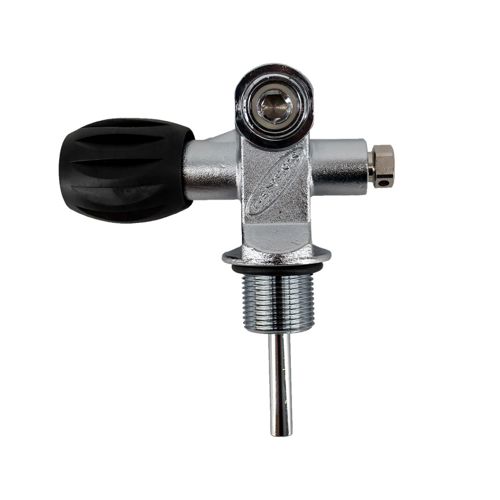
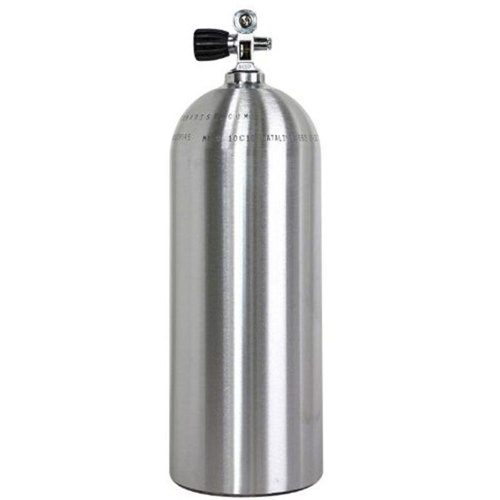
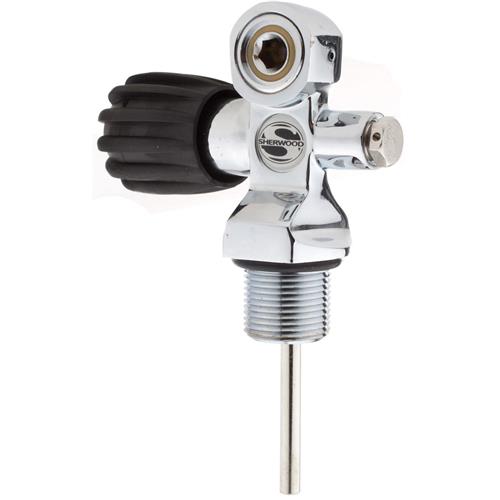
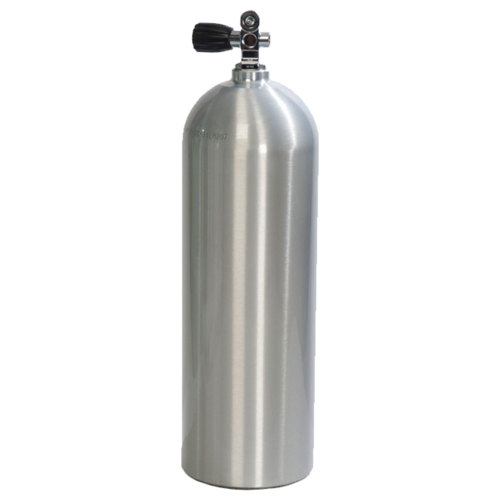
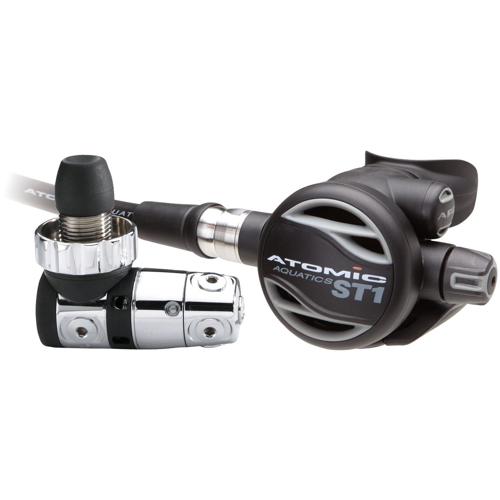
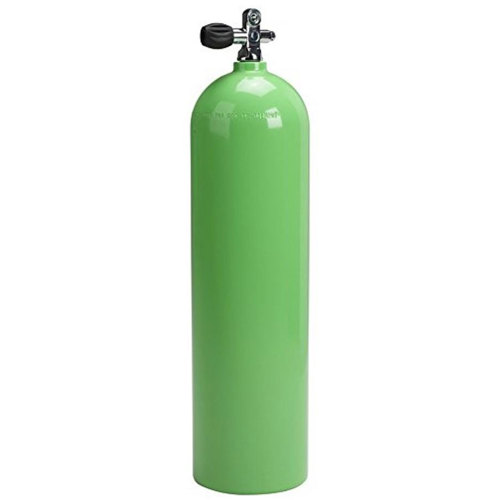
When considering the purchase of a din cylinder for scuba diving, it’s important to understand the unique benefits and features that DIN (Deutsches Institut für Normung) fittings bring to your underwater adventures. Unlike the more traditional yoke (A-clamp) systems, din scuba cylinders use a threaded connection, allowing the regulator to screw directly into the valve. This design creates a robust, secure seal that is especially valued by divers who frequent deeper sites or engage in technical diving, where higher working pressures and a more reliable connection are essential. The O-ring on a DIN system is recessed within the valve, which significantly reduces the likelihood of damage or accidental dislodging—a small detail, but one that can make a big difference when you’re gearing up on a rocking boat or prepping for a cold-water dive in autumn. September’s cooling temperatures often signal the start of more challenging dive conditions, making the added security and durability of a din cylinder even more appealing for those eager to extend their season or venture into new environments.
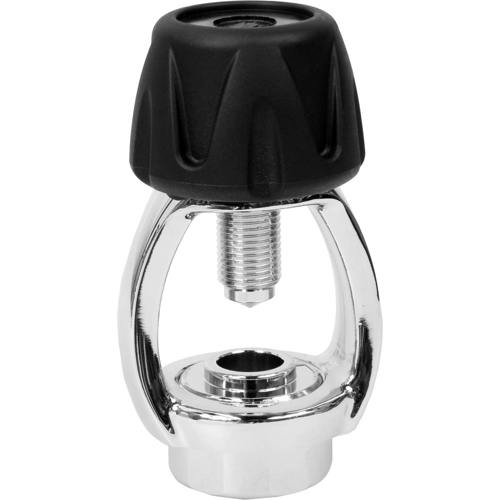
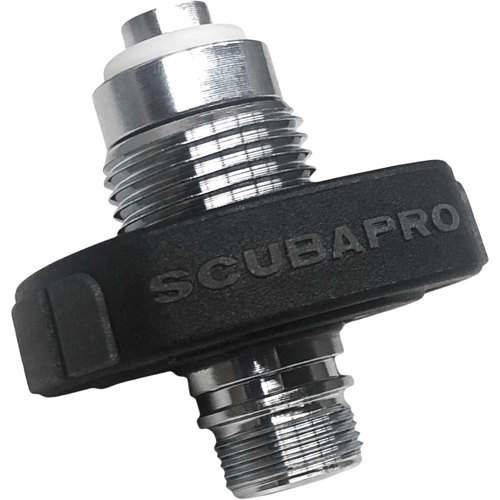
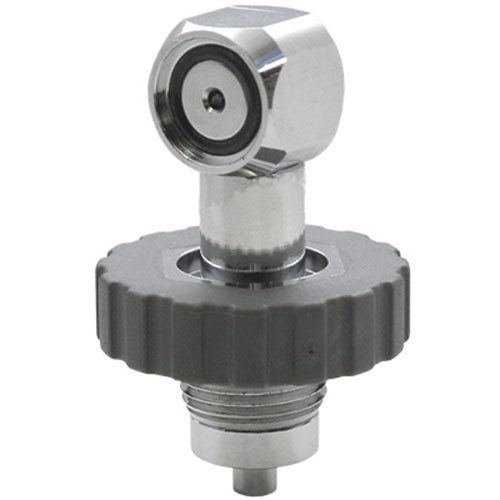
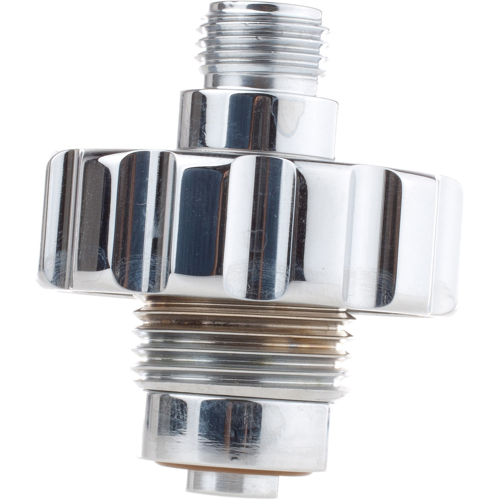
DIN cylinders are not just for technical divers, though; they have become increasingly popular among recreational divers who want that extra margin of safety and performance. If you’re shopping for a gift for a dedicated diver—perhaps someone who’s planning to take their first steps into advanced training or who dives frequently in both local lakes and distant reefs—a din scuba cylinder is a thoughtful and practical choice. The versatility of DIN fittings, which can often be adapted for yoke regulators with a simple screw-on adapter, means that the recipient can use their equipment in a wide variety of locations and with different dive operators. Many dive centers around the world now offer both DIN and yoke options, but having your own din cylinder ensures you’re always prepared, whether exploring a Caribbean wreck or navigating the kelp forests off California’s coast. During the fall months, as underwater visibility improves and marine life becomes more active, a reliable cylinder is the foundation for memorable dives—whether you’re capturing photos of migrating fish or simply enjoying the tranquility beneath the waves.
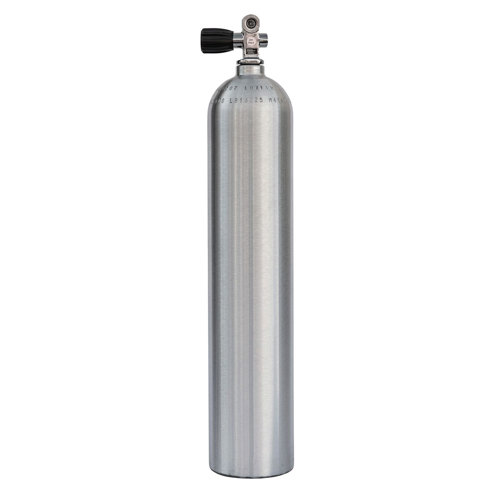
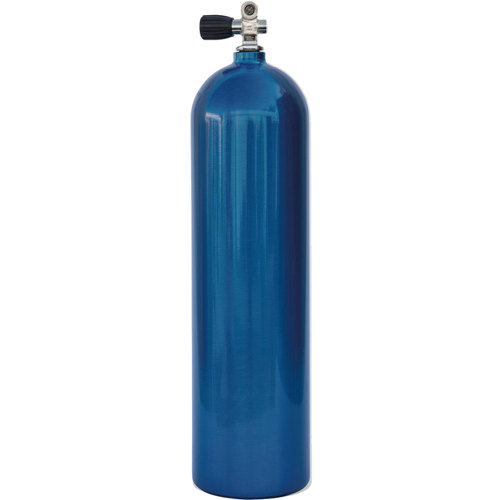
When selecting a din cylinder, it’s wise to consider factors such as working pressure, capacity, and intended use. Higher-pressure cylinders (often rated to 300 bar) are especially suited to technical applications, such as deep or extended-range dives, or for use in doubles setups where redundancy and gas volume are critical. For those interested in expanding their diving horizons, exploring options like
Doubles Cylinders can provide additional flexibility and safety for more complex dive profiles. The choice of material—aluminum or steel—also influences buoyancy characteristics and weight, which can be an important consideration for travel or for divers who need to fine-tune their trim. Ultimately, investing in a high-quality din cylinder is about ensuring every dive is as safe, comfortable, and enjoyable as possible. Whether you’re suiting up for a crisp September shore dive or preparing for a winter expedition, having the right equipment gives you the confidence to focus on the experience and the underwater wonders that await.