Compatible Batteries
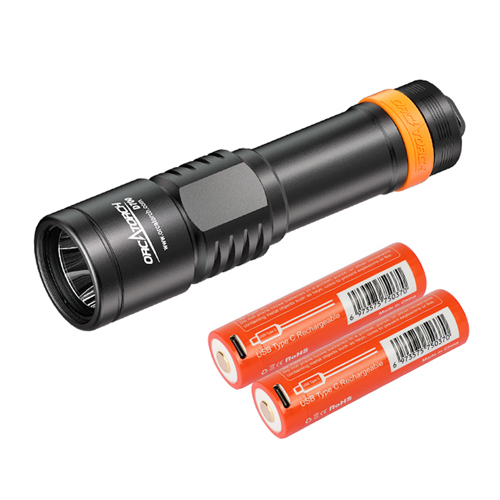
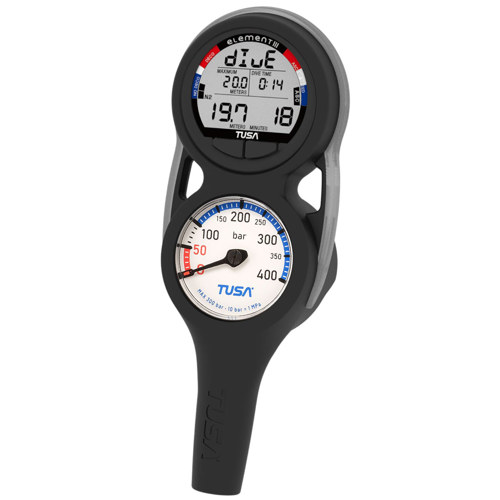
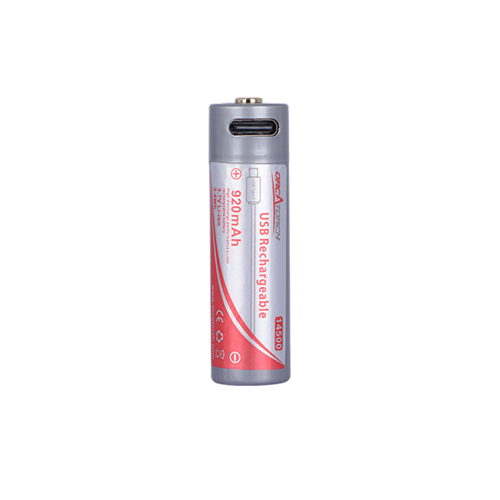
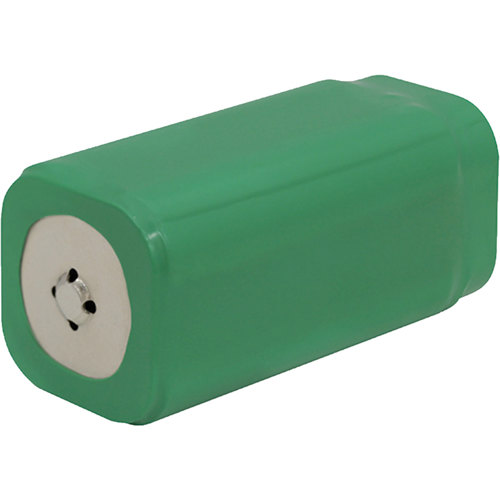
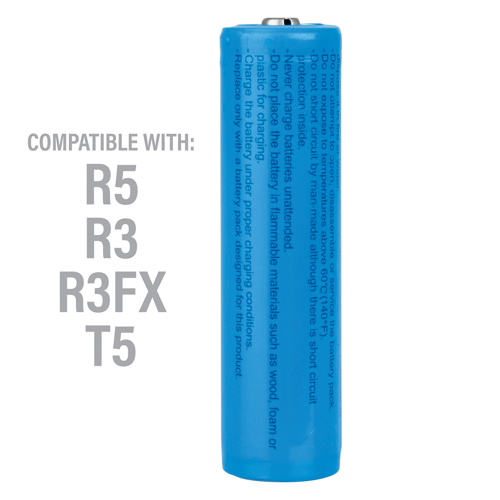
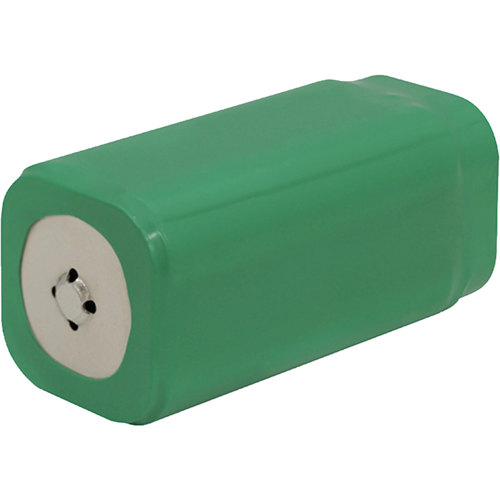
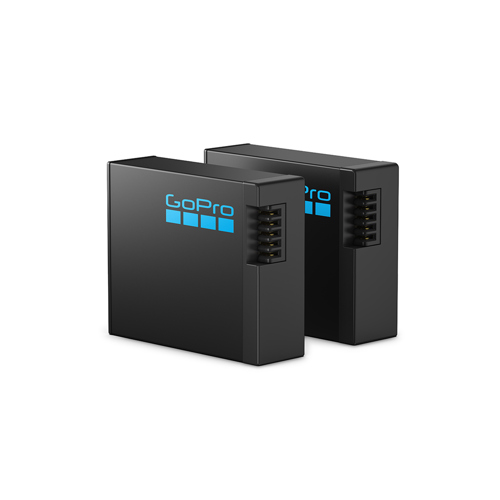
When it comes to powering your essential scuba diving and snorkeling equipment, choosing compatible batteries is more than a matter of convenience—it's a critical factor in ensuring safety, reliability, and optimal performance underwater. As the weather warms and dive season stretches into the early fall, enthusiasts and professionals alike rely on a range of battery-powered devices, from dive computers and underwater cameras to powerful torches and handheld GPS units. Whether you're gearing up for a tropical vacation, planning a local shore dive, or preparing your gear for a series of weekend adventures, the right batteries make all the difference in keeping your equipment running smoothly. Compatibility starts with matching the exact voltage required by your device, as even a slight mismatch can lead to malfunctions or permanent damage. Equally important is selecting the correct battery chemistry—such as lithium-ion, nickel-metal hydride, or alkaline—and ensuring the physical dimensions and terminal placements are a perfect fit. Mixing old and new batteries or different chemistries can cause uneven charging, reduce lifespan, and even present safety hazards like overheating. For divers, this attention to detail is second nature; after all, a dependable power source can mean the difference between capturing that once-in-a-lifetime encounter with a sea turtle or missing a crucial safety alert from your dive computer.
Compatible batteries are not just for seasoned divers—they make thoughtful and practical gifts for anyone who enjoys exploring beneath the surface or relies on battery-powered gear for outdoor adventures. New divers often receive dive lights, computers, or underwater cameras as gifts, and having a set of backup batteries ensures those first experiences are worry-free. Experienced divers appreciate the peace of mind that comes with high-quality, compatible batteries, especially on longer trips where access to replacements may be limited. As families and friends gather for summer getaways or plan autumn diving excursions, having the right batteries on hand keeps everyone prepared, whether it's for illuminating a night dive, recording vibrant coral reefs, or simply powering a wristwatch or navigation device. It's always wise to consult your equipment manuals for manufacturer recommendations regarding voltage, capacity, and terminal type, and to store spare batteries in waterproof cases to protect them from moisture and accidental discharge. For those looking to further enhance their setup, a range of
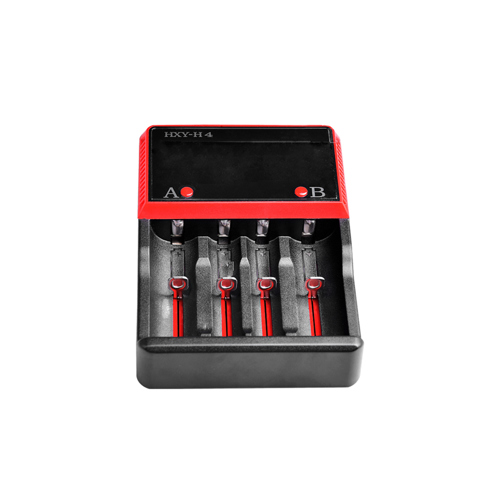
Battery Accessories—from chargers and protective cases to adapters and organizers—can extend battery life and streamline your packing routine. By taking the time to select the right compatible batteries, you ensure that your underwater adventures are powered by reliability, allowing you to focus on the beauty and excitement of the dive rather than the worry of a drained device.