As liveaboard diving adventures become more popular during the warmer months and into early autumn, thoughtful preparation is essential to ensure every underwater moment is captured and every dive is safe and enjoyable. One of the most overlooked yet critical aspects of liveaboard trip planning is battery management for your essential gear. On a liveaboard, you’re often far from shore-based amenities, so having a reliable supply of spare batteries is more than just convenient—it’s a necessity. Divers, underwater photographers, and videographers all rely heavily on battery-powered devices such as dive lights, strobes, action cameras, dive computers, and even personal safety beacons. For those embarking on multi-day excursions, the rhythm of charging, swapping, and storing batteries becomes as much a part of the daily routine as prepping tanks or rinsing gear. Whether you’re an experienced diver looking to capture every marine encounter or a newcomer eager to document your first liveaboard journey, having dedicated backup batteries for each device is the key to uninterrupted exploration and peace of mind.
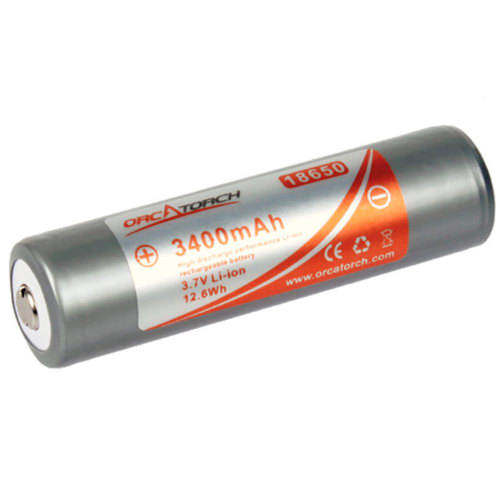
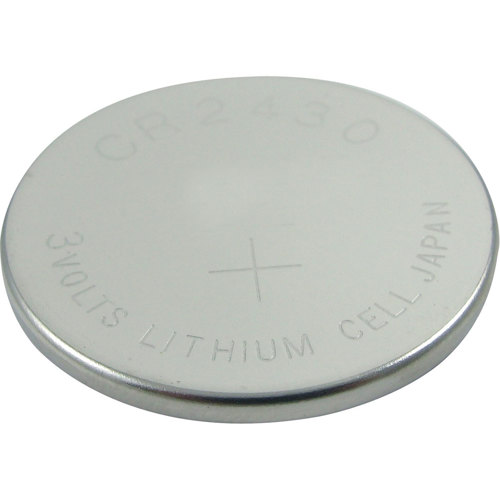
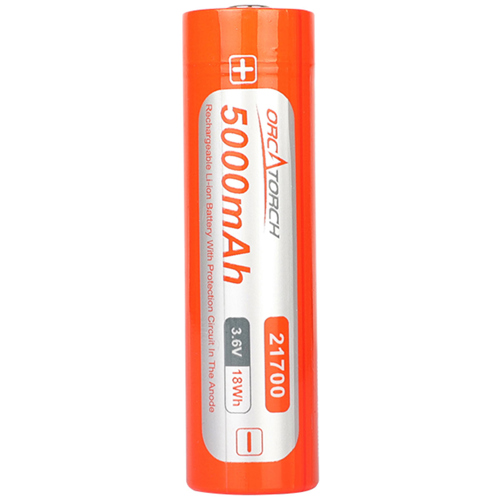
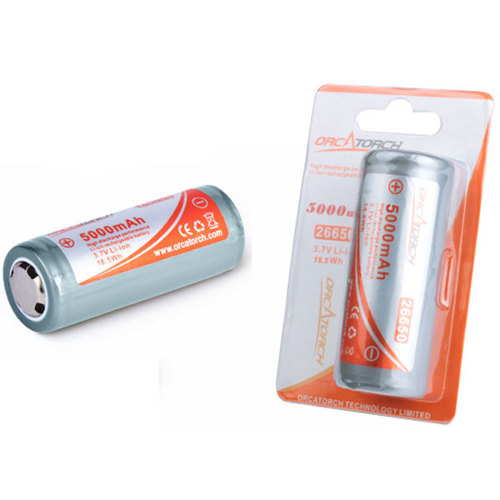
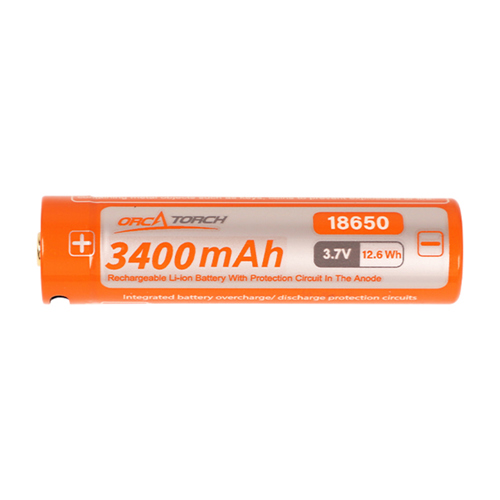
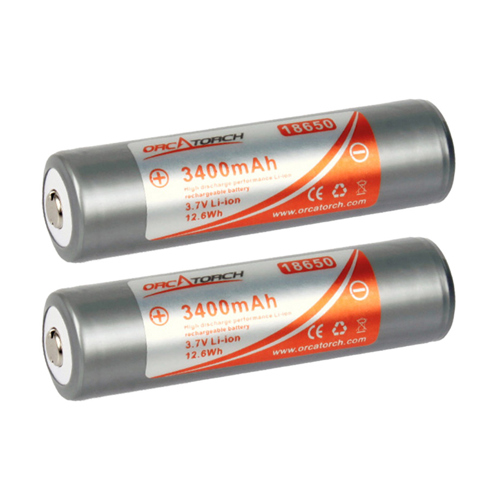
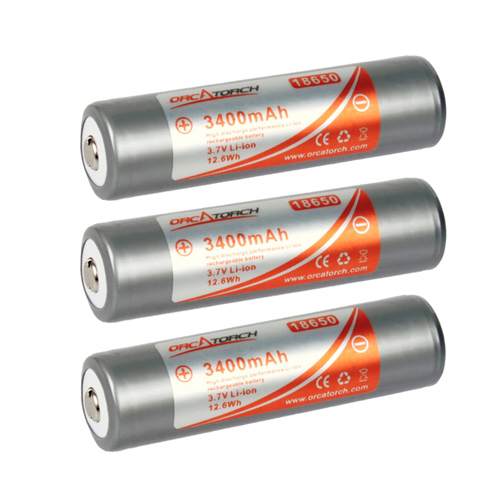
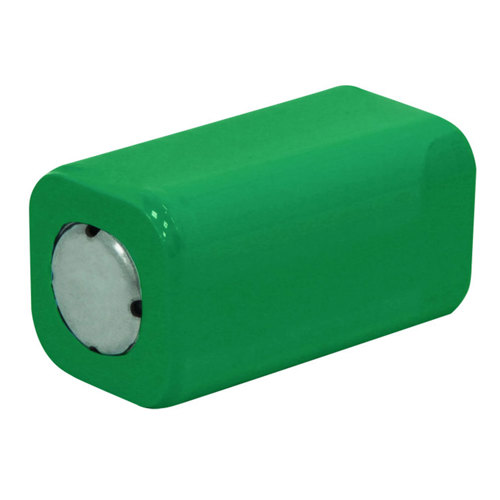
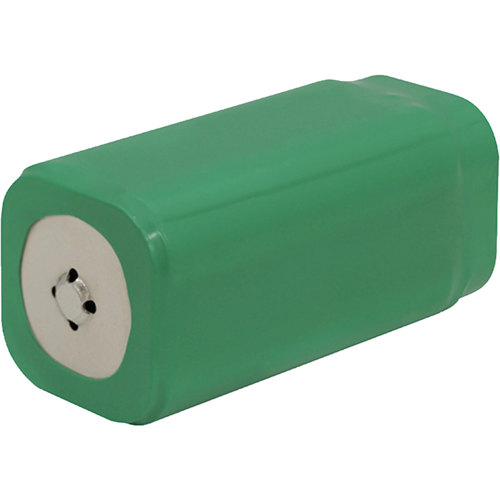
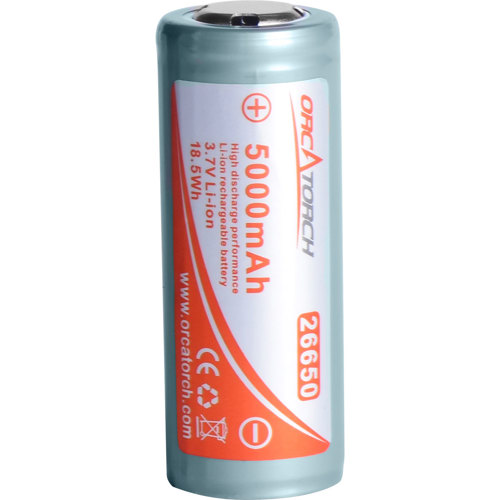
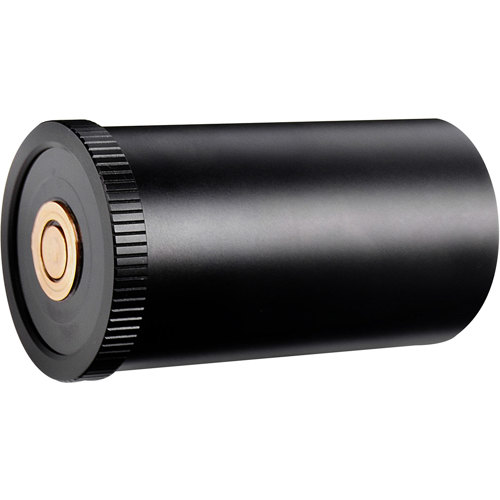
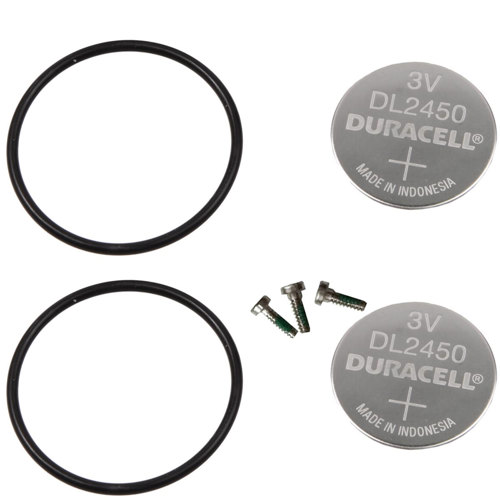
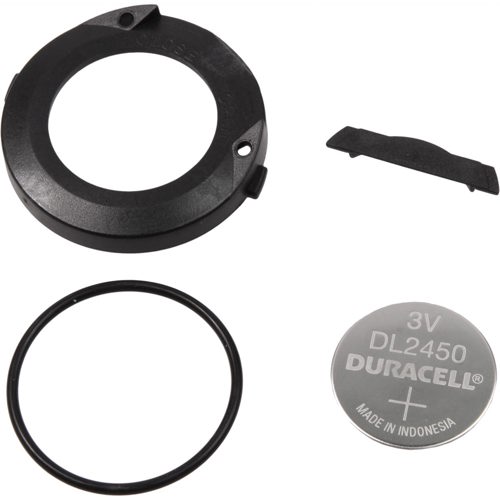
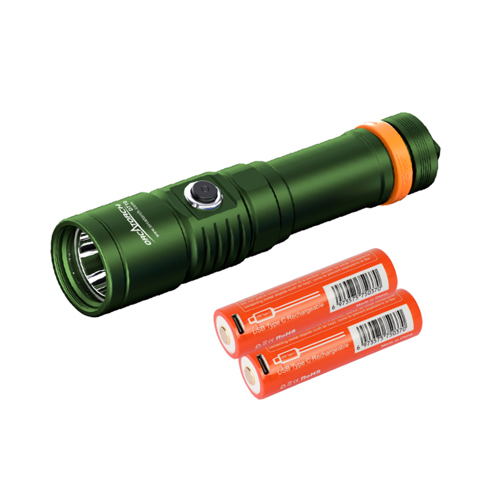
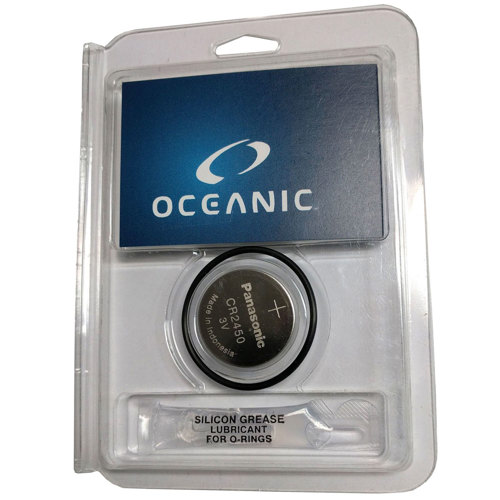
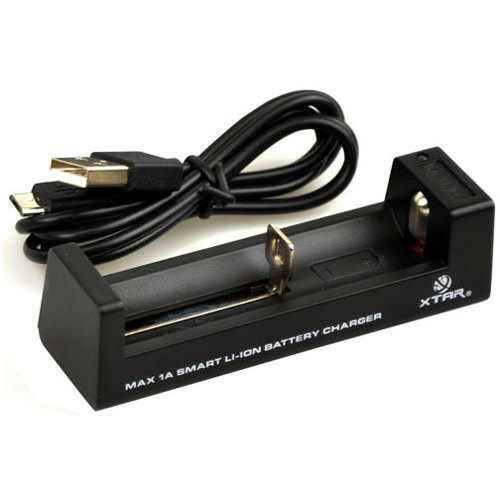
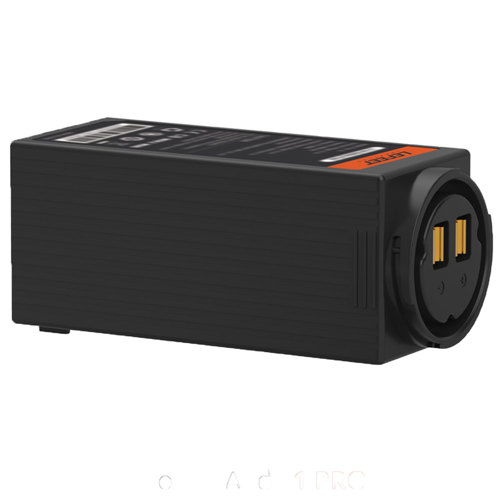
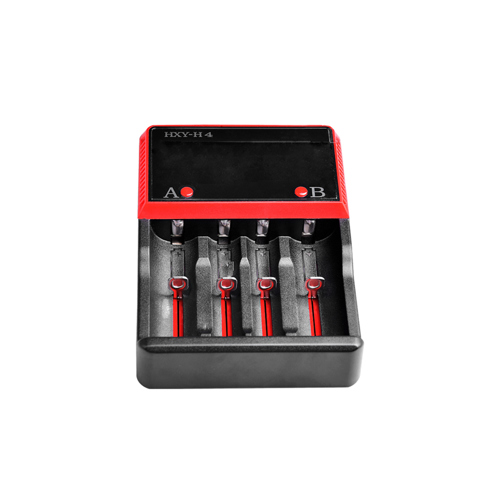
Packing for a liveaboard means thinking ahead about both quantity and quality of your power sources. It’s wise to follow the “two-set rule,” keeping two identical sets of batteries for every critical device—one set in use and another charging or ready as a backup. This approach is especially vital for underwater photographers who rely on high-capacity rechargeable batteries for camera strobes and action cameras, ensuring that no dive is missed due to a drained battery. Dive computers, often powered by standard coin cell batteries, should be checked and fitted with fresh replacements before departure, with spares packed in a dry case for emergencies. Storing batteries in sealed, waterproof containers or micro-cases protects them from humidity and saltwater exposure, which can be relentless on a liveaboard. With cabin outlets at a premium, a compact travel power strip (without surge protection) can make charging multiple devices far more efficient, allowing you to rotate batteries between dives without hassle. For those traveling by air, it’s important to adhere to airline regulations: always pack loose lithium-ion batteries in your carry-on, use terminal covers or tape to prevent short circuits, and be mindful of airline watt-hour limits to avoid delays at check-in.
Batteries also make thoughtful, practical gifts for dive buddies, family members, or friends planning their own liveaboard trips. A reliable set of spares or a protective dry case can be the difference between a flawless dive vacation and a missed opportunity. As the liveaboard season stretches from late spring through late summer, divers of all experience levels benefit from the reassurance that comes with being fully prepared. If you’re looking to round out your kit or searching for the perfect gift for an ocean-loving adventurer, explore our curated selection of
Live Aboard Dive Batteries for dependable options tailored to the unique demands of life at sea. With the right power solutions in your gear bag, you can focus on the thrill of discovery—whether that’s capturing the vibrant bustle of a coral reef at sunrise or navigating a night dive by the glow of your primary light—knowing that your equipment will keep pace with your sense of adventure.