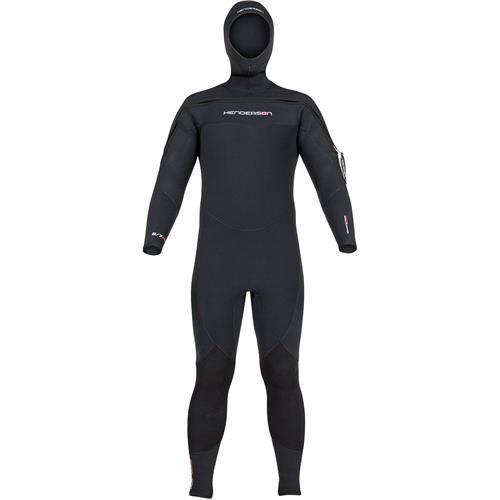
April Diving Suits
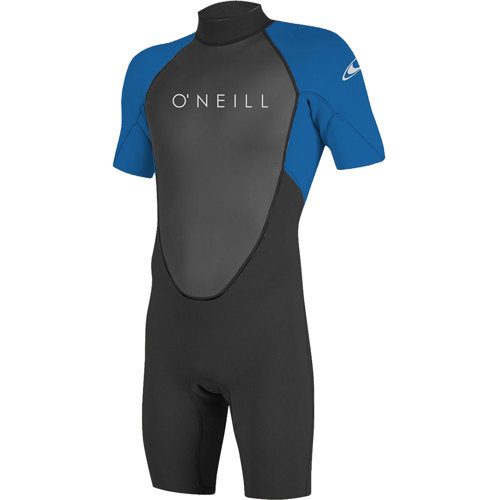
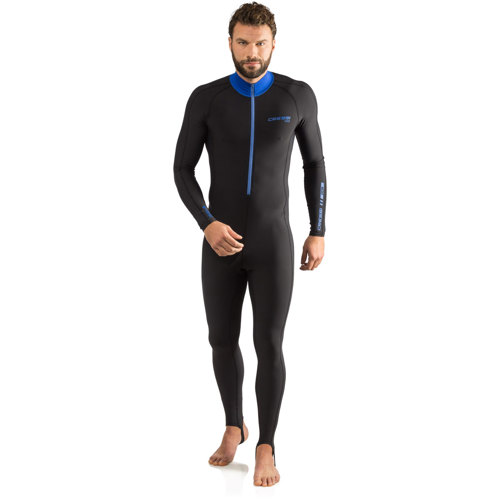
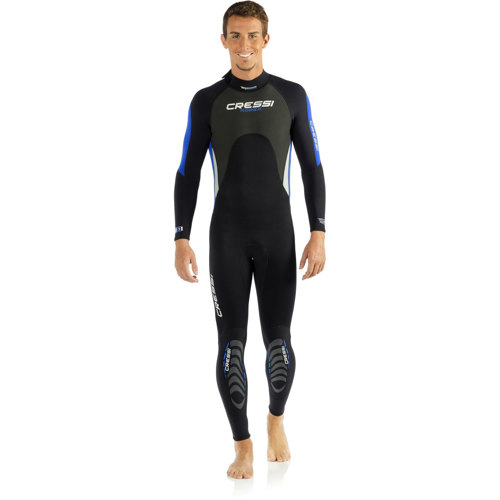
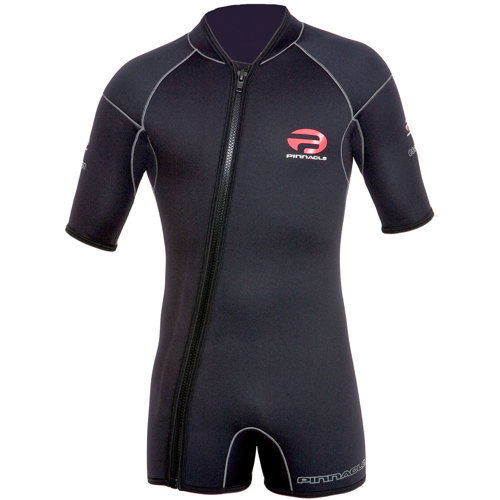
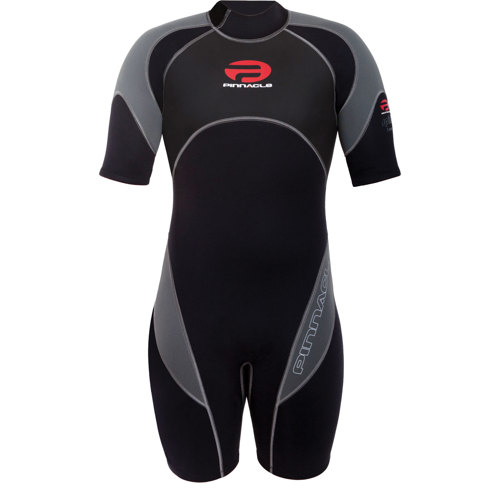
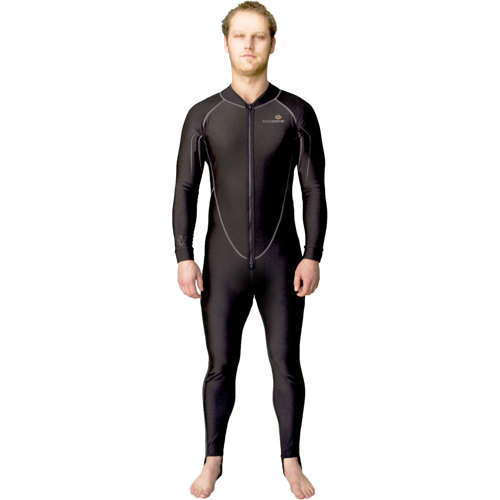
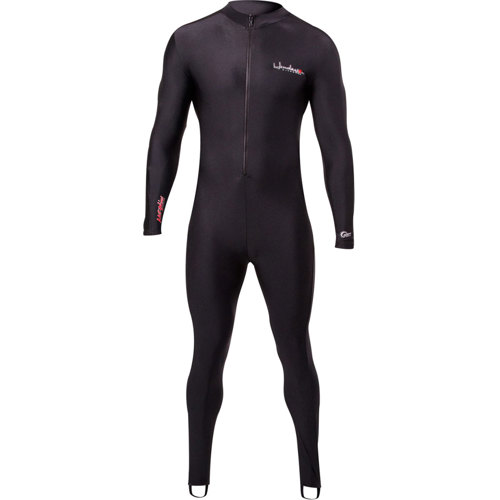
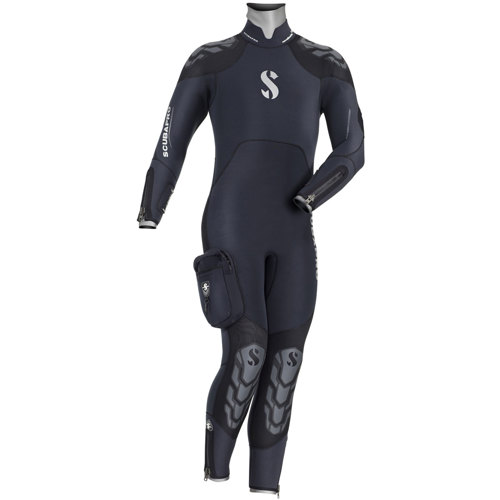
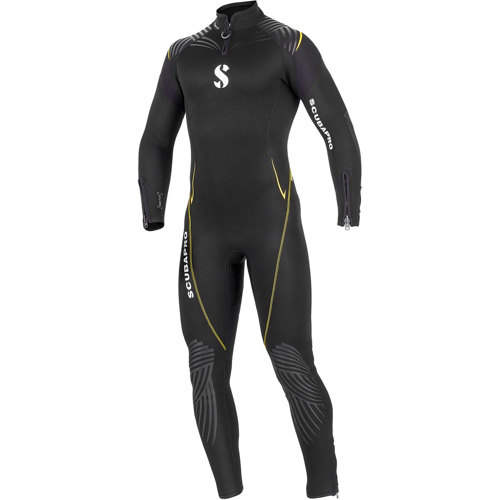
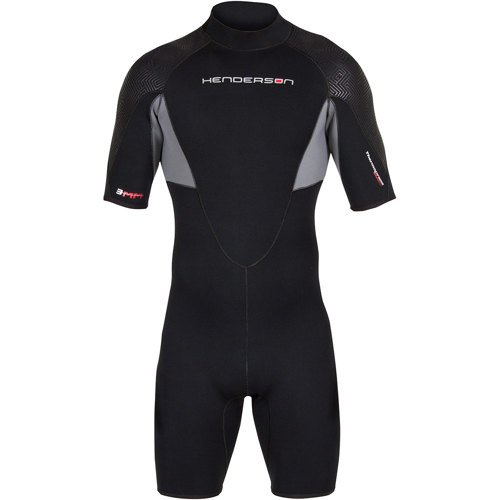
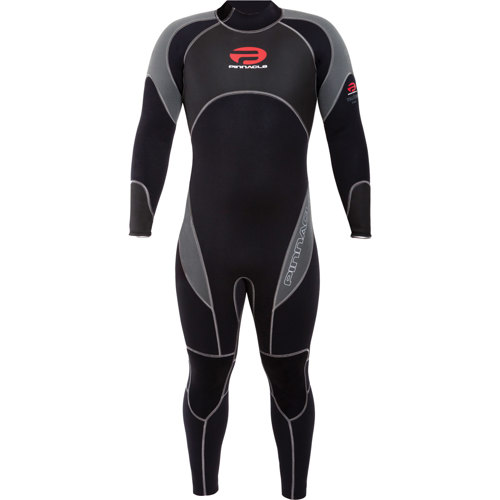
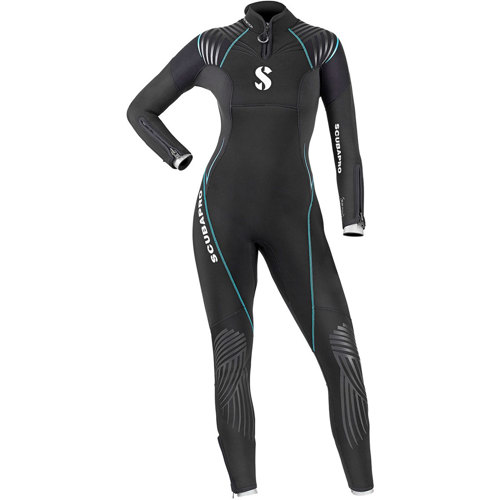
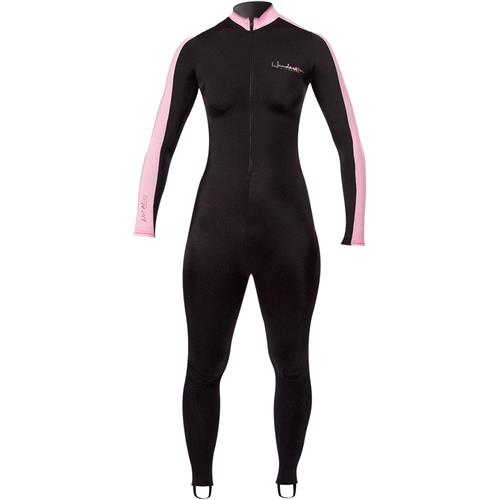
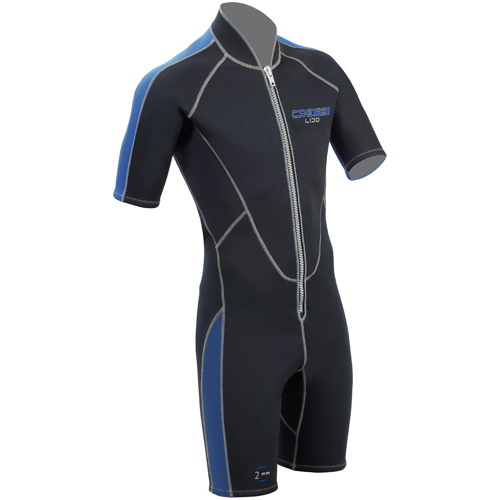
April marks a unique transition in the diving calendar, where the changing seasons bring both opportunity and challenge for divers of all experience levels. As winter loosens its hold and spring takes over, water temperatures can fluctuate dramatically depending on your chosen dive destination. For those venturing into tropical regions, the sun’s warmth begins to permeate shallow reefs, making lighter wetsuits—typically in the 2.5mm to 3mm range—an ideal choice for comfort and flexibility. A shorty or full suit in this thickness offers just enough insulation to keep you warm during repeated dives, while still allowing for easy movement as you explore vibrant coral gardens or swim alongside schools of playful reef fish. In these warmer waters, it’s not uncommon to see seasoned divers donning simple rashguards or vests, especially when surface intervals are spent basking on the deck of a boat, soaking up the gentle April sun.
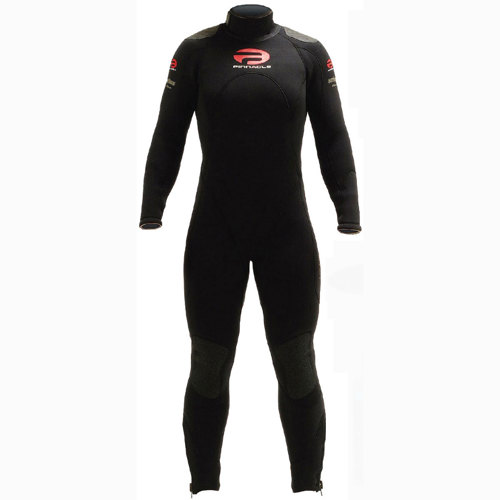
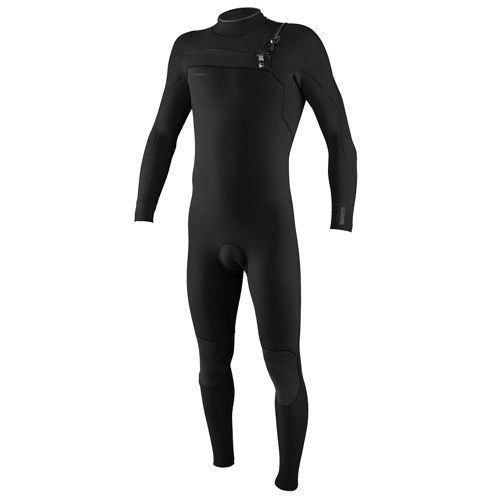
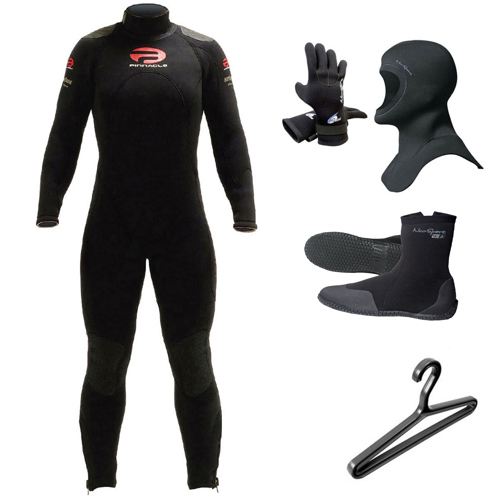
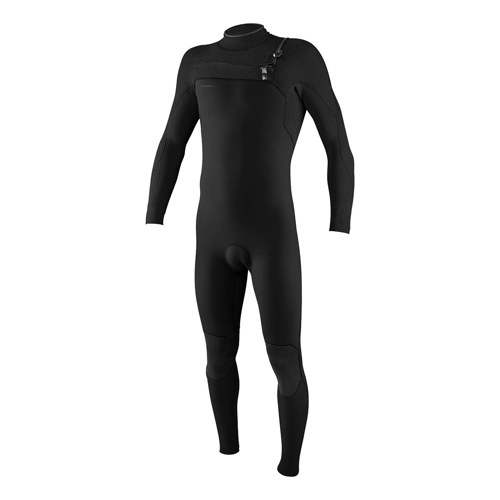
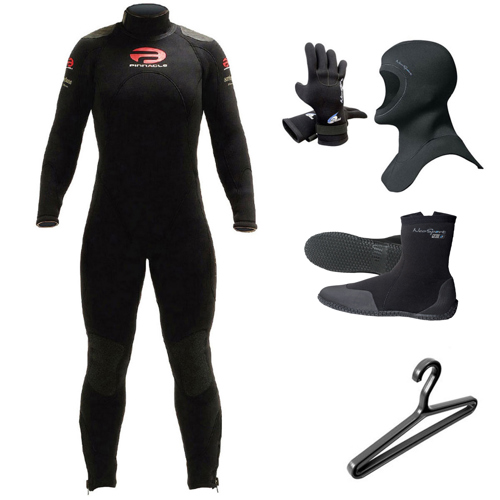
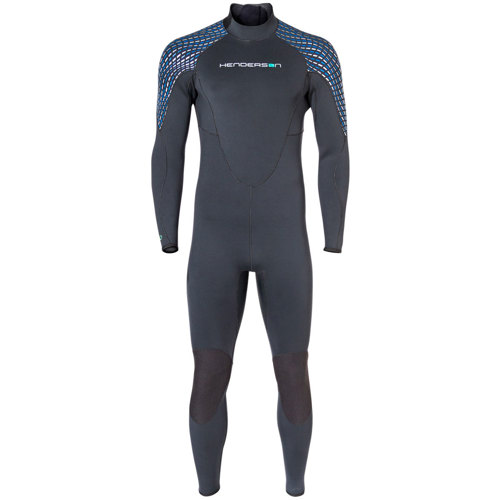
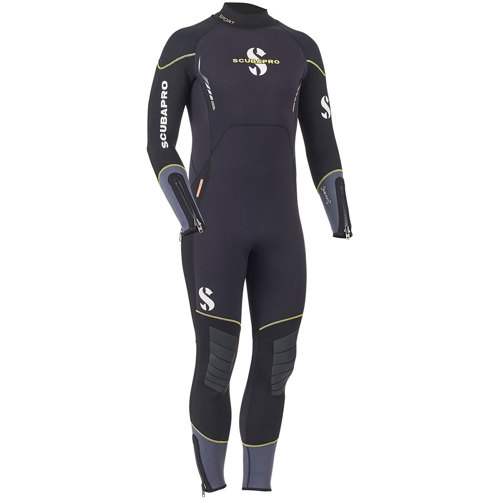
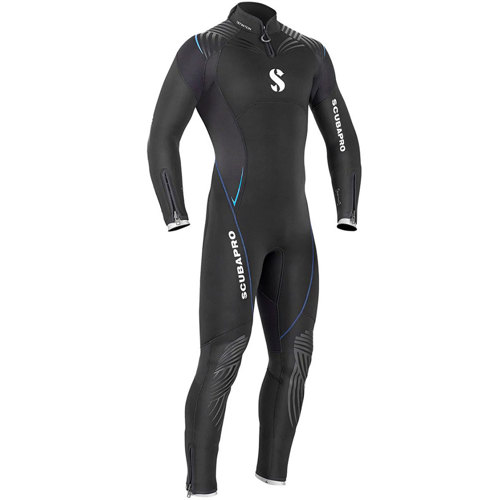
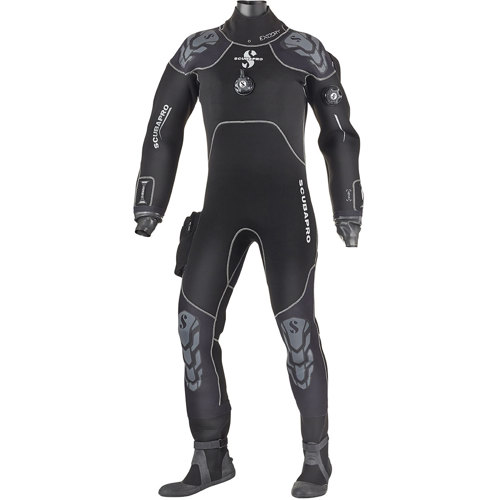
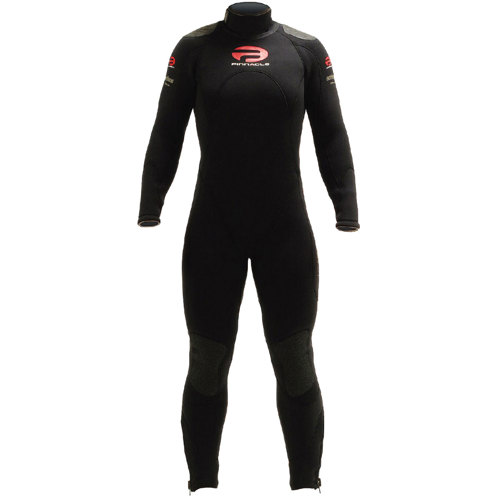
However, for those diving in temperate or even colder regions, April can still carry a chill that lingers below the surface. Coastal waters in the Mediterranean, parts of the US, or the Pacific Northwest may require a full wetsuit, often in the 5mm to 7mm range, or even a drysuit for extended comfort and safety. As an instructor who has spent many springs guiding students through the kelp forests off California, I’ve learned firsthand how a well-chosen suit can make or break a dive day. The right thickness not only shields you from cold but also helps reduce fatigue, allowing you to focus on the underwater experience rather than the creeping sensation of lost body heat. For those who tend to get cold more quickly, layering with hoods, gloves, and boots can be a game-changer, especially when wind chill on the surface adds another layer of complexity. It’s also important to consider dive depth and duration—longer or deeper dives extract more warmth from your body, making additional insulation essential.
When selecting an April diving suit, personal cold tolerance is just as important as water temperature. Some divers naturally run warmer and feel comfortable in lighter gear, while others prefer the security of thicker neoprene or the complete dryness of a trilaminate drysuit. For families planning spring break adventures, or for those searching for a thoughtful gift for a diving enthusiast, a new wetsuit or drysuit can be both practical and deeply appreciated. Whether you’re outfitting a beginner eager for their first open water experience or a seasoned diver prepping for a new season, the fit and flexibility of a suit are just as crucial as its thermal rating. A well-fitted suit ensures freedom of movement, reduces flushing, and keeps you focused on the wonders below—whether that’s the first bloom of springtime nudibranchs or the lingering presence of winter’s larger pelagics. For a comprehensive overview of available options, including everything from tropical shorties to robust cold-water drysuits, visit our curated collection of
Diving Suits. This resource is designed to help you find the perfect match for your next April adventure, wherever your diving dreams may take you.