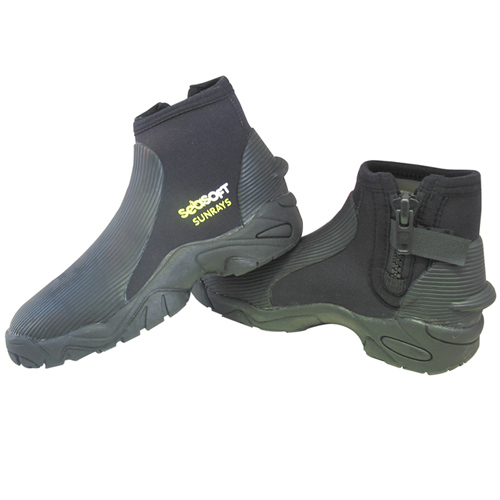
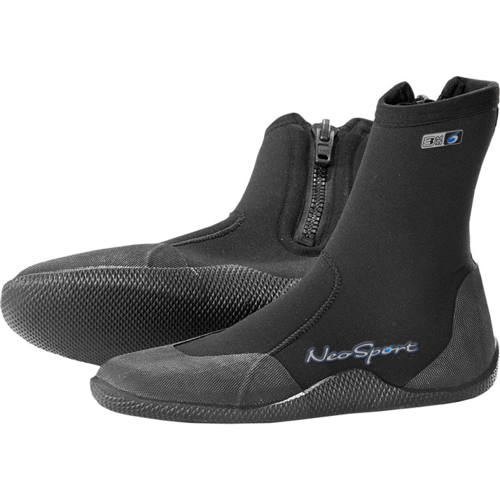
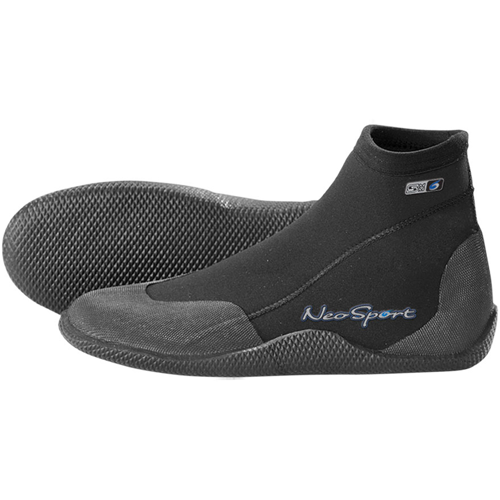
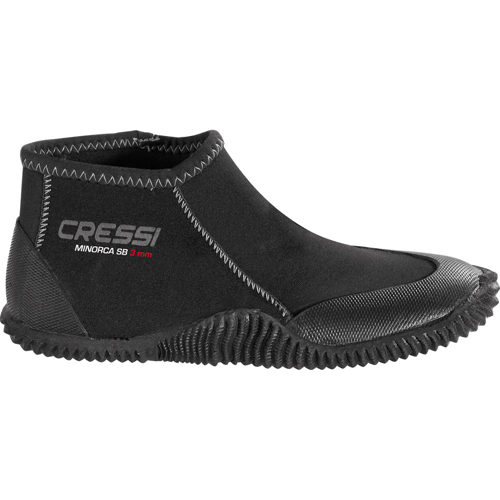
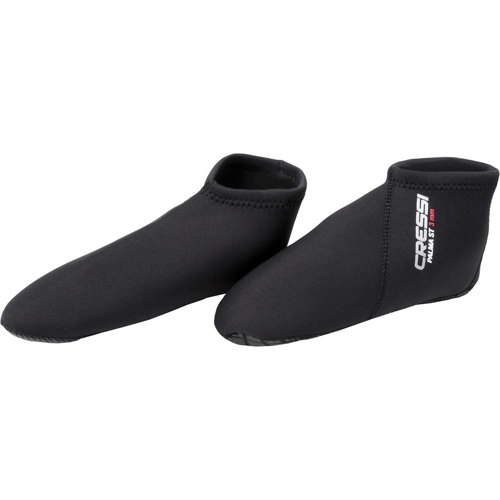
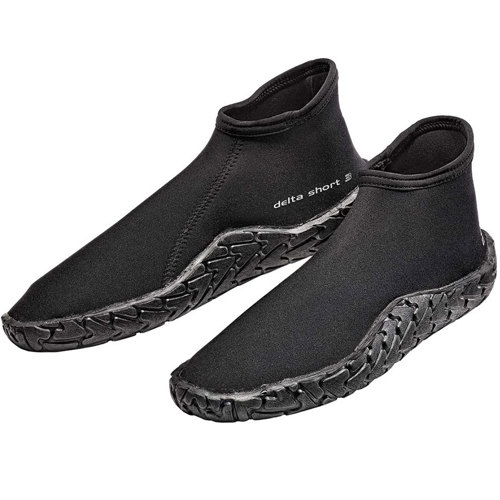
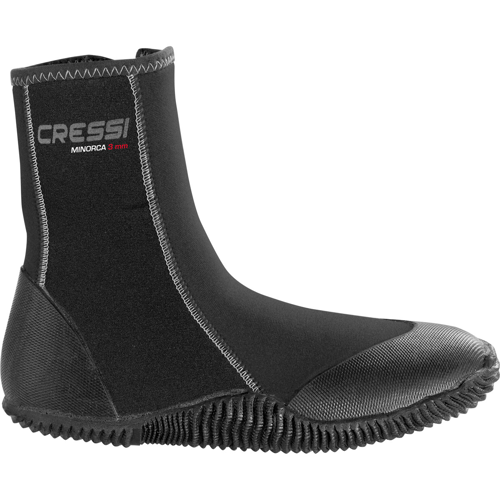
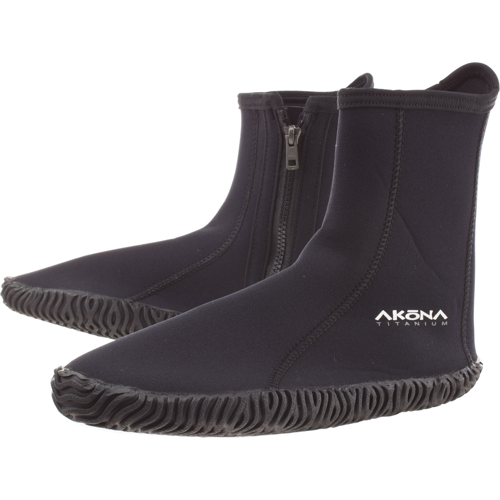
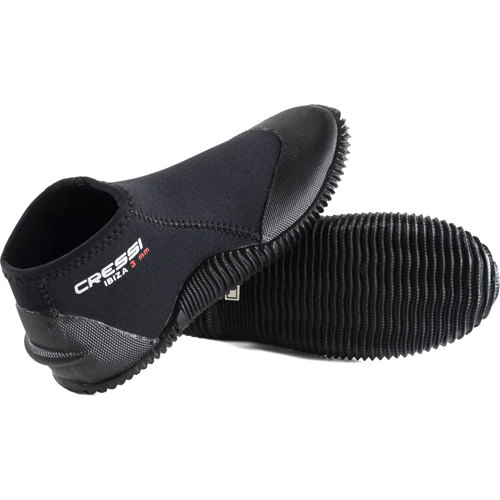
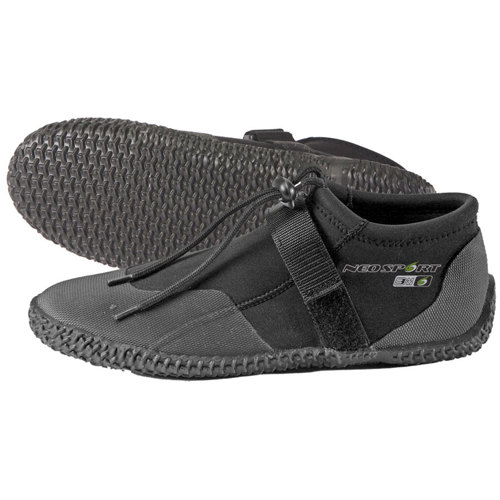
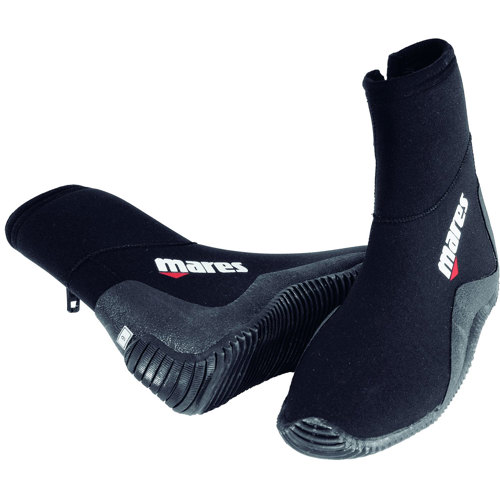
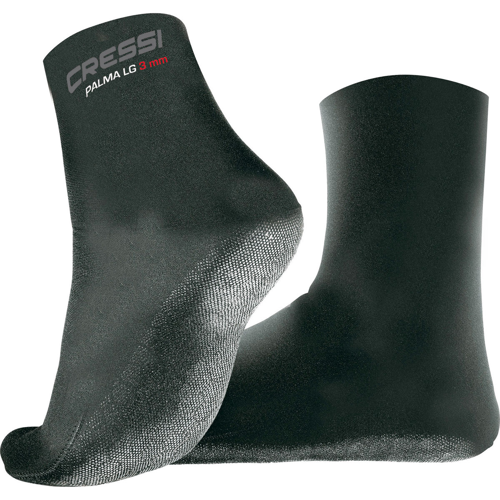
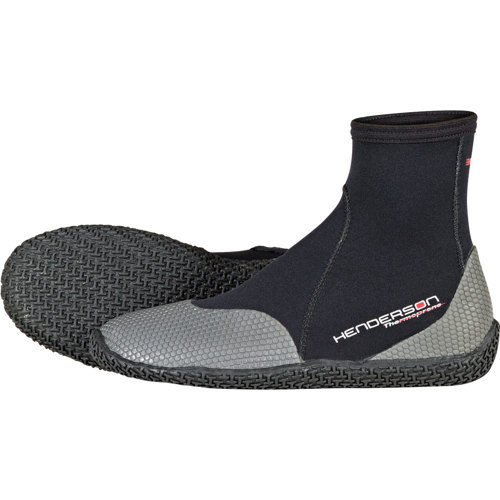
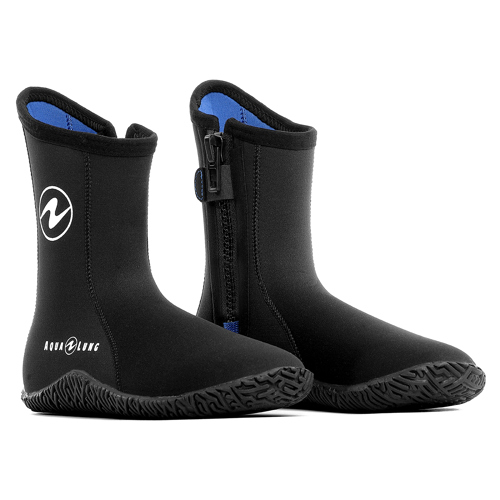
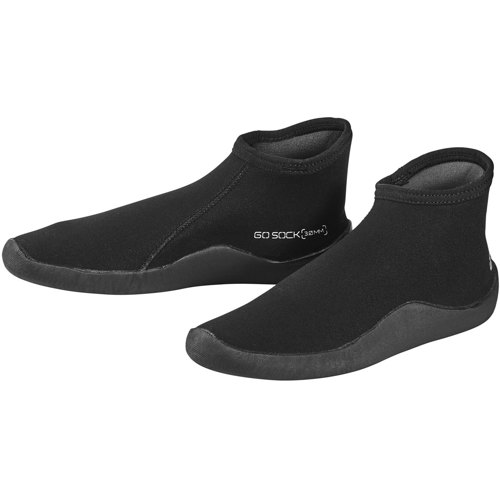
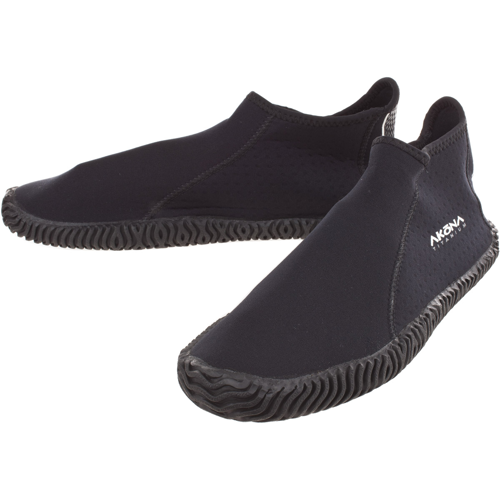
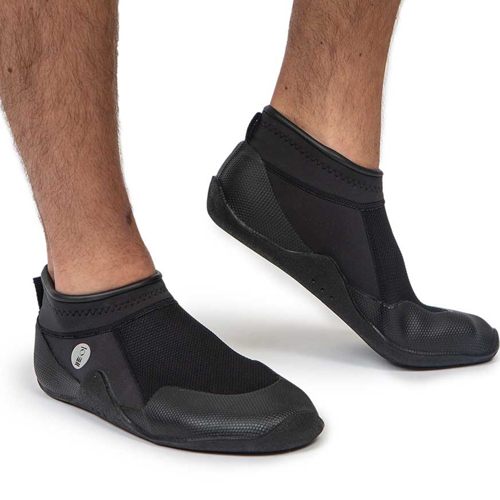
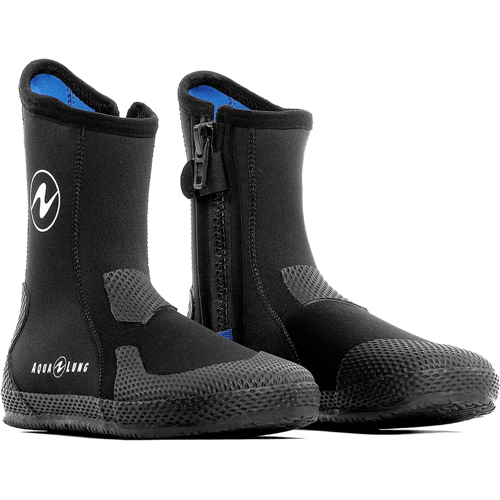
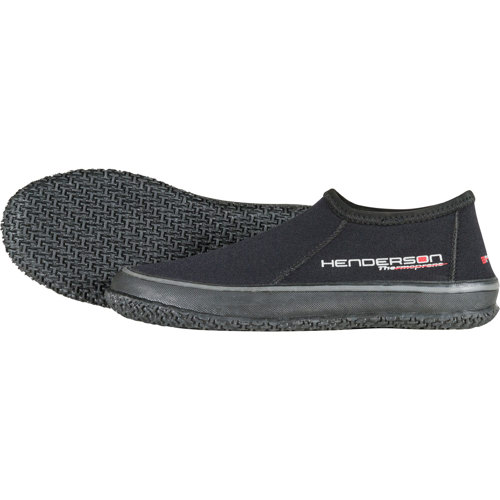
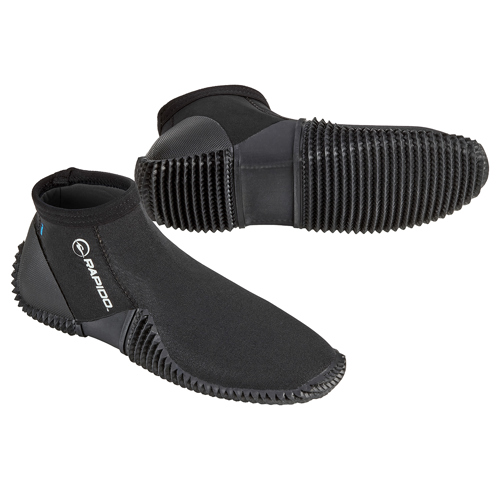
When it comes to gearing up for underwater adventures, 3mm diver boots strike a perfect balance between protection and flexibility, making them a staple for divers, snorkelers, and water sports enthusiasts alike. As the cooler months of November roll in across many regions, the water temperature begins to dip, yet remains within a range where a 3mm neoprene boot can provide just the right amount of thermal insulation without sacrificing comfort or dexterity. These boots are especially popular among divers exploring temperate waters, where a full drysuit might be overkill but bare feet would quickly become cold and uncomfortable. The 3mm thickness offers enough warmth to stave off numbness during longer dives, while still maintaining a lightweight profile that allows for easy finning and agile movement across slippery boat decks or rocky shorelines.
For those who enjoy shore diving, 3mm boots are a reliable companion, offering sturdy soles that shield your feet from sharp rocks, coral, or shells as you make your way into the surf. The snug fit and supple material help prevent blisters and chafing, even during extended sessions in the water. Many divers appreciate the versatility these boots provide, as they transition seamlessly from scuba diving to snorkeling, freediving, and even kayaking or paddleboarding. They’re also an excellent option for dive travel, packing down small and drying quickly between dives. Whether you’re gifting a budding diver their first set of gear or upgrading your own kit for the season, a pair of 3mm boots can make a thoughtful and practical present. Their universal appeal spans from beginners discovering the underwater world to seasoned divers who value comfort and reliability on every dive.
Choosing the right pair of 3mm diver boots involves considering the fit, sole thickness, and closure style. A well-fitted boot should hug your foot without pinching, providing enough room to wiggle your toes while ensuring water doesn’t flush in and out excessively. For those who often dive from rocky entries or walk over uneven terrain, a reinforced sole can offer extra protection and grip, reducing the risk of slips and stubbed toes. Conversely, if you’re mostly boat diving or prefer a minimalist feel, a thinner, more flexible sole might be preferable. As the season progresses and water temperatures drop further, some divers may find themselves needing additional warmth; in that case, it’s worth exploring thicker options like
5mm Diving Boots for enhanced insulation. Ultimately, 3mm diver boots are a versatile, reliable choice for a wide range of aquatic activities, ensuring your feet stay warm, protected, and ready for whatever the underwater world has in store.