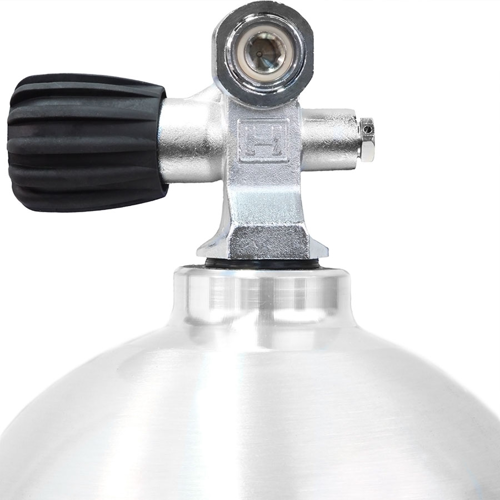
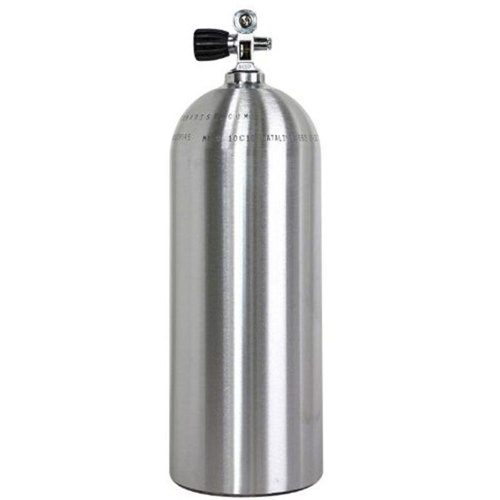
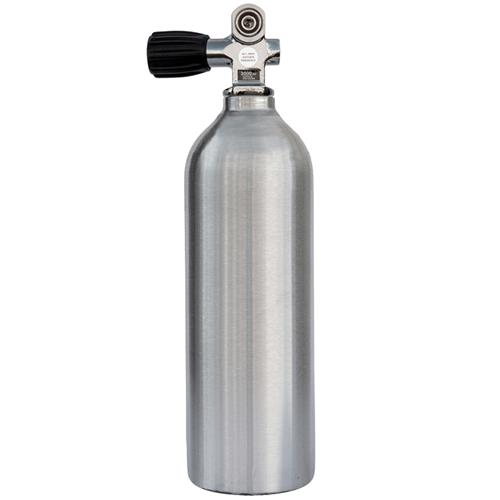
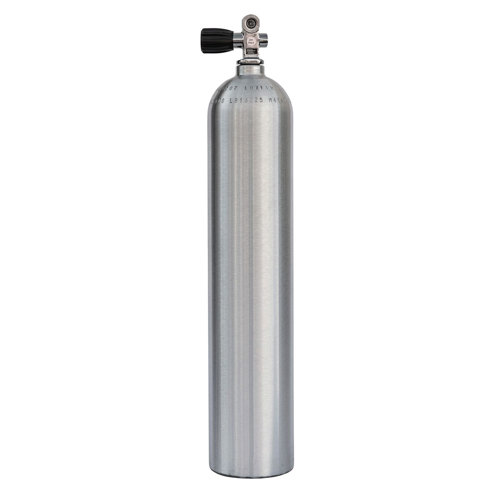
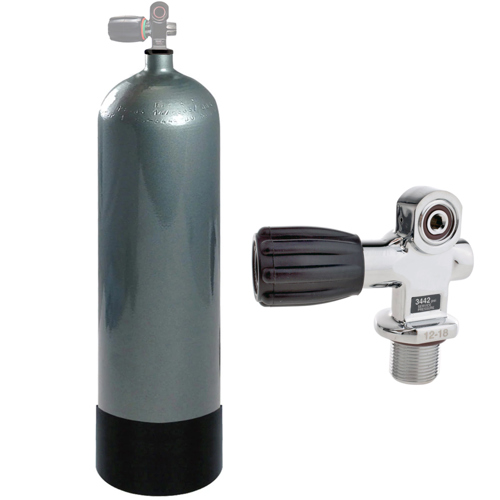
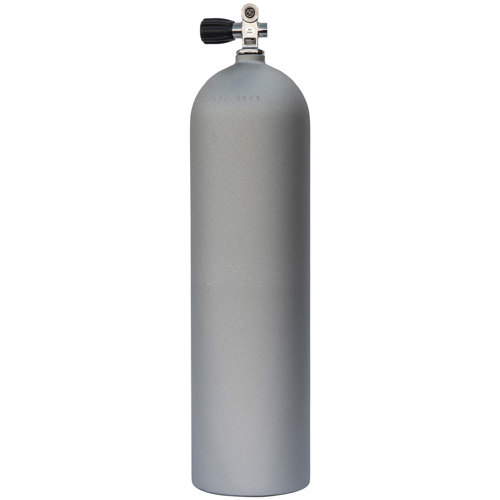
For divers at every level, the 3000 psi scuba tank stands as a cornerstone of underwater exploration, offering a blend of reliability, versatility, and safety that has made it the industry standard for recreational diving. As February brings cooler waters and the anticipation of spring dive trips, it’s a great time to consider the benefits and nuances of choosing a 3000 psi tank for your gear setup. These tanks, often constructed from robust 6061-T6 aluminum alloy, are engineered to meet stringent DOT and TC regulations, ensuring peace of mind on every dive. The most common size, the 80 cubic foot (AL80) cylinder, delivers a satisfying balance between air capacity and manageable weight, typically providing between 45 and 60 minutes of breathing time at shallow depths, or 20 to 30 minutes at depths of 100 feet. The familiar hiss as you open a freshly filled 3000 psi scuba tank is a prelude to adventure, whether you’re gliding over coral reefs, exploring kelp forests, or searching for shipwrecks along the coast. Beyond the standard AL80, the range of 3000 psi tanks includes pony bottles and stage cylinders in sizes from as small as 6 cubic feet up to over 100 cubic feet, catering to specialized needs like redundant air supply, decompression stops, or technical diving scenarios.
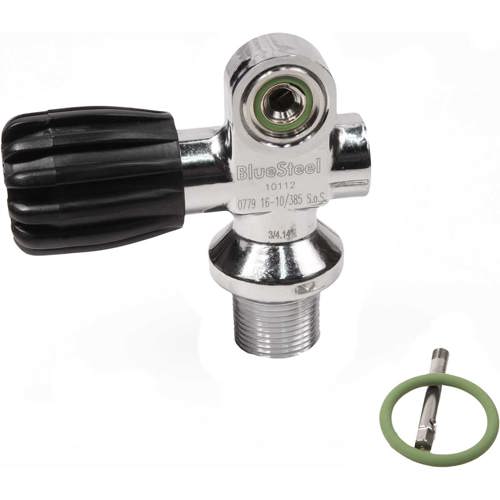
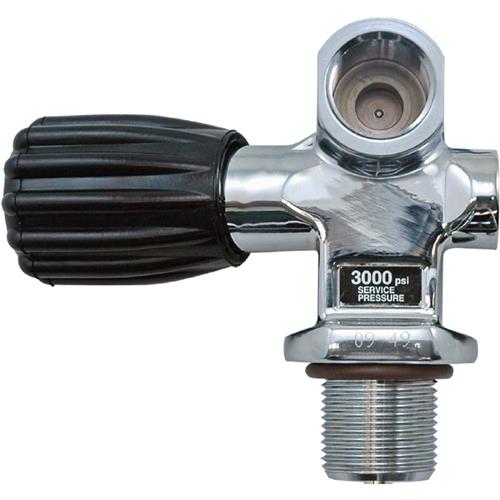
When considering a 3000 psi pressure vessel for sale, it’s important to reflect on your diving habits, physical build, and travel plans. For newer divers, the standard 80 cubic foot tank offers a forgiving introduction to air management and buoyancy control, with the added benefit of being universally supported at most dive shops and liveaboards. More experienced divers may appreciate the flexibility of smaller pony tanks—ideal for solo dives, as an emergency backup, or when teaching students in a controlled environment. The buoyancy characteristics of an aluminum scuba tank 3000 psi are worth noting; they tend to be slightly negative when full, becoming positive as they empty, a subtle shift that seasoned divers learn to anticipate and compensate for as part of their dive routine. These tanks are typically fitted with K-valves—durable, easy to use, and compatible with most regulators—making them a practical choice for group trips or mixed-experience teams. Regular hydrostatic testing and visual inspections are essential for maintaining safety and ensuring your tank remains a reliable companion season after season. I remember a winter dive off the Channel Islands, where the comfort of a well-maintained 3000 psi tank allowed me to focus on the playful sea lions darting through the kelp, rather than worrying about my air supply or equipment integrity.
A 3000 psi scuba tank also makes a thoughtful and practical gift for the diver in your life. Whether for a new certification graduate eager to assemble their own kit, or an experienced explorer seeking to expand their options with a pony or stage bottle, the gift of a quality tank opens up a world of underwater possibilities. As the dive season approaches and group trips are planned, having a personal tank ensures flexibility and familiarity—no more adjusting to the quirks of rental gear or worrying about availability at remote destinations. For those interested in exploring alternative tank pressures or configurations, it’s worth comparing your options with other standards such as
200 Bar Tanks, which offer different performance characteristics and may suit specific technical or travel needs. Ultimately, investing in a 3000 psi tank is about more than just air—it’s about embracing the freedom and confidence to explore the underwater world on your own terms, season after season.