
Search Results for “Tanks Steel Tanks” (59 Products)
Save 5% Every Day† with the Scuba.com Edge Card. Learn More

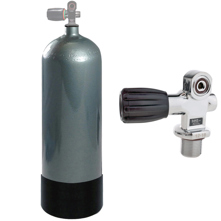
XS Scuba Faber High Pressure Steel Tank
SKU: XSSHPT
(50)- High-Pressure Steel Tank: 3442 psi for extended dives.
- Durable Chromium-Molybdenum Steel build, zinc-sprayed.
- Convertible Valve: Yoke/DIN, Nitrox ready up to 40%.
- Multiple sizes available: 80, 100, 117, & 120 cu ft.
- Includes tank boot for added stability & protection.
- Safety Certified: Reliable scuba gear for all skill levels.
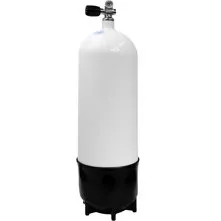
Faber High Pressure Steel Tank
SKU: FBRHP
(74)- Durable steel tank: High-pressure, up to 3442 psi.
- Multiple sizes: 23 cu ft to 149 cu ft steel tank options.
- Convertible valve: Yoke/DIN valve, Nitrox ready to 40%.
- Corrosion-resistant: Zinc-sprayed, epoxy-coated steel tank.
- Chrome-Moly steel: Deep-drawn for superior tank strength.
- Includes tank boot: Protect your Faber steel scuba tank.
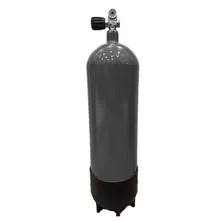
Faber Low Pressure Steel Tank
SKU: FBRLP
(18)- Durable steel tank: Chromium Molybdenum build.
- Multiple sizes: 50CF, 85CF, 95CF, 108CF & 120CF tanks.
- Reliable valve: Convertible, marine-grade chromed brass.
- Low pressure steel tank: 2640 psi, 10% overfill.
- Nitrox ready: Up to 40% for enriched air fills.
- Corrosion resistance: Zinc, epoxy & polyurethane.
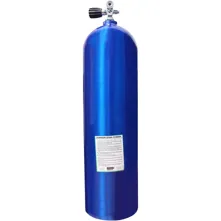
Catalina 80 Cubic Foot Aluminum Tank with Pro Valve
SKU: AQUTA8
(153)- Catalina 80 cu ft Aluminum Tank, reliable scuba gear.
- Pro Valve included; convertible, Nitrox ready up to 40%.
- 3000 PSI Aluminum Tank; ensures ample dive time underwater.
- Durable aluminum build; corrosion-resistant scuba tank.
- Lightweight scuba tank; weighs only 31.6 lbs (empty).
- Certified Catalina Tank; MFG Lifetime Limited Warranty.
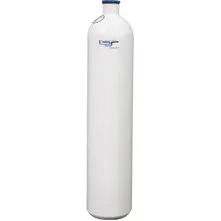
Faber 23 High Pressure Steel Tank Only
SKU: FBRHP23O
(4)- High Pressure Steel Tank: 3442 psi (237 bar) capacity.
- Compact Scuba Tank: 3.94" diameter, easy to manage size.
- Lightweight Steel Tank: Only 8.6 lbs, travel-friendly.
- Faber Steel Tank: Corrosion-resistant, durable build.
- Nitrox Ready Tank: Up to 40% for enriched air use.
- Negative Buoyancy: -2.64 lbs when full for stability.
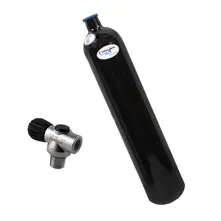
Faber 23 HP Steel Tank with Inline Re-Breather Valve
SKU: PCK23RV
(1)- High-Pressure Steel Tank: 3442 psi (237 bar) capacity.
- 23 cu ft Faber Tank: Compact, lightweight design at 8.6 lbs.
- Durable Steel Tank: Corrosion-resistant, zinc-sprayed finish.
- Reliable Valve: Marine-grade chromed brass construction.
- Nitrox Ready Tank: Up to 40% for enriched air diving.
- Compact Scuba Tank: 3.94" diameter, 19.5" height.
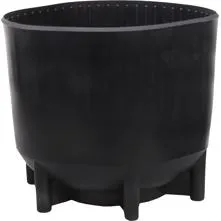
Blue Steel Tank Boots for Faber Tanks
SKU: FBRTB
(13)- Protect Faber Tanks with durable Blue Steel boots.
- Stabilized fins ensure tank safety and reliability.
- Round tank boot design enhances ease of use.
- Corrosion-resistant PVC build ensures lasting use.
- Multiple sizes ensure Faber Tank compatibility.
- Drain ribs prevent water buildup, adding tank safety.
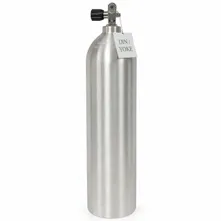
Cyl-Tec S80 Aluminum Scuba Tank
SKU: CYLSCASTMFR: SCUBA-CW-S80-BF
- 80 cu. ft. capacity for extended dives.
- Premium 6061 T6 aluminum tank durability.
- Corrosion-resistant for saltwater protection.
- 3000 psi rating ensures high performance.
- 3/4-14 NPSM threads for valve compatibility.
- Lightweight 31.4 lbs. aluminum tank design.
Trending
$274.95
Save: $55.01 (20%)In Stock
Ways to Save
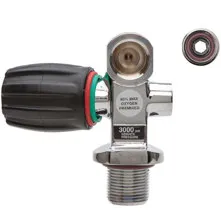
XS Scuba Pro Valve
SKU: XSSPV
(9)- XS Scuba Pro Valve: Durable chromed brass body.
- Convertible valve: Yoke or DIN; maximum versatility.
- Nitrox ready valve: Certified to 40% for safety.
- Reliable scuba valve: Teflon coated seat ensures seal.
- Standard display type: Easy grip for secure operation.
- 3/4"-14 NPSM thread: Ensures secure tank connection.

Catalina Pony Bottle Tanks with Pro Valve
SKU: AQUTP
(70)- Catalina Aluminum Tank: Lightweight & Durable Build.
- Pro Valve Included: Convertible, Nitrox Ready Design.
- Multiple Sizes: 6, 13, 19, 30, & 40 cu ft Options.
- 3000 PSI Rating: Reliable Scuba Tank Performance.
- Corrosion-Resistant: Ensures Long Tank Life Span.
- Pony Bottle Tank: Ideal for Redundancy & Safety.
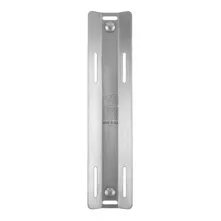
Dive Rite Stainless Steel Single Tank Adapter (STA)
SKU: DIV1090SSMFR: BC1090-S/S
(4)- Durable stainless steel tank adapter ensures reliability.
- Optimizes single tank stability for enhanced dive safety.
- Compatible with Dive Rite wings for secure setup.
- Includes mounting hardware for easy, secure installation.
- Marine-grade 304 stainless steel build guarantees longevity.
- Lightweight design at 13oz improves ease of use.
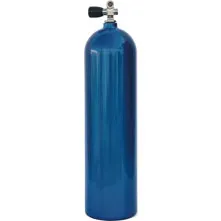
Thunderbird 80 cu. ft Aluminum Tank
SKU: MTLTA80
(2)- 80 cu ft Aluminum Tank: Optimal buoyancy underwater.
- Pro K-Valve ensures reliable, high-pressure performance.
- Durable aluminum alloy resists corrosion effectively.
- Certified scuba tank; 3000 psi for safe diving.
- Convertible valve adapts to Yoke or DIN regulators.
- Nitrox Ready: Up to 40% O2 compatibility included.
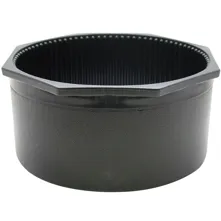
7.25" Tank Boot for High Pressure Steel Tanks
SKU: AQUTB725SMFR: TA55
(7)- Protect your HP steel tank with a durable boot.
- 7.25" tank boot ensures stability underwater.
- Hexagon shape prevents rolling; adds safety.
- Round bottom tank boot fits standard HP tanks.
- Plastic material offers reliable tank protection.
- Easy to use; install this tank boot in seconds.
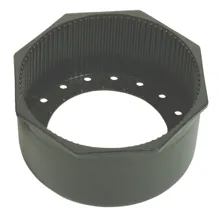
Sea Pearl's 7.25 (18.4cm) Round Tank Boot for Steel Tanks
SKU: XSSTB725SMFR: TBX7S
(3)- Protect your steel scuba tank with this boot.
- Durable plastic tank boot ensures lasting use.
- 7.25" round tank boot fits standard steel tanks.
- Enhances tank stability; prevents rolling damage.
- Round rim design offers secure, reliable support.
- Integrated drain ribs prevent water accumulation.
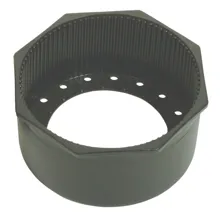
XS Scuba 8" (20.3 cm) Octagon Tank Boot for Steel Tanks
SKU: XSSTB8MFR: TBX8S
(3)- Protect steel scuba tanks with durable tank boot.
- Octagon design ensures stability; prevents rolling.
- 8-inch boot fits standard round-bottom steel tanks.
- Molded drain ribs prevent corrosion; extend tank life.
- High-quality, impact-resistant plastic construction.
- Ensures tank compatibility; easy to install/remove.
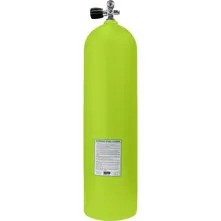
Catalina 63 Cubic Foot Aluminum Tank with Pro Valve
SKU: AQUTA63
(2)- 63 cu ft Aluminum Tank: Reliable scuba gear.
- 3000 PSI Catalina Tank: Ensures ample air supply.
- Convertible Valve: Adaptable scuba tank valve type.
- Nitrox Ready: Up to 40% oxygen compatibility.
- Durable Aluminum Tank: Lightweight, 26.9 lbs empty.
- Scuba Tank: Negative buoyancy for underwater stability.
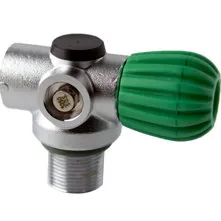
Blue Steel Inline Re-Breather Valve
SKU: FBRRV
(1)- Chrome plated brass valve ensures durability.
- DIN 200 bar outlet valve for reliable performance.
- Oxygen compatible valve; Nitrox ready for safety.
- 3/4" NPSM thread size valve offers ease of use.
- Blue Steel re-breather valve with high flow rate.
- Corrosion-resistant valve for extended scuba use.
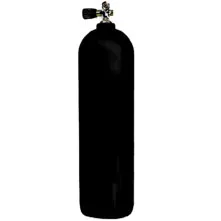
Catalina 100 Cubic Aluminum Tank with Pro Valve
SKU: AQUTA1
- Catalina 100 Cubic Aluminum Tank: Lightweight design.
- 3300 PSI Scuba Tank: Ensures high-pressure capacity.
- Convertible Valve: Adaptable for Yoke or DIN regulators.
- Durable Aluminum Tank: Corrosion-resistant alloy build.
- Pro Valve Included: Premium valve for reliable airflow.
- Scuba Diving Tank: Perfect for recreational diving.
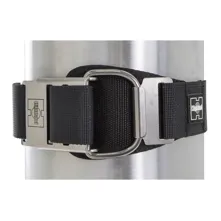
XS Scuba Tank Bands with Stainless Steel Cam Buckles (Pair)
SKU: XSSTBCBMFR: HL201
(7)- Durable stainless steel cam buckles ensure safety.
- Reliable tank bands fit 6.9" to 8.0" cylinders.
- Corrosion-resistant for extended scuba gear life.
- Easy to adjust for various cylinder diameters.
- High-strength nylon webbing offers lasting durability.
- Secure tank valve accessory for diving reliability.
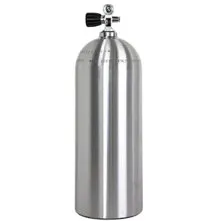
Catalina 53 Cubic Foot Aluminum Tank with Pro Valve
SKU: AQUTA53BRMFR: AC0053BRSSVC48P
(2)- Catalina 53 cu ft Aluminum Tank: Reliable scuba gear.
- 3000 PSI scuba tank with convertible pro valve included.
- Lightweight aluminum tank: Only 25.1 lbs for easy diving.
- Nitrox ready: Up to 40% oxygen compatibility ensured.
- Durable aluminum scuba tank with lifetime limited warranty.
- Negative buoyancy: -3.8 lbs when full for stable dives.
Thunderbird 40 cu. ft Aluminum Tank with Pro Valve
SKU: MTLTA40
(2)- XS Scuba Aluminum Tank: Lightweight, durable design.
- 40 cu ft Tank: Ideal buoyancy for optimal diving.
- 3000 PSI Scuba Tank: Ensures reliable air supply.
- Pro K-Valve: Convertible valve for versatile use.
- Nitrox Ready Tank: Up to 40% O2 compatibility.
- Corrosion-Resistant: Built for long-lasting performance.
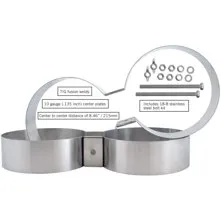
Highland by XS Scuba Stainless Steel Cylinder Bands
SKU: XSSSSTB
(1)- Durable stainless steel cylinder bands by XS Scuba.
- Ensures reliable tank security for scuba diving gear.
- Fusion welded bands protect cylinder finish.
- 10-Gauge steel plates add strength and durability.
- Passivated & polished for corrosion resistance.
- Compatible with standard scuba tanks and valves.
In Stock
Free Shipping
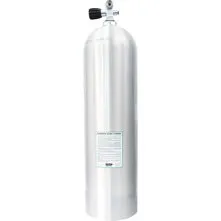
Catalina 80 Cubic Foot Neutrally Buoyant Aluminum Tank with Pro Valve
SKU: AQUTANMFR: ACC80BRSSVC50P
(7)- Catalina 80 cu ft Aluminum Tank, neutrally buoyant.
- Pro valve ensures reliable scuba diving performance.
- Durable aluminum tank; corrosion-resistant material.
- 3300 PSI scuba tank for extended underwater use.
- Lightweight at 34.4 lbs; easy to handle aluminum tank.
- Convertible valve, Nitrox ready up to 40% oxygen.
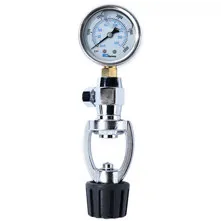
Blue Reef Tank Pressure Checker
SKU: AQUTPCMFR: PG-2Y
(75)- Ensure scuba tank safety with pressure checker.
- Durable, marine-grade brass for corrosion resistance.
- Compatible with yoke valve scuba cylinders.
- Easily check cylinder pressure from 0-5000 psi.
- Features bleed valve for safe pressure release.
- Solid-brass gauge ensures accurate scuba readings.
Scuba.com Exclusive
$150.00
Save: $70.05 (47%)In Stock
Free Shipping